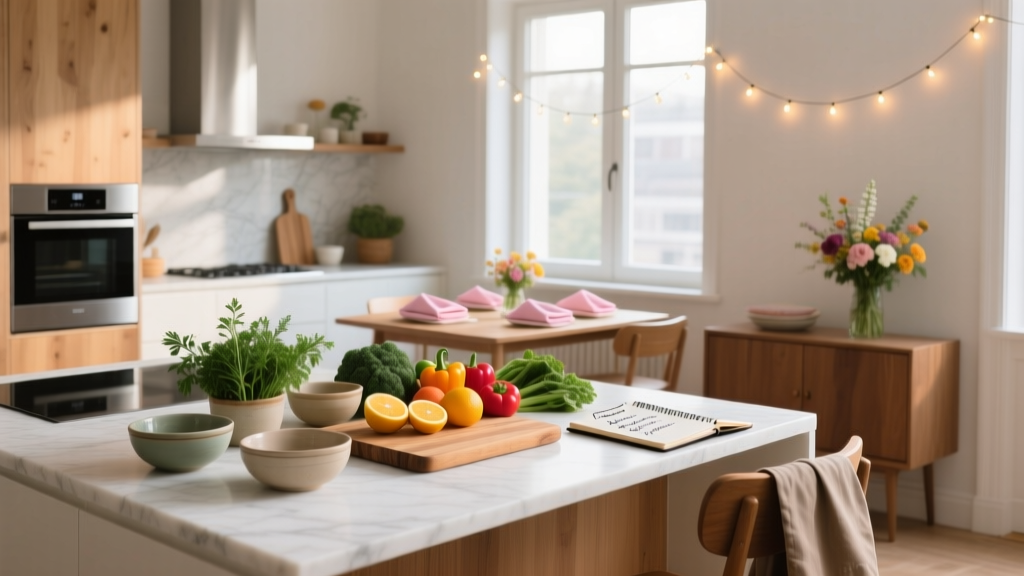
Step-by-Step Guide to a Cooking Class
A cooking class is one of the most rewarding event formats to plan: guests leave with new skills, a shared experience, and a great meal. It’s also an event where details matter more than usual. Timing, food safety, kitchen logistics, dietary needs, and hands-on instruction all need to work together smoothly. When planning is rushed or loosely organized, even a beautiful menu can turn into delays, crowding, and confusion.
Proper event planning and coordination turns a cooking class into a polished, professional experience—whether you’re hosting a corporate team-building session, a birthday celebration, a bridal shower, or a client appreciation event. A clear timeline, the right instructor and venue, and thoughtful guest communication protect your budget and your reputation as the organizer.
This guide walks you through a practical step-by-step process, with checklists, budget breakdowns, vendor selection tips, real-world examples, and common mistakes to avoid—so you can plan a cooking class that feels effortless to attendees.
1) Define the Cooking Class Goal and Format
Choose the purpose (this drives every decision)
- Team building: collaborative stations, timed challenges, group plating, light competition.
- Celebration: photo-ready dishes, curated beverage pairing, relaxed pacing.
- Educational: skill-focused (knife skills, sauces, pasta), take-home recipes, Q&A time.
- Client/community event: brand-friendly theme, dietary inclusivity, clear value and takeaways.
Select a class style
- Hands-on: guests cook at stations (higher staffing and equipment needs, high engagement).
- Demo + tasting: instructor cooks; guests watch and taste (lower complexity, great for larger groups).
- Hybrid: demo key steps, guests finish dishes at stations (best balance for mixed skill levels).
Pin down the basics
- Guest count: 10–60+ depending on venue and format.
- Duration: typically 90 minutes to 3 hours (add 30 minutes for arrival/settling).
- Theme/menu: seasonal, local, trending cuisines (Mediterranean, plant-forward, sushi rolling, fresh pasta).
- Skill level: beginner-friendly is safest for social events; advanced is ideal for niche groups.
Trend watch: Plant-forward menus, zero-waste cooking tips, local sourcing, and interactive “chef’s table” plating moments are popular right now. Many groups also request mocktail pairings or low-ABV options to keep events inclusive.
2) Build a Planning Timeline (Step-by-Step)
Use this timeline as your event planning template. Adjust based on lead time, guest count, and venue availability.
6–8 Weeks Out: Concept + Venue + Instructor
- Confirm goal, format, theme, and approximate budget.
- Shortlist venues (culinary studios, restaurant kitchens, community centers, private homes, coworking event spaces with kitchens).
- Source instructor/chef (or confirm venue provides one).
- Request proposals and compare packages:
- Station count and capacity
- Staffing ratio (chef + assistants)
- Menu options and substitutions
- Alcohol policy and beverage options
- AV setup (mic, screen, camera overhead)
- Lock date/time and place deposit.
4–5 Weeks Out: Menu Finalization + Guest Experience
- Finalize menu and class outline (timeline down to 10–15 minute blocks).
- Confirm dietary accommodations (gluten-free, vegetarian/vegan, nut allergies, halal/kosher preferences).
- Decide how guests will work:
- Pairs vs. teams of 4
- Assigned stations vs. open seating
- Competition elements (optional)
- Create invitation copy and registration flow (collect dietary needs and emergency contact if required).
- Coordinate branding if corporate (signage, welcome slide, menu cards with logo).
2–3 Weeks Out: Vendors + Supplies + Run of Show
- Confirm final headcount target and RSVP deadline.
- Book add-on vendors if needed:
- Photographer (great for team-building and milestone celebrations)
- Bartender/beverage service
- Rental company (extra stools, linens, glassware)
- Transportation/parking validation for urban venues
- Draft your event run of show (minute-by-minute schedule).
- Plan music and lighting (keep it bright enough for safe chopping and reading recipes).
- Confirm sanitation plan (handwashing stations, gloves if appropriate, cleaning wipes, trash/recycling).
7–10 Days Out: Confirmations + Guest Comms
- Send reminder email/text with:
- Address, parking, arrival time
- What to wear (closed-toe shoes, comfortable clothes)
- What’s provided (aprons, recipes, beverages)
- Allergen reminder and accommodation confirmation
- Confirm final menu quantities with chef/venue.
- Review staffing and station assignments.
- Print materials (recipe cards, signage, name tags, seating chart if assigned).
48–72 Hours Out: Final Headcount + Checklist Sweep
- Close RSVPs and share final headcount with all vendors.
- Reconfirm load-in times, access instructions, and contact numbers.
- Prepare a “day-of kit” (see checklist below).
- Review contingency plans:
- Late arrivals
- Dietary swaps
- Equipment failure (backup burners, extra knives)
Event Day: Execute with a Calm, Structured Flow
- Arrivals (15–30 min): welcome drink, name tags, station assignments.
- Safety + overview (10 min): knife safety, allergies, kitchen rules.
- Instruction blocks (60–120 min): demo key steps, guests cook, assistants circulate.
- Plating + photos (15 min): encourage group shots and plated “final reveal.”
- Meal + social time (30–60 min): seating, toasts, dessert or coffee.
- Wrap-up (5–10 min): thank you, share recipes, announce leftovers policy, feedback link.
1–3 Days After: Follow-Up for a Polished Finish
- Send thank-you email with recipes, photos link, and feedback form.
- Pay remaining balances and tip staff as planned.
- Document notes: what ran long, what guests loved, what to change next time.
3) Cooking Class Planning Checklist (Copy/Paste Template)
Venue + Logistics
- Venue contract signed; insurance requirements confirmed
- Capacity and station count confirmed
- Accessibility plan (stairs, restrooms, seating options)
- Parking/transportation directions shared
- AV: microphone, speakers, screen/projector, overhead camera (if needed)
- Waste plan: trash, recycling, compost (if available)
Menu + Food Safety
- Menu approved with ingredient list
- Allergy and dietary accommodations documented
- Food handling plan: raw proteins, temperature control, sanitizer
- Recipe cards prepared (digital + printed)
- Beverage plan confirmed (water stations are non-negotiable)
Staffing + Guest Flow
- Chef/instructor booked; assistants scheduled
- Station assignments created
- Check-in plan: who greets, who directs, who handles late arrivals
- Run of show printed and shared with team
Day-Of Kit
- First aid kit + burn cream
- Extra sharpies, tape, scissors
- Phone chargers/power bank
- Printed vendor contacts + timeline
- Backup name tags and markers
- Lint roller (aprons and photos)
4) Budget Considerations (With Sample Breakdowns)
Your cooking class budget depends on venue type, guest count, menu complexity, staffing, and whether you add alcohol, photography, or branded elements. Pricing is commonly structured per person or as a venue package.
Typical cost ranges (planning estimates)
- DIY/home cooking class: $25–$80 per person (ingredients + basic supplies; excludes labor)
- Studio/venue-led class: $90–$180 per person (chef, ingredients, space, basic staffing)
- Corporate/private premium experience: $180–$350+ per person (higher-end menu, open bar, branding, photography)
Sample budget: 20-person hands-on class (mid-range)
- Venue + chef package: $2,800
- Ingredients upgrades (seasonal add-ons): $250
- Beverages (wine/beer + nonalcoholic): $600
- Rentals (extra glassware/linens): $250
- Photo coverage (2 hours): $450
- Printed materials + signage: $75
- Gratuity/staff tips: $300
- Contingency (5–10%): $250
Estimated total: $4,975 (about $249/person)
Smart ways to manage costs without cutting quality
- Choose a seasonal menu: better flavor, lower ingredient volatility.
- Limit proteins: one main protein and one vegetarian option simplifies prep and reduces waste.
- Use a hybrid format: demo the most technical steps; guests handle finishing and plating.
- Opt for beer/wine + signature mocktail: feels elevated without full open bar spend.
- Skip excessive décor: let fresh ingredients and plated dishes be the visual centerpiece.
5) Vendor Selection Tips (Chef, Venue, Rentals, and More)
Choosing the right chef/instructor
- Teaching ability matters as much as cooking: ask for a sample class outline or short video clip.
- Look for pacing skills: can they keep beginners engaged while supporting advanced guests?
- Confirm food safety practices: especially for poultry/seafood and allergy handling.
- Ask about staffing ratios: for hands-on classes, 1 assistant per 10–12 guests is a solid target.
Evaluating venues (quick decision framework)
- Layout: can all guests see the demo area without crowding?
- Equipment: burners, ovens, prep space, knives, cutting boards, mixers.
- Seating: is there a comfortable place to eat after cooking?
- Noise level: open kitchens can get loud; microphones help.
- Policies: alcohol, outside food, vendor access, cleanup responsibilities.
When rentals and add-ons are worth it
- Rentals: when venue glassware/plates don’t match your event style or you need more seating.
- Photographer: high ROI for corporate events and milestone celebrations.
- AV support: overhead camera setup for larger groups improves the learning experience.
6) Real-World Examples (What a Great Cooking Class Looks Like)
Example A: Corporate team-building pasta class (30 guests)
- Format: hybrid (demo dough and sauce; teams shape pasta and plate dishes)
- Menu: fresh pasta + marinara and pesto + seasonal salad + tiramisu cups
- Coordination win: color-coded stations and a timed “plating challenge” created momentum
- Trend element: local ingredients spotlight + zero-waste tip sheet (using herb stems, citrus peels)
Example B: Bridal shower “Mediterranean mezze” class (14 guests)
- Format: hands-on stations for dips/spreads; chef demo for protein
- Menu: hummus trio, tabbouleh, skewers, flatbread, mocktail bar
- Coordination win: one shared grazing table for tasting reduced plating needs and kept it social
7) Common Cooking Class Planning Mistakes to Avoid
- Underestimating space needs: crowded prep areas create safety risks and frustration. Confirm station count early.
- Not collecting dietary needs up front: add a required RSVP field and set a clear deadline.
- Overcomplicating the menu: 2–3 core recipes beat a long menu that runs overtime.
- Skipping a run of show: cooking events rely on timing; without a schedule, delays cascade.
- Forgetting visibility and sound: if guests can’t see the demo or hear instructions, engagement drops fast.
- No contingency buffer: build 10–15 minutes of cushion for late arrivals and slower stations.
- Weak check-in flow: guests need immediate direction—where to put belongings, wash hands, and find their station.
8) Actionable Next Steps: Your Mini Plan for the Next 7 Days
- Pick a format: hands-on, demo, or hybrid based on guest count and budget.
- Shortlist 3 venues or chefs: request availability and sample menus.
- Draft your class outline: arrivals, safety briefing, cook blocks, plating, meal time.
- Build a simple budget: package cost + beverages + staffing/tips + 5–10% contingency.
- Start guest communication: save-the-date or invitations with dietary RSVP fields.
FAQ: Cooking Class Event Planning
How many people can a cooking class accommodate?
Most hands-on cooking class venues are comfortable at 10–40 guests depending on station count. For 40–80+ guests, a demo + tasting format (or rotating station model) often works better than fully hands-on.
What’s the best length for a cooking class event?
For social events, 2 to 2.5 hours is a sweet spot: 20–30 minutes for arrivals and intro, 75–90 minutes cooking, and 30 minutes to eat and socialize. Corporate events often add a short welcome and closing remarks, pushing closer to 3 hours.
How do you handle allergies and dietary restrictions safely?
Collect dietary needs during RSVP, confirm accommodation capability with the chef, and label ingredients clearly. Avoid cross-contamination by creating a separate prep area and using dedicated utensils for allergen-free dishes. If severe allergies are present, keep menus simple and communicate transparently.
Should you provide alcohol at a cooking class?
It depends on the audience and venue policy. For team-building and mixed groups, beer/wine plus a signature mocktail keeps the experience inclusive. If alcohol is served, plan for food-first timing, water stations, and clear end time.
Do guests need to bring anything?
Usually no. Provide aprons, ingredients, tools, and recipes. Ask guests to wear closed-toe shoes and tie back long hair. If you want a “take-home” component, consider sending guests home with recipe cards, spice sachets, or leftovers in labeled containers (if venue policy allows).
What’s the biggest key to keeping the class on schedule?
A detailed run of show and the right staffing ratio. Choose recipes with predictable cook times, pre-measure some ingredients (mise en place), and build a 10–15 minute buffer. Assign a coordinator to manage transitions while the chef focuses on teaching.
Plan a Cooking Class That Feels Effortless
A successful cooking class event is equal parts hospitality and logistics: the right venue, a teachable menu, thoughtful guest flow, and a timeline that protects the experience. Use the checklists and budget framework above, and you’ll be able to coordinate the moving parts with confidence—while guests focus on learning, laughing, and enjoying what they create.
For more practical event planning and party organization guides, explore the latest resources on smartpartyprep.com and keep building your playbook for stress-free, well-coordinated events.
More Articles
 Why Is My Xbox Party Not Working? 7 Fast Fixes That Solve 94% of Connection Failures (Tested in 2024)
Is Magic Kingdom Less Busy on Party Days? The Truth About Crowds, Wait Times, and Smart Ticketing Strategies That Actually Work — Here’s What Real Guest Data Reveals
Where to Have a 40th Birthday Party: 7 Unexpectedly Brilliant Venues (That Won’t Break the Bank or Feel Like a High School Reunion)
Why Was Mexico Considered a Single Party State? The PRI’s 71-Year Grip — How Electoral Illusions, Co-opted Institutions, and Strategic Repression Created the World’s Longest-Running Dominant-Party System (Not a Democracy in Name or Practice)
What You *Really* Need to Know Before Booking A Plus Party and Events — 7 Hidden Costs, 3 Red Flags, and the Exact Questions to Ask That 92% of Clients Forget (But Shouldn’t)
How to Change Political Party Online Utah: A Step-by-Step Guide That Takes Under 90 Seconds (No Mail, No Wait, No Mistakes)
Where to Have a Tea Party: 7 Unexpected, Budget-Friendly & Instagram-Worthy Venues (That Aren’t Your Living Room)
Why Is My Xbox Party Not Working? 7 Fast Fixes That Solve 94% of Connection Failures (Tested in 2024)
Is Magic Kingdom Less Busy on Party Days? The Truth About Crowds, Wait Times, and Smart Ticketing Strategies That Actually Work — Here’s What Real Guest Data Reveals
Where to Have a 40th Birthday Party: 7 Unexpectedly Brilliant Venues (That Won’t Break the Bank or Feel Like a High School Reunion)
Why Was Mexico Considered a Single Party State? The PRI’s 71-Year Grip — How Electoral Illusions, Co-opted Institutions, and Strategic Repression Created the World’s Longest-Running Dominant-Party System (Not a Democracy in Name or Practice)
What You *Really* Need to Know Before Booking A Plus Party and Events — 7 Hidden Costs, 3 Red Flags, and the Exact Questions to Ask That 92% of Clients Forget (But Shouldn’t)
How to Change Political Party Online Utah: A Step-by-Step Guide That Takes Under 90 Seconds (No Mail, No Wait, No Mistakes)
Where to Have a Tea Party: 7 Unexpected, Budget-Friendly & Instagram-Worthy Venues (That Aren’t Your Living Room)