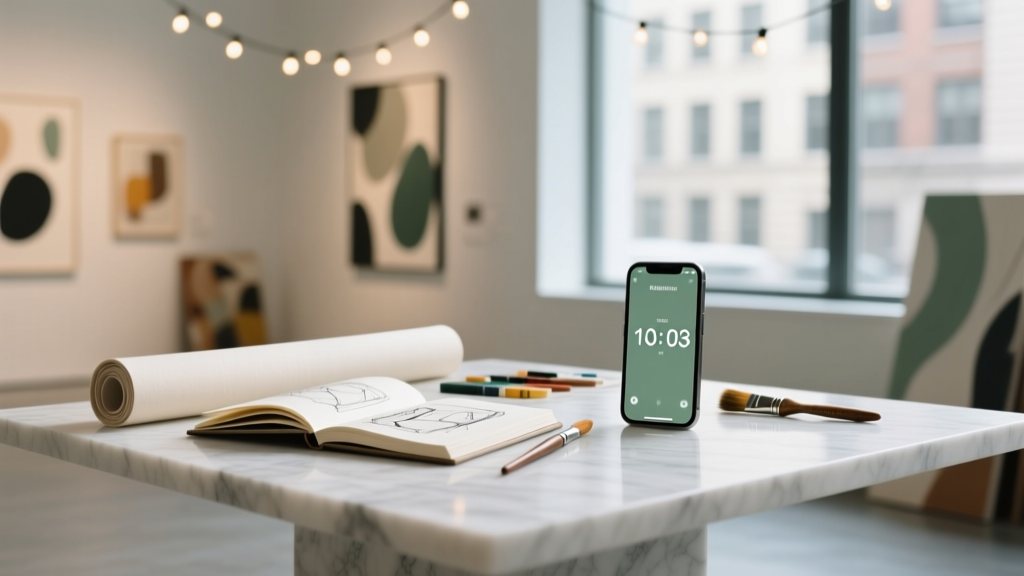
Last-Minute Art Exhibition Planning Tips: A Step-by-Step Guide to Pull Off a Professional Show Fast
Planning an art exhibition on a tight timeline can feel like sprinting through a maze: venue details, artwork logistics, signage, guest lists, lighting, and a hundred small decisions that suddenly become mission-critical. The good news is that a last-minute exhibition can still look polished, intentional, and press-worthy—if you prioritize the right tasks in the right order.
Proper planning matters because art events are experience-driven. Guests remember the flow of the space, the lighting, the clarity of labels, and whether they felt welcomed and guided. Artists remember professionalism: reliable communication, secure handling of work, and a smooth install. When time is limited, smart event coordination becomes less about perfection and more about building a simple, repeatable system that prevents avoidable mistakes.
This guide breaks down last-minute art exhibition planning into a practical timeline, checklists, budget considerations, and real-world examples. Use it as your event planning playbook—whether you’re organizing a pop-up gallery, a group show, a solo exhibition, or a community fundraiser showcase.
First: Define the Exhibition “Non-Negotiables” (30 Minutes That Save Hours)
Before you book anything or message guests, lock in the essentials. Last-minute event planning works best when you eliminate decision fatigue early.
Your 5 Non-Negotiables
- Purpose: Sales, community visibility, portfolio exposure, fundraiser, press, or private collector preview.
- Format: Pop-up one-night show, weekend exhibition, ticketed opening, or open studio.
- Artwork count and type: Wall pieces, sculptures, digital screens, performance, installations.
- Location and date: Venue secured or still pending? Confirm the date before promoting.
- Guest experience: Cocktail reception, artist talk, guided tour, live demo, or casual walk-through.
Quick Decision Framework (Use This When You’re Stuck)
- If it affects art safety, do it first.
- If it affects guest flow, do it next.
- If it affects sales/lead capture, do it next.
- Everything else is “nice-to-have.”
Last-Minute Planning Timeline (7 Days, 72 Hours, and Day-Of)
This timeline assumes you have 7 days. If you have less time, start at the closest phase and compress.
7 Days Out: Lock the Foundation
- Confirm venue and hours: access times, load-in rules, wall restrictions, insurance requirements.
- Create a simple floor plan: sketch layout, entry/exit flow, check-in table, featured wall, beverage area.
- Finalize artwork list: titles, sizes, mediums, prices, and whether pieces are framed/ready to hang.
- Assign roles: lead coordinator, install lead, check-in/guest host, sales desk, runner (supplies/fixes).
- Set your budget ceiling: decide what you can spend total and what must be donated/sponsored.
5–6 Days Out: Build the Guest and Promotion Engine
- Create event listing: name, date/time, venue address, parking tips, accessibility notes.
- Send invitations: email + text to warm contacts; social posts with clear call-to-action.
- Press and partners: pitch local arts calendars, community newsletters, coworking spaces, cafés, universities.
- Sales system: choose payment options (card reader, QR code, invoice, cash box), decide commission structure.
- Photography plan: hire a photographer for 1–2 hours or assign a team member with a shot list.
3–4 Days Out: Confirm Vendors and Print Essentials
- Lighting check: do you need clip lights, track lights, LED panels, or simply bulbs swapped?
- Print: labels, price list, checklist, signage (restroom, check-in, “please do not touch”).
- Refreshments: confirm drinks/snacks, cups/napkins, ice plan, trash/recycling.
- Music and ambiance: curated playlist; keep volume conversation-friendly.
- Safety items: extension cords, gaffer tape, cable covers, first-aid kit.
48–72 Hours Out: Pre-Install and Final Confirmation
- Do a venue walk-through: measure walls, test outlets, check lighting, note problem areas.
- Prepare artwork for install: D-rings/wire, labels attached to back, cleaning cloths, gloves.
- Build a run-of-show: arrival times, doors open, remarks/artist talk, last call, breakdown.
- Confirm staff and artists: everyone gets a schedule, dress code, and contact list.
- Pack kits: tools, signage, admin/sales supplies, hospitality bin.
Day-Of: Execute Like a Pro
- Install early: start with anchor pieces, then fill, then adjust spacing.
- Label as you go: avoid “we’ll do it later” (later disappears).
- Test guest flow: walk the space as a visitor; ensure clear entry, checkout, and restroom directions.
- Set up check-in + lead capture: clipboard, QR code, or tablet form for emails/Instagram.
- Pre-event huddle: roles, emergency plan, how to handle sales questions, how to protect artwork.
- During event: keep one person floating for troubleshooting; rest focus on hosting.
- Close-out: sales reconciliation, artwork condition check, teardown plan, cleanup checklist.
Fast Exhibition Checklist (Copy/Paste Friendly)
Venue & Logistics
- Signed agreement or written confirmation
- Load-in/load-out times
- Wall/hanging rules (nails, hooks, adhesive allowed?)
- Insurance coverage clarified
- Parking, accessibility, restroom access
- Floor plan + install plan
Artwork & Display
- Artwork inventory list (title, size, medium, price)
- Hanging hardware, hooks, nails, level, measuring tape
- Pedestals or tables for 3D work
- Labels and price list printed
- Lighting tested and adjusted
Guest Experience
- Check-in table + signage
- Lead capture method (QR form, clipboard, newsletter signup)
- Music playlist + backup speaker
- Photo moment area (simple backdrop or well-lit wall)
- Refreshments + trash plan
Sales & Admin
- Payment methods (card, QR pay, cash)
- Receipt/invoice template
- Sold stickers + buyer info cards
- Packaging materials (bags, bubble wrap, corners)
- Pickup/delivery policy and timelines
Budget Considerations: What to Spend On When Time Is Short
Last-minute event budgets often grow through “panic purchases.” Keep spending focused on what guests see and what protects the artwork.
Quick Budget Breakdown (Example: $1,500 Pop-Up Show)
- Venue / permit / insurance: $400
- Lighting + display rentals: $250
- Printing (labels, signage, programs): $120
- Hospitality (drinks/snacks/ice/cups): $220
- Marketing (boosted posts, flyers): $150
- Photography (1–2 hours): $250
- Contingency (10%): $110
Cost-Saving Moves That Still Look Premium
- Use QR codes for digital catalogs instead of full programs.
- Batch print labels on cardstock; use consistent formatting for a gallery feel.
- Partner for refreshments: a local café or beverage brand supplies product for visibility.
- Rent, don’t buy pedestals/track lights if you don’t plan future shows soon.
- Focus décor on lighting: great lighting beats extra decorations in an exhibition.
Vendor Selection Tips (Fast, Reliable, and Professional)
When you’re coordinating an event quickly, vendor reliability matters more than endless options. Prioritize vendors who communicate clearly and can execute with minimal back-and-forth.
How to Choose Vendors in 15 Minutes
- Check availability first (date/time load-in matters).
- Request 2–3 photos of recent similar work (lighting setups, catering trays, signage installs).
- Confirm delivery windows and who handles setup/breakdown.
- Get all-in pricing (tax, delivery, service fees, overtime rates).
- Ask one risk question: “What could go wrong, and how do you prevent it?”
Vendors That Make the Biggest Difference for Art Exhibitions
- Lighting/display rental: transforms the space quickly.
- Printer/sign shop: same-day labels and clean signage reduce confusion and elevate credibility.
- Photographer/videographer: content is a long-term asset (especially for artists and future sponsorship).
- Security/attendant support: important for high-traffic openings or valuable works.
Real-World Last-Minute Examples (What “Good” Looks Like)
Example 1: 72-Hour Community Pop-Up in a Café
- Goal: visibility and email signups for future workshops.
- Smart move: limited works (12 pieces), all framed, consistent label templates, QR catalog.
- Result: clean install in 2 hours, strong foot traffic, easy sales conversations at a single checkout point.
Example 2: One-Week Corporate Lobby Exhibition
- Goal: professional exposure; potential commissions.
- Smart move: scheduled mini “walk-and-talk” during lunch hour, sign-in for contact capture.
- Result: higher-quality leads and better engagement than a single crowded opening.
Current Event Planning Trends to Use (Without Overcomplicating)
- QR-first guest experience: digital catalogs, artist statements, and price lists via QR reduce printing and allow real-time updates.
- Content capture built into the plan: a short shot list (arrivals, wide room shots, close-ups, artist interactions) ensures you leave with usable marketing assets.
- Micro-moments: short artist talk, live demo, or timed “spotlight tour” gives guests a reason to stay longer.
- Inclusive access: clear signage, accessible pathways, and readable labels are now expected in professional event coordination.
Common Last-Minute Planning Mistakes (And How to Avoid Them)
1) Promoting Before Confirming the Basics
- Avoid: posting a date/time before venue access and install times are confirmed.
- Fix: lock logistics first, then publish.
2) Underestimating Install Time
- Avoid: assuming “we’ll hang it in an hour.”
- Fix: plan 2–4 hours for small shows; longer for group shows and 3D work.
3) Inconsistent Labels and Pricing
- Avoid: handwritten labels that vary in style or missing prices that slow sales.
- Fix: standardize format: Title / Year / Medium / Size / Price (or “NFS”).
4) No Sales Process (Even If Sales Aren’t the Main Goal)
- Avoid: guests asking “How do I buy?” and no one knows.
- Fix: one clear point person, one checkout spot, and a written pickup/delivery policy.
5) Skipping a Contingency Kit
- Avoid: scrambling for tape, a marker, or an extension cord mid-event.
- Fix: pack a kit with gaffer tape, command strips (if allowed), scissors, markers, extra hooks, microfiber cloth, batteries, and a phone charger.
FAQ: Last-Minute Art Exhibition Planning
How far in advance should I start planning an art exhibition?
Ideally 6–12 weeks for venues, marketing, and partnerships. If you’re in last-minute mode, focus on a streamlined show format: fewer pieces, simple layout, clear labels, and a tight run-of-show.
What’s the fastest way to make an exhibition look professional?
Lighting + consistent labels + clean spacing. Even in a non-traditional venue, these three elements instantly signal “gallery-level” organization.
Do I need insurance for a pop-up art show?
Many venues require event liability insurance. If artwork values are high, consider additional coverage for art/property. Confirm requirements with the venue in writing.
What refreshments work best for an opening reception on a budget?
Keep it simple and low-mess: sparkling water, wine/beer (if permitted), and bite-sized snacks. Avoid anything that stains easily near artwork, and plan for ice, cups, and trash bins.
How do I handle artwork sales and commissions?
Set terms upfront: pricing, payment methods, whether the venue takes a commission, and when buyers receive the work. Use a simple invoice/receipt template and mark pieces clearly as “SOLD.”
What should I collect from guests for follow-up?
Name + email at minimum, plus an opt-in for your newsletter. A QR signup form at check-in is fast and aligns with modern event planning trends.
Your Next Steps: A Simple Action Plan for the Next 24 Hours
- Confirm the venue (access times, rules, insurance, payment) and lock the date/time.
- Finalize the artwork list with prices and install needs.
- Draft your floor plan and assign roles to helpers.
- Create your event listing and send invitations to your warmest contacts first.
- Order/print essentials (labels, signage, QR catalog, checkout instructions).
- Pack your install + admin kit so event day is execution, not chaos.
If you’re building momentum fast, keep your planning system simple, your communication clear, and your guest experience intentional. A well-coordinated last-minute exhibition can be the start of a bigger series—especially when you capture contacts, content, and feedback for your next event.
Explore more event planning, party organization, and coordination guides at smartpartyprep.com to keep your next exhibition even smoother.
More Articles
 What Does the Republican Party Stand For in 2024? A Nonpartisan, Fact-Checked Breakdown of Core Principles, Platform Shifts Since Trump, and What Voters *Actually* Prioritize — Not Just Talking Points
 How to Say 'To Party' in Spanish (Without Sounding Awkward): The 7 Phrases Native Speakers Actually Use—Plus When to Use Each One Based on Context, Region, and Formality