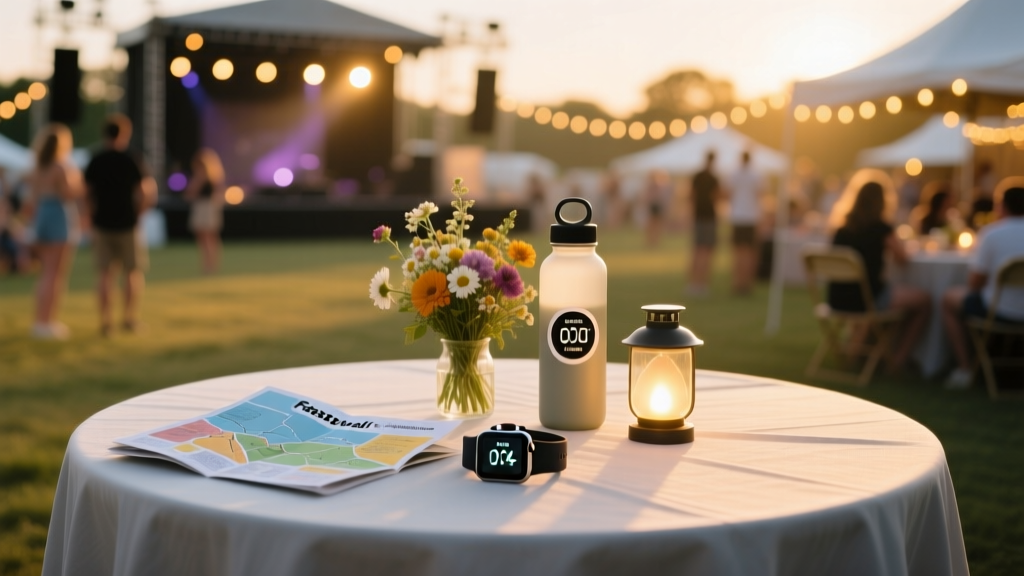
Last-Minute Music Festival Planning Tips
Planning a music festival on a short timeline can feel like trying to build a stage while the band is already tuning up. But last-minute doesn’t have to mean low-quality. With the right event planning strategy, clear priorities, and fast decision-making, you can coordinate a festival that feels intentional, safe, and genuinely fun for attendees.
Proper planning matters even more when time is limited because music festivals combine high-energy crowds, multiple vendors, sound production, permits, and safety requirements—often all at once. The difference between a smooth festival and a stressful one usually comes down to organization: a tight timeline, a realistic budget, reliable vendors, and a checklist-driven approach that keeps details from slipping through the cracks.
This guide breaks down step-by-step music festival planning tips for a last-minute scenario. You’ll find a practical timeline, budget breakdown ideas, vendor selection shortcuts, common mistakes to avoid, and real-world examples you can adapt for your event.
Start With a “Festival Snapshot” (30 Minutes That Save Hours)
Before you book anything, create a one-page festival snapshot. This keeps your event coordination decisions aligned and makes vendor conversations faster.
Your Festival Snapshot Should Include:
- Event goal: community fundraiser, brand activation, college event, ticketed mini-fest, etc.
- Date and time window: include load-in and load-out times.
- Target attendance: realistic number based on marketing reach and venue capacity.
- Location type: park, parking lot, private property, indoor warehouse, venue partnership.
- Format: single stage or two-stage, number of performers, DJ blocks, breaks.
- Non-negotiables: live sound quality, security staffing, accessible restrooms, on-time schedule.
- Budget range: maximum spend and minimum revenue target.
- Key decision-maker list: who approves spending, who speaks with vendors, who handles onsite ops.
Real-World Example: “The 10-Day Pop-Up Festival”
A local business alliance needed a 500-person evening festival in 10 days. Their snapshot clarified: one stage, four acts, local food trucks, and a family-friendly setup (early start, noise curfew). Because priorities were clear, they booked a small pro audio team, used an existing permitted plaza, and focused marketing on a tight radius using partners and QR flyers. The result felt curated—not rushed.
Lock the Big Rocks First: Venue, Permits, Sound, Safety
When time is short, focus on decisions that are hardest to change later. These “big rocks” determine what’s possible.
1) Venue or Site Confirmation
- Confirm capacity, noise restrictions, and curfew.
- Verify power availability (amps, lighting, vendor needs).
- Confirm restroom access or plan rentals.
- Ask about insurance requirements and site rules (fencing, alcohol, generators).
- Map load-in access for production and vendors.
2) Permits and Compliance
Requirements vary by city, but last-minute success depends on calling the permitting office early and being transparent about your scope.
- Special event permit (public space or street use)
- Noise permit or sound variance (if applicable)
- Temporary food permits for vendors (often handled by vendors, but you must confirm)
- Alcohol licensing/permits (if serving)
- Fire safety and occupancy rules
3) Sound and Stage Production
Attendees forgive a smaller lineup; they don’t forgive bad audio. For last-minute music festival planning, book production immediately.
- Choose one experienced production vendor who can provide PA, mics, monitors, basic lighting, and an A1 engineer.
- Use a standard stage plot and simplify input lists (fewer mics, fewer changeovers).
- Build 15–20 minute changeovers into the schedule unless you have a dedicated stage crew.
4) Crowd Management and Security
- Confirm a security provider familiar with festivals and entry management.
- Plan for bag checks, wristbands, and controlled entry points.
- Set an emergency action plan: severe weather, medical emergencies, lost child, crowd surge.
Last-Minute Festival Planning Timeline (2 Weeks to Event Day)
Use this timeline template as a checklist. Adjust based on whether you have 14 days, 10 days, or 72 hours—keep the order, compress the steps.
14–10 Days Out: Build the Framework
- Confirm venue/site access, capacity, curfew, and insurance
- Request permits and confirm city requirements
- Book production (sound/stage/lighting) and confirm power plan
- Finalize the lineup and performance schedule draft
- Secure key vendors: restrooms, security, barriers/fencing, medical
- Create a simple site map: stage, audience area, vendor row, entry, exits
- Set up ticketing (or RSVP) and wristband plan
9–7 Days Out: Operations + Vendor Coordination
- Confirm vendor arrival/load-in windows and onsite contacts
- Collect certificates of insurance (COIs) from vendors as required
- Create run-of-show (ROS) with set times, changeovers, announcements
- Lock in rentals: tents, tables, radios, signage, generators if needed
- Plan attendee flow: entry lanes, ticket scanning, ADA access
- Launch marketing push (partner posts, local groups, email list)
6–3 Days Out: Communication + Final Details
- Finalize site map and share with all vendors and staff
- Print signage: entry, exits, restrooms, first aid, schedule, rules
- Confirm staffing schedule and shift changes
- Send a “Know Before You Go” email to attendees:
- Parking/transit
- Allowed/prohibited items
- Set times
- Weather plan
- Accessibility info
- Confirm cashless plan for vendors (preferred) and contingency for card outages
48–24 Hours Out: Final Checks
- Reconfirm all vendor arrival times and onsite contact numbers
- Prepare staff packets:
- Site map
- Run-of-show
- Emergency plan
- Radio channels + call signs
- Key phone list
- Assemble event supplies kit:
- Gaff tape, zip ties, sharpies, scissors
- Extension cords, power strips (as approved by production)
- Wristbands, lanyards, clipboards
- Trash bags, paper towels, hand sanitizer
Event Day: Execution Checklist
- Site walk-through: confirm exits, signage, barriers, restrooms, first aid station.
- Production check: soundcheck schedule, stage safety, cable management.
- Vendor check-in: verify placement, power needs, safety compliance.
- Gates plan: staff positions, ticket scanning, wristband process, bag checks.
- Run-of-show management: time cues, changeovers, announcements, sponsor mentions.
- Incident logging: document issues and resolutions for post-event improvements.
- Load-out: confirm cleanup responsibilities and final venue walk-through.
Budget Considerations: Fast, Realistic, and Flexible
Last-minute event planning often costs more due to rush fees and limited vendor availability. Build a budget that prioritizes guest experience and safety first.
Simple Budget Breakdown (Example Percent Ranges)
- Production (sound/stage/lighting): 25–40%
- Talent (artists/DJs/MC): 15–35%
- Site + permits + insurance: 5–15%
- Security + medical + safety: 8–15%
- Rentals (tents, restrooms, barriers, generators): 10–20%
- Marketing + signage: 3–10%
- Staffing + operations (radios, supplies): 3–8%
- Contingency: 10–15%
Quick Cost-Control Tips
- Simplify staging: one stage, fewer changeovers, shared backline when possible.
- Use vendor partnerships: food trucks often require minimal infrastructure versus building concessions.
- Go cashless: reduces staffing and speeds up lines.
- Limit free extras: prioritize restrooms and shade over decorative builds.
- Bundle services: a single production company may cover sound, lighting, and staging more efficiently.
Vendor Selection Tips When You’re Short on Time
Vendor reliability matters more than perfect pricing in a compressed schedule. Choose pros who communicate clearly and can deliver under pressure.
Fast Vendor Vetting Checklist
- Response speed: do they reply within a few hours?
- Clarity: do they provide a written quote with scope and timing?
- Proof: can they share recent festival or large-event references?
- Redundancy: do they have backup equipment and staff?
- Insurance: can they provide COI quickly?
Smart Questions to Ask
- “What do you need from the venue to succeed (power, access, loading)?”
- “Who is the onsite lead, and what time do they arrive?”
- “What’s the weather plan—wind limits, rain procedures, tent requirements?”
- “What’s included vs. add-on (generators, barricade, stage decking, labor)?”
Site Layout and Guest Flow: Make It Feel Effortless
Even a small music festival can feel chaotic if the layout is unclear. Good festival planning prioritizes flow, visibility, and safety.
Layout Essentials
- Entry: clear queue lanes, visible signage, nearby bag check and ticket scanning.
- Stage viewing: avoid bottlenecks; keep walkways around the crowd.
- Vendors: place food and beverages along the perimeter to reduce crowd compression.
- Restrooms: easy to find, well-lit, stocked, and not directly next to food service.
- First aid: clearly marked and accessible to responders.
- Accessibility: ADA viewing area, accessible routes, and restrooms if required.
Trend to Use: QR Code Signage for Real-Time Info
Instead of reprinting schedules, place QR codes at entry and vendor areas linking to set times, maps, and updates. It’s a current event planning trend that reduces confusion and supports last-minute changes.
Marketing Fast: Fill the Crowd Without Overpromising
Last-minute event promotion works best when it’s targeted and repeatable.
High-Impact, Short-Timeline Marketing Moves
- Partner blasts: ask each artist, vendor, and sponsor to post twice (announcement + day-of reminder).
- Local SEO basics: consistent event name, location, date, and keywords like “live music,” “music festival,” and your city name.
- Clear value message: “4 local bands, food trucks, craft vendors, 5–10 PM, all-ages.”
- Ticket urgency: early pricing ends 48 hours before, or limited capacity messaging if true.
- Street-level visibility: posters with QR codes near the venue and partner businesses.
Common Last-Minute Music Festival Planning Mistakes to Avoid
- Booking talent before confirming production: your lineup depends on stage, sound, and schedule realities.
- Ignoring power planning: underpowered setups cause outages and delayed sets. Confirm loads and distribution early.
- Underestimating entry lines: not enough scanners or staff creates a bad first impression and safety risk.
- No contingency budget: last-minute rentals, extra security, or weather needs happen—plan 10–15%.
- Overcomplicated schedules: too many acts with tight changeovers leads to delays. Fewer sets, better flow.
- Unclear vendor instructions: missing load-in details causes traffic jams and late openings.
- Skipping a formal run-of-show: even a simple one-page ROS prevents confusion at showtime.
Mini Templates You Can Copy
One-Page Run-of-Show (Example)
- 12:00 PM – Production load-in
- 2:00 PM – Soundcheck (Act 1)
- 2:30 PM – Soundcheck (Act 2)
- 3:00 PM – Vendors load-in complete
- 4:30 PM – Gates open
- 5:00 PM – Act 1
- 5:45 PM – Changeover
- 6:05 PM – Act 2
- 6:50 PM – Changeover
- 7:10 PM – Act 3
- 7:55 PM – Changeover
- 8:15 PM – Headliner
- 9:30 PM – Final announcement / last call
- 10:00 PM – Music ends (curfew)
- 10:15 PM – Load-out begins
Vendor Load-In Message (Copy/Paste)
- Arrival window: 1:30–3:00 PM (no entry after 3:00 PM)
- Check-in: Gate B, ask for Vendor Coordinator
- Parking: vendor lot on 3rd Street (map link)
- Power: limited; bring your own quiet generator unless confirmed
- Service times: 4:30–9:30 PM
- Departure: no vehicles move until crowd clears; load-out starts 10:15 PM
FAQ: Last-Minute Music Festival Planning
How fast can a music festival realistically be planned?
A small-to-mid-size festival (200–1,000 attendees) can be planned in 1–3 weeks if you secure a permitted site, book production early, and simplify the format. If permits are complex, partnering with an existing venue can dramatically reduce timeline risk.
What should I prioritize if my budget is limited?
Prioritize safety and guest experience fundamentals: professional sound, security, restrooms, and clear entry flow. Decorations and “nice-to-haves” come after the essentials are covered.
Do I need event insurance for a pop-up festival?
In most cases, yes—either the venue requires it or it’s a best practice for risk management. Many sites require general liability coverage and may request additional insured language. Confirm requirements early so you can obtain a policy quickly.
How many restrooms do I need?
Requirements vary by local code and event duration. As a practical planning rule, scale up restroom access when alcohol is served and when the event runs longer than a few hours. Your rental vendor can recommend quantities based on attendance and service style.
How do I keep the schedule on time?
Use a tight run-of-show, build in realistic changeovers, and assign a stage manager to cue performers. Sharing backline equipment and limiting complex setups also helps keep sets running smoothly.
What’s the easiest way to reduce day-of stress?
Centralize communication: one site map, one vendor arrival plan, one run-of-show, and a short all-staff briefing before gates open. Radios (or a dedicated group chat with clear rules) prevent constant scrambling.
Actionable Next Steps
- Create your one-page festival snapshot today and share it with your core team.
- Lock your venue/site and production vendor first—these drive most other decisions.
- Build a compressed timeline using the checklist above and assign owners to each task.
- Finalize a simple budget with a 10–15% contingency and confirm vendor scope in writing.
- Send clear instructions to artists and vendors so load-in and set times run smoothly.
For more practical event planning, party organization, and coordination guides—plus templates you can use right away—explore the latest resources on smartpartyprep.com.
More Articles
 How to Make Facebook Invitations for Parties: The 7-Step System That Cuts Planning Time by 65% (No Design Skills or Budget Needed)
 How Do I Change My Political Party in Florida? Here’s the Exact 4-Step Process (With Deadlines, Forms, and What Happens If You Miss the Primary Cut-Off)
Can You Play Teams on Mario Party Jamboree? Yes—Here’s Exactly How to Set Up 2v2, 3v1, & Custom Team Modes (No Guesswork, No Glitches)
What Caused the Rise of the Tea Party? Unpacking the Real Reasons Behind Its Modern Resurgence — From Victorian Tradition to Instagram-Worthy Celebrations in 2024
What Did Nick Reiner Say to Bill Hader at Party? The Unspoken Truth About Celebrity Encounters That Every Event Planner Needs to Know (And How to Prevent Awkward Moments)
What to Wear to a 90s Party Male: The 7-Item Minimal Checklist That Guarantees Instant Nostalgia (No Thrift Store Stress, No Cringe Factor)
How Do I Change My Political Party in Florida? Here’s the Exact 4-Step Process (With Deadlines, Forms, and What Happens If You Miss the Primary Cut-Off)
Can You Play Teams on Mario Party Jamboree? Yes—Here’s Exactly How to Set Up 2v2, 3v1, & Custom Team Modes (No Guesswork, No Glitches)
What Caused the Rise of the Tea Party? Unpacking the Real Reasons Behind Its Modern Resurgence — From Victorian Tradition to Instagram-Worthy Celebrations in 2024
What Did Nick Reiner Say to Bill Hader at Party? The Unspoken Truth About Celebrity Encounters That Every Event Planner Needs to Know (And How to Prevent Awkward Moments)
What to Wear to a 90s Party Male: The 7-Item Minimal Checklist That Guarantees Instant Nostalgia (No Thrift Store Stress, No Cringe Factor)
 What Political Party Does Chewy Support? The Truth Behind Corporate Donations, PAC Activity, and Why You’re Asking This Question Right Now — And What It Really Means for Pet Owners
Which political party supports death penalty? We analyzed 50 years of voting records, platform planks, and state-level ballot measures to reveal the real alignment — not the headlines — between party identity and capital punishment support.
What Political Party Does Chewy Support? The Truth Behind Corporate Donations, PAC Activity, and Why You’re Asking This Question Right Now — And What It Really Means for Pet Owners
Which political party supports death penalty? We analyzed 50 years of voting records, platform planks, and state-level ballot measures to reveal the real alignment — not the headlines — between party identity and capital punishment support.