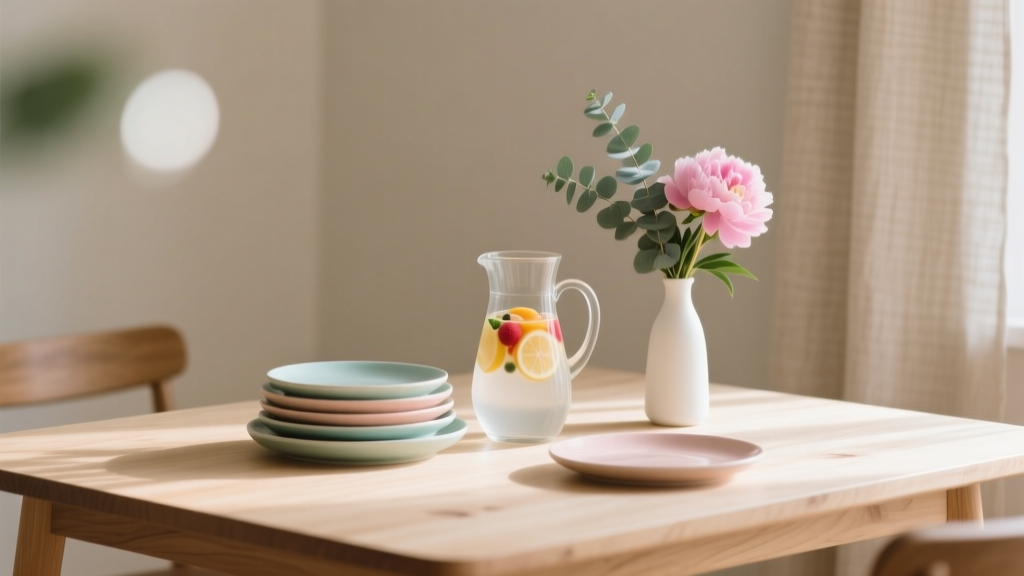
Last-Minute Brunch Event Planning Tips
A brunch event feels effortless when it’s done well—fresh food, bright light, relaxed conversation, and a schedule that doesn’t require guests to rush. Behind that “easy” vibe is smart event planning and coordination, especially when you’re organizing on a tight timeline. Whether you’re hosting a baby shower brunch, a networking brunch, a birthday celebration, or a bridal brunch, last-minute planning is absolutely doable when you focus on the decisions that move the event forward fastest.
Brunch is also uniquely forgiving: guests expect a casual pace, flexible menu, and a friendly atmosphere. That said, the details still matter. Seating flow, food timing, coffee logistics, dietary needs, and a clear run-of-show are what keep a brunch event from feeling scattered. With a few proven organizational strategies and a realistic checklist, you can create something polished—even if you’re starting late.
This guide breaks down a step-by-step planning timeline, budget considerations, vendor selection tips, common mistakes to avoid, and practical templates you can copy. The goal: help you plan a brunch event quickly without sacrificing style or guest experience.
Start With the Brunch Basics: Define the “Non-Negotiables”
When you’re planning last-minute, clarity beats complexity. Before you shop, book, or design anything, lock in five essentials:
- Date + start/end time: Brunch typically runs 2–3 hours. Common windows: 10:00 a.m.–12:30 p.m. or 11:00 a.m.–2:00 p.m.
- Guest count: Even a rough estimate helps you choose food format and seating.
- Location: Home, backyard, restaurant private room, community space, hotel meeting room, or coworking venue.
- Purpose + vibe: Celebratory, professional, family-friendly, upscale, casual, theme-based.
- Food + drink approach: Catered, restaurant set menu, potluck, brunch board grazing table, or hybrid.
Real-world examples of “non-negotiables”
- Baby shower brunch (20 guests, home): Buffet + mocktail bar, games limited to 15 minutes, comfortable seating.
- Networking brunch (35 guests, venue): Passed coffee/tea + light bites, structured welcome + 2 prompts for conversation.
- Birthday brunch (12 guests, restaurant): Prix fixe menu, cake service confirmed, reservation buffer for arrivals.
Last-Minute Planning Timeline (With Checklists)
Use the timeline that matches how much time you have. Each section includes high-impact checklist items that keep event organization under control.
If You Have 7 Days
- Day 7–6: Confirm logistics
- Set the guest list and send invites (text + email for speed)
- Lock venue or confirm home setup plan (indoor/outdoor backup)
- Choose a simple theme/color palette (2–3 colors max)
- Decide service style: buffet, plated, family-style, grazing
- Day 5–4: Book vendors + menu
- Order catering or place large pickup order with a bakery/deli
- Book photographer (optional) or assign a “photo friend”
- Rent/buy essentials: extra chairs, linens, coffee urn, glassware
- Collect dietary restrictions (quick form or group text)
- Day 3–2: Finalize event plan
- Create a 1-page run-of-show (arrival, food, toasts, activities)
- Make a shopping list by category (food, drinks, décor, disposables)
- Plan table layout and serving stations (coffee, water, food, trash)
- Confirm orders and pickup/delivery times
- Day 1: Prep + staging
- Pre-set tables, place settings, signage, and buffet labels
- Pre-wash fruit, prep garnishes, portion butter/jam if needed
- Chill drinks; set aside ice budget/time
- Pack an event kit (see checklist below)
- Event day: Execute
- Start coffee first; set water station early
- Put out shelf-stable items 30–45 minutes before guest arrival
- Hot food arrives last; maintain temperature with chafers or warmers
- Assign a helper to refill, clear, and reset (even for small events)
If You Have 48 Hours
- Hour 48–36: Make fast decisions
- Choose a “brunch formula” (see menu section below)
- Order from one primary vendor (restaurant or caterer) to reduce coordination
- Send a simple invite with start/end time, address, parking, and dress code
- Pick one focal décor moment (entry table, balloon cluster, or simple centerpiece)
- Hour 36–24: Shop + confirm
- Buy beverages, ice, fruit, bakery items, disposables if needed
- Confirm serving equipment: tongs, platters, coffee cups, napkins
- Create a quick seating plan only if necessary (otherwise, open seating)
- Hour 24–0: Set up and simplify
- Stage stations: coffee/tea, water, food, dessert, trash/recycling
- Pre-label dietary items (GF, DF, vegetarian, nut-free where applicable)
- Set a timer-based run-of-show so you’re not watching the clock
If You Have Same-Day (Yes, It Happens)
- Pick one: restaurant reservation, bakery pickup, or grocery catering tray order
- Choose a minimal menu: pastries + fruit + egg bites + coffee/tea
- Use disposables strategically: elevated paper goods or compostable plates to save time
- Create instant ambiance: a tidy space, background playlist, and fresh flowers
Brunch Menu Planning That Works Under Pressure
Brunch feels abundant when there are options, not when there are complicated recipes. For last-minute event planning, build your menu using a reliable structure:
The 1-2-2 Brunch Formula
- 1 “main”: quiche, breakfast casserole, frittata, chicken and waffles tray, breakfast tacos
- 2 “sides”: fruit platter, yogurt parfait cups, hash browns, salad, smoked salmon platter
- 2 “treats”: mini pastries, donuts, cinnamon rolls, muffin assortment
Beverage essentials (don’t underestimate these)
- Coffee plan: drip coffee + decaf + dairy + alt milk (oat is the current crowd-pleaser trend)
- Tea plan: 2–3 options (black, herbal, green)
- Hydration: water dispenser with citrus + sparkling water
- Optional bar: mimosa station or espresso martinis for later brunches (check venue policies)
Trend-forward brunch ideas that are still easy
- Brunch boards: grazing-style platters with pastries, fruit, cheeses, and spreads
- Mini foods: mini pancakes, bite-sized quiches, parfait cups for cleaner service
- Zero-proof options: mocktail spritz bar, cold brew with syrups, flavored lemonades
- Diet-friendly labeling: clear labels and at least one GF/DF option (guests notice)
Layout and Flow: The Secret to a “Feels Easy” Brunch
Most last-minute brunch issues aren’t about food—they’re about traffic jams. Use this simple flow plan:
- Welcome zone: greeting, cards/gifts (if applicable), quick signage
- Beverage station: set away from food so lines split
- Food station: plates first, then utensils/napkins at the end (faster movement)
- Seating clusters: mix of dining + lounge seating if space allows
- Clear bus area: one spot for used plates and trash so tables stay clean
Quick seating rule of thumb
- Provide seats for 80–100% of guests for a brunch event. If you’re short, add stools, benches, and a few standing cocktail tables.
Budget Breakdown: Where to Spend and Where to Save
A last-minute event budget can spiral fast if you start buying “just one more thing.” Use a simple percentage approach to stay organized.
Typical brunch event budget categories (percentages)
- Food + beverages: 45–60%
- Venue + rentals: 10–25% (often $0 for home events)
- Décor + florals: 5–15%
- Staffing/help: 5–15% (server, bartender, cleanup help)
- Entertainment + extras: 0–10% (photographer, favors, activities)
- Contingency: 5–10% (ice, last-minute utensils, delivery fees)
Sample budgets (realistic ranges)
- 12 guests at home: $250–$500 (grocery + bakery + simple florals)
- 25 guests catered at home: $700–$1,400 (drop-off catering + disposables + rentals as needed)
- 40 guests in a venue: $1,800–$4,000 (venue fee + catering minimums + staffing)
Smart ways to save without looking “cheap”
- Choose drop-off catering instead of full-service
- Use one statement floral arrangement and supplement with greenery
- Offer one signature drink rather than a full bar
- Use elevated disposables (matching plates/napkins) when rentals are stressful
Vendor Selection Tips for Last-Minute Brunch Events
When time is short, pick vendors who are responsive, clear, and operationally consistent—not necessarily the most “custom.”
Best vendor options when you’re planning fast
- Restaurants with large-order menus: trays, boxed brunches, private rooms
- Local bakeries: pastry assortments, mini desserts, custom message cookies
- Grocery catering: fruit, sandwich trays, salads, breakfast pastries
- Rental companies: tables, chairs, linen packages (ask for “event bundle” pricing)
Questions to ask vendors (copy/paste)
- What’s the order deadline and what’s the earliest pickup/delivery time?
- Do you provide serving utensils, warming pans, plates, napkins?
- What are the delivery fees and setup expectations?
- Can you accommodate allergies and provide labels?
- What is your cancellation/change policy for last-minute adjustments?
Your Last-Minute Brunch Event Checklist (Print-Friendly)
Event essentials
- Guest list + RSVP count
- Address + parking instructions
- Run-of-show schedule
- Weather backup plan (if outdoors)
Food + beverage
- Final menu + dietary notes
- Serving platters, tongs, spoons, knives
- Coffee: cups, stirrers, sugar, sweeteners, creamers
- Ice, coolers, water dispenser
- To-go containers (guests love leftovers)
Setup + décor
- Tablecloths/linens or runners
- Napkins + plates + utensils
- Centerpieces (flowers, candles, greenery)
- Simple signage: “Coffee,” “Gluten-Free,” “Cards,” “Gifts”
Event kit (your problem-solver bag)
- Tape, scissors, zip ties
- Sharpie + pens
- Stain remover, paper towels, disinfecting wipes
- Phone charger + extension cord
- Band-aids, pain reliever
Common Last-Minute Brunch Planning Mistakes (and Fixes)
- Mistake: Underestimating coffee needs.
Fix: Plan 1–2 cups per guest, plus decaf. Consider a coffee traveler box for speed. - Mistake: Putting drinks and food in the same line.
Fix: Split stations so guests aren’t waiting with empty plates. - Mistake: Too many homemade dishes.
Fix: Buy the “labor-heavy” items (pastries, quiche trays) and add one simple homemade touch. - Mistake: No plan for trash and clearing.
Fix: Add visible bins and assign one helper to reset every 15 minutes. - Mistake: Forgetting temperature control.
Fix: Use chafing dishes, slow cookers, or keep hot items in the oven on warm until service. - Mistake: Overcomplicating the schedule with too many activities.
Fix: Keep it to one highlight: toast, short game, or quick presentation.
FAQ: Last-Minute Brunch Event Planning
How far in advance should guests be invited for a last-minute brunch?
If you’re planning within a week, send invites immediately and follow up 24 hours later. For close friends/family, a group text works. For professional events, use email with a clear RSVP deadline.
What’s the easiest brunch format to execute quickly?
A buffet or grazing-style brunch is fastest. It reduces staffing needs, allows guests to eat on arrival, and is more forgiving if people arrive at different times.
How much food should I order per person for a brunch event?
Plan for 2–3 food items per guest plus fruit. If you have multiple entrée choices, you can reduce quantities slightly. For pastries, a good baseline is 1.5 pieces per person when paired with a savory main.
How do I accommodate dietary restrictions without creating a complicated menu?
Offer one vegetarian and one gluten-free or dairy-free option, then label everything clearly. A fruit platter, green salad, and egg-based dish can cover many needs.
Should I hire help for a small brunch?
If you have 15+ guests, consider hiring a helper for 3–4 hours or assigning two reliable friends to roles (refill beverages, clear plates). It dramatically improves hosting experience and guest flow.
What are the top “last-minute saves” if something goes wrong?
Have delivery apps bookmarked, keep extra ice and sparkling water, and use a simple backup dessert (store-bought cake or cookie tray). Most guests remember how the event felt, not whether every detail matched.
Next Steps: A Simple Plan You Can Follow Today
- Pick your time window (2–3 hours) and confirm guest count.
- Choose your menu formula (1 main, 2 sides, 2 treats) and place orders.
- Map your stations (welcome, drinks, food, seating, clearing) to prevent bottlenecks.
- Use a tight checklist and build a small contingency budget for ice, supplies, and fees.
- Delegate one role (refills/clearing) so you can actually host.
A last-minute brunch can still feel intentional, stylish, and well-coordinated when you prioritize flow, simplify the menu, and follow a clear timeline. For more practical party organization templates, vendor tips, and event coordination guides, explore the planning resources on smartpartyprep.com.
More Articles
 What political party does the ACLU support? The truth — they don’t back any party, and here’s exactly how their strict nonpartisan mission shapes every lawsuit, lobbying effort, and public campaign you’ve seen.
Is Garden of Life Third Party Tested? The Truth Behind Their Certifications — What Independent Lab Reports Reveal About Purity, Potency, and Hidden Contaminants You’re Not Seeing on the Label
How Does the Military Vote by Party? Debunking the Myth That Service Members Are Politically Homogeneous — What Data, Ballots, and Deployment Realities Actually Reveal
What political party does the ACLU support? The truth — they don’t back any party, and here’s exactly how their strict nonpartisan mission shapes every lawsuit, lobbying effort, and public campaign you’ve seen.
Is Garden of Life Third Party Tested? The Truth Behind Their Certifications — What Independent Lab Reports Reveal About Purity, Potency, and Hidden Contaminants You’re Not Seeing on the Label
How Does the Military Vote by Party? Debunking the Myth That Service Members Are Politically Homogeneous — What Data, Ballots, and Deployment Realities Actually Reveal
 What Is Project X Party? The Truth Behind the Viral Teen Celebration Trend — Why 73% of Parents Get It Wrong (And How to Plan One That’s Safe, Legal & Actually Fun)
Who Is Nancy Dressed As at the Halloween Party? The Real Reason Her Costume Sparked 12K+ Memes (And How to Nail Thematic Costuming Like Stranger Things Did)
What Was the Outcome of the Boston Tea Party? The 5 Unintended Consequences That Ignited a Revolution (and Why Every Educator & Event Planner Needs to Know Them)
What Is Project X Party? The Truth Behind the Viral Teen Celebration Trend — Why 73% of Parents Get It Wrong (And How to Plan One That’s Safe, Legal & Actually Fun)
Who Is Nancy Dressed As at the Halloween Party? The Real Reason Her Costume Sparked 12K+ Memes (And How to Nail Thematic Costuming Like Stranger Things Did)
What Was the Outcome of the Boston Tea Party? The 5 Unintended Consequences That Ignited a Revolution (and Why Every Educator & Event Planner Needs to Know Them)