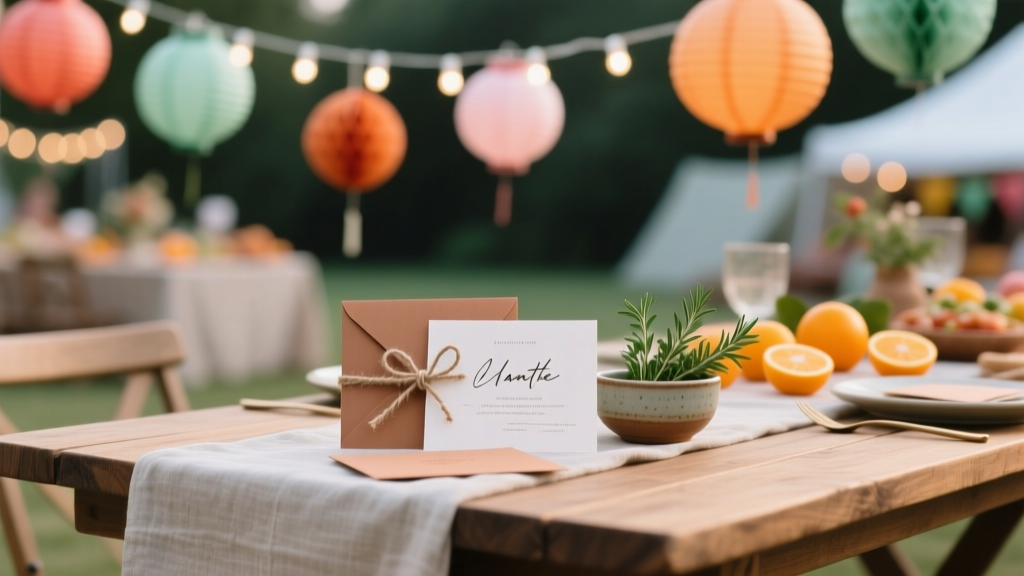
How to Send Invitations for a Food Festival
A food festival is one of the most rewarding event concepts to plan—people arrive ready to explore, taste, and share. It’s also one of the easiest events to mismanage if the invitation process is unclear. Unlike a dinner party where you can text ten friends, food festivals involve multiple audiences (guests, VIPs, vendors, sponsors, media, volunteers) and multiple “calls to action” (buy tickets, reserve tasting slots, apply as a vendor, share on social media, or RSVP for a complimentary pass).
Proper invitation planning does more than fill your attendance goal. It sets expectations about timing, pricing, dietary accommodations, entry rules, and what makes your festival special. It also protects your budget: the earlier you forecast attendance, the better you can negotiate with vendors, size staff and rentals, and avoid last-minute spending.
This guide walks you through a practical, step-by-step invitation strategy for a food festival—complete with timelines, checklist items, budget considerations, and real-world examples you can copy for your own event planning and coordination workflow.
1) Start With Your Invitation Strategy (Before You Design Anything)
Define the festival “why” and the experience promise
Your invitation should communicate a clear value in one sentence. Examples:
- Neighborhood Street Food Fest: 25 local vendors + live music + family-friendly activities
- Farm-to-Table Showcase: chef demos, seasonal tasting bites, and local farm partnerships
- Chili & BBQ Throwdown: people’s choice voting, beer garden, and pitmaster meet-and-greets
Choose the event format (this changes what you ask guests to do)
- Ticketed entry + pay per item: invitations focus on date/time, entry price, vendor list hype, and parking
- All-inclusive tasting: invitations must clearly state what’s included, tasting session times, and capacity limits
- Timed entry (sessions): invitations must drive guests to select a time slot to control crowds
- Free community festival: invitations should prioritize sponsor visibility, vendor recruitment, and volunteer sign-ups
Clarify who you’re inviting
Segmenting your guest list is one of the most proven organizational strategies in event planning. Each group needs different information.
- General attendees: ticket link, pricing tiers, entry rules, accessibility, weather plan
- VIPs/press: check-in details, media kit, private preview hours, point of contact
- Vendors: application link, booth fees, load-in/load-out, permits, power/water options
- Sponsors: activation details, logo deadlines, deliverables, expected attendance
- Volunteers/staff: shift schedules, training, check-in location, meal plan
2) Build the Guest List and Choose Your Invitation Channels
Create one master list—then tag and filter
Use a spreadsheet or CRM-style list with tags. Recommended columns:
- Name
- Phone (optional for SMS reminders)
- Segment (Attendee / VIP / Press / Vendor / Sponsor / Volunteer)
- Source (newsletter, prior event, partner org, walk-in list)
- Status (Not Sent / Sent / Opened / RSVPed / Ticket Purchased)
- Notes (dietary, accessibility needs, media outlet, sponsor level)
Pick channels based on audience behavior (current trends)
Event invitation trends favor multi-channel coordination: email for detail, social for discovery, SMS for reminders.
- Email invitations: best for ticket links, FAQs, and sponsor visibility
- Event platform pages: best for ticketing, session selection, waiver collection
- Social media: best for reach and urgency (vendor spotlights, countdowns)
- SMS: best for last-week reminders and day-of updates (parking, weather)
- Printed invitations/postcards: best for VIPs, sponsors, community bulletin boards, and local partnerships
Real-world example: channel mix for a 1,000-guest festival
- Email campaign to local foodie list and partner newsletters
- Instagram + TikTok vendor highlight series (3–4 weeks)
- Facebook Event page for community sharing
- Printed VIP invitations for sponsors, chefs, and local officials
- SMS reminders to ticket buyers 48 hours and 4 hours before gates open
3) What Every Food Festival Invitation Must Include
Core details (non-negotiable)
- Event name + theme: make it searchable and memorable
- Date + start/end time: include time zone if online ticketing reaches beyond your area
- Location: address + map link + entry gate/check-in point
- Ticket or RSVP link: one clear call to action
- Price details: early-bird, general admission, VIP, at-the-door (if applicable)
- What’s included: tastings, beverage tickets, demos, live music, kids’ area
- Food and drink notes: alcohol rules, ID requirements, outside food policy
- Accessibility: ADA access, quiet area (if offered), service animal policy
- Weather plan: rain or shine, covered areas, refund policy
- Contact info: email for questions and a link to FAQs
Food festival-specific details guests appreciate
- Parking/transit details (plus rideshare drop-off pin)
- Cashless policy (tap-to-pay, cards accepted) and onsite ATM info
- Dietary options callout (vegan, gluten-free, halal/kosher availability if confirmed)
- Capacity notes (limited tasting tickets, timed sessions)
- Small print: photography policy, pet policy, bag policy
4) Step-by-Step Invitation Timeline (With Checklist)
This planning timeline assumes your festival is 8–10 weeks away. If you have more time, spread out the steps; if you have less, keep the order and compress the dates.
8–10 weeks before: lock the basics and build the infrastructure
- Confirm venue contract, permits, and capacity
- Finalize event format: ticket types, session times, vendor count target
- Choose your ticketing/RSVP platform and set up the event page
- Create master guest list with segments and tags
- Draft invitation copy and FAQs (parking, weather, refunds, accessibility)
- Design brand assets: logo lockup, banner, vendor highlight templates
6–8 weeks before: send the “Save the Date” and start vendor recruitment
- Send Save the Date email to your full audience
- Send a separate vendor invitation/application to targeted vendors and culinary partners
- Post initial social announcements and create a shareable event link
- Ask partners (farms, restaurants, breweries) to share to their lists
4–6 weeks before: launch ticket sales and targeted invites
- Send official invitation with early-bird pricing deadline
- Send VIP invitations (sponsors, judges, press) with special check-in instructions
- Begin weekly vendor spotlights (great for SEO and social proof)
- Confirm email automation: purchase confirmation, reminder, and day-of info
2–4 weeks before: urgency and clarity
- Send a “What to Expect” email (parking, entry rules, schedule highlights)
- Send a last call for early-bird and then a price change announcement
- Publish a vendor list or interactive map preview
- Start SMS opt-in for ticket buyers (optional but effective)
7 days before: reduce questions and prevent no-shows
- Send final info email with:
- check-in instructions
- parking and transit
- schedule highlights
- weather plan
- FAQ link
- Confirm VIP/press list and send a direct contact number for day-of coordination
- Post a countdown and “top 5 things to bring” (ID, reusable bottle if allowed, sunscreen, etc.)
48 hours + day-of: reminders and real-time updates
- SMS reminder to ticket holders (gates open time, parking link)
- Day-of message: “Doors open at X,” “Use Gate B,” “Rain plan active,” etc.
- Have a staffed info inbox for last-minute questions
Invitation checklist (copy/paste)
- Event page created and tested (mobile checkout included)
- Ticket types and capacity limits confirmed
- Invitation copy written for each segment
- Save the Date sent
- Official invitation sent with clear CTA
- Reminder schedule set (email + optional SMS)
- Vendor and sponsor invites sent and tracked
- FAQ page published and linked in every email
- Day-of contact plan and signage aligned with invitation instructions
5) Budget Considerations for Invitations and Guest Communications
Invitations can quietly eat your budget—especially when you add printing, postage, and last-minute ads. Build a communications budget early so you can invest where it matters most: ticket conversion and attendance.
Typical invitation/marketing budget breakdown (example)
For a mid-size food festival budget of $15,000–$40,000, a common range for marketing + invitations is 8%–15%. Here’s a practical example of a $3,500 communications budget:
- Email platform and automation: $50–$200
- Ticketing platform fees: varies (often passed to buyer, but plan for some costs)
- Graphic design templates: $200–$600
- Printed VIP invites + postcards: $250–$800
- Local ads/social boosts: $800–$1,500
- Signage that matches invitation details: $600–$1,200
Smart ways to save without looking cheap
- Use digital invitations for general admission; reserve print for VIPs and sponsors
- Build a single FAQ page and link it everywhere to reduce customer support time
- Ask vendors to co-promote (provide them a branded toolkit to share)
- Create a reusable invitation template for future festivals
6) Vendor Selection Tips That Improve Invitation Success
Invitations sell the promise; vendors deliver it. Strong vendor curation is one of the fastest ways to improve ticket sales and reduce refunds.
Choose vendors with audience pull
- Prioritize vendors with an engaged local following
- Mix “anchor” vendors (popular favorites) with emerging concepts (new energy)
- Balance cuisine variety to reduce long lines at a single booth
Invite vendors with clear requirements (so your event stays organized)
- Include booth fee, what’s provided (tent/table/power), and health permit expectations
- Set deadlines for menu submission (helps you market dietary options)
- Require proof of insurance if applicable
Real-world example: vendor-driven invitation copy
Instead of “Lots of food,” use:
- “Taste signature bites from 18 local restaurants, including three James Beard-nominated chefs.”
- “Vegan row featuring six plant-based vendors, plus gluten-free dessert options.”
- “Live chef demo stage every hour—seating is first-come, first-served.”
7) Common Invitation and Planning Mistakes to Avoid
- Sending one generic invitation to everyone: vendors, VIPs, and ticket buyers need different instructions.
- Unclear call to action: don’t make guests hunt for the ticket link or RSVP button.
- Forgetting capacity controls: if you need timed sessions, your invitation must drive that choice early.
- Overpromising: don’t advertise “unlimited tastings” if vendors can’t support it.
- No parking plan in writing: parking confusion becomes your biggest day-of complaint.
- Ignoring accessibility and family needs: include ADA info, stroller-friendly notes, and kids’ pricing if relevant.
- Not planning for weather messaging: guests want clarity, not surprises.
- Last-minute vendor list: vendor spotlights are a key ticket driver; start early.
8) Practical Invitation Templates (Quick Examples)
General admission email (short and clear)
Subject: [Festival Name] Tickets Are Live: Taste Local, Live Music, One Big Day
Body:
Join us for [Festival Name] on [Date] at [Venue]. Explore bites from [#] local vendors, chef demos, and live entertainment.
Tickets: Early-bird pricing ends [Deadline].
Buy tickets: [Link]
What to know: Cashless event • ID required for alcohol • Rain or shine
Details + FAQs: [Link]
VIP invitation (more hosted, more detailed)
Subject: You’re Invited: VIP Preview Hour at [Festival Name]
Body:
We’d love to host you at [Festival Name] for our VIP preview hour on [Date].
VIP Check-in: [Location/Gate] at [Time]
Includes: dedicated tasting access, reserved seating at demos, and VIP lounge refreshments
RSVP by: [Date] • [RSVP Link]
Your day-of contact: [Name + Phone]
FAQ: Sending Invitations for a Food Festival
1) When should I send invitations for a food festival?
Send a Save the Date 6–8 weeks before, then your official invitation 4–6 weeks before. Follow with reminders at 2–4 weeks, 7 days, and 48 hours/day-of for best attendance.
2) Should I use RSVPs or ticketing?
If capacity, tastings, or entry control matters, use ticketing—even for free entry (free tickets help manage headcount). RSVPs work for smaller, invite-only tastings or VIP receptions.
3) How do I prevent overcrowding and long lines through invitations?
Use timed entry sessions, communicate peak hours, and set expectations (“arrive early for shorter lines”). If you offer all-inclusive tastings, cap tickets per session and make the time-slot selection part of checkout.
4) What’s the best way to invite vendors?
Send a separate vendor invitation with a clear application form, booth fee details, what’s included (tent/power/water), permit requirements, and deadlines for menu submission and promotional assets.
5) Do printed invitations still matter?
Yes—for VIPs, sponsors, and community partners. Printed pieces also work well as local promotional postcards in cafes, gyms, and boutiques. For general admission, digital invitations are more trackable and budget-friendly.
6) What metrics should I track to know if my invitations are working?
Track email open rate, click-through rate to the ticket page, conversion rate (click to purchase), ticket sales by segment, and refund requests. Also track which vendor spotlights drive the most link clicks—this helps you refine promotion.
Next Steps: Your Invitation Plan for a Smooth, Well-Attended Festival
- Pick your event format and capacity controls (especially timed sessions)
- Segment your audience and write tailored invitations for each group
- Build a communications timeline with automated reminders
- Budget for both digital invites and on-site signage that matches your messaging
- Promote vendors early and consistently to drive ticket conversions
If you want more step-by-step event planning, party organization, and event coordination tools—timelines, checklists, vendor planning guides, and day-of run sheets—explore more resources at smartpartyprep.com.
More Articles
 How to Train Your Dragon Party: The 7-Step Stress-Free Blueprint (No Fire-Breathing Required!) — From Concept to Confetti in Under 3 Hours
 What Was the Boston Tea Party All About? 7 Truths You’ve Never Heard (Spoiler: It Wasn’t Just Tea — It Was a Brilliant, High-Stakes Act of Strategic Theater That Changed History)
How to Plan a Very Messy Tea Party That’s Joyfully Chaotic (Not Disastrously Uncontrolled): 7 Proven Tactics from Real Hosts Who’ve Done It Twice
How to Change Party Affiliation in NC Without Missing the Deadline: A Step-by-Step Guide That Takes Less Than 10 Minutes (Plus What Happens If You Wait Until After Primary Registration Closes)
Is Party Legit? 7 Red Flags You’re Booking a Scam (and How to Verify Real Vendors in Under 5 Minutes)
Has a third party candidate ever won? The shocking truth: only one person in 248 years broke the two-party lock—and here’s exactly how it happened, why it hasn’t repeated, and what modern third-party campaigns get catastrophically wrong.
What Was the Boston Tea Party All About? 7 Truths You’ve Never Heard (Spoiler: It Wasn’t Just Tea — It Was a Brilliant, High-Stakes Act of Strategic Theater That Changed History)
How to Plan a Very Messy Tea Party That’s Joyfully Chaotic (Not Disastrously Uncontrolled): 7 Proven Tactics from Real Hosts Who’ve Done It Twice
How to Change Party Affiliation in NC Without Missing the Deadline: A Step-by-Step Guide That Takes Less Than 10 Minutes (Plus What Happens If You Wait Until After Primary Registration Closes)
Is Party Legit? 7 Red Flags You’re Booking a Scam (and How to Verify Real Vendors in Under 5 Minutes)
Has a third party candidate ever won? The shocking truth: only one person in 248 years broke the two-party lock—and here’s exactly how it happened, why it hasn’t repeated, and what modern third-party campaigns get catastrophically wrong.
 How to Found a Political Party: A Step-by-Step Legal, Strategic & Practical Blueprint (No Law Degree Required — Just Clarity, Courage & This Checklist)
Where to Stay in Nashville for a Bachelorette Party: The 7-Step Lodging Playbook That Prevents Last-Minute Panic, Avoids Overpriced 'Party Trap' Rentals, and Guarantees Walkable Access to Honky-Tonks, Rooftops & Secret Speakeasies (2024 Verified)
How Do You Party Without Stress, Overspending, or Awkward Silences? The Real-World Event Planner’s 7-Step Framework for Memorable, Inclusive, Low-Effort Celebrations That Actually Feel Fun (Not Forced)
How to Found a Political Party: A Step-by-Step Legal, Strategic & Practical Blueprint (No Law Degree Required — Just Clarity, Courage & This Checklist)
Where to Stay in Nashville for a Bachelorette Party: The 7-Step Lodging Playbook That Prevents Last-Minute Panic, Avoids Overpriced 'Party Trap' Rentals, and Guarantees Walkable Access to Honky-Tonks, Rooftops & Secret Speakeasies (2024 Verified)
How Do You Party Without Stress, Overspending, or Awkward Silences? The Real-World Event Planner’s 7-Step Framework for Memorable, Inclusive, Low-Effort Celebrations That Actually Feel Fun (Not Forced)