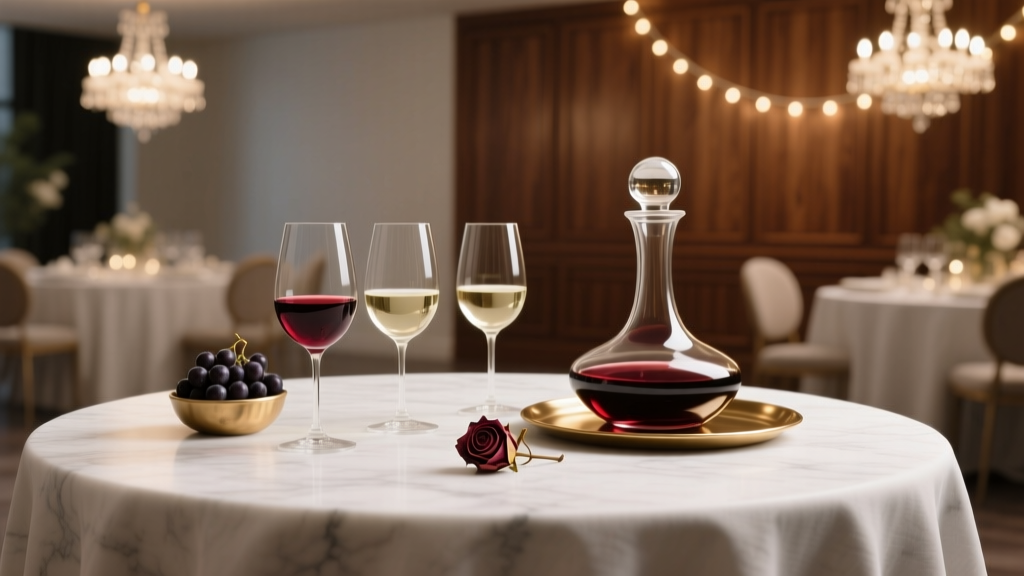
How to Plan a Wine Tasting Like a Pro
A wine tasting can feel effortless for guests—beautiful pours, thoughtful pairings, and a relaxed flow from one glass to the next. Behind the scenes, though, the best tastings are the result of clear event planning, smart party organization, and tight coordination. When you plan with intention, you control the pace, prevent over-pouring, reduce waste, and create a memorable experience that feels curated rather than chaotic.
Proper planning also protects your budget and your reputation as host. Wine is one of the easiest event elements to overspend on, and tastings can go off-track quickly without a timeline, a serving strategy, and a simple system for guiding guests. With the right structure—plus a few pro-level touches—you can host an event that feels like a private winery experience, whether it’s in a living room, backyard, office lounge, or venue.
This guide walks you through a step-by-step planning timeline, practical checklists, budgeting and vendor tips, current event planning trends, and the most common mistakes to avoid.
Step 1: Define the Purpose and Style of Your Wine Tasting
Start by choosing what kind of wine tasting event you’re hosting. Your purpose sets the “rules” for everything else: guest count, venue, wine selection, food, staffing, and even the pace.
Choose a tasting format
- Classic flight tasting: 4–6 wines served in a planned order with tasting notes.
- Theme tasting: A region (Napa, Bordeaux), grape (Pinot Noir), or style (sparkling, rosé).
- Blind tasting: Guests guess varietals/regions; great for interactive corporate events.
- Comparative tasting: Side-by-side comparisons (Old World vs. New World, oaked vs. unoaked).
- Wine + food pairing: Small bites matched to each pour for a more elevated experience.
- Walk-around stations: Multiple tasting tables; ideal for larger groups and open-house vibes.
Set the guest experience level
- Beginner-friendly: Clear tasting cards, simple descriptors, fewer wines, more guidance.
- Enthusiast: Structured comparisons, detailed notes, and a tighter pour plan.
- Premium: Library bottles, rare varietals, sommelier-led, intentional glassware.
Real-world example
Client-style planning scenario: A team appreciation event for 18 guests, hosted at a modern loft. Goal: relaxed but polished. Format: 5-wine flight (sparkling, white, rosé, two reds) + pairing board. A single host leads the tasting with a printed timeline, while one helper handles resets and water refills.
Step 2: Lock the Essentials (Date, Guest Count, Venue, Flow)
Professional event coordination starts with decisions that prevent last-minute changes. Make these four calls early.
Date and duration
- Ideal length: 90 minutes to 2 hours for a flight tasting; 2–3 hours for pairings or stations.
- Best start times: Weeknights 6:30–7:00 pm; weekends 4:00–6:00 pm for a “golden hour” vibe.
Guest count
- For a hosted tasting, 10–24 guests is the sweet spot for control and interaction.
- For stations, plan 25–60 guests with additional table space and helpers.
Venue and layout
- Seated tasting: One long table or two smaller tables; perfect for education and conversation.
- Standing tasting: Cocktail tables + stations; better flow for mingling.
- Must-haves: Good lighting, access to water, enough surfaces for glassware, and easy cleanup.
Event planning trend to use now: intentional pacing
Current event planning trends lean toward curated experiences rather than endless options. A shorter, well-paced flight (with strong storytelling and a snack strategy) often feels more “luxury” than a crowded table of random bottles.
Step 3: Build Your Wine Lineup Like a Pro
The wine selection is the backbone of your event plan. Keep it cohesive, balanced, and paced.
How many wines?
- Beginner-friendly: 4 wines
- Most events: 5 wines
- Enthusiast groups: 6 wines (consider smaller pours)
Standard tasting pour math
- Tasting pour: 2 oz per wine
- Five-wine flight per guest: 10 oz total (about 2 standard glasses)
- One 750ml bottle: ~25 oz = about 12 tasting pours (2 oz)
Quick rule: For a 5-wine flight, plan 1 bottle per wine for every 10–12 guests. Add one backup bottle per popular category (often the bold red).
Suggested flight order (classic and guest-friendly)
- Sparkling (Prosecco, Cava, Champagne)
- Light white (Sauvignon Blanc, Albariño)
- Fuller white or rosé (Chardonnay, Rhône white, dry rosé)
- Light-to-medium red (Pinot Noir, Grenache)
- Bold red (Cabernet Sauvignon, Syrah, Malbec)
Curate a theme that makes planning easier
- “Coastal Whites + Chillable Reds”: Fresh, modern, trend-forward.
- “Old World vs. New World”: Easy talking points; great for corporate events.
- “Women Winemakers” or “Sustainable/Organic Focus”: A current trend tied to values-based hosting.
Step 4: Pairings, Food Strategy, and Guest Comfort
You don’t need a full meal, but you do need a food plan. Food supports pacing, reduces over-intoxication risk, and makes the event feel intentional.
Simple pairing formula (low stress, high impact)
- Something salty: Marcona almonds, olives, pretzels
- Something creamy: Brie, triple-cream, hummus
- Something crunchy: crackers, crostini, sliced baguette
- Something savory: charcuterie, roasted mushrooms, prosciutto
- Something sweet: dark chocolate, dried figs (especially for reds)
How much food to buy?
- Light bites: 3–5 oz total food per person
- Hearty grazing: 6–10 oz per person
- If it replaces dinner: add substantial items (flatbreads, sliders, pasta cups)
Guest comfort checklist
- Water stations (still + sparkling)
- Dump buckets or discreet “rinse” cups
- Non-alcoholic options (NA sparkling, botanical soda)
- Clear signage for allergens (nuts, dairy, gluten)
Step 5: Supplies, Setup, and the “Pro Host” Details
The difference between a casual wine night and a professional-feeling tasting is often the setup.
Essential supplies list
- Wine glasses (1 per guest minimum; 2 per guest ideal to avoid constant rinsing)
- Wine keys/corkscrews (2), foil cutter
- Ice, buckets/tubs, and towels
- Water pitchers and cups
- Napkins, small plates, cocktail picks
- Dump bucket(s) and a discreet cleanup bin
- Tasting sheets or cards + pens
- Labels for bottles (especially for blind tastings)
Elevated touches that are easy to execute
- Printed tasting menu: wine order, region, key notes, and a “rating” line.
- Numbered bottle tags: keeps pours organized and prevents skipping.
- Table zones: “Glassware,” “Water,” “Pairings,” “Dump/Rinse” for clean guest flow.
- Lighting: warm ambient + one brighter area at the tasting table for reading notes.
Step 6: Budget Planning and Vendor Selection Tips
Whether you’re planning a private party or a corporate event, a clean budget prevents overspending on wine while forgetting essentials like glassware or ice.
Sample budget breakdown (18 guests, 5-wine flight)
- Wine: $180–$450 (5 wines, 2 bottles each, $18–$45/bottle)
- Food/pairings: $120–$300
- Ice, water, NA beverages: $25–$60
- Rentals (if needed): $60–$250 (glassware, cocktail tables)
- Paper goods/printing: $15–$50
- Staffing (optional): $120–$350 (1 server or wine educator for 2–3 hours)
- Contingency (10%): $50–$150
Vendor selection tips (wine shop, caterer, rentals, staffing)
- Wine shop: Ask for a curated flight within a target price per bottle; request a backup suggestion for each category.
- Catering: Choose “bite-size” and minimal-mess items; avoid heavy sauces and crumb-prone foods near glassware.
- Rentals: Confirm delivery/pickup windows and breakage policy. Count 10% extra glassware for safety.
- Sommelier/wine educator: Look for experience with your group type (corporate, social, fundraising). Ask how they manage pacing and responsible service.
Step-by-Step Planning Timeline (With Checklist)
4–6 weeks out: Foundation and bookings
- Choose format, theme, and guest count cap
- Set date/time and confirm venue
- Draft budget and pricing (if ticketed)
- Book key vendors: wine educator, caterer, rentals (if needed)
- Create invitation and RSVP system (email + simple form)
2–3 weeks out: Menu, logistics, and run of show
- Finalize wine list and bottle quantities
- Confirm food menu and allergy notes
- Plan layout (seated vs stations) and traffic flow
- Create a run of show with pour timing
- Order supplies: pens, tasting cards, bottle tags
7–10 days out: Confirmations and prep
- Confirm vendor arrival times and contact list
- Send guest reminder with parking/directions and start time
- Create a shopping list for ice, water, NA options
- Assign roles: host, pour assistant, food reset/cleanup
48 hours out: Staging
- Pick up wine and store properly (whites chilled; reds cool, not warm)
- Print tasting menus and sheets
- Pre-portion certain foods (nuts, chocolates) in small bowls
- Stage stations with labeled bins (glassware, linens, tools)
Day-of timeline template (2-hour tasting)
- T-120 min: Setup tables, stations, signage, dump buckets, water
- T-90 min: Chill whites/sparkling; open reds to breathe if needed
- T-30 min: Final styling, music, lighting; set pairing boards
- Start: Welcome, safety note (water/food), how tasting works
- +10 min: Wine #1
- Every 10–12 min: Next wine + quick palate reset
- +75 min: Free mingle, revisits (controlled pours)
- +110 min: Last call for water/coffee/NA; begin soft cleanup
- End: Thank guests, offer takeaway notes or QR link
Master event checklist (quick scan)
- Guest list + RSVPs
- Wine list + quantities + backup bottles
- Food menu + allergens labeled
- Glassware + openers + buckets + napkins
- Water + NA beverages
- Run of show + host script bullets
- Trash, recycling, and spill plan
- Transportation plan (rideshare codes or reminders)
Common Wine Tasting Planning Mistakes (and How to Avoid Them)
- Too many wines: More isn’t better. Keep it to 4–6 and focus on pacing.
- Underestimating glassware needs: One glass per guest works, but two per guest reduces bottlenecks and keeps the event feeling polished.
- No water strategy: Water should be visible, easy, and refilled without asking.
- Food that doesn’t match the format: Messy foods slow service and create spills. Choose clean, bite-size options.
- Unclear flow: Guests shouldn’t wonder where to stand, dump, or find notes. Use simple signage and station zones.
- Over-pouring: Standardize pours (2 oz) and use one designated pourer per station if possible.
- Skipping responsible hosting: Provide NA options, encourage rideshares, and keep the tasting duration reasonable.
FAQ: Wine Tasting Event Planning
How many bottles of wine do I need for a tasting?
For a structured tasting, plan on 2 oz pours. One 750ml bottle yields about 12 tasting pours. For a 5-wine flight, a reliable estimate is 1 bottle per wine for every 10–12 guests, plus one backup bottle for the crowd favorite.
What’s the best number of wines for beginners?
Four wines is ideal: sparkling, white, light red, bold red. It keeps the experience clear, paced, and easy to remember.
Do I need a sommelier to host a wine tasting?
No. A confident host with a printed run of show and tasting cards can lead a great event. If you want deeper education, a premium feel, or minimal host stress, hiring a wine educator for 2–3 hours is a strong upgrade.
How do I set up a wine tasting table for smooth guest flow?
Use zones: glasses at the start, wines in order (numbered), water in the middle, and a discreet dump/rinse station at the end. Keep food slightly separate from the pour line to avoid traffic jams.
What food pairs well with a mixed wine flight?
Go with a flexible pairing board: mild and aged cheeses, charcuterie, olives, nuts, simple crackers, and dark chocolate. These work across whites and reds without requiring complex prep.
What are the best event planning tools to stay organized?
Use a simple RSVP tracker, a one-page run of show, and a master checklist you can print. Many hosts also create a shared notes doc for vendor contacts, delivery windows, and setup assignments to keep day-of coordination smooth.
Next Steps: Your Pro-Level Wine Tasting Game Plan
To plan a wine tasting like a pro, start with a clear format and guest count, build a cohesive 4–6 wine lineup with standardized pours, and design a setup that guides guests naturally from glassware to water to pairings. Add a run of show, a tight checklist, and a realistic budget with a small contingency, and your event will feel intentional, elevated, and easy to enjoy.
- Pick your theme and tasting format
- Set guest count and lock the venue layout
- Choose 4–6 wines and calculate bottle quantities
- Plan pairings and water/NA options
- Create your timeline, checklist, and setup zones
For more step-by-step event planning, party organization checklists, and coordination tips, explore the latest guides on smartpartyprep.com.
More Articles
 How to Throw a Classic Party That Feels Effortlessly Elegant (Not Stuffy or Over-Planned) — 7 Time-Tested Principles Backed by 12 Years of Host Data
How to Host a Block Party Without the Stress: The Realistic 7-Step Checklist That Prevents Permits, Power Outages, and Neighbor Drama (Most Guides Skip #4)
How to Plan a Birthday Party in 7 Stress-Free Steps (Even If You’re Chronically Overwhelmed, Hate Spreadsheets, and Have Only 3 Days Left)
Is the UK a two party system? The truth behind Labour vs Conservative dominance — and why regional parties, tactical voting, and Brexit shattered that illusion forever.
Where Did Boston Tea Party Happen? The Exact Location (Plus 3 Nearby Sites You’re Missing for Authentic Reenactments, Tours & Living History Events)
Is Merrimack College a Party School? The Truth Behind the Reputation — What Campus Data, Student Surveys, and Alumni Interviews Reveal About Social Life, Academics, and Balance
How to Throw a Classic Party That Feels Effortlessly Elegant (Not Stuffy or Over-Planned) — 7 Time-Tested Principles Backed by 12 Years of Host Data
How to Host a Block Party Without the Stress: The Realistic 7-Step Checklist That Prevents Permits, Power Outages, and Neighbor Drama (Most Guides Skip #4)
How to Plan a Birthday Party in 7 Stress-Free Steps (Even If You’re Chronically Overwhelmed, Hate Spreadsheets, and Have Only 3 Days Left)
Is the UK a two party system? The truth behind Labour vs Conservative dominance — and why regional parties, tactical voting, and Brexit shattered that illusion forever.
Where Did Boston Tea Party Happen? The Exact Location (Plus 3 Nearby Sites You’re Missing for Authentic Reenactments, Tours & Living History Events)
Is Merrimack College a Party School? The Truth Behind the Reputation — What Campus Data, Student Surveys, and Alumni Interviews Reveal About Social Life, Academics, and Balance
 Step-by-Step Guide to a Beach Party
What Is an ABC Party? The Truth Behind This Viral Trend (Spoiler: It’s Not What You Think — and Yes, You Can Host One Without Stress)
The 7-Step May the Fourth Be With You Party Blueprint: How to Host a Memorable, Low-Stress Star Wars Celebration in Under 48 Hours (Without Spending $200+)
Step-by-Step Guide to a Beach Party
What Is an ABC Party? The Truth Behind This Viral Trend (Spoiler: It’s Not What You Think — and Yes, You Can Host One Without Stress)
The 7-Step May the Fourth Be With You Party Blueprint: How to Host a Memorable, Low-Stress Star Wars Celebration in Under 48 Hours (Without Spending $200+)