
How to Plan a Meditation Event Like a Pro
A well-planned meditation event can feel effortless to attendees: they arrive, settle in, and quickly shift into calm. Behind that ease, though, is thoughtful event planning, clear coordination, and a venue setup that supports quiet focus. Unlike a typical party or networking event, meditation gatherings have unique needs—sound control, pacing, safety considerations, and a tone that must be consistent from registration to closing.
When planning isn’t tight, small details can disrupt the experience: late starts, confusing check-in, uncomfortable seating, harsh lighting, or a noisy neighbor room. The goal of professional event coordination is to remove friction so participants can fully engage. With the right timeline, budget plan, and vendor choices, you can deliver an event that feels grounded, welcoming, and polished.
This guide breaks down how to plan a meditation event step-by-step—whether you’re organizing a community session, a corporate wellness program, a ticketed workshop, or a mini-retreat. You’ll get practical templates, budget breakdown ideas, planning trends, and real-world examples you can adapt.
1) Define Your Meditation Event Concept (Before You Book Anything)
Choose the event format
- Single-session class (60–90 minutes): Great for beginners and smaller budgets.
- Half-day workshop (3–4 hours): Adds breathing, journaling, Q&A, or sound bath.
- Full-day retreat: Includes breaks, meals, and deeper instruction.
- Series or membership event: Weekly sessions improve retention and recurring revenue.
- Corporate meditation event: Lunch-and-learn, after-hours reset, or onsite wellness day.
Clarify the goal and outcome
Professional event planning starts with a measurable purpose. Decide what success looks like:
- Reduce stress (post-event survey ratings)
- Teach a technique (participants can explain and practice it)
- Build community (repeat attendance, sign-ups for next session)
- Fundraising (ticket revenue or donations hit target)
Identify your audience
- Beginners: More guidance, simple instructions, extra time for settling in
- Experienced meditators: Longer sits, fewer explanations, stronger emphasis on silence
- Workplace groups: Shorter sessions, inclusive language, practical takeaways
- Trauma-informed needs: Options to keep eyes open, choice-based language, clear boundaries
Real-world example
Community studio event: “Sunday Reset: Guided Meditation + Journaling” (75 minutes). Target: beginners and busy professionals. Outcome: attendees leave with a 5-minute daily routine and a take-home prompt card.
2) Build a Professional Planning Timeline (With Checklist)
Use this as your event planning and coordination timeline. Adjust based on complexity, venue availability, and ticketing needs.
6–8 weeks out: Foundations
- Set date, time, and duration (include buffer time for arrival and transitions)
- Confirm event format, theme, and target audience
- Draft your run-of-show (minute-by-minute schedule)
- Create a preliminary budget (venue, instructor, supplies, marketing)
- Research and shortlist venues (or confirm your space)
- Identify instructor(s) and secure availability
- Select your registration method (Eventbrite, Squarespace, Google Form + payment, studio software)
- Decide ticket model: free, donation-based, paid tiers, or sponsor-supported
4–6 weeks out: Book and brand
- Book venue and sign agreements (quiet hours, setup time, cancellation terms)
- Confirm instructor contract and deliverables (arrival time, content, materials)
- Choose vendors if needed: audio/AV, catering, photographer (quiet-friendly), cleaning
- Create event page with clear expectations (what to bring, arrival time, accessibility)
- Plan marketing: social posts, email invite, partner shoutouts, local listings
- Organize staffing: check-in lead, floor support, vendor point person
2–3 weeks out: Logistics lock
- Finalize seating plan and capacity (mats/cushions/chairs)
- Order supplies: yoga mats, bolsters, blankets, journaling materials
- Confirm sound plan: microphones (often not needed), speakers (low profile), playlists
- Accessibility check: ramps, restrooms, seating alternatives, scent-free notes
- Confirm signage needs: check-in, shoes-off area, “quiet zone” reminders
- Finalize sponsor placements (if any) and brand guidelines
1 week out: Confirmation + attendee prep
- Send attendee email with parking, arrival time, what to wear/bring, refund policy
- Confirm final headcount and waitlist handling
- Reconfirm all vendors and delivery times
- Print or prep digital check-in list/QR codes
- Prepare the event kit (first aid, tape, extension cords, pens, extra water)
48–24 hours out: Setup plan
- Create a setup map (layout, check-in table, water station, props area)
- Test audio cues and backup options (download playlists; don’t rely on streaming)
- Prep payment/donation backup (QR code signs, cash box if needed)
- Check weather and adjust arrival instructions if relevant
Event day: Execution checklist
- Arrive 60–120 minutes early (more if complex or first time in venue)
- Set lighting to warm/soft; avoid harsh overhead glare
- Place mats/cushions with comfortable spacing (at least 2–3 feet between attendees)
- Create a quiet check-in flow (low voices, clear signage, minimal bottlenecks)
- Confirm emergency exits and restroom locations
- Start on time; set expectations: phones silent, movement options, consent around touch
- Assign one staff member as “hall monitor” for late arrivals and noise control
Post-event (24–72 hours): Follow-up
- Send thank-you email and resources (practice guide, playlist link, next event date)
- Collect feedback (short survey: 3–5 questions)
- Reconcile budget and vendor invoices
- Debrief: what worked, what to change, what to standardize for next time
3) Venue, Layout, and Atmosphere: The Details That Make It Feel Premium
What to look for in a meditation-friendly venue
- Noise control: Minimal street noise; no loud neighboring events
- Lighting control: Dimmable lights or access to lamps; window coverings
- Temperature control: Meditation runs cool—ensure HVAC is adjustable
- Cleanliness and scent policy: Avoid overpowering fragrances
- Accessibility: Step-free entry if possible; nearby restrooms; chair options
- Flooring: Comfortable for mats; if hard floors, plan extra padding
Layout tips (simple and effective)
- Create a shoe/coat zone near entry to reduce noise and clutter.
- Set a water/tea station away from the main practice area to prevent disruptions.
- Offer three seating choices: floor cushion, yoga mat + blanket, and chairs along the perimeter.
- Use clear, minimal signage so guests don’t need to ask questions in a quiet room.
Current event planning trends to consider
- Experience-forward design: Less decor, more comfort (blankets, bolsters, thoughtful lighting).
- Hybrid-friendly content: Optional recording or a post-event audio recap for attendees.
- Wellness add-ons: Breathwork, journaling prompts, sound bath, gentle stretching.
- Micro-events: Smaller groups (12–25) with premium pricing and deeper facilitation.
- Community partnerships: Local wellness brands sponsor tea, journals, or gifts in exchange for visibility.
4) Program Design: Run-of-Show That Keeps People Grounded
Sample 75-minute run-of-show (beginner-friendly)
- 0:00–0:10 Arrival + quiet settling (soft music optional, very low)
- 0:10–0:15 Welcome, expectations, consent language, posture options
- 0:15–0:25 Breath technique instruction + short practice
- 0:25–0:45 Guided meditation (primary sit)
- 0:45–0:55 Gentle transition + body scan or mindful movement
- 0:55–1:05 Journaling reflection (optional prompts)
- 1:05–1:15 Q&A + next steps (keep voices soft; end with a clear close)
Content planning tips for smoother facilitation
- Build in buffer minutes for late arrivals without derailing the group.
- Offer choice-based cues (“If it feels comfortable, close your eyes”).
- Avoid surprises—tell attendees what’s next before transitions.
- Have a backup plan if a participant becomes uncomfortable: an exit seat near the door, a staff helper, and a short grounding script.
5) Budget Planning for a Meditation Event (With Practical Breakdowns)
Your event budget should align with your goal: community access, profit, brand-building, or corporate wellness. Start with fixed costs, add variable costs per person, then decide ticket pricing.
Typical cost categories
- Venue rental: Hourly or flat fee (include setup/cleanup time)
- Instructor/teacher fee: Flat rate or revenue share
- Insurance/permits: Depending on venue and location
- Props and supplies: Mats, cushions, blankets, journals, pens, sanitizer
- Audio/AV: Speaker rental, microphone (often optional)
- Refreshments: Water, tea, light snacks (keep it quiet and low-mess)
- Marketing: Paid ads, flyers, email platform, photographer
- Staffing: Check-in support, setup/cleanup help
Example budget: 25-person, 90-minute ticketed event
- Venue (3 hours incl. setup/cleanup): $225
- Instructor fee: $250
- Insurance/event coverage: $50
- Props (rent/purchase amortized): $100
- Refreshments: $60
- Marketing (local ads + prints): $90
- Misc. (signage, tape, extra blankets): $50
Estimated total: $825
Pricing scenario: $40 ticket x 25 attendees = $1,000 revenue. Estimated margin: $175 (before taxes/processing). Add a sponsor or reduce venue costs to improve profit, or keep the margin small to build community.
Smart pricing strategies
- Early bird tickets: Encourage commitment and predictable headcount.
- Tiered pricing: Standard + supporter ticket (includes a journal or donation portion).
- Bundle offers: Two-event pass or bring-a-friend discount.
- Corporate billing: Flat rate per session (simplifies approvals).
6) Vendor Selection and Coordination Tips (Quiet Events Require the Right Partners)
Who you might hire
- Instructor/Facilitator: The anchor of the experience.
- Venue manager: Helps with access, HVAC, lighting, and sound boundaries.
- Catering/refreshments: Tea, water, individually portioned snacks.
- AV support: If you’re using microphones, recording, or live instruments.
- Photographer: Only if they can shoot quietly and respectfully (no flash).
Vendor vetting checklist
- Can they work in a low-noise environment?
- Do they understand timing precision (no late deliveries during meditation)?
- Do they have backup equipment (batteries, cables, offline music)?
- Are they comfortable with minimal disruption policies (no loud setup, no strong scents)?
Real-world coordination tip
If you’re offering tea, set it up fully before doors open and avoid pouring during the guided portion. Pre-fill cups or use closed bottles to keep sound and movement minimal.
7) Common Meditation Event Planning Mistakes (and How to Avoid Them)
- Underestimating setup time: Meditation spaces need thoughtful layout. Add at least 60 minutes for setup and a final sound/lighting check.
- No clear arrival policy: Late arrivals can disrupt everyone. Set a “soft close” on doors (e.g., after 10 minutes, guided quiet entry only).
- Forgetting seating variety: Not everyone can sit on the floor. Provide chairs and encourage choice.
- Overusing scent and decor: Strong incense or essential oils can trigger sensitivities. Keep ambiance gentle and optional.
- Skipping the run-of-show: Even small wellness events need a timed agenda and staff roles.
- Ignoring sound bleed: Tour the venue at the same time of day as your event to check traffic and neighboring noise.
- Not planning for emotional responses: Meditation can bring things up. Prepare a quiet “reset corner,” clear disclaimers, and staff support.
8) Ready-to-Use Planning Templates
One-page meditation event checklist
- Date/time locked + venue confirmed
- Instructor booked + agreement signed
- Capacity set + registration live
- Run-of-show finalized + staffing roles assigned
- Layout map created (check-in, seating, exits, water)
- Props counted (mats/cushions/blankets/chairs)
- Lighting + temperature plan confirmed
- Audio tested + offline backup ready
- Attendee email sent (parking, arrival, what to bring)
- Event kit packed (first aid, tape, pens, wipes)
- Post-event survey drafted + follow-up email scheduled
Quick staffing plan (small event)
- Event lead: Vendor contact, timekeeper, problem-solver
- Check-in host: Greeting, QR scan, waivers if needed
- Floor support: Seating help, late arrivals, comfort items
FAQ: Planning a Meditation Event
How long should a meditation event be?
For beginners, 60–90 minutes is ideal. If you’re adding journaling or breathwork, 75–120 minutes works well. For corporate wellness, 30–45 minutes often fits schedules better.
Do I need special insurance for a meditation event?
Many venues require general liability coverage. If you’re selling tickets or hosting in a rented space, ask the venue what coverage they require and confirm whether your instructor carries their own insurance.
How do I keep the room quiet if attendees arrive late?
Use clear pre-event messaging (“Arrive 10–15 minutes early”). Onsite, assign a staff member to guide late arrivals to seats near the door and keep lighting low so people can settle without disrupting the group.
What should I provide for seating and comfort?
Offer options: cushions/bolsters, yoga mats, blankets, and chairs. Comfort is a key part of the attendee experience and reduces fidgeting, which keeps the room calmer for everyone.
Should I offer refreshments?
Yes, but keep it simple and quiet: bottled water, herbal tea set up before start time, and low-mess snacks for after the session. Avoid anything loud (ice, clattering dishes) during the program.
How do I market a meditation event without sounding gimmicky?
Focus on outcomes and clarity: who it’s for, what participants will experience, and what they’ll take home. Use real photos of the space, testimonials, and straightforward event details—strong basics outperform hype in wellness event marketing.
Next Steps: Your Pro-Level Action Plan
- Pick a date and define your event outcome (stress relief, skills, community, fundraising).
- Build your run-of-show and confirm a quiet, accessible venue.
- Create a realistic budget and choose a pricing model that matches your goal.
- Launch registration with clear expectations and a calm, organized attendee journey.
- Execute with a setup map, staffing roles, and a low-disruption vendor plan.
- Follow up within 72 hours with resources, feedback collection, and the next event offer.
If you’re ready to plan your next wellness gathering with the same confidence you’d bring to a polished party or corporate event, explore more event planning guides, checklists, and coordination tips on smartpartyprep.com.
More Articles
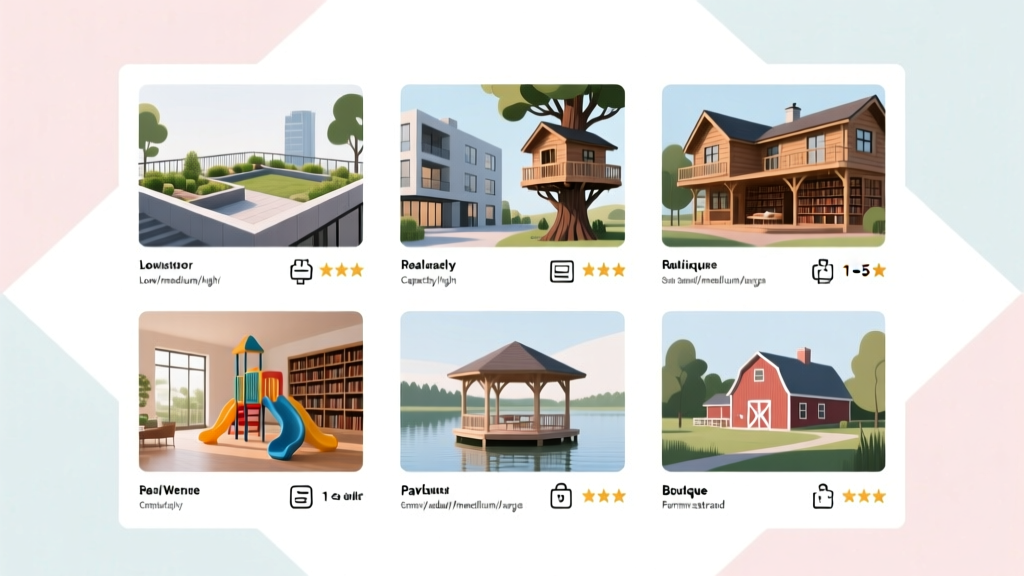 Where Is a Good Place to Have a Birthday Party? 7 Real-World Venue Types (With Cost, Capacity & Kid/Adult Fit Scores) You Haven’t Considered Yet
What Is Cocktail Party Phenomenon? The Hidden Reason Your Guests Can’t Hear Each Other (And How to Fix It Before Your Next Event)
What Are Rave Parties Really? 7 Truths You’ve Been Misled About (And What They *Actually* Look Like in 2024)
Where Is a Good Place to Have a Birthday Party? 7 Real-World Venue Types (With Cost, Capacity & Kid/Adult Fit Scores) You Haven’t Considered Yet
What Is Cocktail Party Phenomenon? The Hidden Reason Your Guests Can’t Hear Each Other (And How to Fix It Before Your Next Event)
What Are Rave Parties Really? 7 Truths You’ve Been Misled About (And What They *Actually* Look Like in 2024)
 What Are the Third Parties in Event Planning? The Hidden Risks (and 7 Must-Verify Checks) Every Planner Overlooks Before Signing Contracts
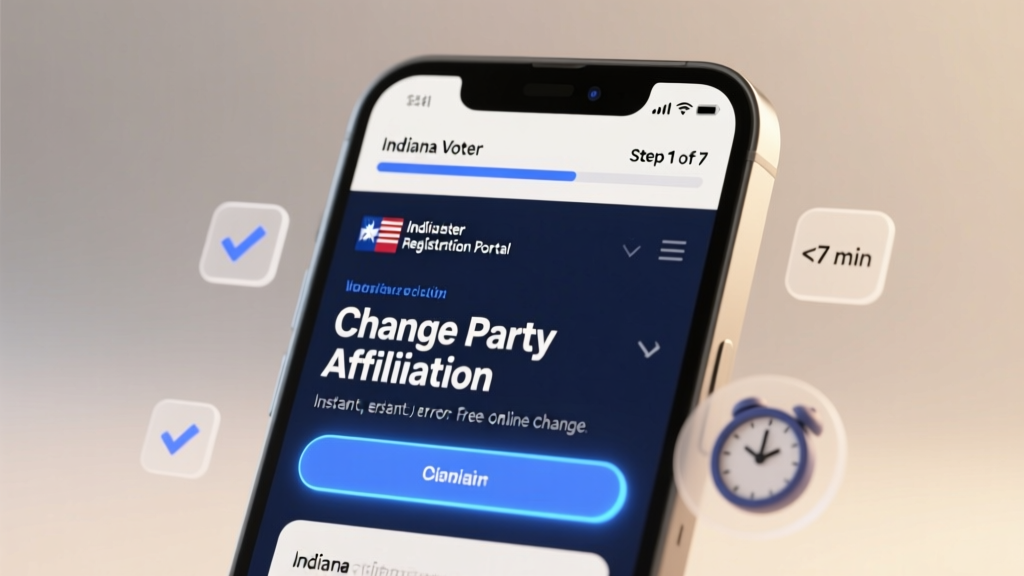 How to Change Political Party Online in Indiana: A Step-by-Step Guide That Takes Less Than 7 Minutes (No Mail, No Wait, No Mistakes)
Is Illinois a two party consent state for recording? Yes — and here’s exactly what that means for your next meeting, wedding, or deposition (plus 5 critical exceptions you can’t ignore)
Does Magic Kingdom Close Early for Halloween Party? Here’s Exactly When Regular Guests Must Leave (and What You’re Missing If You Don’t Know the 2024 Cut-Off Times)
What Is a Darty Party? The Surprisingly Strategic Social Trend That’s Replacing Traditional Parties—Here’s Exactly How to Host One (Without Overwhelm, Cost, or Chaos)
How to Change Political Party Online in Indiana: A Step-by-Step Guide That Takes Less Than 7 Minutes (No Mail, No Wait, No Mistakes)
Is Illinois a two party consent state for recording? Yes — and here’s exactly what that means for your next meeting, wedding, or deposition (plus 5 critical exceptions you can’t ignore)
Does Magic Kingdom Close Early for Halloween Party? Here’s Exactly When Regular Guests Must Leave (and What You’re Missing If You Don’t Know the 2024 Cut-Off Times)
What Is a Darty Party? The Surprisingly Strategic Social Trend That’s Replacing Traditional Parties—Here’s Exactly How to Host One (Without Overwhelm, Cost, or Chaos)