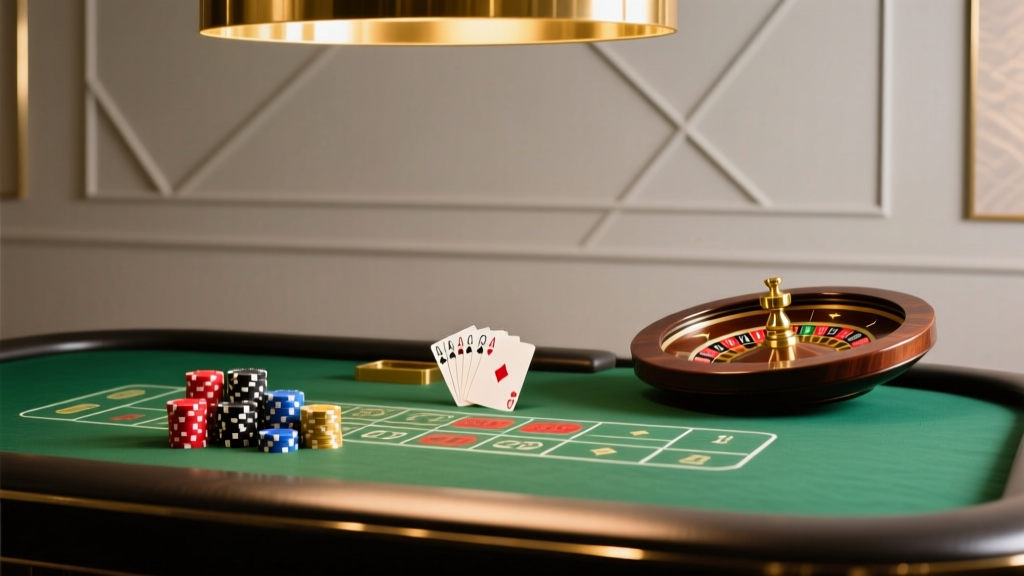
How to Plan a Casino Night Like a Pro
A casino night is one of those event themes that feels instantly elevated—high energy, interactive, and built for mingling. But it’s also the kind of party where the details matter more than usual. When guests are moving between tables, redeeming chips, and watching the clock for tournament rounds, small planning gaps can create big bottlenecks.
Proper planning turns a casino night from a “fun idea” into a smooth, immersive experience. The best events balance theme, flow, and logistics: the right number of dealers and tables, a clear chip system, smart lighting and music, and a schedule that keeps the momentum without feeling rushed. Whether you’re organizing a fundraiser, corporate party, or milestone celebration, the structure below helps you coordinate like a professional event planner.
Use this guide as your step-by-step casino night planning roadmap—complete with timeline templates, budget breakdowns, vendor tips, and common mistakes to avoid.
Start With the Goal: Fundraiser, Corporate Event, or Social Party?
Before you choose a blackjack felt or a signature cocktail, define the primary purpose of the event. Your goal affects nearly every decision: venue layout, chip values, prize strategy, and staffing.
Common casino night goals (and what they change)
- Fundraiser: Focus on ticket tiers, sponsorships, prize packages, and a controlled redemption system. Consider add-ons like raffles, silent auctions, and “buy more chips” donations.
- Corporate party: Prioritize guest experience, brand alignment, and a schedule that supports networking. Add a welcome toast, team tournament brackets, and photo moments.
- Birthday/anniversary: Lean into décor and personalization—custom chips, themed signage, and a relaxed structure with flexible play.
Real-world example
150-guest nonprofit casino night fundraiser: A simple flow works best: check-in → drink reception → open play → one tournament round → prize redemption + raffle drawing. The fundraiser’s highest ROI comes from sponsorship signage at tables, premium raffle packages, and a “last chance chip purchase” announcement 30 minutes before closing.
Choose Your Casino Night Format (and Keep It Guest-Friendly)
Casino nights can be run as free-play entertainment, competitive tournaments, or a hybrid. The key is making the rules easy to understand and the pacing smooth.
Popular formats
- Open Play: Guests can play any table at any time. Best for social events and mixed-age crowds.
- Tournament Style: Scheduled rounds with leaderboard tracking. Best for corporate events and groups who enjoy structure.
- Hybrid: Open play early, tournament later, then prize redemption. Works well for larger events and fundraisers.
Guest flow tip
Plan for “arrival congestion.” Many guests show up in the first 20–30 minutes. Start with open play and a welcome cocktail window so people can settle in before tournament timing or announcements.
Design the Experience: Theme, Layout, and Atmosphere
The most memorable casino-themed parties aren’t just about games—they feel like a destination. Current event planning trends emphasize immersive zones, intentional lighting, and curated photo moments that encourage sharing without interrupting the party flow.
Theme options that feel current
- Classic Vegas: Red/black/gold palette, marquee signage, showgirl photo backdrop.
- Modern Monte Carlo: White/black/champagne tones, minimalist signage, upscale lounge seating.
- Roaring 20s Casino: Art deco décor, jazz playlist, vintage cocktail menu.
- Neon Nights: LED accents, glowing chips, high-energy DJ set.
Layout must-haves
- Clear check-in and chip distribution point (avoid blocking the entrance).
- Game zone with wide aisles so guests can circulate and watch.
- Food and bar placed away from the loudest tables for easier conversation.
- Prize/raffle area that’s visible but not crowding the games.
- Quiet seating corner for networking and breaks—especially important at corporate events.
Games & Equipment: What to Offer and How Many Tables You Need
Variety keeps the energy up, but too many game types can confuse first-timers. Choose a core set and staff it properly.
Recommended game mix
- Blackjack: Easy to learn, fast-paced, high participation.
- Roulette: Great for spectators; strong “casino vibe.”
- Poker (Texas Hold’em): Best as a scheduled tournament or limited table feature.
- Craps: High energy; requires more space and a confident dealer.
How many tables for your guest count?
Use this as a practical starting point for event coordination. Adjust based on your format (tournament needs more structure and seating).
- Up to 50 guests: 3–5 tables
- 50–100 guests: 5–8 tables
- 100–150 guests: 8–12 tables
- 150–250 guests: 12–18 tables
Pro tip: prioritize blackjack
If you’re unsure, add more blackjack tables. They absorb guests quickly, keep lines short, and are welcoming to beginners.
Casino Night Planning Timeline (Step-by-Step)
This timeline template helps you manage tasks, vendors, and deadlines like a pro. Adjust based on venue lead times and whether you’re using a casino party rental company.
6–8 weeks out: Foundations
- Define event goal, date, and guest count target
- Choose venue (or confirm space requirements if hosting at home/office)
- Select event format: open play, tournament, or hybrid
- Create initial budget and pricing (tickets, sponsorships, or host spend)
- Shortlist key vendors:
- Casino table rentals/dealers
- Catering or venue food & beverage
- DJ or playlist + sound setup
- Photo booth (optional)
4–6 weeks out: Book and build
- Book casino vendor and confirm:
- Number of tables, game types, dealer count
- Setup and teardown times
- Insurance requirements
- Chip quantities and any customizations
- Finalize floor plan draft (include check-in and prize area)
- Plan food and drink service style (buffet, stations, passed appetizers)
- Design event branding: invitations, signage, table numbers, chip rules
- Confirm prize strategy:
- Fundraiser: raffle + prize redemption
- Corporate: trophies, experiences, team prizes
- Social: fun titles (e.g., “High Roller”) and themed gifts
2–3 weeks out: Guest experience and logistics
- Send invitations and track RSVPs
- Lock in menu and bar counts (or purchase alcohol if self-hosted)
- Create run-of-show schedule:
- Doors open
- Welcome remarks
- Open play windows
- Tournament rounds (if applicable)
- Last call / final bets
- Prize redemption and announcements
- Order décor and supplies:
- Backdrop, step-and-repeat, balloons or marquee letters
- LED candles, table linens, signage stands
- Wristbands or stamps (if age-restricted bar service)
7–10 days out: Confirmations
- Confirm all vendors in writing (arrival, contact numbers, load-in details)
- Finalize seating and table placement
- Print:
- Check-in list
- Rules signage for each game
- Prize menu and chip value explanations
- Schedule signage near the entrance
- Create staffing plan:
- Check-in lead + 1–2 assistants
- Prize redemption attendant(s)
- Floater to troubleshoot and restock
- MC (can be you, DJ, or a confident volunteer)
48 hours out: Final prep
- Reconfirm headcount and final catering numbers
- Prep chip distribution packs (if pre-bagging chips)
- Pack an event kit (see checklist below)
- Review venue rules: parking, loading, noise limits, end time
Day-of: Execution
- Arrive early for setup walk-through
- Mark table placement with tape (saves time during load-in)
- Test lighting and sound; set music volume for conversation
- Brief dealers and staff on schedule, announcements, and rules
- Open doors with a clear check-in flow and visible signage
- Run the schedule and keep the energy up with short announcements
- End strong: “last bets,” final raffle, prize redemption, thank-yous
Casino Night Checklist (Printable-Style)
- Event plan: goal, format, run-of-show, floor plan
- Vendors: casino rentals, catering/bar, AV/DJ, photo, décor
- Guest management: invitations, RSVP tracking, check-in system
- Supplies:
- Signage stands, pens, clipboards
- Power strips, extension cords, gaffer tape
- Cash box or card reader (if selling raffle tickets/chips)
- Prize labels and inventory list
- Hand sanitizer, stain remover wipes, first-aid basics
- Compliance: age checks for bar, local rules for gaming-themed events
Budget Planning: What Casino Nights Typically Cost
Casino nights can scale up or down. Your biggest cost driver is usually staffing and equipment (tables + dealers), followed by food and beverage. Build a budget with categories so you can adjust without losing control.
Sample budget breakdown (percentage-based)
- Casino rentals & dealers: 25–45%
- Venue: 10–25% (may be $0 if hosted in-office/home)
- Food & beverage: 20–35%
- Décor & branding: 5–15%
- Entertainment/AV/photo: 5–15%
- Prizes: 5–15%
- Contingency: 5–10%
Cost-saving strategies that still feel premium
- Focus décor on two “impact zones”: entrance + photo backdrop
- Use appetizer stations instead of a plated dinner for better flow
- Choose a hybrid format with fewer dealers (open play earlier, tournament later)
- Secure prize donations from local businesses (great for fundraisers)
- Use digital signage (a TV slide deck) instead of printing everything
Vendor Selection Tips (Casino Companies, Catering, and Entertainment)
Strong vendor management is one of the most proven event planning strategies. Choose partners who communicate clearly and can handle your guest count without surprises.
Casino vendor questions to ask
- How many guests can each table comfortably serve per hour?
- Are dealers included? What’s the dealer-to-table ratio?
- What’s included: tables, chips, layouts, drop boxes, signage?
- Do you provide liability insurance and can you name the venue/host?
- How early do you arrive for setup, and how long is teardown?
- Can you provide professional dealers who are also good “hosts”?
Catering and bar coordination tips
- Choose foods that are easy to eat standing up (casino nights are mobile)
- Avoid messy sauces near gaming tables; keep cocktail napkins stocked
- Offer 1–2 signature cocktails that match the theme for faster service
- Schedule a quick bar rush buffer before announcements or tournament rounds
Chip System, Prizes, and Rules That Don’t Confuse Guests
The best casino night logistics feel invisible to guests. Keep the “money” system simple and fair.
Simple chip model (great for most events)
- Each guest receives a starting stack at check-in (same amount for everyone)
- Guests play throughout the night
- At a set time, chips are cashed in for:
- Prize tickets (higher chip totals = more tickets), or
- Prize menu redemption (chip totals correspond to prize tiers)
Fundraiser add-on: “bonus chips” donations
If your event is charitable, you can offer additional chip bundles for donations. Keep it tasteful and transparent:
- Advertise it as a donation perk, not “buying wins”
- Limit purchases to specific windows (e.g., first hour and last hour)
- Route all payments through a clearly labeled station
Common Casino Night Planning Mistakes (and How to Avoid Them)
- Too few tables for the guest count: Long lines kill energy. Add at least one extra blackjack table or shorten tournament rounds.
- Unclear check-in and chip distribution: Fix with stanchions/rope, two check-in points, and pre-bagged chips.
- Overcomplicated rules: Post “How to Play” cards at each table and keep announcements short.
- Prize area chaos: Use a single, simple redemption method and assign a dedicated attendant.
- Ignoring lighting and sound: Too bright feels like a cafeteria; too loud stops people from staying. Use warm lighting, spotlit tables, and a consistent volume cap.
- No contingency plan: Always budget 5–10% extra and have a float person for quick fixes.
FAQ: Casino Night Event Planning
Is a casino night legal if guests are playing with chips?
Many casino nights use “play money” with no cash value and prizes not based on gambling winnings. Rules vary by location and venue, especially for fundraisers. Check local regulations and venue policies, and consider consulting your casino vendor for compliance guidelines.
How long should a casino night party last?
Most events run well at 3–4 hours, plus setup/teardown. If you’re adding dinner, plan 4–5 hours total and keep open play available as people arrive.
What’s the best game mix for beginners?
Blackjack and roulette are the most beginner-friendly. Add one poker table if you have experienced players, and only include craps if you have space and a strong dealer.
Should we hire professional dealers or use volunteers?
Professional dealers improve pacing, guest comfort, and fairness—especially for corporate events and fundraisers. Volunteers can work for small casual parties, but plan extra time for teaching and troubleshooting.
How do we prevent long lines at tables?
Increase table count (especially blackjack), widen aisles for circulation, start with open play, and avoid scheduling announcements during peak arrival. A floor host can also encourage guests to try less crowded games.
Your Next Steps: Plan, Confirm, and Run a Smooth Casino Night
To plan a casino night like a pro, focus on three things: a clear goal, a guest-friendly format, and strong event coordination. Start by locking in your date, venue, and casino vendor, then build your floor plan and timeline around guest flow. Keep rules simple, staff the check-in and prize areas well, and protect your budget with a realistic contingency.
If you want more step-by-step party organization resources, timelines, and checklists, explore additional planning guides on smartpartyprep.com.
More Articles
 What Is a Masquerade Party? The Unfiltered Truth Behind the Masks: Why 73% of First-Time Hosts Overcomplicate It (And How to Nail It in Under 90 Minutes)
 Who Plans the Bachelorette Party? The Truth Is It’s Not Just the Maid of Honor — Here’s Exactly Who Should Take Charge (and Why 73% of Failed Parties Skip This Step)
How to Keep Spaghetti Noodles Warm for a Party Without Sogginess, Clumping, or Cold Surprises — 7 Proven Methods (Tested at 12+ Catered Events)
Who Plans the Bachelorette Party? The Truth Is It’s Not Just the Maid of Honor — Here’s Exactly Who Should Take Charge (and Why 73% of Failed Parties Skip This Step)
How to Keep Spaghetti Noodles Warm for a Party Without Sogginess, Clumping, or Cold Surprises — 7 Proven Methods (Tested at 12+ Catered Events)
 Why Was the Republican Party Founded? The Truth Behind Its 1854 Anti-Slavery Origins — And Why Most History Textbooks Get the Motivation Wrong
 When Does Bachelorette Party Happen? The Real-World Timing Rule (That 87% of Couples Get Wrong — and How to Fix It Without Stress or Rescheduling)
 Will Friedle Political Party: What We Know (And Why It Matters for Fan Events, Con Panels, and Media Appearances in 2024)
How Much Is a Build A Bear Party Really? We Broke Down Every Hidden Cost (From $199 to $599+) So You Don’t Overpay or Get Surprised at Checkout
Stop Overpaying & Over-Stressing: How 'A Family Affair Tent & Party Rentals' Solves 5 Hidden Event Planning Pitfalls Before They Derail Your Celebration (Real Client Case Studies Inside)
How Do You Make Punch for a Party Without It Tasting Like Sad Lemonade or Turning Into a Sugary Slush? (7 Proven Formulas That Actually Impress Guests)
Will Friedle Political Party: What We Know (And Why It Matters for Fan Events, Con Panels, and Media Appearances in 2024)
How Much Is a Build A Bear Party Really? We Broke Down Every Hidden Cost (From $199 to $599+) So You Don’t Overpay or Get Surprised at Checkout
Stop Overpaying & Over-Stressing: How 'A Family Affair Tent & Party Rentals' Solves 5 Hidden Event Planning Pitfalls Before They Derail Your Celebration (Real Client Case Studies Inside)
How Do You Make Punch for a Party Without It Tasting Like Sad Lemonade or Turning Into a Sugary Slush? (7 Proven Formulas That Actually Impress Guests)
 What Is a Third Party Authenticator App? (And Why Your Event Login Just Got Hacked Without One)