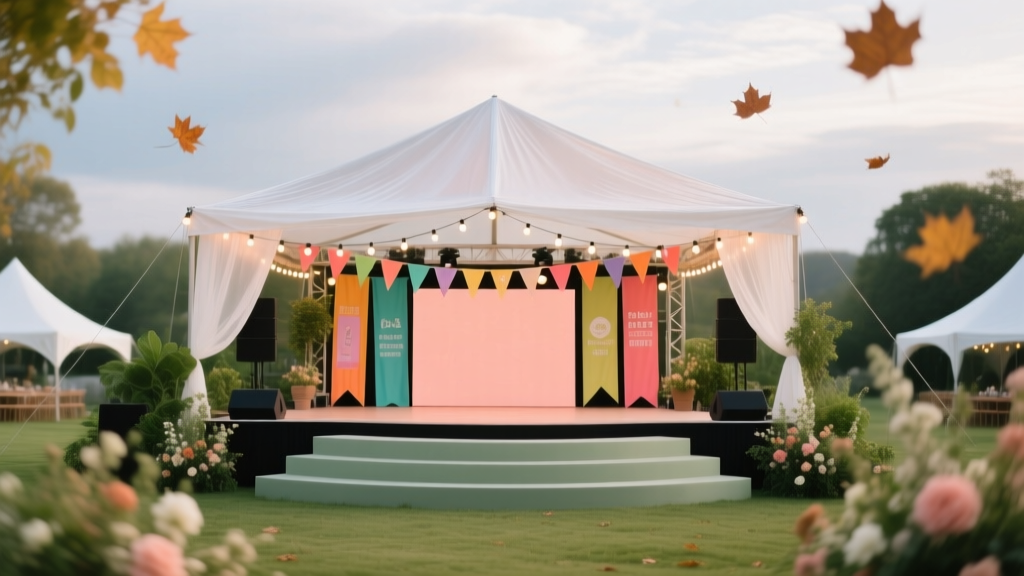
How to Handle Weather for an Outdoor Talent Show
Outdoor talent shows have a magic that indoor venues can’t always match: fresh air, natural lighting, a relaxed community vibe, and room for bigger crowds. Weather is the one variable you can’t control—and the one that can quickly turn an exciting show into a stressful scramble if you don’t plan for it.
The best outdoor event planners treat weather planning as part of the core production plan, not an afterthought. When you prepare for rain, wind, heat, and cold the same way you prepare your stage schedule and sound check, you protect performers, guests, equipment, and your budget.
This guide breaks down practical, step-by-step event planning strategies to manage weather for an outdoor talent show—from choosing the right site and vendors to building a weather trigger plan, timeline, and checklist you can hand to your team.
Start with a Weather-First Mindset (Before You Book Anything)
Define your “weather tolerance” and event priorities
Before selecting a venue or setting a date, decide how much weather risk you can reasonably accept. Ask these questions early:
- Is the talent show rain-or-shine? If yes, what protections (tents, covered stage, covered audience seating) are required?
- Is there a backup indoor location? A gym, community center, school auditorium, or nearby pavilion can be a lifesaver.
- What’s the non-negotiable? Examples: performer safety, electrical safety, sound quality, guest comfort, accessibility.
- How flexible is your program? Can you shorten the show, delay a start time, or move intermission earlier?
Use historical weather, not just a forecast
Weather apps help, but smart party organization begins with patterns. Look up historical averages for your region (temperature highs/lows, rainfall probability, wind speed) for the month and time of day you’re planning. This supports smarter decisions about:
- Start time (midday heat vs. evening chill)
- Stage orientation (sunset glare and wind direction)
- Equipment needs (fans, heaters, tent sidewalls)
- Staffing and safety coverage (hydration stations, first aid)
Choose a Site Designed to Handle Real Weather
Site features that reduce weather risk
When scouting locations, use this weather-resilience checklist:
- Drainage: Avoid low spots where water pools. Walk the site after rain if possible.
- Stable ground: Grass is charming but can become slippery; packed gravel or paved areas are easier for staging and accessibility.
- Shade options: Trees, awnings, or the ability to add shade sails or tents.
- Wind protection: Natural barriers (buildings, hedges) that reduce gusts on stage and vendor rows.
- Power access: Safe outlets, distance to stage, and ability to protect cables from water and foot traffic.
- Nearby indoor space: Restrooms, green room, storage, emergency shelter.
Plan your layout around sun, wind, and crowd flow
Event coordination trends increasingly prioritize guest comfort and streamlined traffic flow. For outdoor shows, weather drives layout decisions:
- Stage orientation: Avoid positioning performers directly into the setting sun. Consider a side angle to minimize glare.
- Audience seating: Keep seating off the wettest zones and ensure ADA-friendly paths.
- Vendor and check-in placement: Put high-traffic areas under cover if possible (pop-up tents, pavilion edges).
- Backstage/green room: Provide a sheltered area for performers to warm up and store instruments.
Build a Weather Contingency Plan (Your “Trigger” System)
Create clear go/no-go thresholds
A professional outdoor event plan includes measurable triggers—so decisions aren’t emotional or last-minute. Define thresholds with your venue and key vendors:
- Lightning: Suspend show when lightning is within a defined radius (commonly 8–10 miles). Resume after a set “all clear” period (often 30 minutes after last strike).
- Wind: Identify max safe gusts for your stage roof, tents, and banners (vendor specs vary). Wind can be more dangerous than rain.
- Rain intensity: Light rain may be manageable with covered stage and equipment protection; heavy rain may require pause or relocation.
- Heat index/cold: Define a comfort/safety plan (extra water breaks, shaded seating, warming area).
Assign roles and decision authority
Weather decisions should be centralized. Create a simple chain of command:
- Event Director: Final decision-maker on delays, pauses, cancellations.
- Safety Lead: Monitors lightning/wind thresholds and crowd safety.
- Stage Manager: Controls performance flow and communicates to performers.
- A/V Lead: Manages power-down procedures and equipment protection.
- Communications Lead: Updates guests, vendors, and performers (text, email, signage, social).
Write “weather scripts” for announcements
Prepared messaging keeps your event calm and professional. Examples:
- Delay: “We’re pausing the show for weather safety. Please move under covered areas. We’ll update you in 15 minutes.”
- Evacuation/shelter: “For everyone’s safety, please proceed to the indoor shelter at [location]. Staff will guide you.”
- Shortened program: “To keep everyone comfortable and safe, we’ll move directly to our final acts and awards.”
Equipment, Stage, and Power: Protect What Matters Most
Weatherproof your production setup
Sound and lighting can be the biggest weather risk. Coordinate early with your A/V vendor (or tech team) and confirm:
- Covered stage: Stage roof or canopy rated for wind loads; sidewalls as needed.
- Electrical safety: GFCI protection, cable ramps, waterproof connectors, elevated power strips.
- Speaker placement: Protected from direct rain and puddles; stable stands with sandbags.
- Backup power: Generator options for remote sites (quiet inverter models are trending for community events).
- Equipment rain plan: Tarps, plastic bins, and a rapid power-down checklist.
Real-world example: The “two-tarp rule”
For a community park talent show, one organizer assigned two tarps per critical zone: one stays folded at the stage edge (quick cover), and one is pre-positioned over the A/V mix table with a vented canopy. When a surprise drizzle hit, they covered the board in under 30 seconds, avoided equipment damage, and resumed the show after a brief pause.
Guest Comfort Strategies for Heat, Cold, and Rain
Heat plan (best practices)
- Hydration stations: Water refill stations or bottled water sponsorship.
- Shade: Tents, shade sails, or reserved shaded seating for seniors and families with young kids.
- Cooling: Fans at check-in and near the stage wings; misting stations if appropriate.
- Schedule smart: Consider later start times during peak summer to reduce heat stress.
Cold plan (especially evenings)
- Warm-up zones: Covered green room, portable heaters where permitted.
- Hot beverage vendor: A coffee/hot cocoa station can be both comfort and revenue.
- Shorter transitions: Keep the program moving to reduce idle time.
Rain plan that doesn’t feel like a “downer”
- Covered audience seating: If budget allows, prioritize partial coverage over the front seating area.
- Clear umbrella policy: Encourage low-profile umbrellas or ponchos so sightlines stay open.
- Slip prevention: Non-slip mats in key walkways and near the stage steps.
Step-by-Step Planning Timeline and Weather Checklist
6–8 weeks out: Foundation planning
- Select date and alternate rain date (if possible).
- Confirm venue rules: tents, stakes, generators, noise ordinances, shelter locations.
- Book key vendors: stage, tents, A/V, restrooms (if needed), security/first aid.
- Draft a weather contingency plan with thresholds and decision authority.
- Collect performer needs (instruments, power, special props).
4 weeks out: Operational details
- Finalize site map: stage, seating, vendor row, check-in, ADA paths, emergency exits.
- Confirm equipment protection: stage roof, sidewalls, sandbags, cable ramps.
- Secure permits and insurance (ask about weather-related claims and cancellation terms).
- Build your communication plan: email templates, text alert tool, signage.
2 weeks out: Team readiness
- Hold a planning meeting with leads (A/V, stage manager, safety, volunteers).
- Create a “rapid response kit” inventory (tarps, ponchos, gaffer tape, towels, zip ties).
- Confirm staffing schedule and assign weather roles (monitoring, shelter guidance).
- Finalize run of show with built-in buffers for weather delays.
72–24 hours out: Forecast window
- Monitor forecasts from at least two sources.
- Decide whether to activate rain date/alternate location (if applicable).
- Send guest and performer updates with expectations (what to bring, arrival times, parking changes).
- Confirm vendor arrival times and contingency instructions (wind protocols for tents, staging).
Event day: Weather execution checklist
- Designate a weather monitor and set check-in times (e.g., hourly, then every 15 minutes if conditions shift).
- Walk the site: check puddles, slick areas, wind exposure, cable safety.
- Secure tents and signage with proper weights (not just stakes if rules prohibit).
- Brief staff and volunteers on shelter route and messaging.
- Test “pause and resume” procedures: A/V mute, power-down sequence, performer holding area.
Budget Considerations: What Weather Planning Really Costs
Suggested weather-ready budget breakdown (percentage-based)
Every event is different, but these ranges help with party planning and coordination:
- Stage, tents, and shelter: 25–40%
- A/V (sound, mics, basic lighting): 20–35%
- Power (generators, cabling, safety gear): 5–12%
- Guest comfort (water, shade, fans/heaters): 5–15%
- Safety and staffing (security/first aid): 5–15%
- Contingency buffer: 8–12%
Where planners often under-budget
- Tent weights and sidewalls: Essential for wind and rain but often quoted separately.
- Flooring and mats: Useful for muddy ground and high-traffic zones.
- Insurance and permits: Costs vary by city and venue requirements.
- Communication tools: Printed signage, QR codes for updates, and text alert services.
Vendor Selection Tips for Weather-Dependent Outdoor Events
Questions to ask tent, stage, and A/V vendors
- What wind rating is this tent/stage system certified for?
- Do you provide sidewalls, flooring, and proper ballast/weights? What’s included?
- What is your rain protocol for A/V gear and power distribution?
- How do you handle last-minute weather changes—fees, flexibility, staffing?
- Can you provide references for similar outdoor talent shows or community events?
Trend watch: flexible vendor packages
Many event planning vendors now offer modular packages—adding sidewalls, extra coverage, or upgraded ballast as forecast confidence increases. Ask if you can “hold” add-ons until 72 hours out to avoid overpaying for protection you may not need.
Common Planning Mistakes to Avoid
- Relying on a single forecast: Check multiple sources and plan for microclimates.
- No clear decision-maker: Commit to one authority to avoid confusion and delays.
- Underestimating wind: Wind can topple signage, tents, and speaker stands faster than rain causes issues.
- Ignoring ground conditions: Mud, uneven grass, and puddles create slip hazards and accessibility problems.
- Skipping communication planning: Guests tolerate delays when updates are frequent and clear.
- Forgetting performer needs: Instruments, costumes, and props may require extra shelter and dry storage.
FAQ: Outdoor Talent Show Weather Planning
Should an outdoor talent show be “rain or shine”?
It can be, as long as you provide a covered stage, safe power setup (GFCI, protected cabling), and a guest comfort plan. If you can’t protect equipment and people, build an alternate plan such as an indoor backup or rain date.
What’s the safest approach for lightning?
Pause the show and move people to a designated shelter when lightning is within your defined radius (commonly 8–10 miles). Resume only after an all-clear window (often 30 minutes after the last strike). Follow local venue and municipal guidelines.
How do I keep sound equipment safe in unexpected rain?
Use a covered mix position, elevate power connections, keep tarps and plastic bins at the ready, and train staff on a rapid power-down sequence. Confirm your A/V provider’s specific rain procedures in advance.
What’s a reasonable weather contingency budget?
Many planners set aside 8–12% of the total event budget for weather-related needs—sidewalls, extra ballast, flooring, heaters/fans, and last-minute rentals. For high-risk seasons, consider a larger buffer.
How can I communicate weather changes without creating panic?
Share a simple plan ahead of time (“We may pause for safety; here’s where to go”), post signage on-site, and use one consistent channel for updates (text alerts, a QR code to a live update page, and periodic stage announcements).
Next Steps: Turn Weather into a Strength, Not a Stressor
Weather-ready event planning is about confidence: clear thresholds, a trained team, protected equipment, and a guest experience that stays welcoming even when conditions shift. Start by drafting your weather trigger plan, confirming your backup options, and building a budget that includes real protection—not just wishful thinking.
- Create your go/no-go weather thresholds and assign decision roles.
- Confirm site drainage, shelter options, and safe power access.
- Book vendors who can clearly explain wind ratings, rain protocols, and flexibility.
- Prepare a communication plan with pre-written scripts and update channels.
Planning more outdoor events? Explore more step-by-step event planning, party organization, and coordination guides at smartpartyprep.com to keep every celebration smooth, safe, and unforgettable.
More Articles
 Which political party does Walmart support? The truth behind its PAC donations, lobbying records, and bipartisan giving — debunking myths about corporate political bias in 2024.
 What to Wear Christmas Work Party: The 7-Second Dress Code Decoder (No More Awkward Outfits or Last-Minute Panic)
What Is Third-Party Billing in Shipping? The Hidden Cost Trap That’s Draining Your Event Budget (And How to Fix It in 3 Steps)
What party was Franklin Roosevelt? The Surprising Truth Behind His Party Switch, Why It Still Shapes U.S. Politics Today, and How His Realignment Created Modern Liberalism — Explained in Plain English
What to Wear Christmas Work Party: The 7-Second Dress Code Decoder (No More Awkward Outfits or Last-Minute Panic)
What Is Third-Party Billing in Shipping? The Hidden Cost Trap That’s Draining Your Event Budget (And How to Fix It in 3 Steps)
What party was Franklin Roosevelt? The Surprising Truth Behind His Party Switch, Why It Still Shapes U.S. Politics Today, and How His Realignment Created Modern Liberalism — Explained in Plain English
 What Political Parties Do: The Ultimate 7-Step Checklist to Plan a Memorable, Low-Stress Political-Themed Party Without Looking Cringey or Offending Anyone
 What to Do for a Slumber Party: The Stress-Free 7-Step Blueprint (That Actually Works for Ages 8–14 — No Last-Minute Panic, Ever)
A few years after the constitutional convention political parties were — and why their rapid rise shocked the Founders (who swore they’d never form one)
What to Do for a Slumber Party: The Stress-Free 7-Step Blueprint (That Actually Works for Ages 8–14 — No Last-Minute Panic, Ever)
A few years after the constitutional convention political parties were — and why their rapid rise shocked the Founders (who swore they’d never form one)
 Yes, You *Can* Play Mario Party Jamboree With Pro Controller—Here’s Exactly How to Set It Up for Smooth Multiplayer, Avoid Input Lag, and Maximize Joy (No Joy-Con Required!)
What Party Was Clinton At? The Real Story Behind That Viral Photo — Plus How to Plan Your Own High-Impact Political or Civic-Themed Event Without the Confusion
Yes, You *Can* Play Mario Party Jamboree With Pro Controller—Here’s Exactly How to Set It Up for Smooth Multiplayer, Avoid Input Lag, and Maximize Joy (No Joy-Con Required!)
What Party Was Clinton At? The Real Story Behind That Viral Photo — Plus How to Plan Your Own High-Impact Political or Civic-Themed Event Without the Confusion