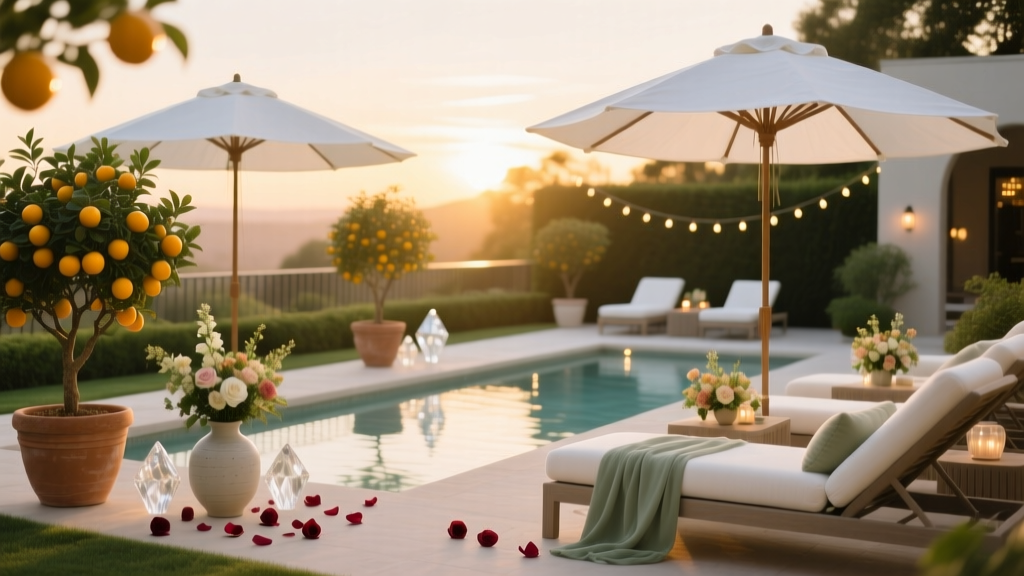
How to Handle Weather for an Outdoor Spa Day
An outdoor spa day is one of the most memorable event ideas you can host: calming music, fresh air, soft linens, hydrating treats, and a schedule that invites guests to slow down. The challenge is that nature doesn’t RSVP. Weather can change quickly, and without a plan, your relaxing spa event can turn into a stressful scramble.
Smart event planning and coordination is what keeps the mood serene no matter what the forecast says. When you build a weather-proof plan—backup spaces, vendor communication, guest messaging, and the right supplies—you protect your budget, your timeline, and your guests’ comfort. Even better: you’ll look like a pro because you’ll be making calm, confident decisions instead of last-minute guesses.
This guide breaks down step-by-step outdoor event planning for a spa-themed gathering, with practical timelines, checklists, budget considerations, vendor selection tips, common mistakes to avoid, and real-world examples you can adapt.
Start With the Weather Reality Check (Before You Pick the Date)
Know the common risks for outdoor spa events
- Heat: dehydration, product melting (wax, balms), guest discomfort, makeup and masks sliding.
- Cold: uncomfortable lounging, damp towels, reduced participation in water treatments.
- Wind: toppled candles, flying linens, noise disruption, tent wall flapping.
- Rain: slippery surfaces, electrical safety issues, vendor cancellations, soggy seating.
- Humidity: towels won’t dry, skincare feels sticky, hair services may not hold.
- Air quality/pollen: allergies, fragrance sensitivities, guest comfort issues.
Use local data, not just a 10-day forecast
Current event planning trends favor data-backed decisions and flexible logistics. Before you lock in your outdoor spa day, check:
- Historical averages for temperature and rainfall in your area (monthly climate summaries)
- Typical wind conditions at your venue (especially rooftops, beaches, open fields)
- Sun exposure at your chosen time (midday heat vs. golden-hour comfort)
- Noise ordinances and neighbor considerations if you’ll use fans, heaters, or a generator
Choose a “Weather-Ready” Location and Layout
Venue features that make weather easier
If you’re planning a backyard spa party, poolside spa day, or a wellness-themed corporate retreat, prioritize locations with:
- Immediate indoor access: a room, garage, studio, or clubhouse you can switch to within minutes
- Level ground: safer for massage tables and foot soak stations
- Power availability: dedicated circuits for warmers, fans, sound system, and lighting
- Shade options: trees, pergolas, awnings, or space for tents/umbrellas
- Drainage: avoids puddles and mud if there’s light rain
- Restrooms nearby: reduces guest wandering in heat or rain
Design zones that can move quickly
Borrow a proven organizational strategy from professional event coordination: design “modules” you can lift and relocate. Plan your setup as zones:
- Welcome + hydration bar (easy to move inside)
- Lounge zone (folding loungers, floor poufs, blankets in bins)
- Treatment zone (massage/facials in a tent or inside near a door)
- Foot soak station (on waterproof mats; close to a drain or bathroom)
- Quiet zone (sound machine, meditation corner, low light)
Weather-Proofing Essentials (Comfort + Safety)
Heat plan
- Shade: pop-up tent, canopy, umbrellas, or sail shade
- Cooling: oscillating fans, misting fan (only if humidity is low), extra ice
- Hydration: water dispensers, electrolyte packets, herbal iced tea, fruit-infused water
- Skincare product handling: keep masks and oils in a cooler; store SPF and aloe within reach
- Scheduling: book massages and facials earlier in the day; do lounging in late afternoon
Cold plan
- Warmth: patio heaters (propane), heat lamps, or electric heaters (with safe rated cords)
- Textiles: fleece blankets, thicker towels, robes, slippers
- Warm beverages: tea bar, hot water kettle, decaf options
- Shorter outdoor exposure: move treatments indoors; keep outdoor time to “fresh-air breaks”
Wind plan
- Use tent weights or sandbags (not just stakes)
- Skip open flames if gusty; use LED candles instead
- Clip linens with discreet clamps; use heavier tablecloths
- Choose sturdy signage (easel with weights or acrylic frames)
Rain plan
- Have a covered option: tent with sidewalls or an indoor room pre-staged
- Use non-slip mats at entry points and near water stations
- Protect electricity: outdoor-rated extension cords, cord covers, GFCI outlets
- Plan a “dry landing area” for shoes, umbrellas, and damp towels
Create a Clear Weather Decision Plan (So You Don’t Hesitate)
Set your weather thresholds
Decide in advance what triggers changes. Write it into your planning notes and vendor messages.
- Heat threshold: If heat index is over 90–95°F, move treatments indoors and shorten outdoor segments.
- Wind threshold: If gusts exceed 20–25 mph, remove canopies not rated for wind and use indoor zones.
- Rain threshold: If steady rain is forecast or lightning risk exists, switch to Plan B location.
- Air quality threshold: If AQI is unhealthy for sensitive groups, move inside or reschedule outdoor portions.
Use a “Plan A / Plan B / Plan C” structure
- Plan A: Fully outdoors with shade and fans.
- Plan B: Outdoors under a tent + key zones indoors.
- Plan C: Fully indoors with a “garden vibe” (plants, diffusers, spa music, soft lighting).
Communication is part of coordination
Event planning trends increasingly emphasize guest experience and proactive communication. Send one clear update rather than multiple uncertain messages:
- 48 hours before: confirm schedule and remind guests what to bring (SPF, light layer, sandals)
- 24 hours before: confirm which plan is active (A/B/C), parking, and arrival instructions
- 2–3 hours before: quick “doors open at X” message and any last notes (enter through side gate, etc.)
Step-by-Step Planning Timeline + Checklists
4–6 weeks before: foundation and vendor lock
- Select date/time with climate in mind (avoid peak heat hours when possible)
- Confirm venue access to indoor backup space
- Book key vendors: massage therapists, estheticians, nail techs, mobile spa team
- Ask vendors about weather policies (wind/rain/heat), equipment needs, and cancellation terms
- Create a floor plan for Plan A and Plan B
- Begin your budget worksheet (see budget section below)
2–3 weeks before: logistics and guest experience
- Order tent/canopy, fans, heaters, or sidewalls if needed
- Confirm power plan: outlets, extension cords, GFCI, cable management
- Plan your menu: hydrating snacks, allergy-friendly options, hot/cold drinks
- Build a schedule with buffer time between treatments
- Prep signage: “Quiet Zone,” “Shoes Off,” “Hydration,” “Treatment Check-In”
- Send invitations with a dress guide: “bring a light layer; robes provided; sandals recommended”
7 days before: weather monitoring and plan rehearsal
- Start checking weather daily (same time each day for consistency)
- Confirm tent delivery/pickup and setup responsibilities
- Do a test run: where will the foot soak water be filled and dumped?
- Prepare indoor backup decor (plants, candles/LEDs, spa music playlist)
- Create a day-of binder or digital checklist (vendor contacts, timeline, layout)
48–24 hours before: decide and stage Plan B items
- Choose Plan A/B/C based on your thresholds
- Stage indoor area even if Plan A looks good (tables ready, power cleared)
- Pre-chill beverages, stock ice, and prep coolers
- Text/email guests the final plan and what to expect
- Confirm vendor arrival times and parking/load-in
Day-of checklist: calm, coordinated execution
- Set up hydration station first (guests feel cared for immediately)
- Secure tent weights and check wind stability
- Place non-slip mats at entrances and near water stations
- Do a safety sweep: cords taped, no tripping hazards, GFCI in place
- Assign a “weather watcher” (you or a helper) to monitor radar and wind
- Build in a 10-minute reset between sessions (towels, wipe-down, water refill)
Budget Considerations (Weather Planning That Protects Your Spend)
Smart budget breakdown (example for 10–15 guests)
- Mobile spa services (massage/facial add-ons): 40–60%
- Weather protection (tent, sidewalls, fans/heaters): 10–20%
- Food + beverages (hydration-focused): 10–15%
- Rentals (loungers, linens, tables): 5–15%
- Decor + ambiance (LED candles, plants, signage): 5–10%
- Contingency buffer: 8–12%
Where weather can inflate costs (and how to control it)
- Last-minute tent rental: reserve early; confirm cancellation/transfer policies.
- Extra staffing: add one assistant to manage towels, refills, and transitions instead of extending vendor hours.
- Power solutions: avoid generators unless necessary; choose battery lighting and simple sound systems.
- Product waste: keep skincare items in coolers; avoid setting out everything at once.
Vendor Selection Tips for Outdoor Spa Days
Questions to ask before you book
- Do you provide your own table, linens, and sanitation supplies?
- What are your temperature limits for outdoor work?
- How do you handle wind (privacy screens, face cradle covers, product stability)?
- Do you require access to electricity or water?
- What is your rescheduling policy if there’s lightning or unsafe conditions?
- Are you insured, and can you provide proof if requested?
Look for vendors who support a flexible event timeline
One of the most effective event coordination strategies is building a schedule that can “compress.” Vendors who can adjust start times by 30–60 minutes (within reason) help you wait out a passing shower or move indoors smoothly.
Real-World Weather Scenarios (How Pros Adjust Without Stress)
Scenario 1: Surprise drizzle during a backyard spa party
Plan: Move the treatment zone indoors, keep the hydration bar under a canopy, and shift the schedule.
- Guests start with tea, robes, and a mini hand scrub inside
- Massage sessions continue indoors; lounging moves to covered areas
- Outdoor elements return if rain stops (blankets and towels are kept in bins)
Scenario 2: Heat wave hits the week of a poolside spa day
Plan: Swap the timeline so the most “still” activities happen in cooler hours.
- Move facials/massage to morning slots
- Add electrolyte station and cooling towels
- Offer a “cool-down menu”: chilled grapes, cucumber cups, iced herbal tea
Scenario 3: Wind makes umbrellas unsafe
Plan: Reduce sail/umbrella reliance and focus on anchored structures.
- Use a weighted pop-up canopy with sidewalls
- Replace candles with LED lighting
- Use clip-on weights for linens and signage
Common Planning Mistakes to Avoid
- Waiting too long to rent weather gear: tents and heaters book quickly in peak seasons.
- Assuming “a little rain is fine” without a floor plan: you need a specific indoor layout, not just a vague backup.
- Ignoring power safety: outdoor spa setups often involve water; protect cords and use GFCI.
- Overcomplicating the menu: in heat, simple hydration wins; in cold, warm drinks and cozy snacks are enough.
- Not scheduling buffer time: weather shifts add transitions; build a flexible event timeline.
- No guest guidance: guests can’t dress appropriately without clear instructions.
FAQ: Outdoor Spa Day Weather Planning
How far in advance should I start checking the weather?
Use historical climate info when selecting your date. Begin daily forecast monitoring about 7 days out, and make your Plan A/B/C decision 48–24 hours before the event.
What’s the best backup plan if I don’t have indoor space?
Rent a tent with sidewalls and add weighted flooring or heavy-duty outdoor rugs plus non-slip mats. If storms or lightning are possible, consider moving the event to a covered pavilion or rescheduling—safety comes first.
Do I need event insurance for a small outdoor spa party?
It depends on the venue and the services provided. If you’re hosting at a rented space or using paid vendors (especially massage therapists), ask about required coverage. Some hosts purchase short-term event insurance for peace of mind.
How do I keep skincare products safe outdoors?
Store products in a cooler or insulated bin, keep them out of direct sun, and only set out what you’ll use in the next hour. Heat can destabilize creams, masks, and oils.
What’s a realistic weather contingency budget?
Aim for 8–12% of your total event budget. This covers last-minute sidewalls, extra ice, additional towels, or a heater/fan upgrade without derailing your plan.
What should I tell guests to bring?
Make it easy: sandals, a light layer, hair tie, SPF, and any allergy medications they may need. Let them know what you’ll provide (robes, towels, water, slippers) so they don’t overpack.
Next Steps: Turn Your Outdoor Spa Day Into a Weather-Proof Plan
Choose a date based on local conditions, secure a venue with an indoor or covered fallback, and build your Plan A/B/C layout before you book vendors. Then use the 48–24 hour decision window to activate the right plan and message guests once, clearly, with confident instructions.
If you want more step-by-step event planning, party organization, and coordination guides—plus checklists and timelines you can reuse—explore the latest resources on smartpartyprep.com.
More Articles
 What Is a Watch Party? The Real Reason Your Virtual Hangouts Keep Flopping (And Exactly How to Fix It in 7 Minutes)
 Who Founded the Reform Party? The Surprising Truth Behind Its 1992 Launch — And Why Ross Perot Didn’t Act Alone (Spoiler: It Took 3 Key Architects, Not 1)
Is There a Season 2 of The Hunting Party? The Truth About Its Future — Plus How to Host Your Own Real-Life Version (No Streaming Required)
What Is a Third Party Insurer? The Truth Behind Event Liability Coverage That Could Save Your Wedding, Festival, or Corporate Gig From Financial Disaster
When Do Bachelorette Parties Happen? The Real-World Timing Rules (That 83% of Planners Get Wrong — and How to Avoid Costly Scheduling Conflicts)
How to Sign Party in ASL: The 5-Step Inclusive Guide Every Host Needs (No Prior Signing Experience Required)
Who Founded the Reform Party? The Surprising Truth Behind Its 1992 Launch — And Why Ross Perot Didn’t Act Alone (Spoiler: It Took 3 Key Architects, Not 1)
Is There a Season 2 of The Hunting Party? The Truth About Its Future — Plus How to Host Your Own Real-Life Version (No Streaming Required)
What Is a Third Party Insurer? The Truth Behind Event Liability Coverage That Could Save Your Wedding, Festival, or Corporate Gig From Financial Disaster
When Do Bachelorette Parties Happen? The Real-World Timing Rules (That 83% of Planners Get Wrong — and How to Avoid Costly Scheduling Conflicts)
How to Sign Party in ASL: The 5-Step Inclusive Guide Every Host Needs (No Prior Signing Experience Required)