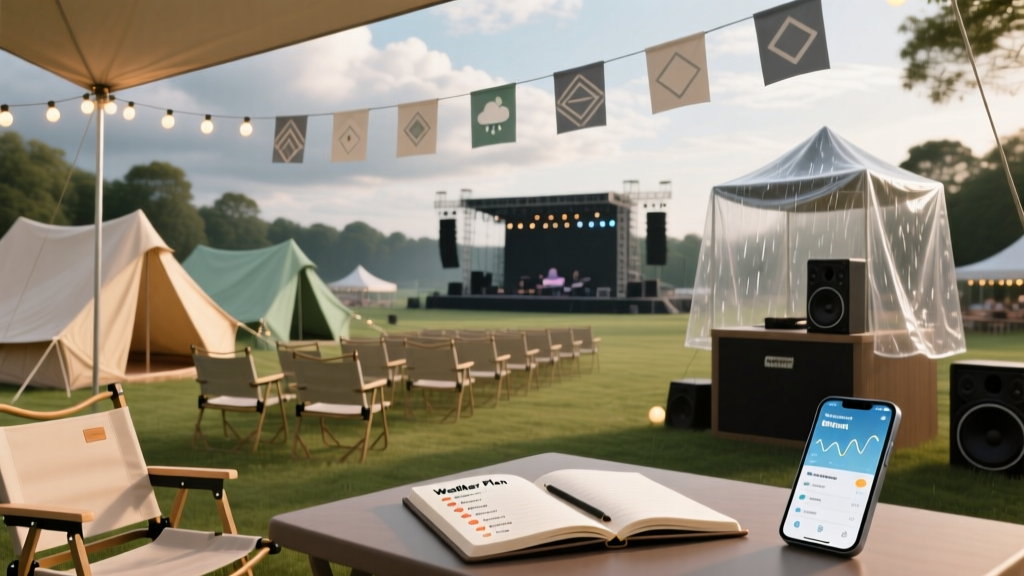
How to Handle Weather for Outdoor a Music Festival
Outdoor music festivals thrive on energy you can’t recreate indoors: open skies, sunset headliners, food trucks lined up beside the stage, and a crowd that feels like a community. That same “open-air magic,” though, comes with one major wildcard—weather. Rain, heat, wind, lightning, and sudden temperature drops can quickly turn a well-planned festival into a safety risk, a budget drain, and a guest experience problem.
Weather planning isn’t about hoping for the best. It’s about building an event plan that stays functional under realistic conditions and protects people, equipment, and revenue. The best festival organizers treat weather as a core part of event coordination, not a backup plan: they schedule with contingencies, hire vendors who can adapt, and design the site layout to handle everything from a quick shower to a multi-hour storm delay.
This guide walks you through step-by-step outdoor event planning strategies, a practical timeline, budget considerations, vendor selection tips, and common mistakes to avoid—so you can run a professional, safe, and memorable outdoor music festival no matter what the forecast brings.
Start with a Weather-First Risk Assessment
Weather planning begins long before you pick tents. Your first task is to define what weather conditions are likely for your date and location—and what those conditions mean for operations, safety, and permits.
Gather the right weather data (not just the 10-day forecast)
- Historical averages: Look at 5–10 years of weather history for the same month (temperature range, rainfall probability, wind speed trends).
- Site-specific factors: Coastal winds, mountain microclimates, open fields vs. tree cover, and proximity to waterways all change your risk profile.
- Time-of-day swings: A festival that starts at noon and ends at 11 p.m. may experience a 20–30°F drop, especially in desert or high-elevation areas.
Define your weather thresholds and triggers
Create a simple decision matrix so your team isn’t improvising under pressure. Examples of triggers:
- Lightning: Pause performance and begin evacuation/shelter protocol when lightning is within a defined radius (commonly 8–10 miles; align with local guidance and your safety officer).
- Wind: Stop use of certain structures (stage scrims, inflatables, tall signage) above set wind speeds defined by your staging/tent vendors.
- Heat index: Add water stations, misting zones, additional medical staff, and shade when heat index exceeds your threshold.
- Rain saturation: Implement ground protection, reroute foot traffic, and pause vehicle movement on soft turf to prevent getting stuck.
Design the Festival Site for Rain, Heat, and Wind
Smart site design is one of the most proven organizational strategies for weather resilience. When the layout is built for flow and safety, your festival can stay enjoyable even when conditions change.
Rain-ready site planning
- Ground conditions: Choose surfaces that drain well (gravel, pavement, engineered turf). If the site is grass, budget for ground protection mats in heavy-traffic zones.
- Drainage and slope: Avoid placing stages, electrical runs, and audience pits in low points where water pools.
- Entrances/exits: Ensure routes won’t become mud bottlenecks; add temporary flooring where needed.
- Back-of-house: Keep artist areas, catering, and production storage on the most stable ground.
Heat and sun planning (guest comfort + safety)
- Shade strategy: Combine tents, shade sails rated for wind, and natural shade (but avoid placing crowds under weak branches).
- Hydration plan: Free water refill stations reduce medical incidents and improve guest satisfaction.
- Cooling zones: Misting fans, indoor/covered chill areas, and additional seating for those who need a break.
- Scheduling: Consider earlier gates or later headliners to reduce peak heat exposure; use daytime slots for lower-intensity sets.
Wind planning for stages and temporary structures
- Engineering matters: Work with staging vendors who provide wind ratings, ballast requirements, and onsite supervision.
- Orientation: Position stages and tall structures to minimize wind load where possible.
- Secure everything: Weighted bases, proper staking (when allowed), and redundant tie-downs.
- Loose items: Plan for wind-safe trash management, signage, and fencing to prevent hazards.
Build a Weather Response Plan (That Staff Can Actually Run)
Trends in event planning increasingly emphasize documented safety planning, clear communication, and role-based execution. Your weather plan should read like a playbook: who decides, who communicates, and what actions happen first.
Key roles to assign
- Weather lead: Monitors radar/alerts and communicates changes (often production manager or safety officer).
- Decision maker: Single authority for pauses, evacuations, or cancellations (with defined backup).
- Comms lead: Pushes messaging through PA, screens, app/SMS, social channels.
- Site teams: Security, ushers, stage managers, medical teams with specific checklists.
Communication tools and messaging templates
- Onsite: PA announcements, video walls, signage at key points (exits, shelter zones, medical).
- Digital: Event app, SMS alerts, push notifications, QR codes at entrances linking to live updates.
- Two-way ops: Radios with dedicated weather channel; backup battery plan for critical devices.
Example message (lightning pause): “Attention: For your safety, performances are temporarily paused due to lightning in the area. Please move calmly to the nearest shelter zone or your vehicle. Follow staff directions. We’ll share updates every 10 minutes.”
Shelter and evacuation mapping
- Identify real shelters (substantial buildings) versus “cover” (tents are not lightning shelters).
- Calculate capacity and walking time from each stage area.
- Mark routes that remain safe in heavy rain (avoid steep slopes and slippery surfaces).
- Coordinate with local authorities on traffic flow if a mass exit is needed.
Step-by-Step Planning Timeline + Weather Checklist
Use this timeline template as a practical event planning checklist you can adapt to your festival size.
6–12 months out: Foundation planning
- Choose date/location with historical weather patterns in mind.
- Confirm permits and ask specifically about weather-related requirements.
- Hire key vendors early: staging, tents, power, security, medical, sanitation.
- Draft your weather risk assessment and initial response plan.
- Start budget allocation for weather contingencies (see budget section below).
3–6 months out: Site and vendor alignment
- Finalize site map: drainage, access roads, emergency routes, shelter zones.
- Confirm equipment specs: wind ratings, water protection, cable management.
- Build an operational decision matrix (pause/evacuate/cancel triggers).
- Confirm insurance coverage and vendor COIs (Certificates of Insurance).
- Plan attendee communications: app/SMS vendor, signage, PA coverage.
4–8 weeks out: Operational readiness
- Walk the site with key leads and identify “problem zones” (mud-prone paths, pooling areas).
- Order ground protection, additional tenting, fans/misters as needed.
- Train staff on weather SOPs (standard operating procedures).
- Prepare message templates for delays, evacuation, and schedule updates.
- Lock in backup plans: alternate set times, acoustic options, indoor partner venue (if possible).
7–10 days out: Forecast monitoring and final adjustments
- Start daily forecast checks and tighten monitoring to every 6–12 hours.
- Hold a weather briefing with department leads.
- Confirm vendor staffing and on-call support for emergency repairs.
- Stage supplies: ponchos for staff, sandbags, extra tarps, squeegees, gaffer tape, cable ramps.
Event day: Live execution checklist
- Weather lead monitors radar continuously and logs updates.
- Verify shelter signage, exits, lighting, and staff positioning.
- Ensure water stations are active before gates open.
- Run a pre-show radio check and confirm decision-making chain.
- Keep the audience informed early—small updates reduce panic.
Post-event: Debrief and documentation
- Document weather conditions, decisions made, and outcomes.
- Log damage, extra labor, refunds, or vendor charges for future budgeting.
- Collect feedback from staff and guests on communication and comfort.
- Update your festival planning templates for next year.
Budget Considerations: What Weather Preparedness Really Costs
A weather plan is a budget plan. The most common financial pain points come from last-minute rentals, overtime labor, damaged gear, and refunds due to poor communication. Build weather resilience into your event budget from the start.
Recommended weather contingency allocation
- Small festivals (under 1,000 attendees): 8–12% of total event budget
- Mid-size festivals (1,000–10,000): 10–15%
- Large festivals (10,000+): 12–18% (more infrastructure, more risk exposure)
Sample weather readiness budget breakdown
- Tents/shade structures: 25–35% of weather budget
- Ground protection + flooring: 15–25%
- Cooling (fans/misters) or heaters (depending on season): 10–20%
- Power resilience (extra generators, fuel, cable protection): 10–20%
- Signage + communications (SMS/app, PA upgrades): 5–15%
- Emergency supplies and repairs: 5–10%
Insurance and refund strategy
- Event insurance: Review coverage for weather-related cancellation, postponement, and liability.
- Vendor clauses: Negotiate clear terms for weather delays, rescheduling, and overtime rates.
- Ticket policy: Publish policies plainly (rain-or-shine language, partial refunds, re-entry rules).
Vendor Selection Tips for Weather-Proofing Your Festival
Strong vendor partners are one of the biggest event coordination advantages you can buy. Choose teams who plan for weather and document their safety standards.
What to ask staging and tent vendors
- What are the wind ratings for each structure configuration?
- What ballast or staking is required, and is staking allowed onsite?
- Do you provide an onsite supervisor during the event?
- How do you handle sudden wind gusts or lightning delays?
Power and AV vendors: non-negotiables
- Weather-resistant cable paths, ramps, and covered distro locations.
- GFCI protection where required and proper grounding.
- Backup plan for critical systems (PA, comms, emergency lighting).
Medical, security, and sanitation partners
- Medical: Heat illness protocols, hydration support, and staffing scaled to forecast conditions.
- Security: Evacuation routing and crowd management experience.
- Sanitation: Extra servicing if rain increases mud/traffic and clear placement away from flood-prone areas.
Real-World Weather Scenarios (and How Pros Handle Them)
Scenario 1: Sudden downpour 30 minutes before gates
- Delay gates by 15–30 minutes to reduce crowding in wet entry lanes.
- Deploy ground mats at entrances and main pathways.
- Push SMS/app update with revised gate time and “what to bring” reminders (ponchos, waterproof footwear).
- Protect merch and box office areas with additional pop-up coverage.
Scenario 2: Extreme heat during peak afternoon sets
- Add “cool-down” messaging between sets and on screens.
- Increase free water access points and shorten lines with more spigots.
- Move high-energy acts later when possible; schedule low-intensity performances at peak heat.
- Increase roaming medical and shaded seating.
Scenario 3: Wind gusts threatening stage scrims and signage
- Remove or roll up scrims per staging vendor guidance.
- Lower or secure banners and tall branding elements.
- Pause non-essential activations (photo ops, inflatables) until wind drops.
Common Planning Mistakes to Avoid
- Relying on a single forecast source: Use multiple tools and a designated weather lead for consistent interpretation.
- Assuming tents are “safe shelter”: Tents help with rain/sun but do not protect from lightning.
- Underestimating ground conditions: Mud can shut down entry, ADA access, vendor restocking, and emergency vehicle routes.
- No clear decision authority: Delayed calls create confusion, increased risk, and reputational damage.
- Weak guest communication: Guests handle delays better when they get frequent, calm, specific updates.
- Skipping vendor weather clauses: Surprise overtime and emergency fees can blow your event budget fast.
FAQ: Handling Weather at an Outdoor Music Festival
1) Should an outdoor music festival be “rain or shine”?
Often, yes—light rain is manageable with the right site plan, ground protection, and covered production. Build a policy that allows you to continue in rain but pause for lightning, unsafe winds, or severe conditions. Make the policy easy to find during ticket purchase and in pre-event emails.
2) What’s the best way to monitor weather during the festival?
Assign a weather lead to monitor radar and alerts continuously, not casually. Use at least two reliable sources, keep a log of updates, and connect that lead directly to the decision maker and comms lead for fast action.
3) How do I protect sound and lighting equipment from rain?
Work with pro AV vendors who use weather-rated gear where possible, elevate cable runs, cover distro and control areas, and keep tarps and quick-deploy covers onsite. Budget for proper staging roofs and avoid last-minute DIY fixes that can create electrical hazards.
4) How many water stations do we need for hot weather?
It depends on attendance and site layout, but the practical rule is to minimize walking distance and lines. Add more spigots per station rather than a single faucet, and place water near high-traffic zones (main stage, food, and medical) while keeping access clear.
5) When should we cancel versus pause and resume?
Use predetermined triggers: lightning proximity, wind thresholds for structures, and site conditions that compromise medical or emergency access. Pausing with a clear re-evaluation schedule (for example, updates every 10 minutes) is often better than indefinite silence.
6) How do we communicate schedule changes without causing panic?
Use consistent channels (PA, screens, app/SMS), repeat key instructions, and provide a time for the next update. Clear direction (“go to shelter zone A/B,” “return to your vehicle”) is more calming than vague statements.
Actionable Next Steps for Your Weather-Ready Festival Plan
- Draft a one-page weather decision matrix with triggers, authority, and actions.
- Review your site map for drainage, shelter capacity, and safe exit routes.
- Add a dedicated weather contingency line to your event budget (target 10–15%).
- Update vendor RFPs with wind ratings, weather procedures, and emergency support requirements.
- Create guest messaging templates now—before you need them.
Outdoor music festival planning is equal parts creativity and coordination. When weather is treated as a core operational system—supported by smart vendors, a clear timeline, and practiced communication—you protect your guests, your team, and the festival experience you worked so hard to build.
Want more step-by-step event planning checklists, party organization templates, and coordination strategies? Explore additional guides on smartpartyprep.com and keep building events that run smoothly in the real world.
More Articles
 What Were the First Two Political Parties? The Surprising Truth Behind America’s Founding Factions — and Why You’ve Been Taught the Wrong Story for Decades
 When Did the Democratic and Republican Parties Switch Ideologies? The Truth Behind the Great Realignment — Debunking 5 Decades of Misinformation in One Clear Timeline
How to Throw a Murder Mystery Party That Actually Wows Guests (Not Just Confuses Them): A Stress-Free 7-Step Blueprint for First-Timers — No Acting Skills or Budget Overruns Required
When Did the Democratic and Republican Parties Switch Ideologies? The Truth Behind the Great Realignment — Debunking 5 Decades of Misinformation in One Clear Timeline
How to Throw a Murder Mystery Party That Actually Wows Guests (Not Just Confuses Them): A Stress-Free 7-Step Blueprint for First-Timers — No Acting Skills or Budget Overruns Required
 Is Party Animals on Switch? The Truth About Nintendo Switch Availability (Spoiler: It’s NOT Launching in 2024 — Here’s What You *Can* Do Instead)
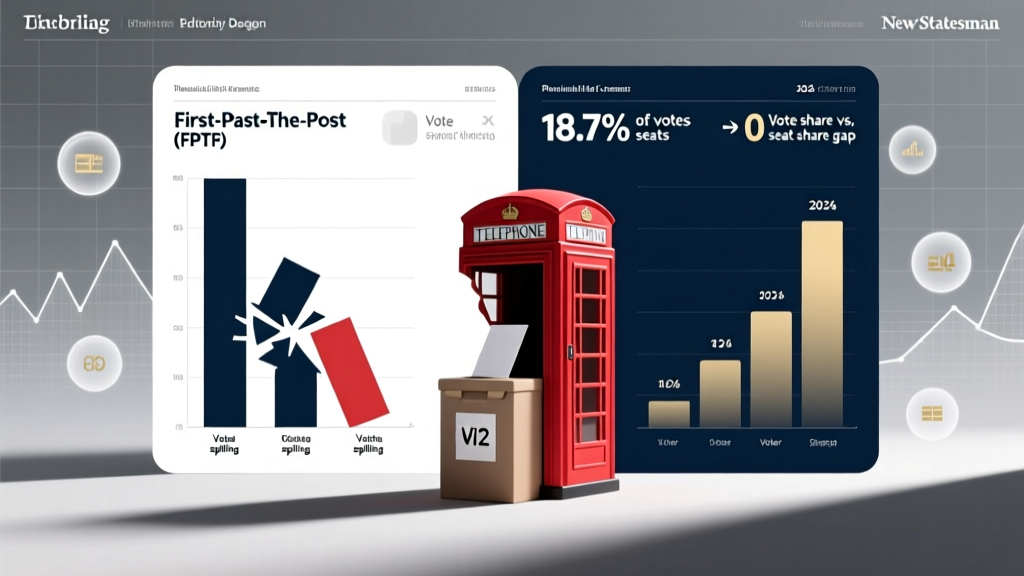 How in Britain is a third party vote calculated? The truth behind FPTP, vote splitting, and why your 'protest vote' might accidentally help the party you hate most — explained step-by-step with 2024 election data.
 Who Is Running for Ohio Governor in 2025 Republican Party? The Official List, Filing Deadlines, Fundraising Totals, and Which Candidates Actually Have a Real Shot at Winning — Updated Weekly Through Primary Day
What to Wear to Vegas Themed Party: The 7-Second Rule (No, It’s Not About Glitter—It’s About Instant Vibe Alignment)
Why Was Republican Party Formed? The Shocking Truth Behind Its 1854 Birth — Not Slavery Alone, But a Strategic Coalition of Conscience, Commerce, and Constitutional Crisis That Changed America Forever
Is Mario Party Jamboree on Switch 1? The Truth About Nintendo Switch Compatibility (Spoiler: It’s NOT — Here’s Exactly What You Need to Host the Perfect Mario Party Event in 2024)
Who Is Running for Ohio Governor in 2025 Republican Party? The Official List, Filing Deadlines, Fundraising Totals, and Which Candidates Actually Have a Real Shot at Winning — Updated Weekly Through Primary Day
What to Wear to Vegas Themed Party: The 7-Second Rule (No, It’s Not About Glitter—It’s About Instant Vibe Alignment)
Why Was Republican Party Formed? The Shocking Truth Behind Its 1854 Birth — Not Slavery Alone, But a Strategic Coalition of Conscience, Commerce, and Constitutional Crisis That Changed America Forever
Is Mario Party Jamboree on Switch 1? The Truth About Nintendo Switch Compatibility (Spoiler: It’s NOT — Here’s Exactly What You Need to Host the Perfect Mario Party Event in 2024)