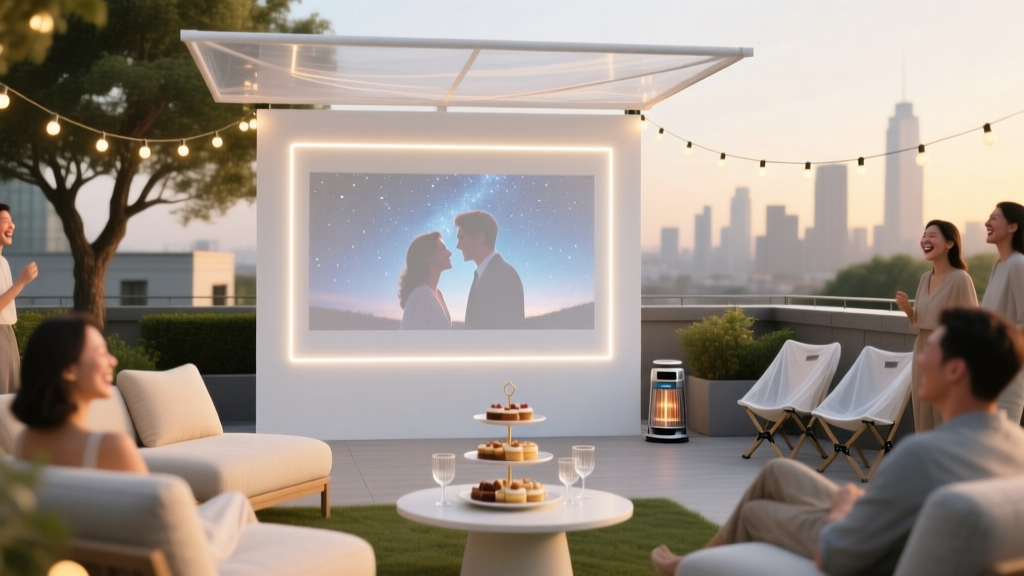
How to Handle Weather for Outdoor a Film Screening
An outdoor film screening can feel like pure movie magic: a glowing screen under the stars, cozy seating, great sound, and guests who stay long after the credits to talk about their favorite scenes. Weather is the one variable you can’t control—but with the right event planning and coordination strategy, you can absolutely manage it.
Weather planning isn’t just about “bringing umbrellas.” It’s a complete risk-management plan that protects your budget, your timeline, your equipment, and your guest experience. The best planners treat weather as a predictable part of the production: they build flexibility into the schedule, use the right vendors, and create clear communication paths so guests know exactly what’s happening.
This guide breaks down step-by-step outdoor event planning for weather, including timelines, checklists, vendor tips, budget considerations, common mistakes to avoid, and real-world examples you can adapt for your own movie night.
Start With a Weather-First Mindset (Before You Book Anything)
Define Your Weather “Go/No-Go” Thresholds
The most effective organizational strategy is deciding upfront what conditions you can tolerate. Write these decisions into your planning documents and vendor agreements.
- Light drizzle: Is the event still a “go” if guests are under tents and equipment is protected?
- Wind: What wind speed is your screen rated for (inflatable screens often have stricter limits)?
- Heat: What temperature triggers added shade, water stations, or an earlier start time?
- Air quality: For wildfire-prone areas, set an AQI threshold for postponement.
- Lightning: A clear “no” (most venues and insurers require shutdown).
Choose a Date With Weather in Mind
Event planning trend: planners increasingly use historical weather data (not just forecasts) to pick dates. Look up your location’s typical rainfall, wind patterns, and temperature ranges for your intended month.
- Pick a seasonal sweet spot (often late spring or early fall).
- Avoid peak storm months when possible.
- Plan start time based on sunset and typical evening temperature drops.
Build in a Backup Plan From Day One
For outdoor events, a “backup plan” should be specific, achievable, and communicated early.
- Plan A: Outdoors as designed.
- Plan B: Same venue with rain protection (tents/covered pavilion).
- Plan C: Indoor alternative (community hall, gym, warehouse space) or reschedule date.
Site Selection: The Venue Can Make or Break Weather Readiness
What to Look For in a Weather-Resilient Location
- Drainage: Avoid low spots that become muddy. Walk the site after rain if possible.
- Surface type: Grass is cozy but can turn slick; consider a nearby paved option for equipment.
- Access: Easy load-in/load-out reduces setup time if weather windows are tight.
- Power availability: On-site power reduces generator dependency (generators add complexity in rain/wind).
- Natural windbreaks: Buildings, tree lines (at a safe distance), fences—helpful for screen stability.
- Covered areas: Pavilions or awnings can serve as a partial Plan B.
- Indoor proximity: A nearby building can become a rapid fallback location.
Permits, Noise, and Neighborhood Considerations
Weather-related schedule changes can push your event later or require a rain date—make sure your permits and local ordinances allow it.
- Confirm quiet hours and any decibel limits.
- Ask the venue about rain-date policies and rescheduling fees.
- Check for curfews that could impact a delayed start.
Weather-Proofing Your Equipment: Screen, Projector, Audio, and Power
Screen Choices and Wind Planning
- Inflatable screens: Fast setup but wind-sensitive; confirm manufacturer wind ratings and anchoring requirements.
- Truss or frame screens: Often more stable, but require professional setup and more budget.
- Anchoring: Use proper stakes or ballast (sandbags/water weights). Never “improvise” with light objects.
Projector and Audio Protection
- Projector tent or enclosure: A purpose-built cover keeps gear dry and improves image consistency by reducing ambient light.
- Elevation: Raise equipment off the ground on platforms to avoid puddles and mud.
- Cable management: Use cable ramps and weather-resistant tape. Keep connections off wet grass.
- Speakers: Position under cover when possible; confirm water resistance and bring protective covers.
Power and Generator Safety
- GFCI protection: Essential for outdoor event safety, especially in damp conditions.
- Generator placement: Covered but ventilated—never enclosed in a way that traps fumes.
- Extra extension cords: Longer runs may be needed to reach safer, drier zones.
- Fuel plan: If you’re running long, plan refueling during daylight and away from guest areas.
Guest Comfort in Any Weather (The Part They’ll Remember)
Heat and Sun Management
- Offer shade structures for early arrival and preshow activities.
- Provide water stations plus electrolyte options if it’s hot.
- Adjust the schedule: start closer to sunset and shorten preshow time.
- Use a cool-down zone with fans or misting (where appropriate and safe around equipment).
Cold, Wind, and Evening Temperature Drops
- Set up wind-aware seating: aim rows so guests aren’t facing the wind.
- Offer blanket rentals or encourage BYO blankets in the invitation.
- Consider approved outdoor heaters (venue rules first), placed with safe clearances.
- Serve warm concessions: hot chocolate, cider, coffee.
Rain Readiness Without the Panic
- Have ponchos on hand (more effective than umbrellas in tight seating rows).
- Use tents for concessions, check-in, and equipment—not necessarily over all seating unless budget allows.
- Plan for mud control: straw, temporary walkways, or outdoor mats at key paths.
Step-by-Step Planning Timeline and Weather Checklist
6–8 Weeks Out: Foundation and Vendor Booking
- Choose your date range plus a rain date (or indoor fallback).
- Confirm venue rules: tents, generators, heaters, amplified sound.
- Book key vendors:
- AV provider (screen, projector, sound)
- Tent rental company (if using Plan B)
- Power/generator support (if needed)
- Request certificates of insurance (COIs) and verify coverage for weather-related risks.
- Create a simple weather decision document (thresholds + who decides + when).
3–4 Weeks Out: Layout, Guest Comms, and Comfort Planning
- Draft your site map:
- Screen placement (avoid streetlights and direct wind corridors)
- Projector zone (covered, elevated)
- Seating plan (with aisles and ADA access)
- Concessions under tent/cover
- Entry/check-in with weather protection
- Write guest messaging that sets expectations:
- “Event is rain-or-shine unless lightning/high winds.”
- Recommended attire list (layers, closed-toe shoes, blanket).
- Where updates will be posted (email/text/social page).
- Order supplies:
- Ponchos
- Sandbags/water weights
- Outdoor mats
- Extra towels/microfiber cloths for quick dry-off
7–10 Days Out: Forecast Monitoring and Confirmation Calls
- Start monitoring forecasts daily (use more than one source).
- Confirm:
- Tent delivery window
- AV load-in time
- Power plan and cable routes
- Create a decision timeline for postponement or indoor shift:
- 72 hours before: early warning to guests/vendors if weather looks risky
- 24 hours before: final call (or earlier if vendors require)
- Event day: safety-based decisions (lightning/wind)
48–72 Hours Out: Final Prep and Weather Contingency Activation
- Send a “What to Expect” message to guests with:
- Go/no-go time
- Parking and walking path tips (mud or wet grass notice)
- Reminders for layers/blankets/ponchos
- Stage your weather kit (labeled bins help):
- First aid + flashlight/headlamps
- Extra batteries + gaffer tape
- Tarps and bungee cords (for non-equipment uses)
- Signage: “Caution: Wet Grass,” “Covered Seating This Way”
Event Day: Operations and Real-Time Adjustments
- Morning check: Review wind, radar, lightning risk, and temperature swings.
- Set safety perimeter: Mark off AV and power zones; keep guests away from cables and generators.
- Protect gear early: Install covers and elevation before any drizzle starts.
- Adjust seating: Move front rows back if ground is soft; keep aisles clear.
- Make the call: Use your predefined thresholds—avoid “waiting it out” too long if safety is at risk.
- Communicate fast: One decision-maker, one message, posted everywhere.
Budget Considerations: What Weather Prep Really Costs
Weather planning is a smart investment in event success. Here’s a practical budget breakdown you can adapt.
Sample Budget Breakdown (Small-to-Mid Outdoor Screening)
- AV rental (screen, projector, sound): 40–55%
- Tents/coverage (check-in, concessions, equipment): 15–25%
- Power (generator, distribution, cable ramps): 10–15%
- Guest comfort (blankets, fans/heaters, water): 5–10%
- Permits/insurance: 5–10%
- Contingency fund for weather: 10–15%
Where to Spend vs. Where to Save
- Spend on: safe power distribution, proper anchoring, and experienced AV support.
- Save on: decorative extras that don’t impact comfort or safety (keep décor simple and wind-proof).
- Smart compromise: cover critical zones (AV + concessions) rather than trying to tent the entire seating area.
Vendor Selection Tips for Weather-Ready Events
Questions to Ask Your AV Provider
- What wind speed is the screen rated for, and what anchoring do you provide?
- Do you supply weather covers for projector and speakers?
- What’s your policy for rain dates or weather stoppages?
- Do you offer an on-site technician throughout the event?
Questions to Ask Tent and Rental Vendors
- Can you provide sidewalls (clear or solid) for wind/rain?
- What staking/ballast method will be used based on the surface?
- What are your cutoff times for weather-related changes?
Contract Clauses to Review
- Reschedule terms: fees, notice periods, and inventory holds.
- Force majeure: what’s covered and what isn’t.
- Liability and insurance: confirm who is responsible for damage due to weather.
Real-World Weather Scenarios (and How Pros Handle Them)
Scenario 1: Forecast Shows 40% Chance of Evening Showers
- Activate Plan B coverage: tent the projector zone and concessions.
- Switch guest messaging to “rain-ready movie night” and recommend ponchos.
- Move seating to higher ground and add mats at key walkways.
- Set a clear “pause and reassess” protocol if rain intensifies.
Scenario 2: Wind Picks Up During Setup
- Stop screen inflation/raising until anchoring is verified.
- Add ballast and reposition to a more sheltered angle.
- Be ready to pivot to a smaller screen or alternate setup if vendor recommends it.
Scenario 3: Heat Wave on Event Day
- Shorten preshow activities and start closer to sunset.
- Add water stations at entry and near seating.
- Offer shaded waiting areas and adjust concessions toward cold items.
Common Outdoor Film Screening Mistakes to Avoid
- Ignoring wind: wind is often a bigger threat than light rain for screens and tents.
- No decision deadline: waiting too long to postpone frustrates guests and increases vendor costs.
- Assuming one tarp solves everything: water management, electrical safety, and guest comfort need separate solutions.
- Underestimating temperature drop: guests leave early when they get cold, even if the movie is great.
- Forgetting the walking path: parking-to-seating mud is a top complaint and a real safety issue.
- Unclear communication: multiple sources of truth create confusion; assign one official update channel.
FAQ: Outdoor Movie Night Weather Planning
Should an outdoor film screening be rain-or-shine?
It can be, as long as you have proper equipment protection, safe power distribution, and covered areas for key zones. Lightning and unsafe wind conditions should always trigger a delay, indoor move, or reschedule.
How far in advance should I decide to postpone for weather?
Most planners set a final decision at 24 hours before, with an early advisory at 72 hours. Vendor contracts may require earlier notice, especially for tents and staffing.
Do I need tents even if the forecast looks clear?
A small tent for the projector and power area is a smart risk reducer. Even without rain, it helps with dew, unexpected drizzle, and stray light.
What’s the safest approach to power outdoors?
Use GFCI protection, keep connections off the ground, route cables with ramps, and place generators in covered-but-ventilated locations. If you’re not experienced with power planning, hire a professional AV team or electrician support.
How do I keep guests comfortable when temperatures drop after sunset?
Set expectations in your invitation (layers and blankets), offer blanket rentals or extras, consider safe outdoor heaters if permitted, and serve warm beverages.
What’s a simple weather checklist I can assign to a team member?
Have them monitor wind, lightning risk, and radar; confirm tents/weights are secure; check that cables are protected; and report conditions at set times (e.g., 4 hours, 2 hours, and 1 hour before start).
Next Steps: A Practical Weather-Ready Action Plan
- Pick your date and immediately define your weather thresholds (wind, lightning, heat, rain).
- Lock in a Plan B and Plan C that you can actually execute without chaos.
- Choose vendors with clear weather policies and proven outdoor event experience.
- Build a weather line item into your budget (10–15% contingency) and protect critical zones first.
- Create a one-page guest communication plan: what to bring, where to check updates, and when decisions will be made.
If you’re planning a movie night, block party, fundraiser, or community gathering, weather planning is one of the most valuable event coordination skills you can develop. Explore more outdoor event planning checklists, party organization templates, and vendor tips at smartpartyprep.com.
More Articles
 How Many Political Parties in England? The Real Number Will Surprise You — We Counted Every Registered Party (Including the 12 You’ve Never Heard Of)
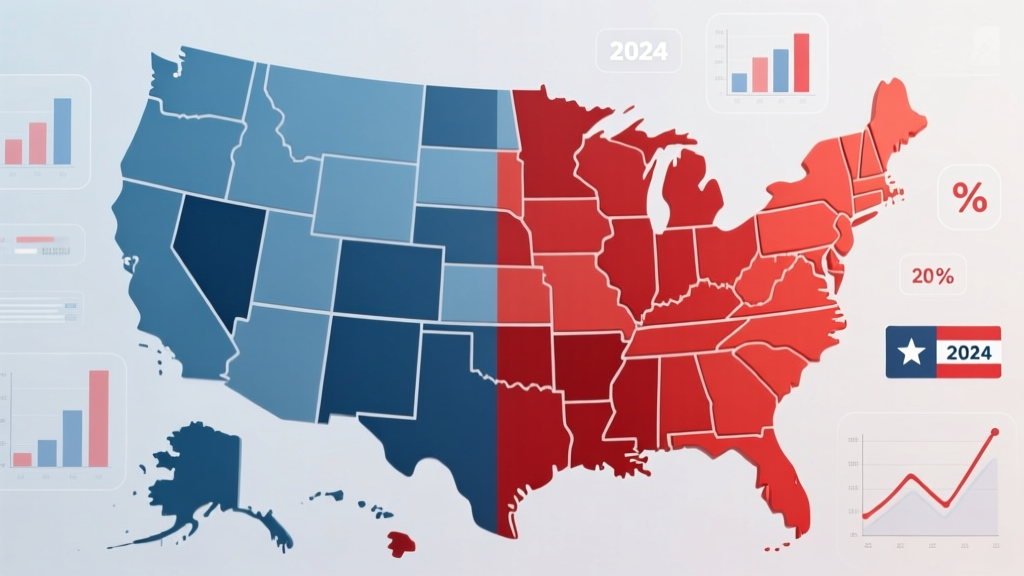 Which Party Does More Gerrymandering? The Data-Driven Truth Behind Redistricting Bias (2024 State-by-State Breakdown)
 What Is the Constitutional Party? The Truth Behind Its Origins, Platform, and Why It’s Not What Most People Assume — A Nonpartisan Breakdown You Can Trust