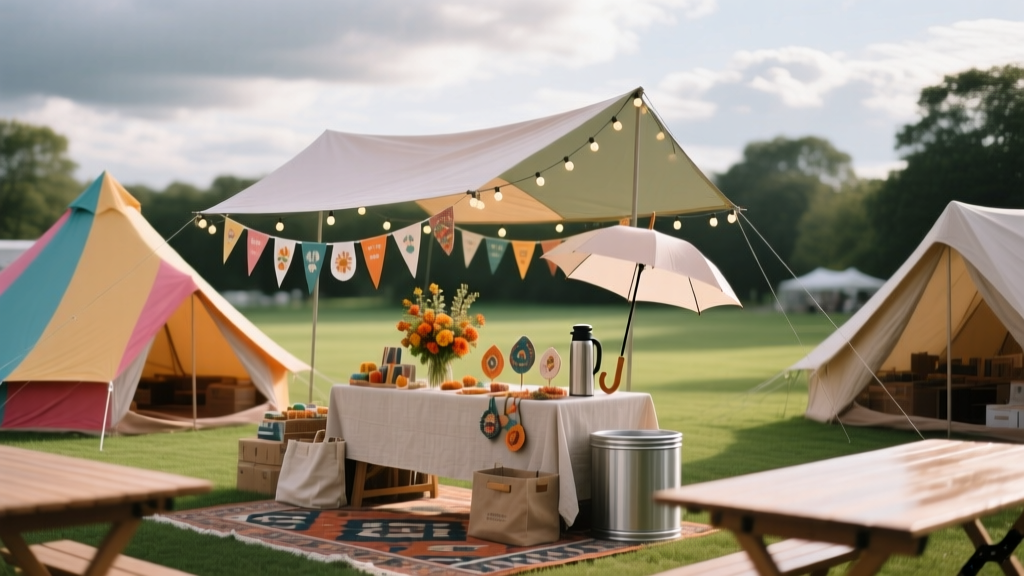
How to Handle Weather for an Outdoor Craft Fair
Outdoor craft fairs have a special kind of magic: natural light makes handmade products pop, fresh air keeps shoppers browsing longer, and the open layout invites discovery. The trade-off is weather—sun, wind, rain, heat, and cold can all impact attendance, vendor sales, safety, and your event’s reputation.
Weather planning isn’t about trying to control the forecast. It’s about building a flexible event plan with clear triggers, backup options, and smart communication so vendors and guests feel confident showing up. When your weather strategy is organized, you’ll protect your budget, reduce last-minute stress, and keep your craft fair running smoothly even when conditions change.
This guide breaks down a practical, step-by-step approach to outdoor event planning for weather, with timelines, checklists, budget tips, real-world examples, and common mistakes to avoid—so you can coordinate a craft fair that feels professional, safe, and well-prepared.
Start with a Weather-Ready Event Plan (Before You Book Anything)
Know your local patterns and microclimates
Smart event coordination starts with data, not guesses. Check historical weather for your location and month (temperature ranges, typical rainfall days, wind speeds). Pay attention to microclimates—parks near water can be windier; open fields can feel hotter; tree-lined spaces may drip after rain.
- Action step: Choose 2–3 alternate dates when the weather is historically calmer (often early mornings, shoulder seasons, or less windy weekends).
- Trend: More event planners are using “weather windows” instead of single dates—selecting a preferred date plus a fallback date in the contract.
Define weather thresholds (your go/no-go triggers)
Vendors and guests trust an organizer who makes decisions consistently. Create a written “weather policy” with thresholds that trigger delays, layout changes, or cancellation.
- Wind: Example trigger: sustained winds above 20 mph or gusts above 30 mph (canopies become unsafe).
- Rain: Example trigger: steady rain forecast for more than 2 hours during peak shopping time, or lightning in the area.
- Heat: Example trigger: heat index above 95°F for more than 1 hour.
- Cold: Example trigger: temps below 40°F with wind chill for extended periods (especially for long vendor shifts).
- Lightning: Use a strict lightning protocol (shelter immediately; resume after a safe interval).
Real-world example: A Saturday craft fair in a windy town sets a “no pop-up tents without 40 lb weights per leg” rule and a wind threshold for shutdown. Vendors know the expectation, and you reduce on-site conflict.
Site Selection and Layout Strategies That Reduce Weather Risk
Choose a location with built-in shelter and drainage
The best outdoor venues for craft fairs offer a mix of open browsing space and nearby shelter. During venue selection, evaluate:
- Permanent structures: pavilions, covered walkways, nearby community centers
- Parking that doesn’t flood and can handle rain flow
- Ground surface: grass (mud risk), gravel (trip risk), pavement (heat reflection)
- Drainage slope and known puddle zones
- Tree cover (shade) vs. falling debris risk in wind
Design a weather-smart layout
Your event layout is part of your weather plan. Build flexibility into the footprint so you can compress, rotate, or relocate sections as conditions change.
- Wind plan: Angle vendor rows to reduce wind tunnels; avoid long straight lanes aligned with prevailing winds.
- Rain plan: Keep main aisles on higher ground; use wider aisles to reduce puddle bottlenecks.
- Heat plan: Create shaded rest areas; place beverage vendors strategically; add seating under cover.
- Traffic flow: Put “anchor vendors” near entrances so guests browse quickly even if weather worsens.
Power, lighting, and ground safety
Weather increases risk for outdoor event power setups. If you offer electricity:
- Use GFCI protection and weather-rated extension cords
- Keep connections off the ground (cord ramps or elevated hooks)
- Tape down cords with outdoor-rated tape to prevent trips
- Have extra lighting for dark clouds or early evening storms
Vendor Coordination: Rules, Gear Standards, and Communication
Set clear vendor requirements (and enforce them)
A craft fair succeeds when vendor booths look consistent and safe. Include weather standards in your vendor packet and confirm acceptance during registration.
- Canopy weights: Require a specific minimum (commonly 30–50 lbs per leg). Ban stakes where prohibited.
- Waterproofing: Encourage sidewalls, clear plastic covers, and waterproof bins.
- Display safety: No top-heavy shelves without stabilization; protect signage from becoming airborne.
- Heat and cold readiness: Vendors bring fans, battery packs, hand warmers, layers, and hydration.
Vendor selection tips that reduce weather disruption
Vendor mix affects weather resilience. A strong lineup keeps guests browsing even if conditions are less than perfect.
- Prioritize vendors with professional booth setups (photos required during application).
- Include “weather-proof browsing” categories: packaged goods, small gift items, art prints (in sleeves), seasonal decor.
- Balance fragile displays (glass) with sturdy product types.
- Choose at least one hot beverage vendor for cool or rainy seasons.
Trend: More organizers request short booth setup videos or a “booth readiness checklist” instead of relying only on photos.
Communication plan: one message, one channel, one schedule
Weather decisions fall apart when communication is scattered. Use a central channel (email + SMS, or an event management platform) and publish a schedule for updates.
- 72 hours out: First forecast check + reminder of vendor weather requirements
- 24 hours out: Confirm go/no-go criteria; share parking and load-in adjustments
- Morning of: Final status + arrival instructions + safety reminders
- During event: Scheduled updates (e.g., hourly) and emergency alerts as needed
Step-by-Step Planning Timeline (with Checklist Templates)
8–12 weeks before: Foundations
- Book venue with clear weather clauses (reschedule options, rain date terms, deposit rules)
- Secure permits and confirm local regulations for tents, amplified sound, and signage
- Draft your written weather policy (wind, rain, heat, lightning)
- Build an emergency plan: shelter locations, evacuation routes, first aid, roles
- Start vendor outreach and require booth photos/setup standards
6–8 weeks before: Logistics and vendor readiness
- Finalize layout with weather backup layout (compressed version + sheltered vendor map)
- Confirm rentals: tents, sidewalls, flooring options, barricades, signage
- Book portable restrooms and handwashing stations (add extra for heat)
- Plan waste removal with covered bins and extra liners for wet conditions
- Set up communication tools: email templates + SMS alerts + signage files
3–4 weeks before: Guest experience and staffing
- Create a staffing plan with weather roles (safety lead, vendor support, parking, runner)
- Order supplies: caution tape, sandbags, tarps, zip ties, ponchos, towels
- Confirm insurance coverage (general liability; consider event cancellation coverage if appropriate)
- Launch attendee messaging: parking, what to bring, “event runs rain or shine” details
1–2 weeks before: Confirm and stage
- Walk the site and mark drainage issues; plan mat placement
- Finalize vendor map and load-in schedule (staggered arrivals reduce chaos)
- Confirm rental delivery times and setup crew plan
- Prepare weather-proof signage: check-in, first aid, exits, shelter
72–24 hours before: Forecast-based adjustments
- Review forecast from at least two reliable sources; watch wind gust predictions
- Decide on layout changes (add sidewalls, reduce canopy count, move demo areas)
- Send vendor and guest updates with clear expectations
- Pre-stage emergency supplies and confirm staff call times
Day-of: Operations checklist
- Safety briefing: lightning protocol, wind triggers, communication chain
- Inspect tents and weights at check-in (no exceptions)
- Place non-slip mats and cord covers; confirm GFCI protection
- Set up hydration station and shaded rest area (heat plan)
- Schedule weather checks every hour and document decisions
Budget Considerations: What Weather Planning Really Costs
Weather readiness is a line item, not an afterthought. The goal is to spend strategically so you avoid bigger losses like vendor refunds, damaged property, or a poor guest experience.
Sample weather-readiness budget (small-to-mid craft fair)
- Tent sidewalls / extra anchors: $200–$900 (depending on tent count)
- Canopy weights (if provided by organizer): $20–$40 per weight; $320–$800 total
- Ground protection (mats, straw for mud zones, cord covers): $150–$600
- Signage (weatherproof) + printing: $75–$250
- Emergency supplies (tarps, zip ties, ponchos, towels, tape): $80–$250
- Cooling or warming support (fans, heaters where permitted): $100–$500
- Insurance add-ons / event cancellation policy: varies widely
Where to save vs. where to spend
- Spend on: tent anchoring, safety signage, ground hazard prevention, communication tools
- Save on: decorative extras that won’t survive wind or rain; replace with durable branding elements
Real-world example: A fair that skips aisle matting after heavy rain risks injuries and vendor complaints. A $300 investment in mats and straw can protect your event’s reputation and reduce liability.
Weather Contingency Plans That Actually Work
Plan A / Plan B / Plan C framework
- Plan A (normal): Full layout, full programming, standard marketing push
- Plan B (limited): Compressed layout, more covered zones, adjusted entertainment, quicker setup
- Plan C (severe): Delay, early shutdown, reschedule, or cancellation with clear refund/credit policy
Programming adjustments for weather
- Move demos to covered areas or shorten them
- Shift peak activities earlier in the day if storms are forecast later
- Offer “weather-friendly” promotions: quick-shop maps, featured vendor list, bundled gift guides
Common Weather Planning Mistakes to Avoid
- No written weather policy: Leads to inconsistent decisions and arguments on-site.
- Assuming vendors bring proper weights: Enforce standards at check-in or unsafe tents will become your liability.
- Ignoring wind: Rain gets attention, but wind causes the fastest safety emergencies.
- Overpromising “rain or shine”: You can run in light rain, but still need a lightning and wind shutdown plan.
- Poor communication cadence: Last-minute vague updates reduce attendance and vendor trust.
- No ground plan: Mud and slippery cords create injuries and negative reviews.
FAQ: Outdoor Craft Fair Weather Planning
Should a craft fair be “rain or shine”?
Often yes for light rain, but only if you have a clear lightning policy, safe tent anchoring, and a ground safety plan. Use “rain or shine with safety exceptions” language and define those exceptions in writing.
What wind speed is unsafe for pop-up tents?
It depends on tent quality and anchoring, but many organizers set conservative triggers around sustained 20+ mph or gusts 30+ mph. Always follow manufacturer guidance and local regulations, and require proper weights per leg.
How do I communicate weather updates without causing panic?
Use consistent timing, clear thresholds, and specific instructions. Example: “We are continuing as planned. If lightning occurs within X miles, we will pause and direct everyone to shelter. Next update at 10:00 AM.”
Do I need event insurance for weather issues?
General liability is strongly recommended for outdoor events. Event cancellation coverage may help in certain scenarios, but policies vary—review exclusions carefully and confirm what qualifies as a covered weather event.
What should I require vendors to bring for weather?
Minimum canopy weights, waterproof coverings, table clips, product protection bins, and appropriate gear for heat/cold. Provide a vendor checklist and enforce it during load-in.
What’s the best backup plan if my venue has no indoor option?
Use a rain date, secure nearby shelter agreements (community building, school gym lobby, pavilion), and create a Plan B compressed layout that fits the safest portion of the site.
Next Steps: Your Weather-Ready Craft Fair Action Plan
- Write a one-page weather policy with thresholds and a lightning protocol.
- Build Plan A/Plan B/Plan C layouts and confirm shelter locations.
- Update vendor rules to include canopy weights, waterproofing, and safety checks.
- Add a weather-readiness line item to your event budget and source rentals early.
- Set a communication schedule (72 hours / 24 hours / day-of) and prepare message templates.
When weather planning is baked into your event organization and coordination strategy, you create a craft fair that feels calm, professional, and enjoyable—no matter what the forecast brings.
Want more practical event planning checklists, party organization tips, and vendor coordination guides? Explore the latest resources on smartpartyprep.com.
More Articles
 Did Trump Throw a Great Gatsby Party? The Truth Behind the Viral Rumor, What Actually Happened at Mar-a-Lago’s 2019 Gala, and How to Plan Your Own Authentic Jazz Age Affair Without the Misinformation
Is PA a 1-party consent state? The definitive 2024 guide every event planner, podcaster, and HR professional needs — avoid lawsuits, fines, and reputational damage with verified statutory analysis, real-case examples, and a step-by-step compliance checklist.
Who Gets Invited to a Bachelorette Party? The Unbiased, Stress-Free Guest List Framework (No Awkward Exclusions or Last-Minute Drama)
What to Wear to a 90s Party for Guys: The No-Stress, 7-Item Checklist That Guarantees Authentic Vibes (No Thrift Store Panic Required)
How to BBQ Right Party Wings: The 7-Step System That Prevents Dry, Burnt, or Bland Wings Every Single Time (Even With 20+ Guests)
Did Trump Throw a Great Gatsby Party? The Truth Behind the Viral Rumor, What Actually Happened at Mar-a-Lago’s 2019 Gala, and How to Plan Your Own Authentic Jazz Age Affair Without the Misinformation
Is PA a 1-party consent state? The definitive 2024 guide every event planner, podcaster, and HR professional needs — avoid lawsuits, fines, and reputational damage with verified statutory analysis, real-case examples, and a step-by-step compliance checklist.
Who Gets Invited to a Bachelorette Party? The Unbiased, Stress-Free Guest List Framework (No Awkward Exclusions or Last-Minute Drama)
What to Wear to a 90s Party for Guys: The No-Stress, 7-Item Checklist That Guarantees Authentic Vibes (No Thrift Store Panic Required)
How to BBQ Right Party Wings: The 7-Step System That Prevents Dry, Burnt, or Bland Wings Every Single Time (Even With 20+ Guests)