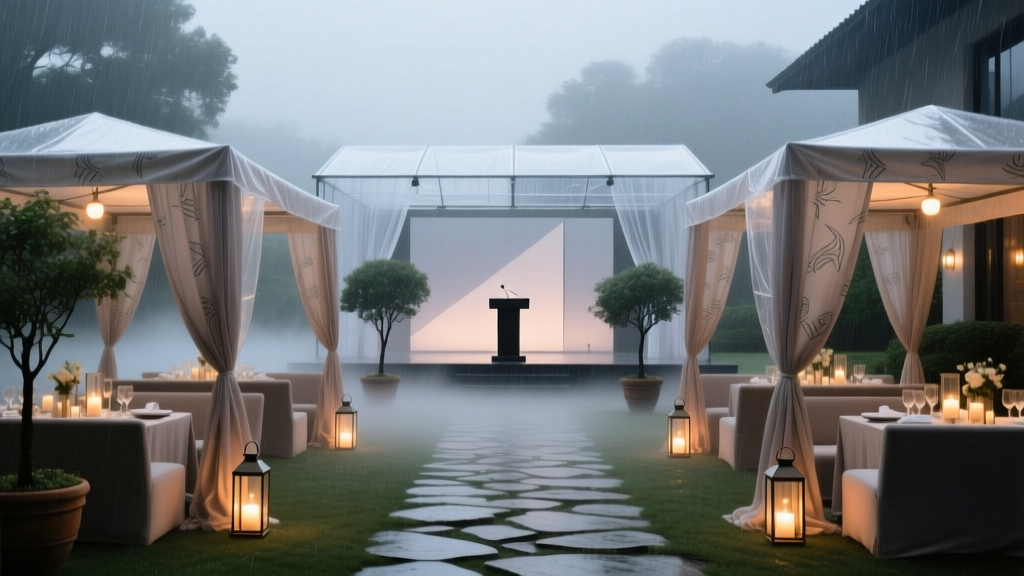
How to Handle Weather for Outdoor a Awards Ceremony
An outdoor awards ceremony has a special kind of magic: open air, great photos, a relaxed atmosphere, and a sense of occasion that feels bigger than a ballroom. Weather, though, is the one guest you can’t fully control. Wind can topple signage, heat can exhaust presenters, rain can ruin audio equipment, and cold can shorten speeches—fast.
Smart event planning isn’t about “hoping” for a sunny forecast. It’s about building a weather-ready plan that protects your timeline, your guests, your AV, and the integrity of the awards moment. With the right contingency strategy, outdoor event coordination becomes calmer, more professional, and often more cost-effective than last-minute fixes.
This guide breaks down a step-by-step approach—timeline, checklists, vendor tips, and budget considerations—so you can plan an outdoor awards ceremony that still runs smoothly when conditions change.
Start With Weather Risk Planning: Know What You’re Up Against
Before you choose rentals or write a run-of-show, define the weather risks specific to your location and season. This is a proven organizational strategy used by experienced event planners: identify risks early, assign owners, and set decision deadlines.
Typical Outdoor Ceremony Weather Risks
- Rain: Slippery surfaces, soaked seating, damaged programs, sound system failure
- Wind: Blown-over décor, unstable staging, mic noise, tent safety issues
- Heat and sun: Guest discomfort, dehydration, melted food, glare on teleprompters and screens
- Cold: Shorter attention spans, performers struggling, battery drain for wireless gear
- Lightning: Immediate safety risk and mandatory pause/evacuation
- Poor air quality (wildfire smoke) or high pollen: Health concerns, guest complaints
Build a Simple Weather Matrix (Fast, Practical)
Create a one-page “weather matrix” for your planning team and vendors. Example thresholds:
- Light rain: Proceed under tenting + waterproof AV coverings
- Steady rain: Move ceremony to backup indoor location OR delay by 30–60 minutes
- Wind > 20 mph: Remove tall signage, switch to weighted ground displays, pause banner frames
- Lightning within 10 miles: Pause and move guests to shelter (no exceptions)
- Heat index > 90°F: Add shade, hydration stations, shorten program, adjust dress code messaging
These thresholds should be aligned with venue policies, tent manufacturer guidelines, and local safety recommendations.
Choose a Weather-Smart Venue Layout (Not Just a Pretty One)
Outdoor event planning trends have moved toward flexible layouts: modular seating, quick-change staging, and multi-use tenting that can shift from cocktail space to ceremony space without a full reset.
Site Selection and Layout Tips
- Pick a naturally protected area: Courtyards, treelines (at a safe distance), building windbreaks
- Confirm drainage: Avoid low points where water pools; request a site map with grading if available
- Plan solid footing: Consider subflooring under tents, staging decks, and stable walkways
- Create a “weather buffer zone”: Extra space behind seating for poncho distribution, towel stations, or heaters
- Map guest flow: Covered check-in, covered path to seating, and a sheltered awards staging area
Stage, Seating, and Shade Setup
- Stage: Use a roofed stage or a stage under a tent with adequate clearance; add non-slip stairs
- Seating: Secure chair rows (zip ties or row connectors if on uneven ground); consider padded seating for longer programs
- Sun angle: Schedule so guests aren’t facing direct sun; use side lighting or diffusion for photos
- ADA access: Weather-proof ramps and stable pathways (mats or trackway systems)
Weather-Proof Your AV and Power (Where Most Outdoor Events Struggle)
Awards ceremonies depend on sound clarity and cue timing. Weather complicates both. Your event coordination plan should treat AV as a weather-sensitive “critical system,” not an afterthought.
AV Protection Checklist
- Water-resistant speaker covers and rain hoods for key equipment
- Elevated cable runs and cable ramps (avoid puddles and trip hazards)
- Pop-up tech tent for the audio board and show caller station
- Backup microphones (wired + wireless)
- Anti-wind mic screens (foam windscreens plus deadcat covers for outdoor wind)
- Screen visibility plan: LED wall if budget allows, or high-lumen projector with weather-rated housing
Power and Generator Best Practices
- Use GFCI protection on outdoor circuits
- Confirm generator placement is downwind and distanced for noise control
- Weatherproof power distribution with covered connections
- Build a “minimum viable show” power plan (what must stay on if you scale down)
Create a Clear Decision Plan: Go/No-Go Triggers and Communication
One of the most effective party organization strategies is assigning a single decision-maker for weather calls—then documenting the plan so vendors and staff aren’t guessing.
Set Decision Deadlines
- 72 hours out: Confirm backup venue or tenting upgrades; notify vendors of potential pivot
- 24 hours out: Confirm final layout and whether you’re adding sides to tents, heaters, or fans
- 6–8 hours out: Final go/no-go for outdoor ceremony start time; activate text/email updates
Guest Messaging That Prevents Panic
Send a short “Weather Ready” note 48–72 hours before the event. Include:
- Dress guidance (layers, comfortable shoes, sunglasses, light rain jacket)
- What’s covered (check-in, seating, awards stage)
- How updates will be shared (text alerts, email, event webpage)
- Parking and walking route details (especially if rain is possible)
Step-by-Step Planning Timeline and Outdoor Weather Checklist
Use this timeline template for structured event planning and coordination. Adjust based on event size and complexity.
8–12 Weeks Before: Foundation and Contracts
- Confirm ceremony date, start time, and rain plan options with the venue
- Choose primary and backup layouts (Plan A outdoor, Plan B indoor/tented)
- Book tenting, staging, AV, power, and restroom rentals early (peak season fills fast)
- Draft a preliminary run-of-show with weather buffers (extra 10–15 minutes)
- Ask vendors for weather policies: wind limits, rain procedures, reschedule fees
4–6 Weeks Before: Design for Flexibility
- Finalize tent specs (size, sidewalls, clear tops, flooring)
- Confirm signage materials (foam core won’t survive rain; consider PVC or treated boards)
- Choose décor that’s stable: weighted arrangements, low centerpieces, wind-safe backdrops
- Plan guest comfort additions: fans, misters, heaters, blankets, hydration stations
- Update vendor load-in plan with weather contingencies (covered staging areas, alternative vehicle access)
2–3 Weeks Before: Operations and Staffing
- Create a weather action sheet (who does what if rain/wind/heat hits)
- Assign a “weather lead” to monitor forecasts and coordinate with venue + tenting + AV
- Confirm volunteer/staff training: umbrella handling, towel stations, safe cable routing
- Order supplies: ponchos, towel bundles, clips/weights, sunscreen, water coolers
7 Days Before: Confirm, Rehearse, Refine
- Review the forecast patterns (not just a single-day prediction)
- Walk the site and mark:
- High ground vs low points
- Power drops and cable routes
- Emergency exits and shelter locations
- Reconfirm tent anchor plan (weighted ballast vs staking, based on surface)
- Finalize guest communication draft (ready to send quickly)
48–24 Hours Before: Activate Weather Mode
- Send guest update with attire and arrival instructions
- Confirm any add-ons: sidewalls, extra flooring, heaters/fans, additional lighting
- Print waterproof versions of:
- Run-of-show for key staff
- Vendor contact list
- Stage cues
- Pre-stage ponchos, water, towels, and signage weights
Day Of: Execution Checklist
- On-site weather check and safety review with venue and tent lead
- Test sound with wind mitigation (mic windscreens, speaker angles)
- Confirm runoff paths and dry zones for guests
- Brief presenters: shorter pauses, clear mic technique, where to stand if wind shifts
- Keep a 15-minute buffer before awards start for weather adjustments
Budget Considerations: What Weather Preparedness Really Costs
Weather planning is an investment in event continuity. A realistic outdoor awards ceremony budget includes a contingency line to avoid paying premium rates under pressure.
Sample Weather-Ready Budget Add-Ons (Typical Ranges)
- Tent with sidewalls: $1,500–$8,000+ (size, flooring, clear top, labor)
- Flooring or subfloor: $2–$8 per sq ft (varies widely)
- Heaters: $75–$250 each + fuel (multiple units often needed)
- Fans or misting: $50–$250 each (plus power planning)
- AV weather protection: $200–$1,000 (covers, tech tent, cable protection)
- Guest comfort supplies: $150–$800 (ponchos, towels, umbrellas, sunscreen)
Recommended Contingency
- Small events (under 100 guests): add 8–12% contingency
- Medium events (100–300 guests): add 10–15% contingency
- Large events (300+ guests): add 12–18% contingency, especially if AV is complex
Trend to follow: many planners now allocate a dedicated “guest comfort” budget (hydration, shade, heat/cold support) because it directly improves attendee experience and reduces complaints.
Vendor Selection Tips for Weather-Exposed Events
Your vendor team can make or break outdoor event coordination. Prioritize partners who have documented weather procedures and the right inventory.
Questions to Ask Tenting and Rental Vendors
- What are your wind ratings and anchoring methods for this surface?
- How quickly can you add sidewalls if forecast changes?
- Do you provide flooring, rain gutters, and weighted ballast?
- What’s your weather-related cancellation or reschedule policy?
Questions to Ask AV Vendors
- How do you protect speakers, consoles, and power connections from rain?
- Do you provide a tech tent and cable ramping?
- What’s the backup plan if wireless mics struggle in wind or humidity?
- Can you support a simplified “rain mode” setup without extra labor charges?
Catering and Bar Considerations
- Can food service shift under cover without disrupting guest flow?
- Do you have hot/cold holding equipment appropriate for outdoor conditions?
- Will the bar setup remain safe and stable on uneven ground?
Real-World Examples: Weather Plans That Saved the Ceremony
Example 1: The 30-Minute Rain Delay That Felt Intentional
A corporate recognition ceremony scheduled outdoors faced a sudden rain cell during guest arrival. The planner executed a pre-set delay plan:
- Guests moved to a covered cocktail area with a sponsored “welcome toast”
- Programs were reissued from a dry bin (printed backup copies)
- AV stayed protected under a tech tent, then resumed on schedule with a shortened speech block
Result: attendees perceived it as a seamless program adjustment rather than a disruption.
Example 2: Wind-Resistant Design Choices Prevented Décor Failure
A community awards night in a breezy park avoided tall backdrops and switched to:
- Low, weighted stage florals
- PVC signage on easels with sandbag weights
- Windscreens on every microphone
Result: clear audio, stable visuals, and no last-minute scrambling.
Common Weather Planning Mistakes to Avoid
- Relying on a single forecast screenshot: Track trend lines and hourly predictions across reliable sources
- Skipping a true Plan B: “We’ll squeeze under a small tent” isn’t a plan for a full audience
- Underestimating wind: Wind causes more failures than light rain—especially for tents, signage, and mics
- Forgetting ground conditions: Mud and uneven terrain impact guest mobility, ADA access, and safety
- No communication system: If guests don’t know where to go, delays feel chaotic
- Not protecting power and cables: Water + electricity is both a safety and liability issue
FAQ: Outdoor Awards Ceremony Weather Planning
What’s the best time of day for an outdoor awards ceremony to avoid weather issues?
Late afternoon to early evening often balances heat and lighting, but it depends on your region. Check historical weather patterns and sun angle. If storms are common in late afternoon, consider an earlier start with shade solutions.
Do I really need a tent if the forecast looks clear?
If the ceremony is mission-critical (press, VIPs, sponsors), a tent or an indoor backup is worth it. Clear forecasts can change, and tents also protect from harsh sun and wind, improving guest comfort.
How do I handle lightning during the ceremony?
Pause immediately and move guests to a designated shelter. Build this into your safety plan and brief staff and vendors ahead of time. Resume only when conditions meet your venue’s safety standards.
What are the most cost-effective weather upgrades?
High-impact, lower-cost upgrades include mic windscreens, ponchos, weighted signage, tech tent coverage for the sound board, and a guest hydration station. These prevent common failures without major structural changes.
How do I keep guests comfortable in extreme heat or cold?
For heat: shade, water stations, shorter program blocks, and relaxed dress guidance. For cold: patio heaters (with safe clearances), hot beverages, blankets, and minimizing seated downtime.
How early should I communicate a weather-related change?
Send a readiness message 48–72 hours out, then confirm any major plan changes 24 hours out when possible. Day-of updates should be clear and consistent through one primary channel (text alerts are best).
Next Steps: Your Weather-Ready Awards Ceremony Action Plan
- Draft your Plan A / Plan B layout this week (include AV, power, and guest flow)
- Write your weather matrix with clear triggers and decision deadlines
- Reserve tenting, flooring, and AV protection early—then budget a 10–15% contingency
- Send a polished “Weather Ready” guest message 48–72 hours before the event
- Run a day-of safety briefing so staff and vendors execute confidently
Outdoor awards ceremonies reward good planning with unforgettable moments—especially when your weather plan is built to flex without losing the magic. For more practical event planning, party organization, and coordination guides, explore the latest resources at smartpartyprep.com.
More Articles
 What Third Party Means in Real Life: The #1 Mistake Event Planners Make When Outsourcing (And How to Avoid Costly Legal & Logistical Pitfalls)
What to Wear to a Havana Nights Party: 7 Non-Negotiable Style Rules (That Prevent Costumes, Cringe, and Cultural Missteps)
What Third Party Means in Real Life: The #1 Mistake Event Planners Make When Outsourcing (And How to Avoid Costly Legal & Logistical Pitfalls)
What to Wear to a Havana Nights Party: 7 Non-Negotiable Style Rules (That Prevent Costumes, Cringe, and Cultural Missteps)
 How to Cut Watermelon for Party Like a Pro: 7 Foolproof Methods That Prevent Mess, Maximize Portion Control, and Keep Guests Coming Back (No Knife Skills Required!)
How Much Is a Party Bus to Rent NYC? Real 2024 Pricing Breakdown (Spoiler: It’s Not $299—Here’s What You *Actually* Pay Based on Group Size, Date, & Amenities)
How to Cut Watermelon for Party Like a Pro: 7 Foolproof Methods That Prevent Mess, Maximize Portion Control, and Keep Guests Coming Back (No Knife Skills Required!)
How Much Is a Party Bus to Rent NYC? Real 2024 Pricing Breakdown (Spoiler: It’s Not $299—Here’s What You *Actually* Pay Based on Group Size, Date, & Amenities)