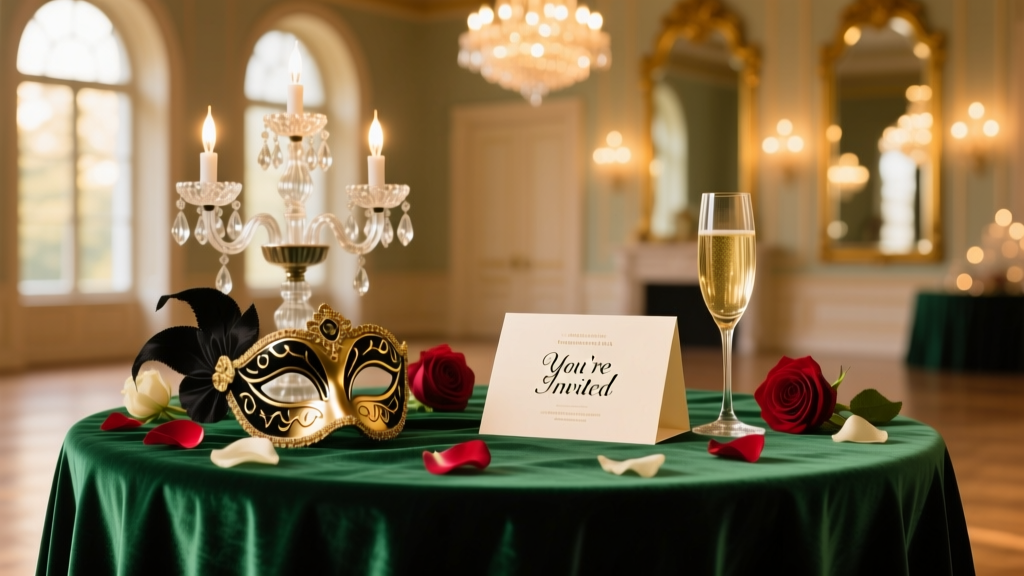
How to DIY a Masquerade Ball
A masquerade ball is one of the few event themes that instantly feels elevated—mysterious masks, dramatic lighting, and a sense of ceremony that turns a regular party into an experience. That same “wow factor” is exactly why planning matters. When guests arrive in formalwear and masks, they expect smooth logistics: a seamless entrance, a clear flow through the space, music that sets the mood, and a program that keeps the energy high.
DIY doesn’t mean “figure it out as you go.” The best self-planned masquerade balls use the same professional event coordination methods as large-scale galas: a planning timeline, a clear budget, a vendor strategy, and a detailed day-of checklist. With the right structure, you can create a high-end look without high-end stress—and your guests will remember the atmosphere long after the masks come off.
This guide walks you through a step-by-step planning process, practical templates, budget breakdowns, vendor selection tips, and common pitfalls to avoid—so you can host a masquerade ball that feels polished, intentional, and fun.
Step 1: Lock In the Vision (Theme, Dress Code, and Guest Experience)
Choose a masquerade style
A “masquerade ball” can be interpreted in many ways. Decide early so your décor, music, and invitations match the vibe.
- Venetian Classic: gold accents, candlelight, baroque details, string music + modern dance set.
- Modern Noir: black/white/silver palette, sleek masks, spotlight lighting, minimalist florals.
- Garden Masquerade: greenery, floral mask station, whimsical lighting, outdoor-friendly menu.
- Gothic Romance: deep jewel tones, dramatic drapery, vintage frames, moody playlist.
Set a clear dress code
The fastest way to elevate your event is a defined dress code. Make it easy for guests to follow and include mask expectations.
- Recommended wording: “Formal or cocktail attire + masquerade mask (required).”
- Mask guidance: “Half-face masks preferred for easy eating/drinking. Avoid full-face masks unless you’re comfortable removing it.”
- Accessibility tip: Encourage comfortable footwear and provide seating zones—formal events are longer and guests appreciate breaks.
Design the guest journey
Event planning trends emphasize “moments” over “stuff.” Aim for 4–6 memorable touchpoints guests can feel, photograph, or participate in.
- Grand entrance with a welcome drink
- Mask reveal or mask-blessing moment (optional, theatrical)
- Signature photo area with strong lighting
- Short program beat (toast, mini-performance, or announcement)
- Peak dance set + late-night snack
Step 2: Pick the Right Venue and Date (Flow Over Square Footage)
Venue options that work well for DIY
- Private home: best for 20–60 guests with a focused layout plan.
- Community hall / loft / studio: flexible, typically more cost-effective than banquet halls.
- Restaurant buyout or private room: easiest for food/bar logistics; often includes staffing.
- Backyard with a tent: beautiful, but budget for rentals, lighting, and weather backup.
Venue selection checklist
- Parking/ride-share plan and clear arrival instructions
- Restroom capacity (rule of thumb: 1 restroom per 25–35 guests)
- Noise restrictions and event end time
- Power access for DJ/lighting (ask about amperage and outlet locations)
- Space flow: entry → coat area → bar → seating → dance floor
- Rain plan if any portion is outdoors
Real-world example: space flow matters
For a 50-person masquerade in a rented loft, placing the bar near the entrance created a bottleneck. A better layout is: entrance with welcome drink station (pre-poured), then a separate bar deeper inside. That keeps arrivals moving and protects the “grand reveal” moment when guests step into the main room.
Step 3: Build Your Budget (Where to Spend vs. Save)
Budget breakdown template (percentage-based)
Use this as a starting point, then adjust based on your priorities and whether you’re hiring vendors.
- Food & beverage: 35–50%
- Venue: 15–30%
- Entertainment (DJ/live music): 8–15%
- Decor & rentals (linens, candles, lighting): 8–15%
- Photo experience (backdrop/photobooth): 5–10%
- Invites, signage, paper goods: 2–6%
- Masks (backup supply): 2–5%
- Contingency buffer: 8–12%
Sample budgets (realistic ranges)
- 30 guests (home-based): $800–$2,000
- 60 guests (hall/loft rental): $2,500–$6,500
- 100 guests (venue + catering): $6,000–$15,000+
Where to splurge for maximum impact
- Lighting: candles (real or LED), uplighting, pin spots on centerpieces
- Music: a DJ who can manage transitions and read the room
- Bar experience: 1–2 signature cocktails + attractive glassware
Where to save without looking “budget”
- Use one dramatic statement area (photo wall) rather than decorating every corner
- Mix real greenery with LED candles and a few premium floral pieces
- Offer curated masks for guests who forget theirs (bulk purchase + simple embellishments)
Step 4: Design the Atmosphere (Decor, Lighting, and Tables)
Masquerade décor essentials
- Color palette: choose 2 neutrals + 1 metallic + 1 accent (example: black + ivory + gold + emerald)
- Table mood: layered linens, taper candles, and reflective elements (mirrors, metallic chargers)
- Ceiling interest: string lights, drapery, hanging greenery (if venue allows)
- Signage: “Mask On,” bar menu, program schedule, and any house rules
Lighting strategy (the secret weapon)
Professional event planners treat lighting as the fastest way to transform a room. For a masquerade, aim for warm, flattering, and layered.
- Ambient: dim overhead lights; add warm string lights or soft lamps
- Task: brighter lighting at bar, buffet, restrooms, entry
- Accent: candles and LED uplights in corners to avoid dark “dead zones”
Photo-ready setup
Current party organization trends focus on “camera-friendly” experiences. Build one dedicated photo moment with good light.
- Backdrop: velvet curtain, metallic fringe, or a simple drape with greenery
- Lighting: ring light or continuous soft light (better than relying on flash)
- Props: a few fans, gloves, feather accents (keep it curated)
Step 5: Plan Food and Beverage for Formal Attire (Comfort and Cleanliness)
Menu planning tips
Masks and formalwear change what’s “easy” to eat. Build a menu that looks elegant but doesn’t create mess or long buffet lines.
- Best formats: passed appetizers, stations, small plates, plated dinner for higher formality
- Easy wins: skewers, crostini, mini cups, bite-sized desserts
- Avoid: overly saucy foods, fragile tacos, powdery desserts that stain
DIY bar plan (simple and polished)
- Signature cocktails: choose 2 (one spirit-forward, one lighter)
- Mocktail option: one zero-proof signature drink with a garnish
- Batching: pre-batch cocktails in labeled dispensers or pitchers
- Bar setup: bar menu sign, garnish tray, ice plan (1–1.5 lbs per guest), trash and recycling nearby
Vendor selection tip: caterer or drop-off?
- Drop-off catering: lower cost; requires you to manage setup, replenishment, cleanup
- Full-service catering: smoother guest experience; includes staffing, rentals, timing
- Hybrid option: drop-off food + hire 1–2 event staff for serving and resetting
Step 6: Entertainment and Program (Create Energy Without Over-Scheduling)
Music options
- DJ: best for dance-forward events and pacing the night
- Live trio or quartet: perfect for cocktail hour, then switch to a playlist later
- Playlist approach: workable for small events—assign someone as “music captain” so it’s not on the host
Sample program (4-hour event)
- 0:00–0:45: Arrival + welcome drink + photos
- 0:45–1:30: Cocktail hour + appetizers
- 1:30–1:40: Brief toast + announce the night’s highlights
- 1:40–2:30: Dinner or heavier stations
- 2:30–3:45: Dancing + late-night snack drop
- 3:45–4:00: Final song + last call + send-off
Optional “masquerade moments” guests love
- Best mask mini-awards: 3 categories (most elegant, most creative, most dramatic)
- Midnight reveal: a short countdown where guests remove masks for one song (works well for birthdays/NYE-style events)
- Wax seal notes: guests write anonymous compliments and drop them in a “mystery box”
Step-by-Step Planning Timeline and Checklists
6–8 weeks out: foundation
- Set budget range and guest count cap
- Choose venue/date/time and confirm any permits or rules
- Pick theme style, palette, and dress code wording
- Book key vendors (venue, DJ, caterer, photographer/photobooth)
- Create your master planning document:
- Guest list + RSVP tracker
- Vendor contacts + payment dates
- Floor plan sketch
- Run of show (schedule)
4–5 weeks out: design and ordering
- Send invitations (include mask requirement and arrival time guidance)
- Order décor supplies, linens/rentals, and backup masks (aim for 10–15% extra)
- Plan menu + bar (including mocktail and dietary options)
- Confirm lighting approach and music plan
- Decide on photo setup and order any backdrop materials
2–3 weeks out: coordination details
- Collect RSVPs and finalize headcount estimate
- Draft signage (bar menu, welcome sign, schedule, “mask on” reminder)
- Create a shopping list with quantities
- Assign roles:
- Door/greeter
- Bar captain
- Music captain (if no DJ)
- Cleanup lead
- Confirm vendor arrival times and load-in instructions
7 days out: final confirmations
- Finalize guest count and submit to vendors
- Confirm rentals, delivery windows, and pickup times
- Print signage and program cards
- Prepare tip envelopes (if using vendors/staff)
- Plan your day-of kit (see below)
48–24 hours out: execution prep
- Grocery and beverage run (include extra ice plan)
- Pre-batch cocktails (label clearly, keep chilled)
- Prep décor by zone in bins:
- Entry
- Tables
- Bar
- Photo area
- Restrooms
- Charge speakers/lights; test playlists; download music offline
- Confirm weather plan if outdoors
Day-of checklist (high-impact priorities)
- Set entry: coat area, welcome sign, mask backup basket, welcome drinks
- Set lighting first (then decorate—lighting affects how everything looks)
- Establish clear pathways (no clutter near entry or buffet)
- Place trash/recycling where guests naturally pause (bar, buffet, restroom hall)
- Do a 10-minute “guest walk-through” before doors open
- Start music 15 minutes before arrival time
Host’s event day-of kit
- Double-sided tape, safety pins, mini sewing kit
- Stain remover pen, lint roller
- Extra lash glue/skin-safe adhesive (for masks), bobby pins
- Extension cords, gaffer tape, spare batteries
- Pain reliever, mints, blotting papers
- Printed vendor list + schedule + floor plan
Vendor Selection Tips (DIY-Friendly and Reliable)
- Ask for “DIY-compatible” service levels: some vendors offer drop-off + setup without full staffing.
- Confirm insurance and venue requirements: many venues require COIs for vendors.
- Choose vendors who communicate clearly: fast, specific replies beat fancy portfolios.
- Get delivery windows in writing: a two-hour late rental delivery can derail your entire setup.
- Do a final confirmation call: 7 days out, verify timing, load-in, power needs, and contact person.
Common Masquerade Ball Planning Mistakes (and How to Avoid Them)
- Unclear dress code: guests show up mismatched. Fix: provide examples in the invite (“cocktail/formal + mask required”).
- Not enough lighting layers: the room looks flat or too dark for photos. Fix: combine ambient + task + accent lighting.
- Ignoring flow: bottlenecks at entry/bar/buffet. Fix: separate stations and keep walkways open.
- Overcomplicated menu: messy food and long lines. Fix: choose elegant bite-sized options and pre-portion where possible.
- No contingency buffer in budget: last-minute needs add up. Fix: reserve 8–12% for surprises.
- Host tries to run everything: you miss your own party. Fix: assign 3–4 roles or hire 1–2 event staff.
FAQ: DIY Masquerade Ball Planning
Do guests have to wear masks the entire time?
Not necessarily, but set expectations. Many hosts require masks on arrival and during the first hour for photos and ambiance, then allow optional removal later (especially during dinner).
How many backup masks should I provide?
Plan for 10–15% of your guest count. For 60 guests, keep 6–10 simple masks on hand. Add a small kit with elastic, tape, and skin-safe adhesive.
What’s the easiest way to make the event feel “luxury” on a budget?
Prioritize lighting + one statement focal area (photo backdrop or dramatic entry). Use cohesive colors, candles/LEDs, and strong signage. Guests remember atmosphere more than volume of décor.
Should I hire a DJ or use a playlist?
For a dance-forward masquerade with 40+ guests, a DJ typically delivers better pacing and smoother transitions. For smaller gatherings, a curated playlist works—just assign a music captain so it doesn’t fall on the host.
How long should a masquerade ball last?
A sweet spot is 4–5 hours. That’s enough time for arrivals, photos, food, and a strong dance set without guest fatigue.
What’s a good masquerade-friendly signature cocktail?
Choose one bold and one light option, such as a French 75 (sparkling and celebratory) and a Blackberry Bourbon Smash (dramatic color, easy to batch).
Next Steps: Turn Your Plan into a Smooth Event Day
Start by locking in your guest count and venue, then build your planning timeline backward from the event date. Create a single master document for your RSVP tracker, vendor contacts, floor plan, and run of show—then assign a few reliable helpers so you can actually enjoy the night. If you focus your budget on lighting, music, and a photo-ready focal point, your DIY masquerade ball will feel intentional and high-end without becoming overwhelming.
For more step-by-step event planning, party organization, and coordination guides, explore the resources at smartpartyprep.com and keep building your hosting toolkit—one unforgettable event at a time.
More Articles
 Is Maryland a one party consent state for recording? The truth about legal audio capture at weddings, meetings, and interviews — avoid felony charges with this 5-minute compliance checklist.
Who Was Involved in the Boston Tea Party? Unmasking the Real Participants Behind the Myth—Not Just Sons of Liberty, But Dockworkers, Printers, Lawyers, and Even a Teenage Apprentice
Is Maryland a one party consent state for recording? The truth about legal audio capture at weddings, meetings, and interviews — avoid felony charges with this 5-minute compliance checklist.
Who Was Involved in the Boston Tea Party? Unmasking the Real Participants Behind the Myth—Not Just Sons of Liberty, But Dockworkers, Printers, Lawyers, and Even a Teenage Apprentice
 What Did the Populist Party Do? The Truth Behind Their 1890s Reforms, Failed Presidential Bid, and Lasting Impact on U.S. Democracy — Debunking 5 Myths You Still Hear Today
What to Do at Graduation Party: The Stress-Free 7-Step Blueprint That Prevents Awkward Silences, Keeps Guests Engaged, and Makes Your Graduate Feel Truly Celebrated (No Overplanning Required)
How Did Parliament Respond to the Boston Tea Party? The Shocking Truth Behind the Coercive Acts — What Textbooks Leave Out About Britain’s Political Backlash and Colonial Fallout
How to RSVP for a Kids Birthday Party: 7 Stress-Free Steps (Even If You’re Running Late, Forgot the Invite, or Got a Text-Only 'Save the Date')
What Did the Populist Party Do? The Truth Behind Their 1890s Reforms, Failed Presidential Bid, and Lasting Impact on U.S. Democracy — Debunking 5 Myths You Still Hear Today
What to Do at Graduation Party: The Stress-Free 7-Step Blueprint That Prevents Awkward Silences, Keeps Guests Engaged, and Makes Your Graduate Feel Truly Celebrated (No Overplanning Required)
How Did Parliament Respond to the Boston Tea Party? The Shocking Truth Behind the Coercive Acts — What Textbooks Leave Out About Britain’s Political Backlash and Colonial Fallout
How to RSVP for a Kids Birthday Party: 7 Stress-Free Steps (Even If You’re Running Late, Forgot the Invite, or Got a Text-Only 'Save the Date')
 What Is a Stoplight Party? The Surprisingly Powerful (and Low-Prep) Group Activity Hack That Solves Engagement, Awkwardness, and Time Management at Your Next Event
How to Do a Favorite Things Party (Without the Stress or Overwhelm): A Realistic 7-Step Blueprint That Saves 12+ Hours of Planning — Backed by 47 Hosts’ Data
What Is a Stoplight Party? The Surprisingly Powerful (and Low-Prep) Group Activity Hack That Solves Engagement, Awkwardness, and Time Management at Your Next Event
How to Do a Favorite Things Party (Without the Stress or Overwhelm): A Realistic 7-Step Blueprint That Saves 12+ Hours of Planning — Backed by 47 Hosts’ Data