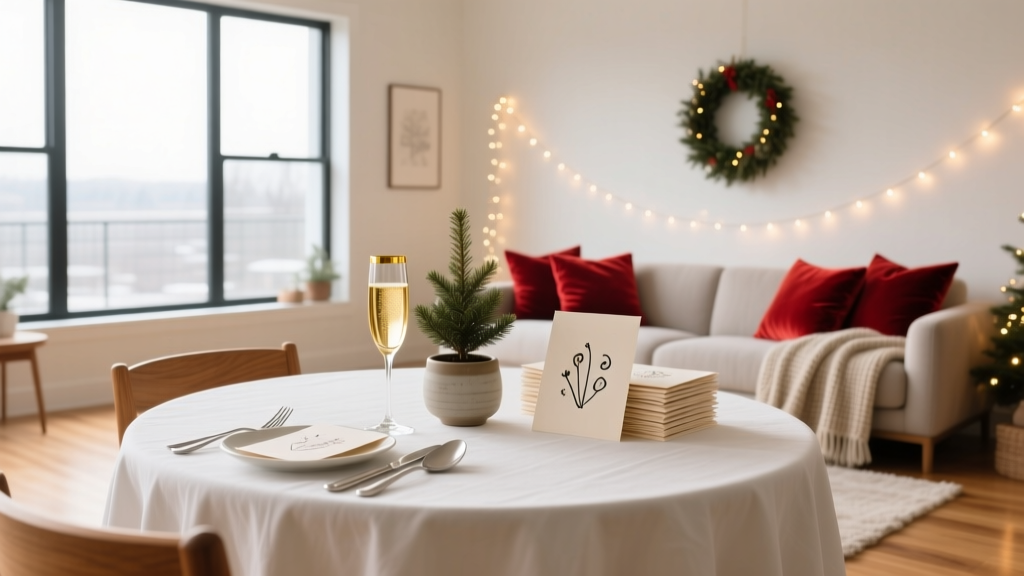
How to DIY a Holiday Party
A great holiday party rarely happens by accident. The events that feel effortless—where guests flow easily from drinks to food to conversation, where the music fits the mood, and where the host actually gets to enjoy the evening—are almost always the result of clear planning, smart organization, and a few strategic shortcuts.
DIY holiday party planning is especially rewarding because you can tailor every detail to your people: the menu, the décor, the traditions, and the vibe. It’s also a season when calendars fill quickly, budgets get stretched, and vendor availability becomes competitive. A simple planning timeline and a practical checklist keep your party from turning into a last-minute scramble.
This guide walks you through a step-by-step approach to planning, organizing, and coordinating a holiday party from start to finish, including budgeting, vendor selection, trend-forward ideas, and common mistakes to avoid.
Step 1: Define the Party Vision (and Make Key Decisions Early)
Start with the big picture. A holiday party plan becomes easier when you commit to a few foundational choices before you spend money or send invites.
Choose your party “anchor”
Pick one clear anchor that guides decisions:
- Occasion: Friendsgiving, office holiday mixer, family open house, ugly sweater night, cookie swap
- Format: Seated dinner, cocktail-style, buffet, progressive appetizers, drop-in open house
- Vibe: Cozy and intimate, upbeat and social, elegant and formal, kid-friendly
Lock in the essentials
- Date + start/end time: Holiday parties do best with a clear end time (even if it’s flexible).
- Guest count: Your budget, food quantity, seating, and rentals depend on this.
- Location: Home, community room, rooftop, restaurant buyout, backyard with heaters
- Non-negotiables: Dietary needs, kid accommodations, accessibility, parking
Real-world example: choosing a format that reduces stress
If you’re hosting 25–40 guests in a home, a holiday open house (drop-in) from 4–7 p.m. often reduces bottlenecks. Guests arrive in waves, you can keep food replenished easily, and seating becomes less of a constraint than with a seated dinner.
Step 2: Build Your Budget (Before You Shop)
A DIY holiday party budget doesn’t need to be complicated. It does need to be realistic. Start with a total you’re comfortable spending, then assign percentage ranges by category.
Simple holiday party budget breakdown (typical ranges)
- Food: 35–45%
- Beverages (alcohol + non-alcohol): 15–25%
- Décor + paper goods: 10–15%
- Rentals (tables, chairs, linens, glassware): 0–20% (varies widely)
- Entertainment (music, games, photo setup): 5–10%
- Contingency buffer: 5–10%
Budget example: 30-person holiday party at home ($900 total)
- Food: $360 (2 hearty appetizers, 2 lighter apps, dessert bar)
- Beverages: $180 (wine/beer + batch mocktail + sparkling water)
- Décor/paper goods: $120 (candles, greenery, napkins, plates)
- Rentals: $120 (extra folding chairs + linen pickup)
- Entertainment: $45 (instant photo prints or small prize bundle)
- Buffer: $75 (ice, last-minute servingware, extra snacks)
Money-saving strategies that still look elevated
- Go “apps and desserts” instead of a full dinner: Less cooking, fewer place settings, more mingling.
- Batch beverages: One signature cocktail and one signature mocktail reduce bar clutter.
- Décor that doubles as food styling: Greenery garlands, citrus, pomegranates, pinecones, and candles create instant atmosphere.
- Rent only what solves a real problem: If you’re short on chairs, rent chairs—skip extras you won’t use.
Step 3: Pick a Theme and Design Plan (Modern Trends Included)
A theme doesn’t need costumes or matching everything. Think of it as a design filter that makes choices faster and the party feel cohesive.
Current holiday party trends worth using
- Experience stations: Hot chocolate bar, ornament personalization, cookie decorating, build-your-own snack board
- Low-waste hosting: Compostable options, real glassware, cloth napkins, labeled recycling/compost bins
- “Cozy luxe” palettes: Neutrals + metallics, warm woods, soft lighting, layered textures
- Interactive photo moments: A simple backdrop + good lighting beats an expensive photo booth
- Inclusive menus: Great vegetarian/vegan options, clearly labeled allergens, zero-proof drinks that feel special
Create a simple décor formula
Use a repeatable structure so you’re not buying random items:
- Lighting layer: candles, string lights, lamps (avoid harsh overhead lighting)
- One “hero” moment: entry table, mantel, bar cart, or dessert display
- Tabletop basics: runner/cloth, napkins, place cards (optional), a low centerpiece that doesn’t block conversation
Step 4: Plan the Menu Like a Pro (and Prevent Bottlenecks)
DIY party food should support the flow of the event. The easiest way to keep guests happy is to make eating and drinking effortless.
Menu planning rules for holiday parties
- Choose 70% make-ahead items: dips, meatballs, roasted vegetables, cookies, bars
- Balance heavy + light: pair rich bites with fresh options (salads, fruit, crudités)
- Limit “last-minute cooking” to one thing: a baked brie, warm cider, or sheet-pan appetizer
- Label allergens: nuts, dairy, gluten, shellfish
Quantity guide (quick reference)
- Cocktail-style (3 hours): 8–12 bites per person
- Open house drop-in: plan for 6–8 bites per person, plus a hearty option
- Dessert: 2 pieces per person (more if it’s a dessert-focused party)
- Ice: 1 lb per person (or 0.5 lb per person if mostly wine/beer)
Serving layout tip: create zones
To avoid crowding around one table, set up:
- Bar zone: cups/glasses, napkins, beverages, garnish, trash
- Food zone: plates, utensils, appetizer spread, labels
- Landing zone: a small side table for guests to set drinks near seating areas
Step 5: Invitations, Guest Management, and Party Flow
Holiday schedules are tight. Good event coordination starts with clear communication.
Invite timing and wording
- Send invites 3–5 weeks out (earlier for larger groups or peak weekends).
- Use clear start/end times and dress guidance if relevant (“festive casual”).
- Ask for dietary needs and whether guests want to bring anything (optional).
RSVP tracking that doesn’t take over your life
- Best for simplicity: digital invitations with RSVP tracking
- Best for smaller groups: shared spreadsheet + text follow-ups
- Best practice: set an RSVP deadline 7–10 days before the event
Plan a loose “run of show”
You don’t need a minute-by-minute schedule, but a simple outline keeps the evening smooth:
- Arrival window: music set, drinks ready, easy appetizers out
- Peak mingling: replenish food, introduce a light activity (optional)
- Moment of focus: toast, gift exchange, game, dessert reveal
- Wind-down: coffee/tea, softer playlist, packaged leftovers
DIY Holiday Party Planning Timeline (with Checklist)
Use this planning timeline as your holiday party blueprint. Adjust based on party size, whether you’re using vendors, and how ambitious the menu is.
4–6 weeks before
- Choose date/time, guest count, and party format
- Set your total budget and category breakdown
- Pick theme/color palette and a simple décor plan
- Create a master list: food, drinks, servingware, seating, trash/recycling
- Book vendors if needed (rentals, bartender, cleaning help, photographer)
- Send invitations and include RSVP deadline
2–3 weeks before
- Finalize menu and beverage plan (include a mocktail)
- Confirm rentals and delivery/pickup times
- Plan your layout: bar zone, food zone, seating, coats, restrooms
- Order specialty items (custom cookies, catering trays, party favors)
- Create a shopping list separated by store (grocery, big-box, liquor)
7–10 days before
- RSVP follow-up and headcount lock
- Purchase non-perishables: paper goods, candles, shelf-stable mixers
- Prep playlists (start, peak, wind-down)
- Confirm any helpers (friend, teen, or hired assistant) and roles
- Do a servingware test: platters, tongs, bowls, ice bucket, bottle opener
2–3 days before
- Grocery run for perishables
- Make-ahead prep: dips, desserts, chopped garnishes, labeled bins
- Chill beverages; make and refrigerate batch mocktail base
- Clean and stage zones (bar, food table, bathroom basket)
Party day (morning/afternoon)
- Set up furniture and traffic flow (leave clear walkways)
- Set up lighting and music; do a quick sound check
- Place trash/recycling where guests can find it
- Finish hot foods last; keep cold foods cold
- Put out only 60–70% of food at first; restock in waves
Post-party (same night or next day)
- Pack leftovers in labeled containers; send extras with guests if desired
- Collect rentals and secure fragile items
- Quick reset: trash out, dishes soaking, counters wiped
- Notes for next time: what ran out, what was leftover, what guests loved
Vendor Selection Tips (When DIY Needs Backup)
You can DIY a holiday party and still outsource a few high-impact items. The best event planning strategy is using vendors to reduce your stress where it matters most.
When to consider a vendor
- Food: If you’re hosting 30+ guests or want to avoid cooking during the party
- Rentals: If you don’t have enough seating, glassware, or serving tables
- Cleaning help: A pre-party clean or next-day reset can be worth it
- Bartender: For cocktail-focused parties or if you want to be fully present
How to choose vendors quickly and confidently
- Get 2–3 quotes with clear inclusions (delivery fees, setup, gratuity, minimums).
- Ask about timing: drop-off windows, pickup times, and what happens if you run late.
- Look for proof of reliability: recent reviews, photos of real events, response speed.
- Confirm the “day-of” contact: who you call if something changes.
Common DIY Holiday Party Mistakes (and How to Avoid Them)
- Overcomplicating the menu: If everything needs last-minute attention, you’ll miss your own party. Choose one “fresh” item and keep the rest make-ahead.
- Not planning enough non-alcoholic options: Guests appreciate festive zero-proof choices. Provide sparkling water, a mocktail, and hot coffee/tea.
- Creating traffic jams: Put plates at the start of the food table, utensils/napkins at the end, and keep the bar in a different area.
- Buying décor without a plan: Stick to a palette and your décor formula (lighting + hero moment + tabletop basics).
- Forgetting comfort details: Coat area, bathroom supplies, extra trash bags, and a few seats make a big difference.
- No buffer in the budget: Ice, batteries, and last-minute grocery runs happen. Build in 5–10% contingency.
FAQ: DIY Holiday Party Planning
How far in advance should I start planning a holiday party?
For a home party of 10–30 guests, start 4–6 weeks ahead. For 30+ guests, weekend dates, or any rentals/catering, start 6–8 weeks ahead to secure vendors and avoid holiday calendar conflicts.
What’s the easiest holiday party format to host?
A drop-in open house is one of the easiest formats because arrivals are staggered, food can be replenished in waves, and seating pressure is reduced. Set a clear window (example: 4–7 p.m.).
How do I calculate how much food and drink I need?
For a 3-hour cocktail-style party, plan 8–12 bites per person and about 1–2 drinks per person per hour (including non-alcoholic). Adjust based on whether you’re serving a meal, the guest mix, and the time of day.
How can I make my DIY party look polished without spending a lot?
Prioritize lighting (candles, warm bulbs, string lights), keep a consistent color palette, and create one focal point like a styled bar cart or dessert table. Repeating a few elements—greenery, metallic accents, cloth napkins—reads as intentional design.
Should I hire a bartender or keep it self-serve?
Self-serve works well for smaller gatherings or wine/beer-focused parties. Consider a bartender if you’re serving multiple cocktails, hosting 30+ guests, or want to stay out of the kitchen and fully engage with guests.
What are the best last-minute “save the party” items to have on hand?
Extra ice, batteries, a backup phone charger, trash bags, paper towels, a stain remover pen, a lighter/matches for candles, and one additional salty snack (chips + dip is perfect).
Next Steps: Your DIY Holiday Party Action Plan
- Today: choose your date, guest count, and party format; set a realistic budget.
- This week: finalize your theme and menu outline; send invitations with an RSVP deadline.
- Two weeks out: confirm your layout, servingware, and any rentals; start shopping non-perishables.
- Party week: prep make-ahead foods, set up zones, and use your checklist to stay organized.
DIY holiday hosting is a lot more enjoyable when you plan like a coordinator: clear timeline, smart budget, and simple systems that support guest flow. For more step-by-step event planning, party organization checklists, and coordination tips, explore more guides on smartpartyprep.com.
More Articles
 Do You Take a Gift to a Gender Reveal Party? The Unspoken Etiquette Rules (and Why Most Guests Get It Wrong)
What Is Responsible Party Information? The Critical Detail 83% of Event Planners Overlook (And Why It Could Void Your Venue Contract)
Do You Take a Gift to a Gender Reveal Party? The Unspoken Etiquette Rules (and Why Most Guests Get It Wrong)
What Is Responsible Party Information? The Critical Detail 83% of Event Planners Overlook (And Why It Could Void Your Venue Contract)
 How Political Parties Serve as Linkage Institutions: The 5 Real-World Ways They Bridge Citizens & Government (And Why Most Textbooks Get It Wrong)
What Is Party 4 U About Meaning? We Decoded the Brand’s True Purpose—And Why Most People Misinterpret Its Role in Modern Event Planning (Spoiler: It’s Not Just a Vendor)
How Much Is a Party Pizza From Big Y in 2024? Real-Time Pricing, Size Breakdowns, & 5 Smart Ways to Save Up to $8.50 Per Order (Without Coupons)
How Political Parties Serve as Linkage Institutions: The 5 Real-World Ways They Bridge Citizens & Government (And Why Most Textbooks Get It Wrong)
What Is Party 4 U About Meaning? We Decoded the Brand’s True Purpose—And Why Most People Misinterpret Its Role in Modern Event Planning (Spoiler: It’s Not Just a Vendor)
How Much Is a Party Pizza From Big Y in 2024? Real-Time Pricing, Size Breakdowns, & 5 Smart Ways to Save Up to $8.50 Per Order (Without Coupons)
 What Is a 3rd Party Check? The Hidden Risk You’re Overlooking When Paying Wedding Vendors (and How to Protect Your $5,000 Deposit)
How Much Alcohol to Buy for a Party: The Stress-Free Formula That Prevents Running Out *and* Wasting $127 (Backed by 37 Real Guest Lists & Bartender Data)
How to Unlock All Minigames in Super Mario Party: The Only 7-Step Guide That Actually Works (No Glitches, No Missed Content, Full 83-Minigame Coverage)
When Does Halsin Join Your Party in Baldur's Gate 3? The Exact Timing, Required Quest Steps, and Why Skipping Act I Can Lock You Out Permanently
What Is a 3rd Party Check? The Hidden Risk You’re Overlooking When Paying Wedding Vendors (and How to Protect Your $5,000 Deposit)
How Much Alcohol to Buy for a Party: The Stress-Free Formula That Prevents Running Out *and* Wasting $127 (Backed by 37 Real Guest Lists & Bartender Data)
How to Unlock All Minigames in Super Mario Party: The Only 7-Step Guide That Actually Works (No Glitches, No Missed Content, Full 83-Minigame Coverage)
When Does Halsin Join Your Party in Baldur's Gate 3? The Exact Timing, Required Quest Steps, and Why Skipping Act I Can Lock You Out Permanently