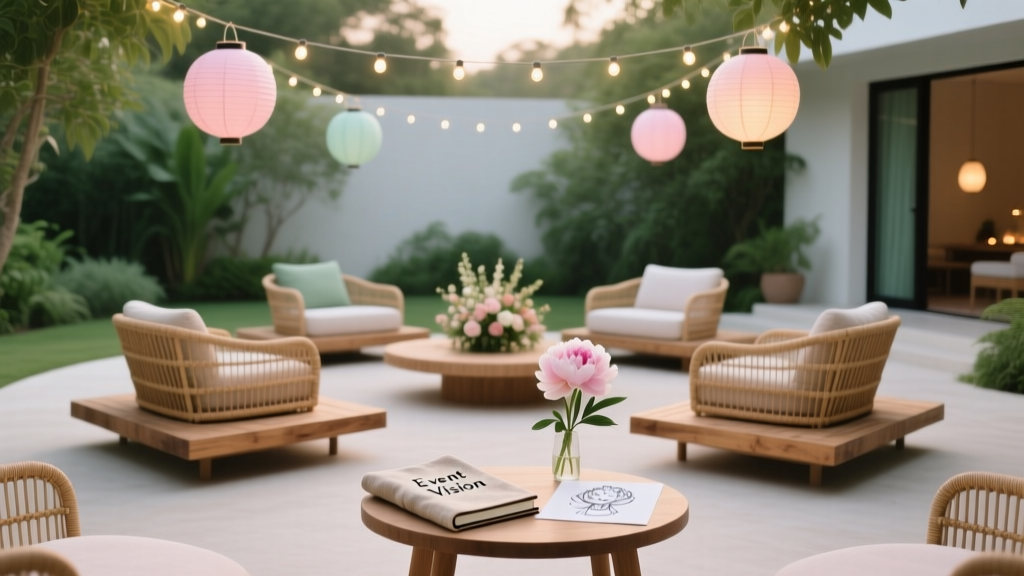
How to Choose a Theme for a Wellness Retreat
A wellness retreat is more than a schedule of yoga classes and healthy meals—it’s an immersive experience that shapes how guests feel, connect, and reset. The theme you choose becomes the “north star” for every event planning decision: venue style, instructors, décor, menus, programming flow, and even the tone of your marketing. When the theme is clear, coordinating vendors is easier, budgets stay tighter, and attendees walk away feeling like the retreat delivered exactly what it promised.
Proper planning matters even more for wellness events because expectations are personal. Guests aren’t just buying a ticket; they’re investing time, trust, and emotional energy. A thoughtfully chosen retreat theme helps you create a cohesive environment where participants feel safe, supported, and inspired—while your event organization stays streamlined and professional.
This guide walks you through step-by-step strategies, a planning timeline, budget considerations, vendor selection tips, common mistakes to avoid, and real-world examples you can adapt for your own retreat planning.
What a Wellness Retreat Theme Really Does (Beyond Aesthetic)
A theme is not just a color palette or a catchy title. In event coordination terms, your theme functions like a planning framework that keeps decisions consistent across the entire experience.
- Clarifies your purpose: Are you focused on stress relief, fitness, burnout recovery, mindfulness, women’s health, or leadership wellness?
- Attracts the right audience: A “Silent Mindfulness Weekend” pulls different attendees than “High-Energy Fitness Reset.”
- Guides programming: You’ll know whether to prioritize meditation, workshops, outdoor activities, coaching sessions, or rest blocks.
- Improves vendor alignment: Chefs, instructors, therapists, and venues can match your intent (and avoid mismatched deliverables).
- Strengthens marketing: Your website copy, social content, and event listings become more specific and compelling.
Step 1: Define Your Retreat Goal and Transformation
Start with a simple statement: “Guests arrive feeling ___ and leave feeling ___.” This is a proven organizational strategy used in experience design and event planning because it keeps the attendee outcome at the center.
Quick prompts to lock in your goal
- What problem are you solving (stress, insomnia, burnout, anxiety, low energy, lack of community)?
- What outcome is realistic in 2–4 days (calmer, more energized, better habits, stronger clarity)?
- Is your retreat more therapeutic, educational, physical, spiritual, or social?
Example goal statements
- Burnout Reset: “Guests arrive depleted and leave with a sustainable rest routine and boundaries plan.”
- Nature Reconnection: “Guests arrive overstimulated and leave grounded through outdoor movement and mindful unplugging.”
- Healthy Habits Jumpstart: “Guests arrive stuck and leave with a 30-day wellness action plan and accountability support.”
Step 2: Know Your Audience (and Design for Their Real Needs)
Wellness retreat planning works best when your theme reflects what your attendees truly want—not what looks trendy on a flyer. Consider creating a simple attendee profile before you brainstorm themes.
Audience questions that shape the right theme
- Are attendees beginners or experienced in yoga/meditation/fitness?
- What’s the average age range and mobility level?
- Are they coming solo, with friends, or as couples?
- Do they prefer structured schedules or flexibility?
- What accommodations do they need (dietary restrictions, accessibility, sensory sensitivity)?
Practical research methods (fast and effective)
- Run a 5-question poll on Instagram or email.
- Interview 5 past clients or community members and ask what would make them say “yes.”
- Review feedback from similar events (yoga studios, corporate wellness events, local retreats).
Step 3: Choose a Theme Type That Fits Your Brand and Logistics
The strongest themes are both inspiring and workable. As you plan, align the theme with your resources, location, season, and vendor availability.
6 theme formats that work well for wellness retreats
- Outcome-based theme: “Reset & Restore,” “Sleep Deep Weekend,” “Stress Less Retreat.”
- Seasonal theme: “Spring Renewal,” “Winter Stillness,” “Summer Energy Boost.”
- Nature-based theme: “Mountain Grounding,” “Ocean Calm,” “Forest Bathing Escape.”
- Practice-based theme: “Yoga + Sound Healing,” “Meditation Intensive,” “Pilates & Mobility.”
- Lifestyle theme: “Digital Detox,” “Nourish & Cook,” “Mindful Productivity.”
- Community theme: “Women’s Wellness Circle,” “Men’s Mental Fitness,” “Healing After Burnout.”
Current event planning trends to consider (and how to use them responsibly)
- Micro-retreats: Shorter 1–2 day experiences that are easier to sell and coordinate; great for testing themes.
- Personalization: Build “choose-your-own-track” blocks (gentle vs. energizing) without overcomplicating the schedule.
- Low-stimulation design: Softer lighting, quiet zones, fragrance-free options, and less packed itineraries.
- Purpose-driven programming: Breathwork + education + actionable habit plans (attendees want take-home value).
- Sustainable event planning: Refill water stations, locally sourced food, minimal single-use décor.
Step 4: Build a Theme “Decision Filter” (So Every Choice Matches)
Once you have 1–3 theme ideas, run them through a practical filter. This prevents common event organization issues like mismatched instructors, confusing marketing, or an agenda that feels scattered.
The Theme Fit Scorecard
- Clarity: Can someone understand the retreat in 10 seconds?
- Feasibility: Can you deliver it with your venue, budget, and team?
- Uniqueness: What’s the hook that makes it different from local options?
- Consistency: Does it align with your brand voice and your instructors’ expertise?
- Marketability: Can you create 6–10 pieces of content and a landing page around it?
Real-world example
If your venue is a rustic lodge with spotty Wi-Fi, a Digital Detox + Nature Reset theme is naturally aligned. If your venue is an upscale hotel spa near an airport, a Luxury Recovery Weekend theme may land better with busy professionals.
Step 5: Translate the Theme Into Concrete Retreat Elements
This is where event coordination turns the theme into a cohesive guest experience.
Theme-to-experience mapping template
- Name + tagline: “Reset & Restore: A Weekend to Rebuild Your Energy”
- Signature activities (2–3): e.g., sunset yoga, breathwork workshop, guided journaling
- Food approach: high-protein, plant-forward, anti-inflammatory, mindful tasting
- Design + ambiance: natural textures, soft neutrals, quiet spaces, minimal signage clutter
- Guest takeaways: habit tracker, recipe booklet, guided audio, accountability group
Programming balance tip (avoid agenda burnout)
A common mistake in wellness retreat planning is overscheduling. For most audiences, a strong flow includes:
- 60–70% guided sessions (movement, workshops, circles)
- 30–40% intentional downtime (rest, spa, walking, journaling)
Step-by-Step Planning Timeline (with Checklist Items)
Use this timeline as a practical template for retreat planning and event organization. Adjust based on retreat size and whether you’re booking a destination venue.
12–16 Weeks Out: Theme, Budget, Venue, Core Team
- Finalize theme name, transformation statement, and audience profile
- Create a preliminary budget and set your ticket price range
- Shortlist 3–5 venues that fit the theme (privacy, natural light, noise level, accessibility)
- Confirm retreat dates based on seasonality and local event calendars
- Lock core vendors: lead instructor(s), chef/catering lead, photographer (optional)
- Draft a simple itinerary skeleton (arrival, daily blocks, departure)
8–12 Weeks Out: Marketing, Vendors, and Logistics
- Build a retreat landing page with theme-driven copy, FAQs, and policies
- Open registration with clear inclusions/exclusions
- Confirm wellness practitioners (massage, sound bath, breathwork, coaching)
- Plan transportation guidance (parking, shuttle options, nearest airport)
- Gather dietary needs and accessibility requirements early
- Create your vendor coordination document (contacts, arrival times, deliverables)
4–8 Weeks Out: Details, Guest Experience, and Run of Show
- Finalize the session schedule and confirm all instructor topics
- Approve menu plan and snack/beverage stations
- Plan theme-forward, minimal décor (signage, welcome table, calming lighting)
- Order printed items: welcome cards, schedule, room signs, dietary labels
- Create your packing list and send it to attendees
- Confirm liability waivers, emergency plan, and insurance needs
1–3 Weeks Out: Confirmation and Final Counts
- Finalize headcount, rooming list (if applicable), and dietary restrictions
- Send a “Know Before You Go” email (arrival times, what to bring, expectations)
- Create a detailed run of show (minute-by-minute schedule + responsibilities)
- Confirm vendor load-in, sound needs, power access, and backup plans
- Assemble attendee welcome kits (keep them useful, not cluttered)
Event Week + Post-Event
- Print a master contact list and keep it offline
- Assign an on-site coordinator to handle vendor questions and timekeeping
- Collect feedback with a short survey within 48 hours
- Send a follow-up email with resources tied to your theme (habit plan, recordings, recipes)
- Debrief budget actuals vs. planned and document improvements for next time
Budget Considerations (Plus a Sample Breakdown)
Theme impacts budget directly. A “Luxury Spa Recovery” theme might require upgraded linens and higher-end catering, while a “Back-to-Basics Nature Reset” can prioritize outdoor programming and simpler décor.
Sample budget breakdown (percentage-based)
- Venue + lodging: 35–55%
- Food + beverage: 15–25%
- Instructors/practitioners: 10–20%
- Event operations (insurance, permits, supplies): 5–10%
- Marketing + registration platform fees: 5–10%
- Décor + signage + printing: 2–5%
- Contingency: 5–10%
Cost-control strategies that still feel premium
- Choose one “hero” moment (e.g., a sunset sound bath) instead of upgrading everything
- Use natural surroundings as décor; keep branded items minimal and intentional
- Offer add-ons (massage sessions, private coaching) to increase revenue without raising base ticket prices
- Bundle vendor services (one practitioner offering two modalities)
Vendor Selection Tips for Theme Alignment
In retreat coordination, vendors don’t just provide services—they shape the emotional tone. Hire people who understand the theme and can support your guest experience standards.
Vendor vetting checklist
- Ask for examples of similar wellness events they’ve supported
- Confirm their communication style and reliability (response times matter)
- Request a clear scope of work: setup needs, session length, equipment, cleanup
- Discuss inclusivity and safety (trauma-informed language, modifications, consent)
- Confirm licensing/insurance where required
Questions to ask instructors/practitioners
- How do you adapt for mixed experience levels?
- What props or AV do you require?
- How do you support participants with anxiety, injury, or sensory sensitivity?
- Can you tailor your session to our theme and transformation goal?
Real-World Theme Examples (and How They Affect Planning)
Example 1: “Stress Less Weekend” (Beginner-Friendly)
- Best for: first-time retreat attendees, professionals, caregivers
- Programming: gentle yoga, guided meditation, stress education workshop, journaling
- Vendors: calming instructor style, chef experienced with comforting healthy meals
- Design: quiet zones, soft lighting, minimal fragrance
Example 2: “Peak Energy Reset” (Fitness + Recovery)
- Best for: active attendees who want structure
- Programming: morning strength, mobility sessions, recovery breathwork, nutrition workshop
- Vendors: fitness coach + bodywork therapist; high-protein menu planning
- Operations: more equipment, more water stations, stricter timekeeping
Example 3: “Digital Detox & Nature Reconnection”
- Best for: overstimulated guests, creatives, teams
- Programming: guided hikes, forest bathing, evening circle, stargazing meditation
- Logistics: clear phone policy, emergency contact plan, offline schedules
- Design: natural materials, signage that reduces decision fatigue
Common Planning Mistakes to Avoid
- Choosing a theme that’s pretty but vague: If your theme doesn’t translate into programming and outcomes, guests feel confused.
- Overpromising transformation: Wellness is personal—market a realistic outcome and provide strong takeaways.
- Overscheduling: Too many sessions makes the retreat feel like a conference, not a reset.
- Ignoring accessibility and inclusivity: A theme should welcome people, not exclude them unintentionally.
- Not building a contingency plan: Weather backups, instructor illness coverage, and tech alternatives are part of professional event coordination.
- Forgetting the “between moments”: Check-in flow, signage clarity, hydration access, and quiet seating often shape guest satisfaction more than décor.
FAQ: Choosing a Theme for a Wellness Retreat
How many themes should I consider before deciding?
Start with 3, score them using a simple Theme Fit Scorecard (clarity, feasibility, uniqueness, consistency, marketability), then commit to one. Too many options slows retreat planning and makes marketing inconsistent.
Should my theme be broad or niche?
Niche themes usually convert better because they attract the right audience quickly. If this is your first retreat, choose a theme that’s specific but beginner-friendly (e.g., “Stress Less Weekend” rather than “Total Life Transformation”).
How do I choose a theme that sells tickets?
Pair your theme with a clear outcome and a recognizable format. Strong retreat marketing includes: a straightforward name, a promise you can deliver, and 2–3 signature experiences people can picture immediately.
What if my venue doesn’t match my theme perfectly?
Adjust the theme to fit the venue strengths instead of forcing expensive changes. A mismatched venue often creates budget overruns and coordination headaches. Focus on lighting, sound, layout, and comfort first.
Can I combine themes (like yoga + cooking + mindfulness)?
Yes, if they serve one main transformation. Keep a single headline theme and position the rest as supporting elements. Example: “Nourish & Reset” (headline) with yoga and cooking as the delivery tools.
How do I keep the theme consistent across vendors and décor?
Create a one-page theme brief and share it with every vendor. Include: theme statement, audience profile, tone words (calm, grounded, empowering), color cues, session goals, and any “do not include” items (e.g., high-fragrance candles, loud music).
Actionable Next Steps to Finalize Your Retreat Theme
- Write your transformation statement: “Arrive ___, leave ___.”
- Choose an audience profile and list their top 5 needs.
- Pick 3 theme concepts and score them for clarity, feasibility, and marketability.
- Draft a theme brief and a simple itinerary skeleton.
- Confirm a venue and 1–2 anchor vendors that embody the theme.
- Build your landing page and open registration with clear inclusions and policies.
Your wellness retreat theme should feel inspiring to guests and practical for you to execute—because the best retreat experiences are the ones that run smoothly behind the scenes while feeling effortless on the surface.
Looking for more step-by-step event planning, party organization, and coordination guides? Explore additional resources and templates at smartpartyprep.com.
More Articles
 How to Handle Weather for Outdoor a Casino Night
 What Was FDR’s Political Party? The Surprising Truth Behind His Democratic Legacy — And Why Millions Still Misunderstand His Realignment Strategy in 1932
Is The Hunting Party Based on a Book? The Truth Behind Its Origins—and How to Build an Authentic, Book-Inspired Murder Mystery Event in Under 72 Hours
What Was FDR’s Political Party? The Surprising Truth Behind His Democratic Legacy — And Why Millions Still Misunderstand His Realignment Strategy in 1932
Is The Hunting Party Based on a Book? The Truth Behind Its Origins—and How to Build an Authentic, Book-Inspired Murder Mystery Event in Under 72 Hours
 How Much Does a Party Planner Cost? (Spoiler: It’s Not Just $1,500 — Here’s Exactly What Drives the Price, From Budget-Friendly Packages to Full-Service Luxury, Plus Real Client Breakdowns)
What to Wear at Vegas Pool Party: The 7-Second Outfit Checklist (No Overpacking, No Awkward Fits, No Last-Minute Panic)
How Much Does a Party Planner Cost? (Spoiler: It’s Not Just $1,500 — Here’s Exactly What Drives the Price, From Budget-Friendly Packages to Full-Service Luxury, Plus Real Client Breakdowns)
What to Wear at Vegas Pool Party: The 7-Second Outfit Checklist (No Overpacking, No Awkward Fits, No Last-Minute Panic)
 Who Survived the Donner Party? The Shocking Truth Behind the 48 Who Lived — And Why 35 Died Waiting for Help That Never Came in Time
What Is a Political Tea Party? 7 Surprising Truths You’ve Been Misled About — Plus How to Host One That Actually Sparks Real Civic Dialogue (Not Just Punchbowls)
What Is Second Party System? The Real Story Behind America’s Forgotten Political Revolution — Not What Your Textbook Told You (And Why It Still Shapes Elections Today)
What to Wear to Gender Reveal Party: 7 Stress-Free Outfit Rules (No More Guesswork, No Awkward Over- or Under-Dressing)
How to Have a Foam Party Without the Mess, Mayhem, or $2,000 Rental Bill: A Step-by-Step Guide That Actually Works for Backyards, Schools, and Nonprofits
Who Survived the Donner Party? The Shocking Truth Behind the 48 Who Lived — And Why 35 Died Waiting for Help That Never Came in Time
What Is a Political Tea Party? 7 Surprising Truths You’ve Been Misled About — Plus How to Host One That Actually Sparks Real Civic Dialogue (Not Just Punchbowls)
What Is Second Party System? The Real Story Behind America’s Forgotten Political Revolution — Not What Your Textbook Told You (And Why It Still Shapes Elections Today)
What to Wear to Gender Reveal Party: 7 Stress-Free Outfit Rules (No More Guesswork, No Awkward Over- or Under-Dressing)
How to Have a Foam Party Without the Mess, Mayhem, or $2,000 Rental Bill: A Step-by-Step Guide That Actually Works for Backyards, Schools, and Nonprofits