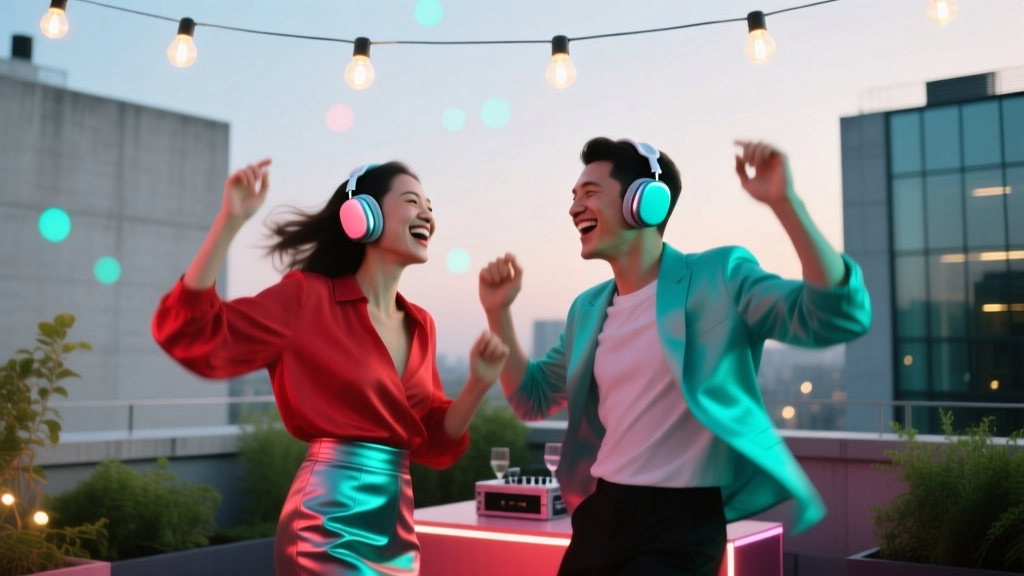
How to Choose a Theme for a Silent Disco
A silent disco can feel like party magic: three DJs (or playlists), a room full of people dancing to different beats, and a sound level that won’t upset the neighbors. But that “effortless” vibe is almost always the result of solid event planning and coordination. The theme is the anchor that keeps your choices consistent—music, lighting, décor, dress code, signage, and even the way you guide guests through the headphone experience.
Unlike a traditional dance party where one soundtrack drives the night, a silent disco has multiple channels and a built-in novelty factor. That makes it easier to impress guests, but also easier to create a confusing event if the theme doesn’t match your audience, venue, and budget. A thoughtful theme helps guests understand what to wear, what to expect, and how to participate—especially first-timers.
Below is a practical, step-by-step guide to choosing a silent disco theme that fits your event goals, along with planning timelines, vendor tips, budget considerations, and common mistakes to avoid.
What Makes a Silent Disco Theme Work?
A strong silent disco theme does three jobs at once:
- Clarifies the experience (What kind of night is this? Retro? Glam? Festival-style?)
- Supports the multi-channel format (Each channel can represent a genre, era, or vibe within the theme.)
- Keeps planning decisions aligned (Decor, playlist/DJ choices, lighting, signage, activities, photo moments.)
Use the “3C” Theme Test: Clear, Cohesive, Camera-Ready
- Clear: Guests understand it in one sentence (and can dress for it).
- Cohesive: Music, visuals, and messaging match—no random décor that fights the vibe.
- Camera-ready: Includes at least one intentional photo area or visual “wow” moment.
Step 1: Start with Your Event Goals and Audience
Define the purpose
Your theme should support why the event exists. Examples:
- Corporate event: Team-building, reward night, brand-aligned celebration
- Wedding after-party: High-energy, guest-inclusive, venue-friendly
- Fundraiser/community event: Broad appeal, easy participation, sponsor-friendly visuals
- Birthday/private party: Personalized, photo-forward, nostalgia or inside jokes
Map the guest profile
Before locking a theme, answer:
- Age range and music comfort zone (Top 40? 80s? EDM? Latin?)
- How adventurous are they with dress codes?
- Will most guests be first-time silent disco attendees?
- Any accessibility considerations (lighting sensitivity, space for movement, seating)?
Real-world example
Example: 120-person company holiday party
- Goal: Get different departments mingling
- Audience: Mixed ages, varied music tastes
- Theme choice: “Decades Battle” with channels for 80s/90s/2000s+Today
- Why it works: Everyone finds a channel, outfits are easy, and the channel “competition” becomes a conversation starter
Step 2: Check Theme Fit with Venue, Noise Rules, and Layout
Venue and space realities
Silent discos are flexible, but themes still need to match the environment:
- Outdoor venues: Festival, glow night, tropical, boho, “midnight in the garden”
- Ballrooms/banquet halls: Glam, masquerade, black-and-white, studio 54
- Warehouses/lofts: Neon rave, industrial techno, street-art vibe
- Small venues: “Headphone lounge,” cozy disco, curated playlist party
Layout planning that supports the theme
- Create a Headphone Pickup Zone that matches the theme (signage, lighting, instructions).
- Define a Dance Floor Zone (keep it uncluttered; theme via lighting, not bulky décor).
- Add a Chill/Conversation Zone (silent discos shine here—people can talk without yelling).
- Plan a Photo Moment (backdrop + props that match the theme and don’t block traffic).
Step 3: Build the Theme Around Channels (This Is Your Secret Weapon)
The easiest way to make a silent disco theme feel intentional is to design each channel as a “chapter” of the theme.
Channel-driven theme frameworks
- Decades: 70s disco vs 90s throwbacks vs today’s hits
- Genres: Pop vs hip-hop/R&B vs EDM/house
- Global: Latin vs Afrobeats vs K-pop/pop
- Moods: High-energy bangers vs sing-alongs vs chill grooves
- Movie/TV: Soundtracks vs 2000s rom-com pop vs action-movie intensity
Make it visible: color coding and signage
Most headphone rentals use colored LED channels (commonly red/blue/green). Match your theme execution to those colors:
- Channel signs: “Red = 80s Icons” / “Blue = 2000s Club” / “Green = Today’s Hits”
- Mini “How it Works” boards at entry and near the DJ booth
- Optional: channel “vote” wall (guests place stickers under their favorite channel)
Step 4: Choose a Theme Style That Matches Your Planning Capacity
Event planning success often comes down to choosing a theme you can execute cleanly with your time, team, and budget.
Low-lift themes (high impact, easy setup)
- Glow Night / Neon Silent Disco: blacklights, glow sticks, LED bracelets, neon signage
- All-Black + LED Accents: sleek dress code, dramatic uplighting, minimal décor
- Decades Battle: simple props + playlists do most of the work
Medium-lift themes (some styling, great photos)
- Studio 54 Glam: metallics, disco balls, sparkle backdrop, cocktail vibe
- Tropical Silent Disco: palm décor, bright linens, fruity mocktails, summer playlists
- Masquerade: mask station, moody lighting, elegant signage
High-lift themes (best for experienced planners or larger budgets)
- Immersive Festival: staged photo areas, wristbands, “set times,” multiple décor zones
- Brand-sponsored concept: custom visuals, step-and-repeat, content capture team
Theme Ideas That Work Especially Well for Silent Discos (With Real-World Examples)
1) Neon City Glow Night
- Channels: EDM/house vs pop hits vs hip-hop
- Look: blacklights, neon tape geometric wall, LED balloons
- Example: A college alumni mixer used glow bracelets for quick “channel teams,” boosting participation and photos.
2) Decades Remix (70s/90s/Now)
- Channels: 70s disco/funk vs 90s dance vs today’s chart toppers
- Look: decade-themed prop table (big sunglasses, bandanas, glitter hats)
- Example: A 40th birthday party gave guests “decade cards” at entry; each card suggested a channel and outfit idea.
3) Tropical Midnight Party
- Channels: reggaeton/Latin vs pop vs island/afrobeats
- Look: palm leaves, warm string lights, bright bar menu
- Example: A rooftop venue paired the theme with a mocktail station and a sunset-to-night lighting shift.
4) Black & Gold Silent Disco Gala
- Channels: classics vs modern dance vs sing-alongs
- Look: gold uplighting, black linens, simple centerpieces, elegant signage
- Example: A nonprofit fundraiser added a “quiet auction corner,” leveraging the lower ambient noise.
Planning Timeline and Checklist (Silent Disco Theme Edition)
6–8 weeks out: Foundations
- Define event goals, guest count, and basic format (DJ vs curated playlists).
- Confirm venue and restrictions (end time, load-in, lighting rules, power access).
- Select your theme + channel framework (genres/decades/moods).
- Shortlist silent disco headphone rental vendors and DJs.
4–5 weeks out: Lock your visuals and music direction
- Choose channel names and colors (match headphone LED colors if possible).
- Draft playlists or DJ briefs for each channel (must-play and do-not-play lists).
- Create a décor plan: entry moment, DJ area, dance floor lighting, photo moment.
- Send invitations with theme guidance and “what to expect” (how headphones work).
2–3 weeks out: Production details
- Finalize vendor contracts (headphones, DJ, lighting, photo booth/content).
- Order signage: “How to Switch Channels,” channel menus, headphone return signs.
- Confirm staffing: check-in lead, headphone distribution/collection, floor support.
- Plan crowd flow: pickup → dance → chill zone → photo moment → returns.
1 week out: Final confirmations
- Confirm final guest count and headphone quantity (add 10–15% buffer if possible).
- Run a cue sheet: doors open, warm-up, peak hour, last song, headphone return call.
- Prepare an emergency kit (gaffer tape, markers, zip ties, spare batteries if applicable).
- Print a simple one-page staff brief with responsibilities and timing.
Day-of checklist: Theme execution that actually helps operations
- Set up a clearly labeled Headphone Pickup and Return station.
- Place “How It Works” signage at entry and near the dance floor.
- Test headphones, transmitters, DJ connections, and channel switching.
- Do a lighting check (avoid blinding guests; keep signage readable).
- Assign a host/MC moment: a 30-second explanation and a “channel check” kickoff.
Budget Considerations (and Where Your Theme Impacts Cost)
Your theme doesn’t have to be expensive—but it should be intentional. Here’s a practical budget breakdown that many event organizers use as a starting point. Percentages vary by city and scope.
Typical silent disco budget categories
- Headphone rental + transmitters: often priced per unit; may include on-site attendant
- DJ(s) or music programming: 1–3 DJs depending on channels
- Lighting: uplights, dance lighting, optional lasers (use responsibly)
- Décor + signage: backdrop, props, channel signs, wristbands
- Staffing: check-in, headphone distribution, floor support
- Photo/content: photo booth, roaming photographer, branded step-and-repeat
Sample mid-range budget (100 guests)
- Headphone rental (110 units buffer included): $900–$1,800
- DJ(s) / audio support: $600–$1,500
- Lighting package: $300–$1,200
- Décor/signage/props: $200–$800
- Staffing/attendant support: $200–$600
- Photo/content: $300–$1,200
Theme-forward ways to save money
- Let lighting do the heavy lifting (uplights + a focused photo moment beats lots of décor).
- Use a dress code as décor (all-white, all-black, metallics, neon).
- Create one strong statement backdrop instead of scattering props everywhere.
- Use curated playlists for one channel if your crowd doesn’t require three DJs.
Vendor Selection Tips for a Smooth Silent Disco
Silent disco headphone rental vendor checklist
- How many channels are included (2 or 3)?
- What’s the range and reliability in your venue type?
- Are spare headphones and charging solutions included?
- Do they provide an on-site technician/attendant?
- What’s the process and cost for lost/damaged units?
- Do they offer branding options (custom headphone decals, signage templates)?
DJ or music programming checklist
- Experience with silent disco mixing and reading a “split” crowd
- Comfort with your theme and channel concept
- Willingness to coordinate transitions (peak hour planning across channels)
- Ability to take requests without derailing the channel identity
Trend-forward add-ons guests love (when budget allows)
- Content-friendly lighting (soft wash + accent lights rather than harsh strobes)
- Interactive elements (channel “battle” scoreboard, request cards, themed photo props)
- Micro-zones (quiet lounge seating, recharge station, mocktail bar)
Common Silent Disco Theme Mistakes (and How to Avoid Them)
- Mistake: Choosing a theme that doesn’t match the music.
Fix: Start with channel concepts first, then style the visuals around them. - Mistake: Overcomplicating the theme with too many sub-themes.
Fix: Stick to one headline theme and let channels provide variety. - Mistake: No clear instructions for first-time guests.
Fix: Use simple signage + a quick host announcement: how to wear, adjust volume, switch channels, return headphones. - Mistake: Forgetting the headphone return plan.
Fix: Create a single exit flow, staff it, and make the return station highly visible with themed signage. - Mistake: Spending on décor that blocks movement.
Fix: Keep the dance floor open; invest in lighting and one photo moment.
FAQ: Choosing a Theme for a Silent Disco
How many channels do I need for a themed silent disco?
Most events do well with 2–3 channels. Two channels are simpler and often cheaper; three channels work best for mixed-age crowds or larger guest counts where tastes vary widely.
Should my theme be music-based or visual-based?
For silent discos, music-based themes are easier to execute because the channels naturally support them (decades, genres, moods). Visual-based themes can work well when they also guide wardrobe and décor (neon glow, black & gold gala).
What’s the easiest theme for beginners planning their first silent disco?
Neon Glow Night or Decades Battle. Both are intuitive for guests, easy to style with lighting and props, and flexible if music preferences shift.
How do I communicate the theme so guests actually follow it?
Put theme guidance in three places: the invite, a reminder message 3–5 days before, and signage at entry. Give examples (“neon accessories,” “80s jacket,” “black + gold accent”) so guests don’t have to guess.
Can I run a silent disco without DJs?
Yes. Many hosts use curated playlists for one or more channels. If you go this route, assign someone to manage transitions and keep energy consistent, or hire one DJ to anchor the night and run the other channels as playlists.
What theme works best for corporate events?
Decades Remix, Black & Gold Gala, or “Battle of the Departments” (channels mapped to fun identities, not teams). These themes feel polished, inclusive, and easy for a wide range of guests.
Next Steps: Pick Your Theme and Turn It into a Plan
- Choose your theme headline in one sentence (e.g., “Neon Glow Night Silent Disco”).
- Assign channel identities (genres/decades/moods) and match them to headphone LED colors.
- Build a simple visual plan: entry instructions, DJ area branding, lighting style, one photo moment.
- Confirm vendors (headphones first, then DJ/music, then lighting) and document responsibilities.
- Create a day-of flow so guests always know where to pick up, how to use, and where to return headphones.
If you want more step-by-step event planning, party organization, and coordination resources—plus practical checklists you can reuse—explore more guides on smartpartyprep.com.
More Articles
 How to Do a Watch Party on Amazon Prime in 2024: The Only Step-by-Step Guide That Actually Works (No Glitches, No Confusion, Just Synced Laughter)
Where to Host First Birthday Party: 7 Real-World Venue Options (With Cost Breakdowns, Hidden Pitfalls, and a Free 'Stress-Proof' Checklist You’ll Actually Use)
How Many Minigames in Mario Party Superstars? The Exact Count (100), Plus Which Ones Are Best for 4-Player Chaos, Team Play, or Quick Rounds — No Guesswork Needed
How to Do a Watch Party on Amazon Prime in 2024: The Only Step-by-Step Guide That Actually Works (No Glitches, No Confusion, Just Synced Laughter)
Where to Host First Birthday Party: 7 Real-World Venue Options (With Cost Breakdowns, Hidden Pitfalls, and a Free 'Stress-Proof' Checklist You’ll Actually Use)
How Many Minigames in Mario Party Superstars? The Exact Count (100), Plus Which Ones Are Best for 4-Player Chaos, Team Play, or Quick Rounds — No Guesswork Needed
 When Did the Republican Party Become Conservative? The Real Turning Point Wasn’t 1964 — It Was a 30-Year Evolution From Lincoln to Reagan, With 5 Critical Inflection Points You’ve Never Heard Of
How Do You Throw a Party in Space? The Real-World Blueprint NASA Engineers & Private Spaceflight Companies Use to Host Zero-G Celebrations (No Sci-Fi Required)
When Did the Republican Party Become Conservative? The Real Turning Point Wasn’t 1964 — It Was a 30-Year Evolution From Lincoln to Reagan, With 5 Critical Inflection Points You’ve Never Heard Of
How Do You Throw a Party in Space? The Real-World Blueprint NASA Engineers & Private Spaceflight Companies Use to Host Zero-G Celebrations (No Sci-Fi Required)
 What to Wear to an Engagement Party Guys: The 5-Second Dress Code Decoder (No More Awkward Outfits or Last-Minute Panic)
 What Is the Boston Tea Party in Simple Terms? 5 Clear Facts That Debunk the 'Just a Tea Protest' Myth—and Why It Still Shapes American Democracy Today
What Is a Good Engagement Party Gift? 7 Thoughtful, Budget-Savvy Picks That Won’t Get Regifted (Plus What to Avoid at All Costs)
What Were the First Two Political Parties in the US? The Surprising Truth Behind Federalists vs. Democratic-Republicans — And Why Their Rivalry Still Shapes Every Election Today
What Is the Boston Tea Party in Simple Terms? 5 Clear Facts That Debunk the 'Just a Tea Protest' Myth—and Why It Still Shapes American Democracy Today
What Is a Good Engagement Party Gift? 7 Thoughtful, Budget-Savvy Picks That Won’t Get Regifted (Plus What to Avoid at All Costs)
What Were the First Two Political Parties in the US? The Surprising Truth Behind Federalists vs. Democratic-Republicans — And Why Their Rivalry Still Shapes Every Election Today