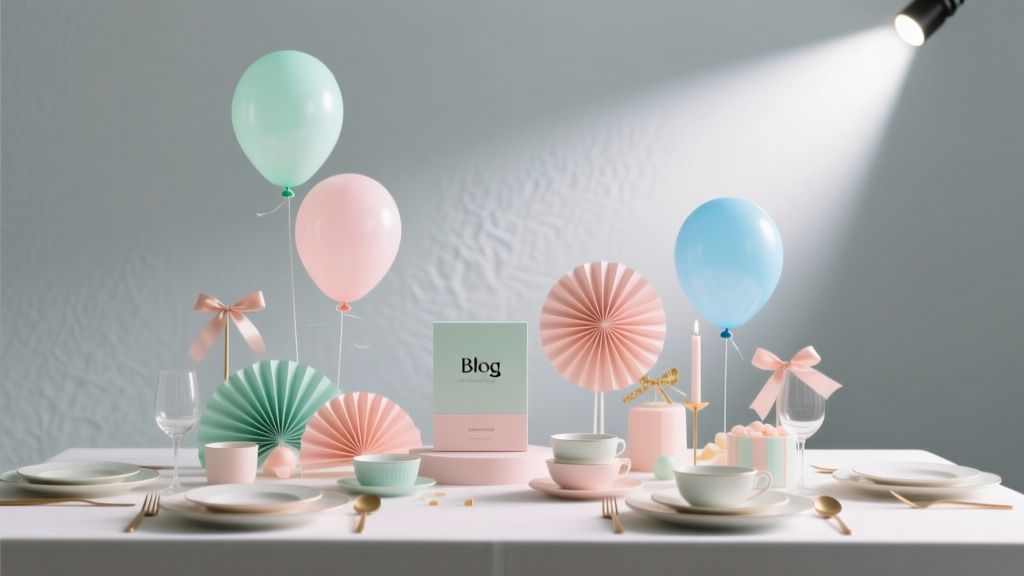
How to Choose a Theme for a Product Launch
A product launch is more than a party—it’s a strategic moment where your brand, your story, and your audience meet in real time. The right theme turns a standard event into an experience that helps guests understand the product faster, remember it longer, and share it more confidently. When the theme is aligned, everything else becomes easier: décor choices, vendor direction, run-of-show planning, content creation, and even guest conversations.
Proper planning matters because product launches come with higher stakes than many corporate events: media attention, stakeholder expectations, first impressions, and a limited window to generate buzz. A thoughtful theme supports your goals (sales, sign-ups, partnerships, awareness) while creating a cohesive “world” where attendees can see themselves using the product. That’s how you turn curiosity into momentum.
Use this guide as your step-by-step framework for choosing a product launch theme that fits your brand, budget, and audience—plus practical timelines, checklists, real-world examples, and common mistakes to avoid.
What a Product Launch Theme Really Is (and Why It Works)
A theme is the unifying concept that shapes your event design and guest experience. It’s not just a color palette or a clever tagline—it’s a strategic lens that guides decisions across:
- Event styling: lighting, décor, florals, staging, signage
- Programming: reveal moment, demos, speakers, entertainment
- Guest journey: invitations, check-in flow, photo moments, takeaway materials
- Content capture: social media-ready backdrops, branded moments, video angles
- Brand positioning: how the product “feels” in the market
The best themes do three things:
- Clarify the product value in one idea guests can repeat
- Create emotional connection (wonder, trust, excitement, belonging)
- Enable consistent choices so your event planning and coordination stays efficient
Step 1: Start with Your Launch Goals (Not Pinterest Boards)
Before choosing themes or venues, lock in what success looks like. Your theme should serve the primary goal, not compete with it.
Define 1 primary goal and 2 supporting goals
- Primary goals: sales at event, pre-orders, app downloads, investor confidence, PR coverage, retail partnerships
- Supporting goals: build email list, collect testimonials, generate UGC, educate on features, strengthen brand credibility
Quick goal-to-theme alignment examples
- Goal: Media coverage → Theme needs a strong visual hook, clear brand story, and photogenic moments
- Goal: Lead generation → Theme must support demos, easy conversations, and clear CTAs (QR codes, sign-up stations)
- Goal: Education → Theme should simplify complexity (lab-inspired, “behind the scenes,” interactive stations)
Step 2: Identify Your Audience and Build a Theme Around Their World
Professional event planning starts with guest psychology. A theme lands when it feels relevant to attendees’ identity, lifestyle, or aspirations.
Audience questions to answer
- Who needs to be impressed most (press, buyers, customers, investors, internal team)?
- What do they already believe about this category?
- What are their pain points—and what do they want to feel after the event?
- Where will they share content (LinkedIn, Instagram, TikTok), and what style performs there?
Practical tip: Create a “Guest Persona Card”
- Persona name: “Busy Operations Manager”
- What they value: efficiency, proof, ROI
- What they hate: fluff, hard-to-find info, long lines
- Theme cues: clean visuals, demo-forward layout, data-based messaging
Step 3: Pull Brand DNA Into a Theme Guests Can Feel
A launch theme should be unmistakably “you.” The fastest way to get there is to translate your brand identity into a sensory experience.
Brand-to-event translation checklist
- Brand values → What does that look like as lighting, music, materials, and pacing?
- Brand voice → Bold, playful, premium, minimalist, disruptive?
- Signature colors → Anchor palette + 1 accent for energy
- Visual motifs → Shapes, textures, patterns (e.g., grid lines for tech, organic curves for wellness)
- Product promise → Turn into a headline guests see everywhere (signage, stage screens, menus)
Real-world example
Product: A new eco-friendly cleaning concentrate
Brand DNA: minimal waste, modern home, fresh simplicity
Theme direction: “Refill Revolution” with a clean, modern set (glass, light wood, greenery), refill bar demo station, and compostable serviceware.
Step 4: Choose a Theme Format That Fits Your Product
Not all themes work for all products. Use a format that highlights what’s unique about what you’re launching.
Theme formats that work well for product launches
- Experience-driven: Guests try the product in real scenarios (best for consumer goods, beauty, food & beverage)
- Story-driven: The theme follows a narrative arc (best for brand relaunches, mission-first products)
- Problem/solution-driven: Clear before-and-after journey (best for B2B, SaaS, tools)
- Future-forward: Innovation lab, “next era,” tech-inspired aesthetics (best for tech, mobility, AI, devices)
- Local/cultural: Celebrating place, community, partnerships (great for retail, hospitality, regional launches)
Trend watch: What’s working right now
- Immersive micro-moments: Smaller interactive stations rather than one big spectacle
- Content-first event design: Multiple “shootable” vignettes for UGC and press photos
- Well-being hospitality: better seating, lower noise pockets, alcohol-optional menus, hydration stations
- Sustainability by default: reusable build-outs, digital signage, compostable serveware, donation of florals
- Hybrid amplification: a tight in-person experience with short livestream segments and rapid social clips
Step 5: Build a Theme Board (Mood + Mechanics)
A theme board keeps planning organized and prevents mismatched decisions. The key is combining style with operational details so vendors can execute accurately.
What to include in a launch theme board
- Theme name + one-sentence promise (example: “The Smart Home, Simplified”)
- Color palette (3–5 colors max)
- Lighting direction (warm, cool, dramatic, daylight)
- Materials & textures (acrylic, chrome, linen, raw wood)
- Typography and signage style (clean sans-serif, editorial, playful)
- Key moments (reveal, demo, photo op, gift pickup)
- Guest flow sketch (check-in → welcome drink → discovery → stage moment → mingle → exit)
Practical tip
Keep the theme board to one page for quick approvals. Add a second page only if you need a layout diagram for production teams.
Step 6: Stress-Test Your Theme Before You Commit
The best event coordination happens when you pressure-test early.
The “Theme Stress Test” questions
- Can guests understand the theme in 10 seconds?
- Does it highlight the product benefit? (not just your brand aesthetic)
- Will it work in your venue? (ceiling height, lighting control, load-in restrictions)
- Is it scalable? (can you pull it off with 50 guests or 500?)
- Is it vendor-friendly? (easy to source props, reasonable production requirements)
- Is it distinct enough for press and social?
Step-by-Step Planning Timeline + Checklist (Theme-Focused)
Use this event planning timeline to keep theme decisions on track and avoid last-minute mismatches.
8–10 weeks out: Strategy + theme selection
- Confirm launch goals, audience, and success metrics
- Choose theme direction + name
- Draft theme board (visual + guest journey)
- Select venue shortlist that supports the theme
- Build a preliminary budget range
6–8 weeks out: Vendor outreach + layout planning
- Book venue and key vendors (planner/producer, caterer, AV, photo/video)
- Request quotes for décor/florals, rentals, signage, fabrication
- Outline run of show: welcome, product reveal, demos, remarks
- Confirm branded content needs (step-and-repeat, press wall, product hero display)
4–6 weeks out: Design lock + guest experience details
- Finalize color palette, lighting plan, and centerpiece direction
- Approve signage copy (product claims, CTA QR codes, social handles)
- Plan 2–4 interactive moments (demo bar, consultation station, sampling)
- Start invitation campaign (email + social + partner invites)
- Plan staffing (brand ambassadors, check-in, demo leads)
2–4 weeks out: Production and coordination
- Finalize floor plan + guest flow
- Confirm rental orders (furniture, linens, staging, power distribution)
- Confirm menu and service style (passed bites vs stations)
- Create shot list for photo/video aligned to theme moments
- Prepare event briefing sheet for all vendors
7–10 days out: Final confirmations
- Finalize headcount and dietary needs
- Confirm load-in schedule, parking, security, and insurance requirements
- Print signage and test QR codes
- Assemble gifting/press kits consistent with theme
Event day: Execution checklist
- Walkthrough with leads: venue, AV, catering, décor, demo teams
- Soundcheck and lighting cues for reveal moment
- Test check-in tech and lead capture (QR, tablets, badge printing)
- Place branded moments: hero product display, photo area, CTA signage
- Run show with a timed cue sheet and comms channel
Budget Considerations: What Your Theme Will Really Cost
The theme affects every line item, especially décor, rentals, lighting, fabrication, and content capture. To keep your product launch budget under control, decide what needs to be “high impact” and what can be simplified.
Typical budget breakdown (percentage ranges)
- Venue + permits + insurance: 15–30%
- Catering + bar + service staff: 20–35%
- AV + lighting + staging: 10–25%
- Design (décor/florals/rentals/signage): 15–30%
- Photo/video + content production: 8–18%
- Entertainment + talent + speakers support: 0–12%
- Staffing + security + check-in tech: 5–12%
- Contingency: 8–12%
Smart ways to save without downgrading the theme
- Invest in lighting to transform a space instead of over-buying décor
- Use one hero installation (product wall, arch, branded sculpture) and keep the rest minimal
- Rent statement furniture rather than building custom sets everywhere
- Go digital for signage when you need frequent updates (menus, schedules, QR CTAs)
- Reuse elements across locations if you’re doing a launch series (pop-up kit approach)
Vendor Selection Tips for a Theme-Driven Product Launch
Your theme is only as strong as the team executing it. Choose vendors who understand brand standards and can collaborate under timelines.
How to vet vendors (questions that reveal real capability)
- Design/rentals: “Show me 2–3 events where you matched a brand guide closely.”
- AV/lighting: “How would you light the product for photos and the reveal moment?”
- Catering: “Can you create a menu that echoes the theme without being gimmicky?”
- Photo/video: “How do you plan for fast turnaround social clips during the event?”
- Fabrication/signage: “What materials do you recommend for durability and quick install?”
Pro coordination tip
Send a single “Theme + Specs” document to every vendor that includes: theme board, brand colors (HEX/CMYK if possible), logo usage rules, timeline, floor plan, load-in details, and a contact list. This reduces mismatched deliverables and last-minute reprints.
Real-World Theme Examples (With Practical Takeaways)
Example 1: Tech gadget launch — “The Next Desk”
- Theme: Future-forward productivity lounge
- Design: clean lines, modular furniture, cool lighting accents
- Programming: short demo loops every 15 minutes, “try-it” stations
- Takeaway: Keep the theme quiet and premium so the product remains the hero
Example 2: Beauty launch — “Studio Skin Sessions”
- Theme: backstage studio + consultation bars
- Design: vanity lighting, mirrors, soft neutrals, labeled product displays
- Programming: mini consultations, shade matching, UGC selfie stations
- Takeaway: A theme that supports interaction increases trial and conversion
Example 3: Sustainable food product — “Taste the Tomorrow Market”
- Theme: modern marketplace with sampling stalls
- Design: natural textures, reusable signage, compostable tasting ware
- Programming: chef-led bites, ingredient storytelling cards, partner spotlights
- Takeaway: Sustainability should show up in operations, not just messaging
Common Planning Mistakes to Avoid
- Choosing a theme that’s visually loud but strategically empty (guests remember décor, not the product).
- Overcomplicating the concept with too many sub-themes, colors, or styles.
- Forgetting the guest flow—long lines, cramped demo areas, unclear signage.
- Underestimating AV and lighting (bad sound and dim product shots can undo your launch).
- Skipping content planning—no shot list, no designated photo moments, slow approvals.
- No contingency budget for last-minute rentals, staffing changes, or weather pivots.
- Theme not reflected in touchpoints (invite looks one way, on-site feels different).
FAQ: Choosing a Product Launch Theme
How early should I finalize the theme for a product launch?
Ideally 8–10 weeks out (earlier for large-scale events). Your theme impacts venue choice, vendor availability, rentals, signage lead times, and content planning.
What if my brand is minimalist—do I even need a theme?
Yes. Minimalist themes can be extremely effective. Think of a theme as a consistent experience, not extra décor. A “minimal luxury” launch can rely on lighting, spacing, premium materials, and a tight run of show.
How do I make sure the theme doesn’t overshadow the product?
Make the product the visual hero: place it at the center of the room or stage, light it intentionally, and design the theme to support the product benefit. If guests can describe the décor but not the product, the theme is too strong.
Can I reuse a product launch theme for multiple cities or pop-ups?
Absolutely. Build a modular theme kit: reusable signage templates, a hero backdrop, branded table throws, adaptable lighting cues, and standardized demo stations. This improves consistency and reduces costs over a launch tour.
What’s the best theme choice for a B2B product launch?
Choose a theme that communicates outcomes: efficiency, reliability, speed, security, or growth. A problem/solution format with clear demos, data points, and customer proof usually performs better than overly abstract concepts.
How do I choose between a daytime and evening theme?
Let your audience and product category guide you. Daytime works well for education, demos, press previews, and wellness-focused products. Evening supports excitement, entertainment, and social sharing. Your venue lighting control matters—some themes need darkness to work.
Actionable Next Steps
- Write your one-sentence theme promise (what guests should feel and understand).
- Pick a theme format (experience-driven, story-driven, problem/solution, future-forward, local).
- Create a one-page theme board with palette, textures, key moments, and guest flow.
- Build a theme-based budget and choose one “hero” spend area for maximum impact.
- Send a Theme + Specs document to vendors so execution stays consistent.
- Lock your content plan (shot list, UGC moments, on-site quick edits) before event day.
If you’re planning a launch and want more step-by-step event planning, party organization, and coordination templates, explore the latest guides on smartpartyprep.com.
More Articles
 What’s a bachelor party really about? (Spoiler: It’s not just beer and bad decisions) — here’s how to plan one that honors the groom, respects everyone’s boundaries, and actually creates lifelong memories without blowing your budget or burning bridges.
 How to Find Parties Near Me (Without Wasting Hours on Sketchy Apps or Ghost Listings) — 7 Verified Tactics That Actually Work in 2024