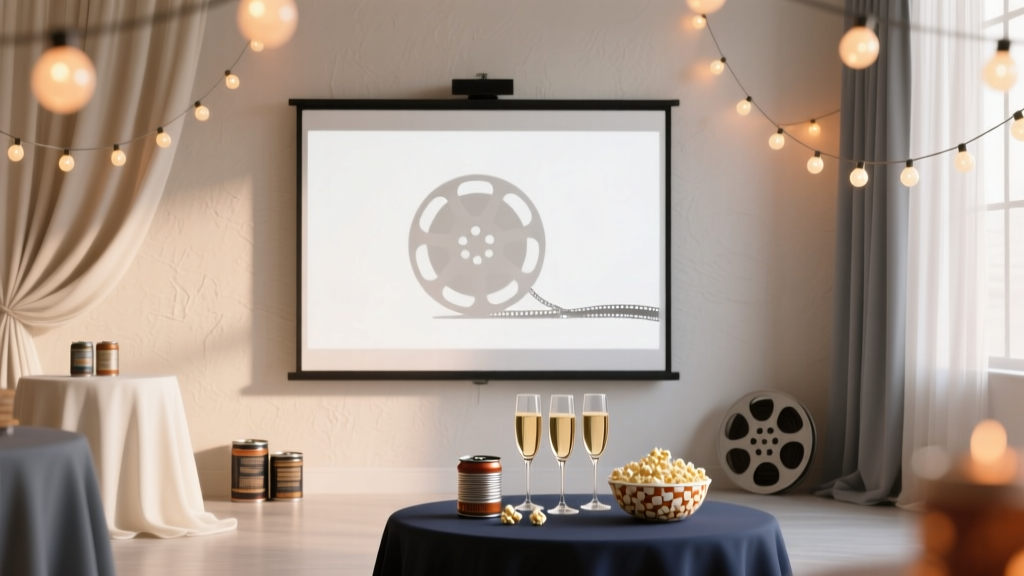
How to Choose a Theme for a Film Screening
A film screening can be as simple as pressing play and passing the popcorn—or it can feel like a curated experience your guests talk about for months. The difference usually comes down to one thing: a well-chosen theme. A theme isn’t just décor; it’s the planning framework that guides your invitations, venue layout, food and beverage, entertainment, photo moments, and even the schedule.
Whether you’re planning a backyard movie night, a community fundraiser screening, a corporate team event, or a private premiere party, the right theme helps you make decisions faster, keep your event cohesive, and control costs. It also creates a sense of anticipation that boosts RSVPs and engagement—two major factors in successful event coordination.
This guide walks you through how to choose a film screening theme step by step, with practical examples, planning timelines, budget breakdowns, vendor tips, and common mistakes to avoid.
What a “Theme” Really Means for a Film Screening
In event planning, a theme is the unifying concept that shapes the guest experience. For a film screening, your theme can be driven by the movie itself or by the vibe you want to create around it.
Theme Elements to Define Up Front
- Visual style: colors, signage, table settings, lighting, dress code
- Guest journey: check-in, pre-show activities, seating flow, intermission plan
- Food and beverage: concessions, cocktail menu, tasting stations, dietary options
- Entertainment: trivia, photo booth, live music, short intro remarks
- Marketing materials: invitations, social graphics, printed programs
- Sound and screen needs: A/V requirements based on venue and crowd size
Step 1: Start With Your Event Goals and Audience
Professional event coordination starts by clarifying what “success” looks like. Your goals determine the type of theme that makes sense and prevents planning detours.
Ask These Planning Questions
- Is this a ticketed event or private gathering?
- Are you aiming for fundraising, team-building, brand awareness, or a social celebration?
- What is your guest profile (families, film buffs, coworkers, students, VIPs)?
- What time of day is the screening, and what’s the expected energy level?
- Do guests want to dress up, keep it casual, or participate in interactive moments?
Real-World Examples
- Community park screening: “Family Picnic Under the Stars” theme with blankets, lawn games, kid-friendly snacks.
- Corporate screening: “Red Carpet Networking Night” theme with step-and-repeat, mocktails, name tags, and sponsor signage.
- Friends-only backyard: “Cozy Cabin Cinema” theme with string lights, flannel-inspired colors, hot cocoa bar.
Step 2: Choose the Theme Type That Fits Your Screening
Not every film screening should be themed directly around the movie. Use one of these proven approaches to keep your party organization focused.
Option A: Movie-Integrated Theme (Inspired by the Film)
Best when the film is iconic and guests will recognize references quickly.
- Color palette pulled from the poster art
- Props inspired by the setting (without copying copyrighted assets)
- Menu items that match the film’s location or era
Option B: Genre Theme (Broader, Easier to Execute)
Great for curated series screenings or when you want flexibility with décor.
- Classic horror: foggy lighting, “midnight snacks,” suspense playlist
- Rom-com: pastel accents, flower wall, “meet-cute mocktails”
- Sci-fi: neon lighting, metallic accents, “galaxy popcorn” flavors
Option C: Era/Decade Theme (High Engagement, Easy Dress Code)
A strong choice for adult audiences and ticketed events.
- ’70s disco screening with retro snacks and vinyl-inspired signage
- ’90s throwback with arcade corner and nostalgic candy table
Option D: Experience-Based Theme (Centered on Comfort or Interaction)
Aligned with current event planning trends like “comfort-first,” immersive stations, and shareable moments.
- Luxury lounge cinema: soft seating clusters, uplighting, charcuterie cups
- Outdoor glamping screening: low tables, lanterns, s’mores bar
- Interactive film night: bingo cards, trivia rounds, audience voting
Step 3: Match Theme to Venue, Season, and Logistics
Theme selection should respect the space and operational needs. A great theme on paper can become expensive or stressful if it clashes with venue rules or weather realities.
Venue Compatibility Checklist
- Capacity and layout: sightlines to screen, wheelchair accessibility, aisle width
- Sound restrictions: neighborhoods, parks, shared event spaces
- Power availability: projector, speakers, lighting, warming trays
- Lighting control: blackout curtains or start time after dusk
- Food policies: preferred caterers, alcohol permits, open-flame rules
- Load-in/out windows: time for setup, vendor access, parking
Seasonal Planning Tips
- Spring/summer: Outdoor themes shine; plan bug control, shade, hydration stations.
- Fall: Harvest/bonfire vibes; add blankets, warm drinks, weather backup plan.
- Winter: Indoor cozy cinema; prioritize acoustics, seating comfort, and line management.
Step 4: Build a Theme Board (Fast, Practical Method)
Professional planners use simple visual references to prevent mismatched purchases and last-minute scrambling. You don’t need elaborate software—a one-page “theme board” works.
Your One-Page Theme Board Should Include
- Theme name and 1-sentence “vibe statement” (example: “Modern red carpet meets cozy cinema lounge.”)
- Color palette: 3 main colors + 1 accent
- Signature materials: velvet, metallics, kraft paper, neon acrylic, etc.
- Key visuals: typography style, signage examples, photo backdrop concept
- Top 5 must-haves: the few elements that sell the theme instantly
Trend-Friendly Theme Shortcuts
- Personalized signage: welcome sign + “Now Showing” schedule board
- Color-drench accents: cohesive linens/napkins for instant polish
- Experience stations: one interactive moment (popcorn flight bar, photo moment, trivia)
- Minimalist but intentional: fewer props, higher quality, clearer impact
Step 5: Plan the Guest Experience From Arrival to Credits
Strong party planning isn’t only about décor—it’s about flow. A theme should support the timeline, not complicate it.
Recommended Screening Flow
- Arrival and check-in (15–30 min): music, welcome signage, seating guidance
- Pre-show experience (20–45 min): snacks, drinks, photo moment, trivia
- Announcements (2–5 min): housekeeping, sponsor thanks, quick intro
- Screening: keep aisles clear, monitor sound, manage late arrivals
- Post-show (15–30 min): dessert, discussion, meet-and-greet, exit flow
Theme-Based Experience Ideas
- “Film Festival Night”: printed mini-program, mock jury ballots, director Q&A (even informal)
- “Classic Cinema”: usher-style seating cards, vintage candy, black-and-white photo booth filter
- “Outdoor Adventure”: trail mix bar, camp lantern centerpieces, cozy blanket bundles
Step-by-Step Planning Timeline (With Checklist)
6–8 Weeks Before
- Confirm film rights/licensing if required for public screenings
- Define goals, audience size, and event format (ticketed vs. private)
- Select venue and confirm key restrictions (noise, food, alcohol, load-in)
- Choose theme type and create your one-page theme board
- Draft initial budget and vendor needs (A/V, catering, rentals, décor)
4–6 Weeks Before
- Book essential vendors: A/V, projector/screen, rentals, caterer/bar service
- Design invitations and event page; outline dress code if relevant
- Plan seating strategy: chairs vs. lounge vs. blankets; accessibility considerations
- Outline menu and concessions plan (including dietary options)
- Create a weather contingency plan if outdoors
2–3 Weeks Before
- Finalize run-of-show and staffing roles (check-in, concessions, A/V point person)
- Order or source décor, signage, and photo moment materials
- Confirm power plan (generators, extension cords, cable covers if needed)
- Confirm vendor arrival times and parking/loading instructions
- Send RSVP reminder and practical guest info (parking, start time, seating notes)
Week Of
- Confirm headcount; adjust catering quantities and rental numbers
- Create a packing checklist (tape, zip ties, batteries, spare bulbs, first-aid kit)
- Print signage: welcome, schedule, concessions menu, reserved seating
- Test content playback (file format, streaming login, subtitles, audio levels)
Day Of
- Do a full A/V test run before guests arrive (sound, brightness, sightlines)
- Set up check-in and traffic flow; place trash/recycling strategically
- Stage concessions to avoid lines (pre-scoop popcorn, batch drinks)
- Assign someone to monitor timing and coordinate transitions
- Have a clear plan for late arrivals and interruptions
Budget Considerations (With Sample Breakdown)
A theme should fit your budget—then elevate it through smart prioritization. Spend on the elements guests feel most: seating comfort, sound quality, lighting, and food.
Sample Budget Breakdown (Mid-Size Screening: 40–75 Guests)
- A/V (projector, screen, speakers, technician): 25–40%
- Venue fees/permits/insurance: 10–25%
- Food & beverage (catering or concessions): 20–35%
- Rentals (chairs, lounge seating, linens): 10–20%
- Décor & signage: 5–15%
- Staffing/security/cleanup: 5–15%
- Contingency: 8–12%
Cost-Smart Theme Upgrades
- Use lighting (string lights, uplights) to transform a basic venue quickly
- Choose 1 signature installation (photo backdrop or “Now Showing” entrance) instead of many small props
- Offer a “popcorn flight” with 3 seasonings rather than a full dessert table
- Print a single large schedule sign instead of multiple smaller posters
Vendor Selection Tips for Film Screening Events
Vendors can make or break a screening—especially A/V. Choose partners who understand event logistics and audience flow, not only equipment.
A/V Vendor Questions to Ask
- What screen size and projector brightness do you recommend for this venue and start time?
- Will you provide a technician on-site for troubleshooting?
- How do you handle audio to prevent echoes or uneven coverage?
- What’s your backup plan for cables, adapters, and playback issues?
Catering and Concessions Tips
- Favor low-noise foods (avoid overly crinkly packaging if possible)
- Offer grab-and-go options to reduce lines
- Include at least one gluten-free and one non-dairy snack option
- Plan trash management: bins near exits, concessions, and seating areas
Rental and Décor Vendor Tips
- Request photos of similar setups (outdoor lounge vs. theater rows)
- Confirm delivery windows, setup responsibility, and pickup timing
- Ask about weather-rated items if outdoors (weighted stands, wind-resistant signage)
Common Theme Planning Mistakes to Avoid
- Choosing a theme that fights the venue: a “glam gala” in a bright room with no light control will cost more to fix than to re-theme.
- Over-decorating and under-planning sound: guests forgive simple centerpieces; they don’t forgive muffled dialogue.
- No clear run-of-show: without a schedule, trivia runs long, the film starts late, and energy drops.
- Ignoring guest comfort: uncomfortable seating, insufficient restrooms, or no temperature plan will overshadow any theme.
- Too many theme references: using every symbol from a film can feel cluttered; select a few strong cues and keep it refined.
- Forgetting accessibility: ensure accessible seating, clear pathways, and captioning options when possible.
FAQ: Choosing a Theme for a Film Screening
How do I pick a theme if guests don’t know the film?
Use a genre, decade, or experience-based theme (“Outdoor Lounge Cinema,” “Film Festival Night”) that doesn’t depend on movie knowledge. Add subtle nods to the film in the menu or signage once guests arrive.
What’s the easiest theme to execute on a tight timeline?
A “Classic Cinema Night” or “Cozy Movie Lounge” theme is fast and flexible. Focus on lighting, a simple color palette, and one statement sign (“Now Showing”) plus upgraded snacks.
How do I keep the theme cohesive without overspending?
Limit yourself to one palette, one font style for signage, and two hero moments (for example: entrance + concessions). Allocate more budget to A/V and seating comfort, then use lighting for atmosphere.
Should I include a dress code?
Only if it supports the vibe and won’t reduce attendance. Keep it optional and clear: “cocktail,” “cozy pajamas,” or “’90s throwback.” Provide examples on the invite to reduce confusion.
What are the must-have items for an outdoor themed screening?
Plan for comfort and contingencies: bug control, blankets or cushions, weighted décor, pathway lighting, and a weather backup plan. Test audio early to avoid sound loss in open spaces.
Next Steps: Choose Your Theme and Lock Your Priorities
Pick a theme that supports your event goals, matches your venue realities, and feels exciting for your audience. Then commit to the essentials: reliable A/V, comfortable seating, clear timing, and a few high-impact themed details that tie everything together.
- Write your event goal in one sentence.
- Select your theme type (movie-integrated, genre, decade, or experience-based).
- Create a one-page theme board with palette, materials, and top 5 must-haves.
- Build your vendor list and book A/V early.
- Use the timeline checklist above to keep planning organized and stress-free.
For more practical event planning, party organization, and coordination guides—plus checklists and hosting tips—explore the latest resources on smartpartyprep.com.