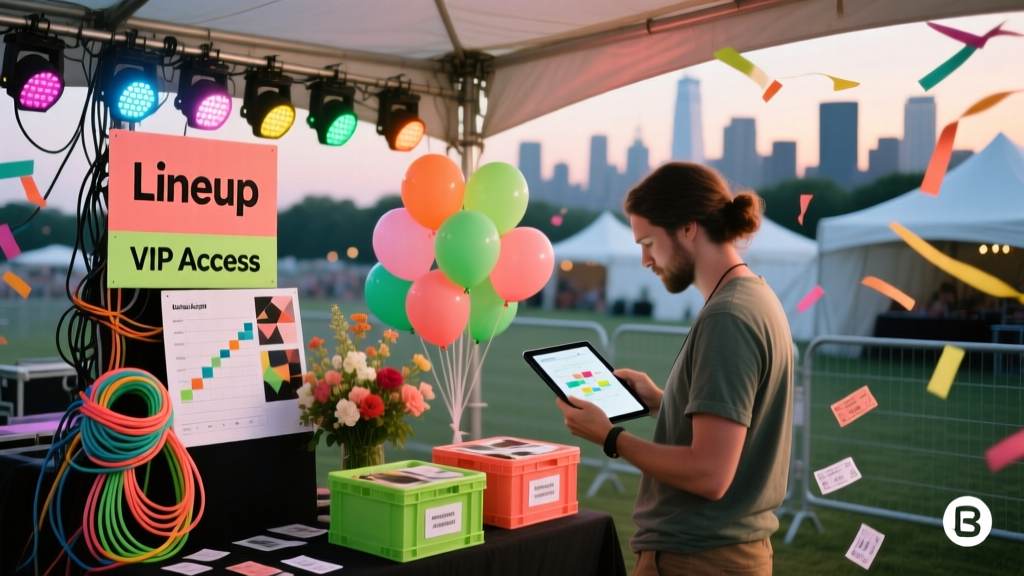
Common Mistakes When Planning a Music Festival (and How to Avoid Them)
Planning a music festival is one of the most exciting projects in event planning—and one of the easiest to underestimate. You’re not just organizing a concert; you’re building a temporary city with sound, power, staffing, safety, guest experience, vendors, and a schedule that has to work down to the minute. When done well, a festival becomes a signature community moment, a brand-builder, and a profitable annual tradition.
When done poorly, even small missteps (like underestimating load-in time, hiring the wrong security team, or skipping a weather plan) can create a chain reaction: delayed gates, unhappy attendees, frustrated artists, fines from local authorities, and budget overruns that derail the entire event. The good news: most problems are predictable. With proven coordination strategies, a realistic timeline, and the right vendor partners, you can avoid the most common planning mistakes and run a smooth, memorable festival.
This guide walks you through frequent festival planning errors, practical fixes, a step-by-step planning timeline, budget tips, vendor selection strategies, and a checklist you can use right away.
What Makes Music Festival Planning Different?
Music festivals add layers of complexity that typical party organization and smaller event coordination don’t face. Expect challenges around:
- Multiple stakeholders: artists, agents, sponsors, city departments, neighbors, vendors, volunteers, and attendees.
- Higher risk profile: crowds, alcohol, weather exposure, staging, and power distribution.
- Longer on-site timelines: load-in, soundchecks, programming, and load-out across several days.
- Infrastructure needs: fencing, sanitation, lighting, internet, radio comms, and medical services.
Current trends shaping festival operations: cashless payments and RFID scanning, sustainability expectations (waste diversion and refill stations), accessibility upgrades (viewing platforms and sensory considerations), and real-time communication via text alerts and event apps.
Common Mistakes When Planning a Music Festival
1) Starting Without Clear Goals and a Defined Festival “Identity”
A frequent planning mistake is jumping into booking acts or negotiating vendors before you define what you’re building. Without a clear concept, you’ll struggle with consistent programming, pricing, sponsorship alignment, and marketing messaging.
Fix: Write a one-page festival brief that includes:
- Target audience (age range, music taste, budget level, local vs. destination)
- Festival theme/identity (community celebration, boutique indie, EDM day party, family-friendly)
- Capacity goal and site type (park, fairgrounds, downtown footprint)
- Success metrics (profit target, attendance target, brand awareness, fundraising goal)
Real-world example: A first-time organizer books three genres (country, EDM, metal) to “appeal to everyone.” Marketing becomes confusing, attendees don’t know what to expect, and schedules clash. A clearer identity (e.g., “indie + alt rock with local food craft vendors”) would have improved ticket conversion and sponsor fit.
2) Underestimating Permits, Insurance, and City Approvals
Permitting can be the long pole in the tent—especially for amplified sound, alcohol, street closures, fireworks, tents, generators, and food vendors. Delays can force you to reduce scope or change dates.
Fix: Create a compliance checklist early and assign a single point of contact for government coordination.
- Special event permit
- Noise permit and curfew restrictions
- Temporary structures approvals (stage, tents, fencing)
- Fire marshal review (exits, extinguishers, cooking areas)
- Health department requirements for food vendors
- Alcohol license and security plan (if applicable)
- General liability insurance + additional insured certificates
- Workers’ comp (for staff) and event cancellation coverage (consider for larger budgets)
3) Booking Talent Before Locking the Site, Schedule, and Technical Reality
It’s tempting to secure a headliner first, but you can end up with riders you can’t support: stage size, LED wall needs, power demands, or strict load-in windows.
Fix: Align talent booking with operations:
- Confirm venue capacity, curfew, and sound limits before offers go out
- Get a preliminary production spec from your staging/audio vendor
- Use a standardized artist advance packet (arrival, hospitality, backline, set times, contacts)
4) Building an Unrealistic Load-In/Load-Out and Soundcheck Schedule
Festival schedules fail when production timelines are too tight. Late load-in leads to delayed doors, rushed soundchecks, and poor sound quality—one of the fastest ways to damage attendee experience.
Fix: Create a detailed production run-of-show (ROS) that includes:
- Load-in start times by vendor
- Stage build and safety inspection windows
- Soundcheck slots with buffers
- Changeover times based on actual gear complexity
- Hard stops for noise curfews
Pro tip: Add 15–30 minutes of buffer per major transition and 60–90 minutes of buffer before gates open.
5) Skimping on Power, Wi-Fi, and Site Communications
Power is the invisible backbone of festival planning. Underpowered generator plans can cause outages that stop the show—literally. Weak communications lead to slow incident response and vendor confusion.
Fix: Work with professionals and document everything.
- Hire a qualified power provider to map loads (audio, lighting, vendors, bars, ticketing)
- Separate circuits for critical systems (stage power vs. vendor village vs. front gate)
- Plan for redundancy (backup generator or battery backup for essential points)
- Use radios for key teams (ops, security, medical, stage managers)
- Consider a low-data event app or SMS alerts for attendee updates
6) Treating Security and Medical as a “Last-Minute” Line Item
Security isn’t just a guard count; it’s a crowd management strategy. Medical isn’t just a tent; it’s an emergency response plan with clear escalation paths.
Fix: Develop an integrated safety plan:
- Entry screening and prohibited items list
- Barrier plan and pit management (if applicable)
- Medical coverage level based on attendance and environment
- Lost child/guest protocol
- Severe weather and evacuation plan
- Incident reporting process and communication hierarchy
Trend: Many events now include clearly marked wellbeing tents, hydration stations, and trained staff for de-escalation—especially where alcohol is served.
7) Poor Vendor Curation (Too Many, Too Random, or Not Enough)
Food and merchandise vendors shape the guest experience and revenue. A common mistake is accepting every vendor inquiry or overbooking similar menus (five taco trucks, no vegetarian options).
Fix: Curate vendors like you curate your lineup.
- Set vendor categories and capacity targets (e.g., 30% comfort food, 20% healthy, 20% desserts)
- Require certificates of insurance and permits
- Map vendor placement for traffic flow and queue space
- Confirm power needs, load-in times, and waste rules
8) Overlooking Accessibility, Guest Flow, and Comfort
Festival coordination isn’t only about artists—it’s about queues, shade, restrooms, and wayfinding. Long bathroom lines and poor signage will be remembered more than your opener.
Fix: Design the site around movement and comfort:
- Clear entry lanes and separate VIP/GA/check-in
- Shade tents, misting areas, and hydration stations
- Accessible routes, viewing areas, and restroom options
- High-contrast signage and mapped landmarks
- Dedicated ADA support contact and staff training
9) Marketing Too Late (or Selling Without a Clear Value Story)
Festival marketing needs lead time—especially for first-year events. Waiting to promote until permits are final can crush ticket sales momentum. On the other hand, selling early without clear details can hurt trust.
Fix: Build a phased marketing plan:
- Start with teaser messaging: date, city, theme, and “what’s included”
- Release lineup in waves to create recurring peaks
- Use short-form video, behind-the-scenes build content, and artist cross-promo
- Secure local partners (radio, breweries, colleges, community orgs)
10) No Post-Event Data Collection or Debrief Process
Without data, you repeat the same mistakes next year. Many events skip debriefs due to exhaustion—then lose key insights.
Fix: Schedule debriefs before the event even happens.
- Collect attendee feedback (QR codes on signage, post-event email survey)
- Track queue times, peak entry hours, and top-selling vendors
- Hold vendor and staff debrief meetings within 7–10 days
- Build a “next year” folder: contracts, site maps, budgets, lessons learned
Step-by-Step Music Festival Planning Timeline (with Checklist)
Use this timeline template as a starting point. Adjust based on festival size, city requirements, and whether you’re building from scratch.
6–12 Months Out: Foundations
- Define festival identity, goals, and target capacity
- Secure date(s) and shortlist venues/sites
- Request permit requirements and approval timelines
- Draft a preliminary budget with 10–15% contingency
- Build your core team: event producer/ops lead, talent buyer, marketing lead
- Begin sponsor outreach with a simple sponsorship deck
- Get quotes for staging, audio/lighting, security, medical, sanitation
4–6 Months Out: Contracts and Infrastructure
- Confirm site contract and site rules (curfew, power limitations, alcohol)
- Submit permit applications and insurance plan
- Book major vendors: stage, sound, lighting, power, fencing, toilets
- Start talent booking; confirm deposit and cancellation terms
- Design site map draft (stages, entry, exits, vendors, medical, VIP)
- Launch website ticketing and initial marketing campaign
2–3 Months Out: Operations and Guest Experience
- Finalize vendor lineup and vendor handbook
- Confirm staffing plan: gate, runners, stagehands, volunteer coordinators
- Create run-of-show and stage schedules with buffers
- Confirm security and medical plans; align with local authorities
- Order signage, wristbands, credentialing, and wayfinding materials
- Plan accessibility services and guest communications (FAQ, maps, policies)
4–6 Weeks Out: Finalize Details
- Host a coordination call with key vendors (ops meeting)
- Complete artist advancing: hospitality, tech, arrival, contacts
- Confirm power plot, generator delivery times, and cable runs
- Finalize site map and distribute to staff and vendors
- Confirm waste plan and sustainability requirements (recycling/compost)
- Push marketing hard: lineup highlights, set-time teasers, sponsor activations
Event Week: Execution
- Conduct on-site walk-through with all department leads
- Set up command center (radios, contact list, incident log)
- Install signage, fencing, lighting, sanitation, and water stations
- Complete safety inspections and confirm emergency routes
- Run gates rehearsal and staffing briefings
Post-Event (Within 10 Days): Wrap + Improve
- Vendor load-out coordination and site restoration
- Reconcile invoices and settle artist payments
- Collect feedback and compile metrics (attendance, revenue, issues)
- Run a full debrief and produce a “next year improvements” report
Budget Considerations: A Practical Festival Budget Breakdown
Festival budgets vary widely, but these percentages help you build a realistic plan. Your actual numbers depend on market, site requirements, and lineup.
- Talent (artist fees + hospitality + travel): 25–45%
- Production (stage, audio, lighting, backline): 15–25%
- Site + infrastructure (fencing, power, toilets, tents, signage): 10–20%
- Staffing + security + medical: 10–18%
- Marketing + ticketing fees + creative: 8–15%
- Permits + insurance + legal/accounting: 3–8%
- Contingency: 10–15%
Cost-Control Tips That Don’t Hurt Quality
- Bundle vendors (one production company for stage + audio + lighting) to reduce coordination gaps.
- Use sponsorship to offset infrastructure costs (hydration station sponsor, charging lounge sponsor).
- Choose scalable decor and signage that can be reused for future events.
- Offer vendor tiers (standard booth vs. premium corner placement) to increase revenue.
Vendor Selection Tips for Smooth Event Coordination
The best vendors don’t just deliver equipment—they protect your timeline. When selecting partners for festival planning, evaluate reliability as much as price.
What to Ask Before You Sign
- What festivals of similar size have you supported in the last 12 months?
- Who is the on-site lead, and what is their day-of decision authority?
- What’s included vs. billable extras (labor hours, overtime, delivery windows, fuel)?
- What’s your contingency plan for equipment failure or staff no-shows?
- Can you provide a detailed quote and production schedule?
Red Flags to Watch For
- Vague scopes of work (“sound system package” with no specs)
- Unclear load-in/load-out commitments
- No proof of insurance or unwillingness to name additional insureds
- Pricing that seems too good to be true (often becomes expensive on-site)
Quick “Don’t Miss” Festival Checklist
- Site map with dimensions, emergency routes, and utility access
- Run-of-show with buffers and hard stop times
- Emergency action plan + severe weather plan
- Radio channel plan and contact list (printed + digital)
- Credentialing plan (staff, artists, vendors, media)
- Signage plan: entry rules, schedules, wayfinding, accessibility
- Cashless/cash plan and vendor settlement process
- Waste + recycling plan and cleanup staffing
- Post-event debrief date scheduled
FAQ: Music Festival Planning and Coordination
How far in advance should I plan a music festival?
For a first-year festival, aim for 6–12 months. Smaller community festivals can be planned in 4–6 months, but permitting, vendor availability, and talent booking are much tighter.
What is the biggest mistake first-time festival organizers make?
Underestimating infrastructure and timelines—especially power, sanitation, staffing, and production buffers. A polished lineup can’t compensate for long lines, poor sound, or safety issues.
How do I estimate the right number of restrooms and security?
Start with local guidelines and your permitting authority’s requirements, then adjust for alcohol service, event duration, and weather. Your sanitation, security, and medical vendors should provide staffing models based on capacity and site layout.
Should I use volunteers or paid staff?
Many festivals use a mix. Paid staff should cover critical roles (security, medical, production, gate lead). Volunteers work best with clear shift structures, training, meals, and a dedicated volunteer coordinator to prevent gaps.
What’s the best way to prevent schedule delays?
Create a detailed run-of-show, hire experienced stage managers, and build buffers into every transition. Confirm that all vendors and artist teams are aligned on load-in windows and changeover expectations.
How can I make my festival feel “premium” without overspending?
Prioritize guest comfort and flow: clean restrooms, fast entry, clear signage, shade, water access, and great sound. Small upgrades—like well-placed lighting, branded wayfinding, and curated vendors—deliver a high-end feel without major production costs.
Next Steps: Turn This Plan Into a Real Festival
Start by drafting your one-page festival brief, then build a timeline that locks in permitting, infrastructure, and vendor contracts before you expand your lineup and marketing. If you do one thing today, do this: create a master checklist with owners and due dates—because great event planning is less about last-minute heroics and more about consistent coordination.
For more practical event planning, party organization checklists, and step-by-step coordination guides, explore the latest resources on smartpartyprep.com.
More Articles
 What Was the Purpose of the Boston Tea Party? The Real Political Strategy Behind the Tea Destruction (Not Just Anger or Vandalism)
How to Dress for a Work Christmas Party Without Looking Overdressed, Underdressed, or Like You’re Trying Too Hard — A Stress-Free, Step-by-Step Style Blueprint That Respects Your Budget, Role, and Company Culture
What Was the Purpose of the Boston Tea Party? The Real Political Strategy Behind the Tea Destruction (Not Just Anger or Vandalism)
How to Dress for a Work Christmas Party Without Looking Overdressed, Underdressed, or Like You’re Trying Too Hard — A Stress-Free, Step-by-Step Style Blueprint That Respects Your Budget, Role, and Company Culture
 What Happens When the Party's Over 1993? The Untold Post-Event Playbook That Still Saves Planners 12+ Hours Per Gig in 2024
What to Wear to a Work Party: The 7-Second Dress Code Decoder (No More Awkward Outfits, Overthinking, or Last-Minute Panic)
What Are the Two Parties in USA? The Truth Behind the 'Two-Party System' — Why It’s Not Just Democrats vs. Republicans (And What That Means for Your Next Civic Event)
What Happens When the Party's Over 1993? The Untold Post-Event Playbook That Still Saves Planners 12+ Hours Per Gig in 2024
What to Wear to a Work Party: The 7-Second Dress Code Decoder (No More Awkward Outfits, Overthinking, or Last-Minute Panic)
What Are the Two Parties in USA? The Truth Behind the 'Two-Party System' — Why It’s Not Just Democrats vs. Republicans (And What That Means for Your Next Civic Event)
 Why Was the Black Panther Party Created? The Real Story Behind Its Founding — Not Just Militancy, But Survival, Healthcare, and Community Power You’ve Never Heard Told
How Much to Give for Graduation Party: The Real-World Guide That Ends Awkward Gifting Stress (No More Guesswork, No More Overspending)
Why Was the Black Panther Party Created? The Real Story Behind Its Founding — Not Just Militancy, But Survival, Healthcare, and Community Power You’ve Never Heard Told
How Much to Give for Graduation Party: The Real-World Guide That Ends Awkward Gifting Stress (No More Guesswork, No More Overspending)
 What Led to the Boston Tea Party? The 7 Real Political, Economic, and Cultural Triggers Most History Teachers Miss — And How to Teach Them Accurately in Your Next Colonial Event
What Were the First Political Parties in the United States? The Surprising Truth Behind the Federalists, Democratic-Republicans, and Why Most Textbooks Get the Timeline—and Motivations—All Wrong
Is the Hunting Party New Tonight? Here’s Exactly How to Confirm, What’s Changed Since Last Week, and Why Showing Up Unprepared Could Cost You the Best Spot (Plus Real-Time Checklists & Venue Alerts)
What Led to the Boston Tea Party? The 7 Real Political, Economic, and Cultural Triggers Most History Teachers Miss — And How to Teach Them Accurately in Your Next Colonial Event
What Were the First Political Parties in the United States? The Surprising Truth Behind the Federalists, Democratic-Republicans, and Why Most Textbooks Get the Timeline—and Motivations—All Wrong
Is the Hunting Party New Tonight? Here’s Exactly How to Confirm, What’s Changed Since Last Week, and Why Showing Up Unprepared Could Cost You the Best Spot (Plus Real-Time Checklists & Venue Alerts)