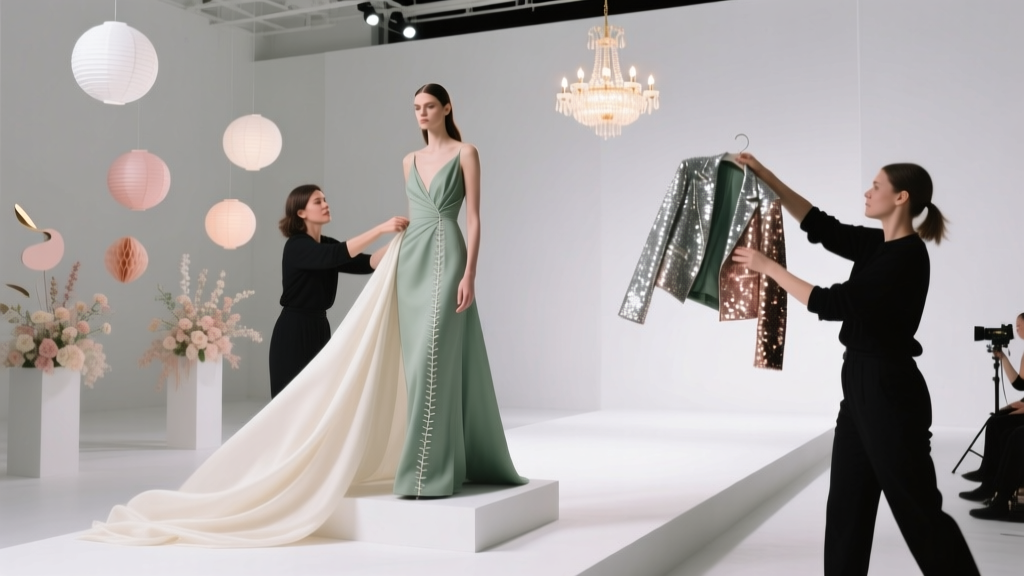
Common Mistakes When Planning a Fashion Show
A fashion show looks effortless when it’s done well: models glide, music hits on cue, lighting flatters every look, and the audience feels like they’re part of something exclusive. Behind that polished runway moment is a highly coordinated event plan—equal parts production schedule, brand storytelling, and crowd management.
Fashion shows are different from many other event types because they combine live performance, precise timing, and high expectations from designers, sponsors, and guests. When planning is rushed or details are left vague, small gaps can create visible breakdowns: delayed doors, chaotic backstage flow, poor sightlines, wardrobe malfunctions, or an underwhelming guest experience.
This guide breaks down the most common fashion show planning mistakes (and how to avoid them) with a practical timeline, checklists, budget considerations, vendor selection tips, and real-world examples. If you’re coordinating a runway show for a brand launch, fundraiser, boutique, school program, or fashion week event, you’ll have a step-by-step structure you can use immediately.
Before You Book Anything: Define the Show’s Purpose and Success Metrics
Many planning problems start with a fuzzy goal. A fashion show can be designed to sell tickets, attract press, launch a collection, raise funds, generate social content, or secure retail orders. Your priorities dictate your venue, runway layout, staffing, and budget.
Quick planning framework
- Primary purpose: Sales? Exposure? Fundraising? Brand positioning?
- Target audience: Buyers, influencers, community supporters, VIP clients, students, press
- Key performance indicators (KPIs):
- Ticket revenue / fundraising total
- Press mentions and content reach
- Lead capture (emails, appointments booked)
- Post-show sales and conversions
- Sponsor deliverables met (logos, mentions, on-site activations)
Common mistake #1: Planning the “runway” before planning the event
What happens: You end up with a stunning runway concept that doesn’t match the venue’s load-in rules, audience capacity, or the budget for lighting and sound.
Fix: Write a one-page show brief first: show goals, estimated guest count, date range, budget ceiling, and must-have production elements.
Most Common Fashion Show Planning Mistakes (and How to Avoid Them)
Mistake #2: Underestimating timeline and production lead times
Fashion shows involve multiple teams working on different clocks: designer fittings, model casting, garment prep, sponsor approvals, venue production schedules, and ticketing marketing.
- Plan earlier than you think: 8–12 weeks is comfortable for a small-to-mid show; 12–20 weeks for larger productions.
- Lock critical path items first: Venue, date, permits/insurance, production vendors, runway layout, and casting plan.
Mistake #3: Skipping a detailed run-of-show (ROS)
A “doors at 7, show at 8” outline isn’t enough. A runway show needs cue-by-cue coordination.
Minimum run-of-show sections:
- Load-in and setup schedule
- Hair/makeup call times and rotations
- Model lineup and outfit order
- Music playlist by segment and cue points
- Lighting cues (walk, pose, finale, sponsor moments)
- Emcee script and announcements
- Front-of-house timing (doors, seating, VIP arrivals)
- Finale and designer walkout
- Post-show mingle, shopping, photo ops, teardown
Mistake #4: Not hiring (or assigning) a backstage manager
Backstage is a live logistics hub: quick changes, accessories, shoes, lineup transitions, garment steaming, and model wrangling. Without a dedicated backstage lead, the stage manager and event planner get pulled in too many directions.
Fix: Assign these roles clearly:
- Show producer: overall lead, decision maker
- Stage manager: runs cues and show flow
- Backstage manager: lineup, changes, dressing room operations
- Front-of-house manager: check-in, seating, VIP handling
Mistake #5: Poor venue layout (sightlines, sound, and crowd flow)
Runway shows succeed when every guest can see, hear, and feel immersed. Overcrowding chairs, ignoring ADA accessibility, or placing speakers where guests can’t hear the emcee all damage the experience.
Layout checkpoints:
- Runway width and length suited to model count and pace
- Clear entrances/exits for models (no bottlenecks)
- VIP/front row placement and camera angles
- Photo/video risers (so photographers don’t block guests)
- Accessible seating and pathways
- Dedicated check-in area to prevent lobby backups
Mistake #6: Lighting treated as an afterthought
Fashion show lighting isn’t just “bright.” It’s flattering, consistent, and aligned with photo/video capture. Bad lighting makes garments look dull, colors inaccurate, and photos unusable—hurting marketing ROI.
Fix: Budget for professional lighting and do a cue-based lighting plan that includes:
- Runway wash light (even, soft coverage)
- Key light at runway end (poses and hero shots)
- Ambient audience light (low but safe)
- Finale and sponsor highlight cues
Mistake #7: Inadequate sound planning (music rights, levels, and transitions)
Music sets pace and mood. Common problems include music that’s too loud for announcements, dead air between looks, or last-minute streaming issues.
- Use downloaded files, not streaming, to avoid Wi-Fi failures
- Assign a sound tech or DJ who can follow show cues
- Test microphone levels with music playing
- Prepare clean edit versions of tracks (intros/outros for transitions)
Mistake #8: Model casting without considering pace and backstage capacity
More models and more looks increase complexity fast. Quick changes require space, staff, and garment organization.
Fix: Match model count and look count to your backstage reality:
- Plan garment racks by sequence (Look 1–20)
- Assign dressers for quick-change segments
- Build buffer looks or a short intermission if needed
Mistake #9: Not planning for content capture and social media
Current event planning trends prioritize content-first experiences: vertical video moments, branded backdrops, and planned photo opportunities. If you don’t design for content, you’ll miss the marketing value.
Fix: Add content elements intentionally:
- Step-and-repeat or branded photo wall
- Dedicated “creator zone” that doesn’t block runways
- Shot list for photographers/videographers (finale, details, sponsor moments)
- QR code signage for email capture and shopping links
Mistake #10: Ticketing and guest experience treated as secondary
A runway show is still an event. If check-in is chaotic or seating is unclear, guests arrive stressed and the show starts late.
- Use timed doors and a clear seating plan (assigned or zoned)
- Create signage for check-in, VIP, restrooms, and sponsor activations
- Train ushers on seating rules and late-arrival policy
Step-by-Step Fashion Show Planning Timeline (with Checklist)
Use this timeline template as a working checklist. Adjust based on event size and venue requirements.
12–16 Weeks Out: Foundation and feasibility
- Define goals, audience, and event format (runway only vs. runway + pop-up shop)
- Set budget ceiling and revenue plan (tickets, sponsors, brand partners)
- Book venue; confirm load-in/load-out rules, capacity, insurance requirements
- Choose runway layout concept (T-runway, U-runway, straight runway, circular)
- Secure key vendors: production/AV, lighting, staging/runway build, security
- Create initial project plan and shared planning document (cloud-based)
8–12 Weeks Out: Team building and show design
- Hire/assign: show producer, stage manager, backstage manager, FOH lead
- Start casting models; schedule fittings
- Confirm designers/brands participating and number of looks per segment
- Begin sponsor outreach; draft sponsor deck and deliverables
- Plan seating strategy and ticketing platform setup
- Develop show theme: music direction, lighting mood, branding elements
6–8 Weeks Out: Marketing and operational details
- Launch ticket sales and marketing plan (email + social + partner promotions)
- Finalize vendors: photography/videography, hair/makeup teams, catering/bar
- Design floor plan: runway, seating, check-in, backstage, green room
- Draft run-of-show (version 1) with estimated segment timing
- Order signage, wristbands, lanyards, printed programs
- Confirm permits if needed (alcohol, street use, fire codes)
3–5 Weeks Out: Production lock and rehearsals
- Finalize look list and runway order
- Confirm model roster and call times
- Build cue sheet for lighting and sound
- Schedule rehearsal plan: walk-through, tech rehearsal, final run
- Create staffing plan: ushers, check-in, security, runners, dressers
- Confirm insurance certificates and vendor contracts
1–2 Weeks Out: Final confirmations
- Hold production meeting with all leads (venue + AV + show team)
- Finalize run-of-show (version 3) and distribute to team
- Print check-in lists; create VIP list and comps list
- Confirm backstage supplies: steamers, garment racks, lint rollers, sewing kit
- Confirm emergency plan: first aid, weather backup, security protocol
Event Day: Execution checklist
- Load-in and vendor check-in (with time blocks)
- Runway and seating setup; tape marks for models and cues
- Sound check and lighting focus; mic tests
- Backstage setup: labeled racks, shoes/accessories stations, quick-change zones
- Hair/makeup timeline tracked by backstage manager
- Doors open with trained FOH team and clear signage
- Show start on time; stage manager calls cues
- Post-show: meet-and-greet, shopping, sponsor moments, content capture
- Teardown plan followed; venue walkthrough and strike checklist
Budget Considerations (Sample Breakdown + Cost-Saving Strategies)
Fashion show budgets vary widely by city, venue, and production level. The most common budget mistake is spending heavily on aesthetics while underfunding the essentials (lighting, staffing, and rehearsals).
Sample budget breakdown (mid-size show)
- Venue rental & permits: 15–25%
- Runway/staging & seating: 10–20%
- Lighting, sound, AV tech crew: 15–25%
- Staffing & security: 8–15%
- Hair & makeup: 8–15%
- Photo/video & content capture: 8–15%
- Marketing, ticketing, printing: 5–12%
- Catering/bar (optional): 5–15%
- Insurance & contingency: 5–10%
Smart savings without sacrificing quality
- Choose a venue that already has built-in lighting rigging and sound
- Use modular staging instead of custom runway builds
- Trade sponsor packages for production support (e.g., printing, beverages, decor)
- Limit looks per designer to reduce quick-change complexity
- Prioritize one “hero” moment (finale lighting + photo wall) rather than spreading decor everywhere
Vendor Selection Tips for Smooth Coordination
Strong vendor management is the backbone of event planning and coordination. Hire for experience with live shows, not just general events.
Questions to ask production/AV vendors
- Have you run lighting cues for runway shows before?
- Who is the on-site lead, and how many techs will be present?
- Can you support a tech rehearsal and cue-to-cue run?
- What are power requirements and backup plans?
- Can you provide a stage manager interface (comms/headsets)?
Contracts and deliverables
- Request an itemized quote (labor, equipment, overtime rates)
- Confirm setup/strike times and who provides cables, adapters, and backup mics
- Include content delivery timelines for photo/video (preview selects, full gallery, reels)
Real-World Examples: What Goes Wrong (and How Pros Prevent It)
Example 1: The late start domino effect
Scenario: Doors open late due to understaffed check-in. Seating takes longer. The show starts 35 minutes late, and the venue charges overtime for security and tech crew.
Prevention plan:
- Add two check-in stations and one dedicated VIP line
- Use QR code ticket scanning and pre-printed badges for VIPs
- Enforce a “doors open” time that’s separate from “show begins” time (at least 45–60 minutes)
Example 2: Backstage bottleneck during quick changes
Scenario: Models share a small dressing area. Looks are not organized by order. Accessories go missing, and the lineup collapses.
Prevention plan:
- Label each look head-to-toe (including shoes and jewelry)
- Assign dressers by model group
- Build a “buffer segment” (short sponsor video or musical transition) after the heaviest quick-change portion
Most Overlooked Mistakes Checklist (Quick Scan)
- No contingency budget (5–10%) for last-minute needs
- No tech rehearsal scheduled
- Unclear authority backstage (too many decision makers)
- Not confirming venue rules on fog, confetti, candles, or rigging
- Ignoring guest comfort (temperature, water, restrooms, line management)
- No plan for late arrivals and seating holds
- Not capturing emails/leads for post-show follow-up
FAQ: Fashion Show Planning Questions
How long should a fashion show be?
Most runway shows perform best at 20–45 minutes for the main show. If you add a cocktail hour, pop-up shop, or sponsor activations, plan a 2–3 hour total event window while keeping the runway portion tight and on-time.
Do I need a rehearsal?
Yes. At minimum, schedule a walk-through and a tech rehearsal (sound + lighting cues). Rehearsals prevent missed cues, spacing issues, and timing surprises.
What’s the biggest budget priority for a professional-looking runway show?
Lighting and sound usually create the biggest perceived quality jump. If you’re choosing where to invest, prioritize a solid runway wash light, a reliable sound system, and experienced techs who can execute cues.
How many staff members do I need?
It depends on size, but a practical baseline includes:
- 1 show producer
- 1 stage manager
- 1 backstage manager
- 2–6 dressers (based on quick changes)
- 2–6 ushers/check-in staff (based on guest count)
- Security per venue requirements
What are current trends in fashion show event planning?
Popular trends include content-first runway moments (vertical video-friendly), hybrid experiences (live show + livestream highlights), interactive sponsor activations, and sustainable event choices like reusable staging, minimal waste catering, and digital programs via QR codes.
Actionable Next Steps for Your Fashion Show Plan
- Write your one-page show brief (goal, audience, guest count, budget cap, must-haves).
- Build your timeline using the 12–16 week template and schedule your tech rehearsal now.
- Create a working floor plan focused on sightlines, backstage flow, and check-in.
- Draft your run-of-show and assign show-day roles (stage, backstage, FOH).
- Lock vendors with runway experience and confirm itemized quotes and overtime rates.
- Plan for content and conversion: photo wall, shot list, QR lead capture, post-show follow-up email.
If you want your runway to feel confident and controlled, treat it like a live production and a guest experience—not just a sequence of outfits. The payoff is a show that starts on time, looks premium on camera, and leaves designers, sponsors, and attendees excited for what you do next.
Explore more event planning, party organization, and coordination guides at smartpartyprep.com to keep building your checklist library and planning workflow.
More Articles
 What Is a Party ID Number? (And Why Your Venue Won’t Process Your Deposit Without It) — The Hidden Tracking Code Every Event Planner Uses to Avoid Double-Bookings, Billing Errors, and Last-Minute Cancellations
What to Wear to Housewarming Party: The 7-Second Dress Code Decoder (No More Awkward Outfits or Last-Minute Panic)
What political party is Richard Nixon? The Surprising Truth Behind His Party Affiliation, How It Shifted Public Perception, and Why Modern Voters Still Misunderstand His Legacy Today
What Is a Party ID Number? (And Why Your Venue Won’t Process Your Deposit Without It) — The Hidden Tracking Code Every Event Planner Uses to Avoid Double-Bookings, Billing Errors, and Last-Minute Cancellations
What to Wear to Housewarming Party: The 7-Second Dress Code Decoder (No More Awkward Outfits or Last-Minute Panic)
What political party is Richard Nixon? The Surprising Truth Behind His Party Affiliation, How It Shifted Public Perception, and Why Modern Voters Still Misunderstand His Legacy Today
 What Is a Third Party in Politics? The Truth Behind the Myth That They’re Just ‘Spoiler Candidates’ — How Minor Parties Actually Shift Power, Influence Policy, and Win Real Elections (Not Just Headlines)