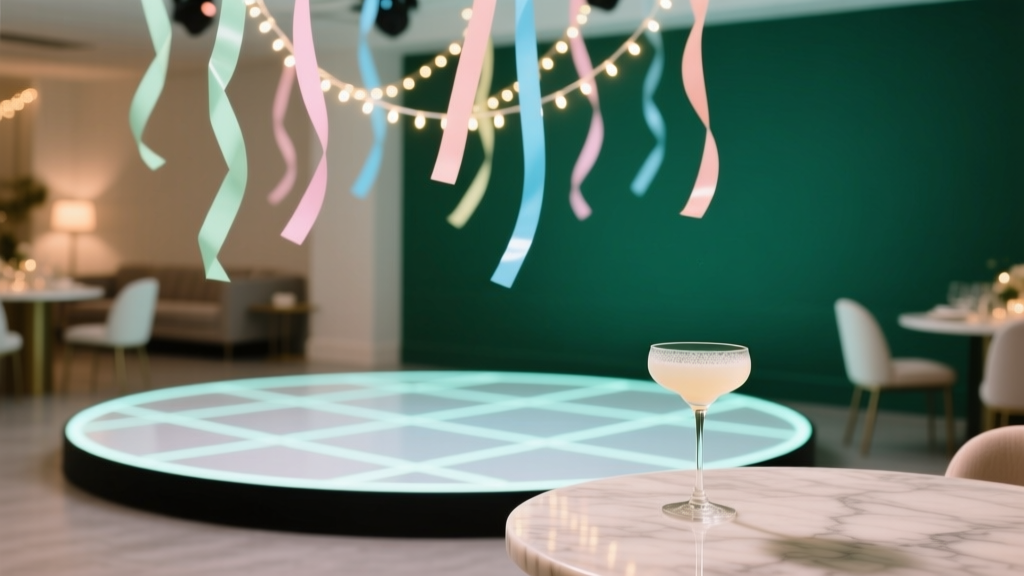
Common Mistakes When Planning a Dance Party
A great dance party looks effortless: guests arrive, the music hits, the energy stays high, and the night flows. Behind that “effortless” vibe is careful event planning, party organization, and coordination—especially because dance parties rely on timing, sound, lighting, crowd movement, and comfort more than many other event types.
When planning is rushed or incomplete, the issues show up fast: a crowded dance floor with no airflow, a playlist that clears the room, a bar line that blocks the entrance, or neighbors calling about noise. The good news is most dance-party problems are preventable with a smart timeline, realistic budget, and clear vendor communication.
This guide breaks down the most common dance party planning mistakes and how to avoid them, along with a step-by-step planning timeline, checklists, budget tips, and real-world examples so you can host an event that feels smooth, safe, and memorable.
What Makes Dance Parties Unique (and Easy to Misjudge)
Dance parties have a few unique planning realities:
- Energy is fragile: Music transitions, lighting, temperature, and crowd flow can make or break the vibe in minutes.
- Sound and space matter more than décor: Beautiful details won’t save an event with muddy audio or an awkward dance floor layout.
- Safety and comfort are non-negotiable: Hydration, ventilation, clear pathways, and security are key parts of event coordination.
- Timing is everything: A late DJ setup, delayed doors, or slow bar service can derail momentum.
The Most Common Dance Party Planning Mistakes (and How to Fix Them)
1) Choosing a Venue That Doesn’t Match the Party Concept
The mistake: Booking a space for the look or price without checking capacity, sound restrictions, floor type, ventilation, and layout.
How to avoid it:
- Confirm dance floor area (not just total capacity). A room for 120 seated might only handle 60 comfortably dancing.
- Ask about sound limits, curfew, neighbor sensitivity, and required security.
- Check power availability (dedicated circuits for DJ/lighting) and load-in access (stairs vs. ramp/elevator).
- Walk the space at the same time of day as your event to assess parking, lighting outside, and noise level.
Real-world example: A host booked an art gallery for 150 guests. The room echoed, the floor was slick, and there was a strict 9:30 PM cutoff. The event felt rushed and awkward. The fix for next time: a venue with built-in sound treatment, later hours, and a clearer bar/dance separation.
2) Underestimating the Sound System (or Overpowering the Room)
The mistake: Assuming a speaker or small house system will “do the job,” or renting a setup that’s far too loud for the venue.
How to avoid it:
- Match audio to the room: size, ceiling height, surfaces (glass/concrete), and crowd count.
- Prioritize clarity over raw volume: proper speaker placement, subwoofer balance, and a basic sound check.
- If hiring a DJ, confirm whether they provide speakers, a controller, microphones, and backups.
- Plan for a sound limiter if the venue requires it, and build that into expectations.
3) No Clear Music Plan (or a Playlist That Doesn’t Match the Crowd)
The mistake: Letting music become an afterthought—no guidance for the DJ, no timeline for tempo changes, or a vibe mismatch.
How to avoid it:
- Create a simple music brief: party theme, must-play list, do-not-play list, and 2–3 reference playlists.
- Plan energy arcs: warm-up, peak hours, cooldown, last-song moment.
- Use today’s trend: genre-blending (throwbacks + current hits + niche moments) and “mini-sets” for variety.
- For mixed-age events, ask for clean versions and smart transitions between eras.
4) Skipping a Run-of-Show and Setup Timeline
The mistake: Assuming vendors will “figure it out” on-site without a documented schedule.
How to avoid it:
- Create a one-page run-of-show that includes doors, DJ start, speeches, surprises, bar last call, and breakdown.
- Assign a point person for each area: venue contact, DJ, bar/catering, security, photo/video.
- Build buffer time for load-in, soundcheck, and troubleshooting.
5) Layout Problems That Kill the Flow
The mistake: Blocking entrances with check-in lines, placing the bar right next to the dance floor, or creating bottlenecks near restrooms.
How to avoid it:
- Design for three zones: dance floor, social/lounge area, and service (bar/food/restrooms).
- Keep a clear perimeter around the dance floor for traffic, photos, and cooling down.
- Place lighting so the dance floor is highlighted, while lounge areas are comfortable for conversation.
- Use signage and stanchions if you expect lines (coat check, tickets, bar).
6) Not Planning for Guest Comfort: Temperature, Hydration, and Seating
The mistake: A packed dance floor with no airflow, minimal water access, and nowhere to rest—guests leave early.
How to avoid it:
- Confirm HVAC settings and who controls them during the event.
- Offer free water stations (even at cash bars). It’s a safety and satisfaction win.
- Include seating for at least 15–25% of guests (more for mixed-age events).
- Consider today’s trend: wellness-forward hosting—comfortable lounge corners, hydration, and quieter spaces.
7) Overdecorating or Choosing Décor That Interferes With Lighting and Movement
The mistake: Décor that looks great in photos but blocks sightlines, restricts movement, or creates hazards.
How to avoid it:
- Keep centerpieces low or overhead; avoid tall items near movement areas.
- Use décor that enhances lighting: reflective accents, simple backdrops, LED uplighting.
- Tape down cables and avoid loose rugs or unstable props near the dance floor.
8) Forgetting Permits, Insurance, and Safety Basics
The mistake: No event insurance, unclear alcohol rules, and insufficient security planning.
How to avoid it:
- Ask the venue what certificates of insurance (COIs) are needed and deadlines.
- Clarify alcohol service rules: licensed bartenders, last call, wristbands, and ID checks.
- Plan security based on guest count, venue requirements, and whether it’s public or private.
- Ensure pathways and exits are clear—no décor blocking emergency routes.
9) Budgeting for “Fun” but Not for Operations
The mistake: Spending heavily on décor and skipping essentials like lighting, staff, restrooms, or cleaning.
How to avoid it: Build a budget that prioritizes the guest experience: sound, lighting, staffing, and comfort.
Step-by-Step Dance Party Planning Timeline (with Checklist)
6–8 Weeks Out: Define the Plan
- Set goals: birthday party, fundraiser, corporate celebration, or themed dance night
- Choose date/time and estimate guest count
- Create a working budget and pricing plan (ticketed vs. hosted)
- Book venue; confirm capacity, sound rules, curfew, and included equipment
- Shortlist key vendors: DJ, lighting, bar/catering, security, photo/video
4–5 Weeks Out: Lock in Vendors and Logistics
- Sign vendor contracts; confirm deposits and payment dates
- Draft floor plan: dance floor size, DJ placement, bar placement, lounge seating
- Plan guest flow: check-in, coat area, restroom access
- Decide on theme, dress code, and key visual elements (backdrop, signage)
- Start invitations and promotions (email, social, group chats)
2–3 Weeks Out: Build the Experience
- Create DJ music brief and run-of-show
- Finalize menu/bar plan and staffing levels
- Order rentals (lighting, additional speakers, cocktail tables, stanchions)
- Confirm permits/insurance; submit venue paperwork
- Plan content moments: entrance, group photo, birthday song, surprise performance
7–10 Days Out: Confirm and Communicate
- Vendor confirmation calls: arrival times, load-in instructions, parking
- Send final run-of-show to vendors and key helpers
- Finalize guest count and staffing adjustments
- Create a day-of contact list and emergency kit checklist
48 Hours Out: Prep for Smooth Execution
- Print signage (check-in, restrooms, drink menu)
- Prepare wristbands/tickets and check-in materials
- Pack extension cords, gaffer tape, batteries, first aid basics
- Confirm weather plan if there’s outdoor waiting or patio access
Day-Of Checklist: On-Site Coordination
- Walk the venue: exits, restrooms, bar, dance floor, bottlenecks
- Oversee load-in; confirm power and cable safety
- Soundcheck + lighting test before doors open
- Set up water station and lounge seating
- Brief staff on schedule, last call, and any VIP constraints
- Start on time; monitor temperature, crowding, and bar lines
- End strong: last song, lights up gradually, clear exit plan
Budget Considerations (Sample Breakdown)
Dance party budgets vary, but successful events usually prioritize production and staffing. Here’s a practical breakdown for a 100-person private dance party:
- Venue: 25–40%
- DJ + sound: 15–25%
- Lighting/AV: 10–20%
- Food and bar: 15–30%
- Staffing/security: 5–15%
- Décor/signage: 3–10%
- Photo/video (optional): 5–15%
- Contingency: 5–10%
Budget-saving swaps that don’t reduce quality:
- Use lighting (uplights, a simple dance wash, a disco ball) instead of heavy décor.
- Offer a signature cocktail + beer/wine instead of a full open bar.
- Hire a strong DJ and keep visuals minimal—music quality is the core experience.
- Choose a venue with included tables, seating, and built-in bar service.
Vendor Selection Tips for a Stress-Free Dance Party
DJ/Band
- Ask for a recent mix or live event clips (not just curated highlights).
- Confirm what’s included: speakers, mics, lighting, backup gear.
- Request guidance on timing: peak windows, pacing, and guest engagement.
Lighting/AV
- Look for vendors who ask about ceiling height, wall color, and room layout.
- Prioritize a few high-impact elements: uplighting + dance floor effect + spotlight for key moments.
- Confirm who handles setup/breakdown and how early they need access.
Catering/Bar
- Prevent long lines: one bar per ~75–100 guests is often smoother, depending on service style.
- Keep dance-friendly foods: easy-to-eat, minimal mess, late-night snacks if the party runs long.
- Ask about water availability and policies for outside beverages.
Security and Staffing
- Match staffing to your crowd and venue requirements (especially for public-facing or ticketed events).
- Clarify responsibilities: door management, crowd flow, incident response.
Quick “Mistakes to Avoid” Checklist
- Booking a venue without testing acoustics and understanding sound restrictions
- Skipping a soundcheck or ignoring speaker placement
- No run-of-show, no vendor arrival schedule, no buffers
- Bar/check-in lines blocking the entrance or restrooms
- Not enough water, airflow, or seating
- Overdecorating the space and creating hazards
- Underbudgeting for staffing, cleaning, insurance, and contingency
- Failing to communicate music preferences and vibe expectations
FAQ: Planning and Coordinating a Dance Party
How long should a dance party last?
Most private dance parties run 3–5 hours. Plan for a 30–60 minute warm-up, 90–120 minutes of peak dancing, then a final hour that tapers with a strong last-song moment.
How do I figure out the right capacity for dancing?
Ask the venue for the square footage of the open area. As a practical guide, plan roughly 4–6 square feet per person on the dance floor, depending on the style of dancing and how packed you want it.
Do I need a separate lighting vendor if I have a DJ?
Not always. Many DJs provide basic dance lighting. If you want a more immersive look (uplighting, spotlighting, custom gobos, or a true club feel), a dedicated lighting/AV vendor is worth it.
What’s the best way to prevent long bar lines?
Limit the menu to faster pours (beer, wine, two signature cocktails), staff appropriately, and keep the bar layout away from traffic choke points. Pre-batching signature cocktails can also speed service.
How can I keep guests engaged if not everyone wants to dance?
Create a lounge zone with comfortable seating, photo moments, and conversation-friendly lighting. Today’s event planning trend is “multi-zone experiences” so guests can move between dancing, socializing, and recharging.
What’s a realistic contingency plan for a dance party?
Plan for power issues, vendor delays, and crowd flow changes. Have backup playlists, spare cables/adapters, and a point person who can make quick decisions. Hold 5–10% of your budget for last-minute needs.
Next Steps: Plan Smarter, Party Better
Start with the fundamentals: the right venue, a clear music plan, a workable layout, and a timeline that gives vendors room to succeed. Then build the atmosphere with lighting, comfort touches, and a few high-impact moments guests will talk about afterward.
If you want a smoother planning process, create three documents today: (1) a one-page run-of-show, (2) a vendor contact sheet with arrival times, and (3) a floor plan that protects the dance floor and keeps lines out of traffic areas.
Ready to level up your event coordination? Explore more practical event planning guides, checklists, and party organization tips at smartpartyprep.com.
More Articles
 Are You Ready to Party? The 7-Step Pre-Event Readiness Audit That Cuts Last-Minute Panic by 83% (Backed by 127 Event Pros)
When Do Vegas Pool Parties Start? The Real Opening Dates (Not What Google Says) — Plus Exact 2024 Start Times, Insider Booking Windows, and How to Avoid $300+ Last-Minute Cover Fees
How Does a Favorite Things Party Work? The Real-World Playbook (No Awkward Gifts, No Budget Blowouts, Just Joyful Hosting)
Why Was It Called the Know Nothing Party? The Shocking Truth Behind America’s Most Secretive Political Movement — And Why Its Tactics Echo in Today’s Politics
Does Partiful Show Who Viewed Your Invite? The Truth About Visibility, Privacy, and What You *Actually* Control (No Guesswork Needed)
What to Wear to a Las Vegas Themed Party: 7 Realistic Outfit Formulas (That Actually Impress—No Glitter Overload Required)
What to Bring to a Barbecue Party: The Stress-Free, No-Awkwardness Checklist That Saves You From Showing Up Empty-Handed (or Over-Bringing) — Backed by 200+ Host Surveys
Can You Control Party Members in Metaphor? The Truth About Facilitation, Player Agency, and How to Guide Without Breaking Immersion — A Playbook for Hosts Who Want Impact, Not Interference
What Is Harvest Party? The Truth No One Tells You (It’s Not Just Pumpkins & Pie—Here’s How to Plan One That Actually Connects People in 2024)
Are You Ready to Party? The 7-Step Pre-Event Readiness Audit That Cuts Last-Minute Panic by 83% (Backed by 127 Event Pros)
When Do Vegas Pool Parties Start? The Real Opening Dates (Not What Google Says) — Plus Exact 2024 Start Times, Insider Booking Windows, and How to Avoid $300+ Last-Minute Cover Fees
How Does a Favorite Things Party Work? The Real-World Playbook (No Awkward Gifts, No Budget Blowouts, Just Joyful Hosting)
Why Was It Called the Know Nothing Party? The Shocking Truth Behind America’s Most Secretive Political Movement — And Why Its Tactics Echo in Today’s Politics
Does Partiful Show Who Viewed Your Invite? The Truth About Visibility, Privacy, and What You *Actually* Control (No Guesswork Needed)
What to Wear to a Las Vegas Themed Party: 7 Realistic Outfit Formulas (That Actually Impress—No Glitter Overload Required)
What to Bring to a Barbecue Party: The Stress-Free, No-Awkwardness Checklist That Saves You From Showing Up Empty-Handed (or Over-Bringing) — Backed by 200+ Host Surveys
Can You Control Party Members in Metaphor? The Truth About Facilitation, Player Agency, and How to Guide Without Breaking Immersion — A Playbook for Hosts Who Want Impact, Not Interference
What Is Harvest Party? The Truth No One Tells You (It’s Not Just Pumpkins & Pie—Here’s How to Plan One That Actually Connects People in 2024)
 When Is the Hunting Party On? Your Exact Date + 7-Step Countdown Plan to Avoid Last-Minute Chaos (With Real Guest RSVP Data)