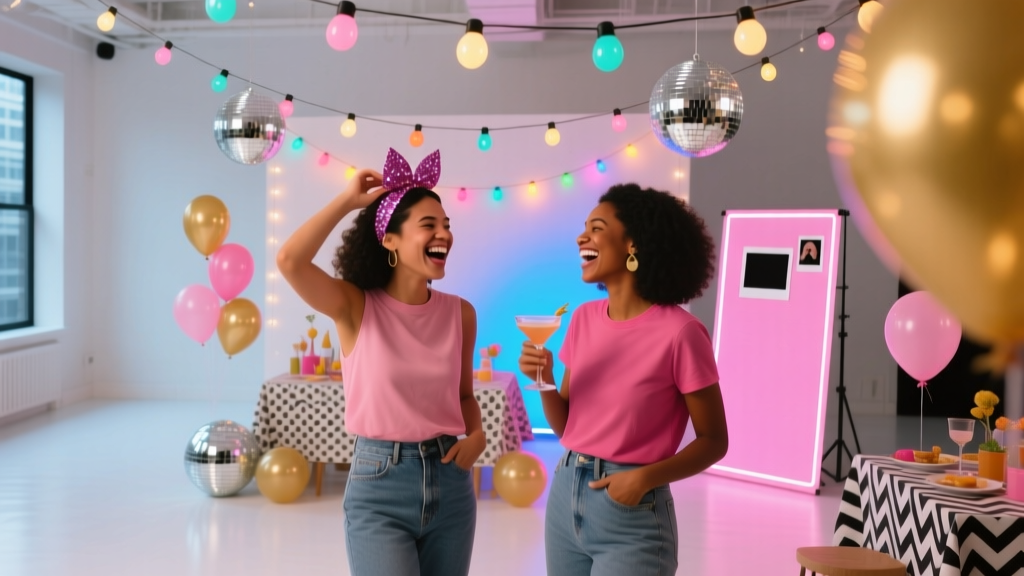
Budget Tips for a Dance Party
A great dance party isn’t about spending the most money—it’s about creating the right energy. The best events feel effortless to guests, but they’re built on smart decisions: clear priorities, a realistic budget, and a simple plan that keeps you on track. When you plan with intention, you avoid last-minute purchases, costly vendor rush fees, and “panic add-ons” that inflate your total fast.
Dance parties also have a few unique budget pressure points: sound, lighting, space, and flow. A room that’s too small, a speaker that can’t carry the crowd, or a playlist that doesn’t match the vibe can make even a beautiful setup fall flat. Proper event planning and party organization help you spend where it actually matters—and save everywhere else.
This guide breaks down practical, step-by-step strategies to plan a dance party on a budget, including a timeline, a checklist, vendor selection tips, real-world budget examples, and common mistakes to avoid.
Start With the “Dance Party Formula”: Vibe + Sound + Space
Before you price anything, define what success looks like. When budgets are tight, clarity is your superpower.
Define the vibe in one sentence
Write a one-sentence “event anchor” you can use to make quick decisions:
- “A 30th birthday dance party with club lighting and a throwback playlist.”
- “A family-friendly school dance with clean pop hits and lots of photo moments.”
- “A backyard dance party with tropical décor and a DJ-style mix.”
Identify your non-negotiables
Pick 2–3 items to protect in the budget. For most dance parties, the best non-negotiables are:
- Sound quality (guests forgive simple décor, not muddy audio)
- Lighting or ambiance (even inexpensive lighting can transform a room)
- Comfort basics (water station, ventilation, and seating edges)
Choose a “good enough” standard for everything else
This prevents upgrade creep. Examples:
- Décor: one focal point + simple room dressing
- Food: snackable items that don’t require plates and cutlery
- Bar: limited menu (2 signature drinks + water + soda)
Budget Planning 101: Set a Total, Then Allocate With Percentages
A common event coordination mistake is pricing line-by-line without a framework. Use percentage-based budgeting first, then shop within your caps.
Simple dance party budget breakdown (starting point)
- Venue (or space prep): 20–35%
- Music & sound (DJ/band or DIY equipment): 15–30%
- Lighting & ambiance (lights, effects, décor focal points): 10–20%
- Food & beverages: 15–25%
- Rentals (tables, cocktail rounds, extra chairs): 0–15%
- Staffing/security/clean-up: 0–15%
- Marketing/invites/photo moments: 0–10%
- Contingency: 5–10%
Real-world budget examples
Example A: $500 living room / backyard dance party (20–30 guests)
- Sound: $120 (rent a speaker + mic, or borrow + buy adapters)
- Lighting: $60 (LED party lights + string lights)
- Food & drinks: $220 (snacks, soda, ice, water, one signature drink)
- Décor: $40 (balloons or streamer wall for photos)
- Misc/contingency: $60 (extra ice, tape, extension cords)
Example B: $2,000 community hall dance party (60–80 guests)
- Venue: $600 (4–5 hours + basic tables/chairs)
- DJ: $550 (local DJ with controller + basic sound)
- Lighting add-on: $200 (uplighting or dance-floor effects)
- Food & drinks: $450 (bulk finger foods + nonalcoholic drinks)
- Decor/photo corner: $100
- Security/attendant: $50–$150 (if required)
- Contingency: $100
Example C: $5,000 semi-private venue dance party (100–130 guests)
- Venue: $1,600
- DJ + upgraded sound: $1,200
- Lighting package: $600
- Food & beverages: $1,200
- Staffing/clean-up: $250
- Photo moment + décor: $350
- Contingency: $400
Step-by-Step Planning Timeline (With Checklist)
Use this timeline template to organize your event planning and coordination. Adjust dates based on your event size, venue rules, and whether you’re hiring vendors.
6–8 Weeks Before: Foundations
- Set the total budget and choose your non-negotiables.
- Pick a date and time (consider noise ordinances and venue restrictions).
- Estimate guest count using a realistic RSVP rate:
- Casual parties: 50–70% show rate
- Ticketed/invite-only: 70–90% show rate
- Choose the space (home, backyard, community hall, restaurant buyout, studio).
- Draft a floor plan:
- Dance floor zone
- DJ/speaker location
- Food/drink zone away from electronics
- Seating/rest area
- Create your vendor short list (DJ, rentals, security, bartender if needed).
4–5 Weeks Before: Lock the Big Pieces
- Book the venue and confirm:
- Setup/cleanup time
- Sound limits, curfew, power outlets
- Tables/chairs included
- Insurance requirements
- Secure your music plan:
- Hire a DJ, or
- Create a DIY playlist plan + equipment list
- Plan lighting and ambiance (see budget tips below).
- Send invites (digital invites save money and track RSVPs).
2–3 Weeks Before: Details + Savings Moves
- Finalize the run of show:
- Doors open
- Warm-up playlist
- Peak set time
- Any announcements, birthday moment, group dance
- Last song + lights up
- Confirm equipment needs:
- Speaker(s), mixer/controller, laptop/device
- Power strips, extension cords, gaffer tape
- Microphone (wireless if possible)
- Build a simple décor plan focused on one photo focal point.
- Plan your food menu (snackable, minimal mess).
- Recruit helpers (setup team, door check-in, refill station).
7–10 Days Before: Confirm + Purchase
- Confirm vendors in writing (arrival time, load-in instructions, payment method).
- Create a day-of contact sheet with phone numbers and roles.
- Shop nonperishables (cups, napkins, trash bags, tape, batteries).
- Check lighting and test in the actual space if possible.
- Plan signage:
- Water station sign
- Trash/recycling signs
- “Requests” QR code for the DJ/playlist (optional)
48–72 Hours Before: Final Prep
- Buy perishables (ice, fresh food, garnishes).
- Charge devices and download music offline (avoid Wi-Fi issues).
- Set up a supply bin:
- First aid basics, stain remover pen, safety pins
- Phone chargers, scissors, zip ties
- Earplugs (optional but appreciated)
- Walk the flow: entry → coats → drinks → dance floor → restrooms.
Day-Of Checklist (Quick Hit)
- Sound check (volume across the room, mic test)
- Lighting check (no strobing hazards if kids/sensitive guests present)
- Clear dance floor (remove trip hazards, tape down cords)
- Water station stocked
- Trash bins visible and lined
- Cashless payment ready (if ticketed or donation-based)
- Run-of-show printed or on phone
High-Impact Budget Tips (Where to Spend vs. Save)
Spend strategically on sound
If guests can’t hear the music cleanly, nothing else matters. Budget-friendly sound strategies:
- Rent a quality speaker rather than buying a cheap one.
- Use two speakers for larger rooms to reduce distortion (lower volume, better coverage).
- Prioritize reliability: bring backup cables (AUX/USB-C/lightning), adapters, and a spare power strip.
Create “big feel” lighting for under $150
Current event planning trends lean toward immersive ambiance over expensive décor. Try:
- LED uplights aimed at walls (makes any room look intentional)
- String lights for warmth + depth in photos
- One effect light (rotating party light) aimed away from faces
- DIY glow touches: glow sticks at the door, LED wristbands for a peak moment
Use a “one focal point” décor rule
Instead of decorating everything, build one high-impact zone:
- Balloon garland or streamer wall + a simple neon-style sign
- Shimmer curtain backdrop + two floor lamps with colored bulbs
- Photo corner with a themed prop table (kept tidy by a helper)
Serve dance-friendly food
Guests dance more when food is easy. Keep it simple and avoid messy items.
- Best budget options: pizza squares, sliders, chips + salsa, fruit trays, brownies
- Smart service: pre-portion snacks in cups to reduce waste
- Timing tip: serve heavier food early, then switch to light snacks
Consider a limited bar (or no-bar) plan
Alcohol can inflate costs fast. Options:
- Two signature drinks + beer/wine only (no full bar)
- Bring-your-own (only if your venue allows it and you can manage safety)
- Mocktail bar (trend-friendly, budget-friendly, inclusive)
Vendor Selection Tips That Protect Your Budget
DJ vs. DIY playlist: how to decide
- Hire a DJ if you want seamless transitions, crowd reading, announcements, and a true “club” feel.
- Go DIY if your group is small, your music taste is specific, and you have someone responsible to manage the flow.
Questions to ask vendors before you book
- What’s included in your base price (equipment, setup time, travel)?
- Do you have proof of insurance (if required)?
- What’s your overtime rate?
- What’s your backup plan if gear fails or you’re sick?
- Can you share a sample playlist or event references?
Money-saving negotiation and booking tactics
- Book off-peak (Friday early evening, Sunday afternoon) for better rates.
- Bundle services: DJ + lighting package often costs less than separate bookings.
- Be clear about your cap: “We have $600 total for DJ + basic lighting—what can you offer within that?”
- Get it in writing: a simple contract prevents surprise fees.
Current Trends You Can Use Without Overspending
- QR code moments: link to RSVP, playlist requests, or a shared photo album—cheap and highly functional.
- Experience-first planning: guests remember the vibe (music, lighting, flow) more than expensive centerpieces.
- Micro-zones: create small “areas” (dance, lounge, photo, hydration) to make a space feel designed.
- Low-waste party organization: reusable cups, labeled bins, digital invites—often cheaper and easier to manage.
Common Dance Party Planning Mistakes (And How to Avoid Them)
- Underestimating power needs: avoid blown circuits by spreading power loads and using quality power strips.
- Placing speakers poorly: corners can boom and distort. Test placement during setup.
- Skipping a sound check: always test volume from the farthest point in the room.
- No water plan: dancing guests need hydration; a simple water station prevents problems.
- Over-decorating the dance floor: keep it clear for safety and movement.
- Buying random items without a plan: stick to your budget categories and your “event anchor.”
- Forgetting cleanup logistics: trash bags, bins, and a cleanup playlist make teardown faster.
Mini Templates You Can Copy
Budget tracker categories
- Venue
- DJ/Music
- Sound equipment
- Lighting
- Décor/Photo area
- Food
- Beverages/Ice
- Rentals
- Staff/Security
- Misc/Contingency
Run-of-show sample (4-hour dance party)
- 0:00 Doors open + upbeat warm-up playlist
- 0:30 Social set (mid-tempo; encourage mingling)
- 1:15 Peak set begins (high energy)
- 2:00 Highlight moment (birthday song, group dance, toast)
- 2:15 Second peak (requests + crowd favorites)
- 3:30 Last call for photos + final songs
- 4:00 Lights up + exit playlist (calmer tempo)
FAQ: Budget Dance Party Planning
How much should I budget per person for a dance party?
For casual home parties, many hosts land around $10–$25 per person. For rented venues with a DJ, $25–$60 per person is more typical depending on food and staffing. Use per-person math as a reality check, then allocate by category.
What’s the best way to save money on a venue?
Start with community centers, VFW halls, local studios, and restaurants with private rooms. Ask about off-peak pricing, shorter rental blocks, and what’s included (tables, chairs, sound limits). A venue that includes basics can be cheaper than a low rate that requires rentals.
Is a DJ worth it on a tight budget?
If the party’s main activity is dancing, a DJ is often the highest-ROI spend because they control energy and pacing. If you go DIY, assign a “music captain” and plan playlists by hour (warm-up, peak, cooldown) so it doesn’t feel random.
How do I make a dance party feel “high-end” without spending a lot?
Focus on lighting, a clean and clear floor plan, and one strong photo moment. Add small touches that feel intentional: a printed sign at the water station, coordinated colors, and a simple entrance moment (balloons, LED lights, or a backdrop).
What should I include in a contingency budget?
Set aside 5–10% for last-minute needs like extra ice, replacement cables, tape, batteries, a forgotten rental fee, or overtime. This is one of the easiest event planning strategies to reduce stress.
How do I keep costs from creeping up in the final week?
Freeze your plan 7–10 days out. Only spend on items that solve a specific problem (safety, flow, guest comfort) or protect a non-negotiable (sound/lighting). If it doesn’t support your event anchor, skip it.
Actionable Next Steps
- Write your one-sentence vibe statement and pick 2–3 non-negotiables.
- Set your total budget and assign category caps using the percentage breakdown above.
- Choose the venue (or map your home layout) and draft a simple floor plan.
- Decide DJ vs. DIY and confirm your sound + lighting plan early.
- Use the timeline checklist to lock details and avoid last-minute spending.
With smart party planning, you can build a dance floor guests actually want to be on—without overspending. For more step-by-step event planning guides, coordination checklists, and party organization tips, explore the resources on smartpartyprep.com.
More Articles
 How to Write a Contract Agreement Between Two Parties: The 7-Step Legal Checklist That Prevents 92% of Disputes (No Lawyer Required)
What Is a Right Wing Party? 7 Myths You Still Believe (And Why They’re Costing You Political Clarity in 2024)
How Much Is a Party Pizza From Big Y in 2024? Real-Time Pricing, Size Breakdowns, & 5 Smart Ways to Save Up to $8.50 Per Order (Without Coupons)
How to Write a Contract Agreement Between Two Parties: The 7-Step Legal Checklist That Prevents 92% of Disputes (No Lawyer Required)
What Is a Right Wing Party? 7 Myths You Still Believe (And Why They’re Costing You Political Clarity in 2024)
How Much Is a Party Pizza From Big Y in 2024? Real-Time Pricing, Size Breakdowns, & 5 Smart Ways to Save Up to $8.50 Per Order (Without Coupons)
 Who Was Involved in the Boston Tea Party? The Full Roster of Key Players—From Secret Sons of Liberty Leaders to Anonymous Dockworkers You’ve Never Heard Of (But Should)