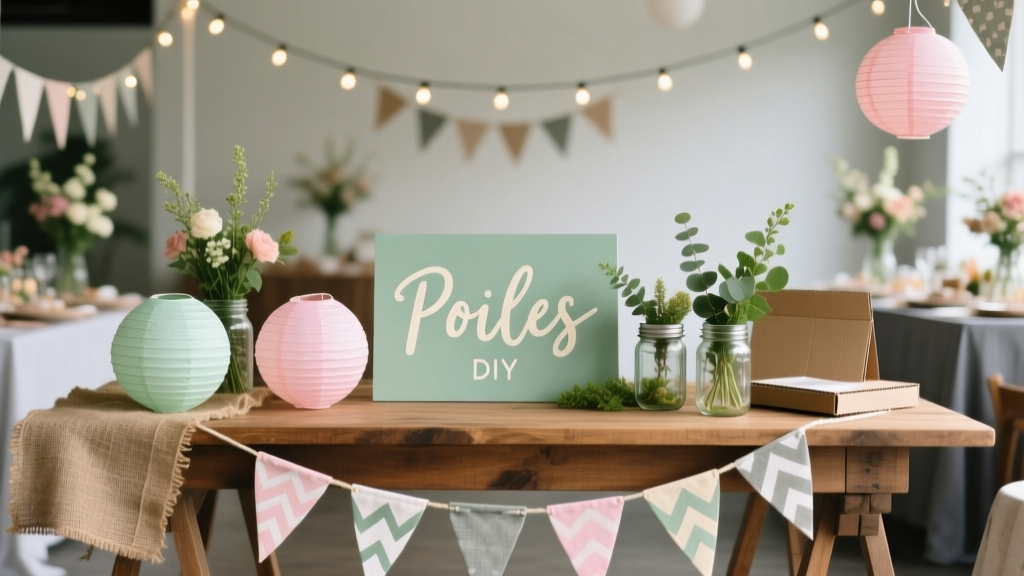
Budget Tips for a Craft Fair
A craft fair can be one of the most rewarding events to plan: it brings together local makers, supports small businesses, and creates a community experience that feels warm, personal, and memorable. It can also become unexpectedly expensive if you don’t set clear financial boundaries early. The most successful craft fair organizers treat budgeting as part of event design, not an afterthought.
When you plan with a budget-first mindset, you’ll make smarter choices about venue layout, marketing channels, vendor mix, staffing, and guest experience. You’ll also reduce last-minute spending (the most common cause of budget blowouts). The goal isn’t to “cut corners”—it’s to spend strategically on the items that directly impact attendance, vendor satisfaction, and overall event flow.
This guide walks you through practical, step-by-step craft fair planning strategies, a timeline checklist, vendor selection tips, and real-world budget examples you can adapt to your event size.
Start with a Budget Framework (Before You Book Anything)
Define your craft fair format and revenue model
Your budget depends on how your event earns (or saves) money. Identify the format and revenue sources first, then set a spending cap.
- Indoor vs. outdoor: Indoor often costs more upfront (venue fee) but reduces weather risk. Outdoor may need tents, permits, and contingency plans.
- Ticketed vs. free entry: Ticketing adds revenue but also adds staffing and ticketing tools. Free entry relies more on vendor fees and sponsorships.
- Single-day vs. weekend: Multi-day increases staffing, security, and facility fees, but may increase vendor value and attendance.
Set a “not-to-exceed” number and build backwards
Use a simple event planning rule: your total expenses should be comfortably covered by confirmed income (or guaranteed funding) plus a cushion.
- Income sources: booth fees, sponsorships, ticket sales, donations, concessions percentage, raffle, workshop add-ons
- Expense categories: venue, permits/insurance, rentals, marketing, staffing, signage, entertainment, admin supplies
- Contingency: reserve 10–15% for surprises (weather supplies, last-minute printing, extra tables)
Budget breakdown template (percentage-based)
Adjust these percentages based on your venue and whether you’re indoors or outdoors.
- Venue + permits + insurance: 25–35%
- Rentals (tables, chairs, tents, pipe/drape): 15–25%
- Marketing + printing: 10–18%
- Staffing + security + cleaning: 10–20%
- Signage + guest experience: 5–10%
- Payment processing + admin tools: 2–5%
- Contingency: 10–15%
Real-World Budget Examples (Small, Medium, Large)
Example A: Small community craft fair (20 vendors, free entry)
- Estimated income: 20 booths x $40 = $800
- Expenses:
- Venue donation/low-cost community hall: $150
- Insurance (event liability): $150
- Tables/chairs (partial rental): $200
- Marketing (flyers + boosted social post): $100
- Signage + supplies (tape, zip ties, extension cords): $75
- Contingency: $75
- Total: $750 (small surplus for improvements next event)
Example B: Medium craft fair (50 vendors, optional $3 entry)
- Estimated income:
- 50 booths x $85 = $4,250
- Entry tickets (800 guests x $3): $2,400
- Total income: $6,650
- Expenses:
- Venue rental: $2,000
- Insurance + permits: $450
- Rentals (tables, pipe/drape, extra trash bins): $1,250
- Marketing + printing: $900
- Security + cleaning: $600
- Signage + wristbands + check-in supplies: $300
- Contingency: $600
- Total: $6,100 (room to reinvest in better signage, a photo area, or a maker demo next time)
Example C: Large holiday craft fair (100 vendors, ticketed)
- Estimated income:
- 100 booths x $150 = $15,000
- Tickets (2,500 guests x $5): $12,500
- Sponsorships: $3,000
- Total income: $30,500
- Expenses:
- Large venue + staffing requirements: $12,000
- Insurance + permits + fire marshal requirements: $1,200
- Rentals (pipe/drape, tables, staging, AV): $6,500
- Marketing (digital ads + local media + signage): $4,500
- Security + overnight monitoring + cleaning: $3,200
- Ticketing fees + admin tools: $800
- Contingency: $2,500
- Total: $30,700 (very tight; sponsorships or higher booth fees may be needed to create a safety margin)
Budget-Smart Decisions That Make the Biggest Difference
Choose a venue that reduces rentals
A “cheap” venue can become costly if it lacks basics. When comparing venues, calculate total cost (rental + required add-ons).
- Ask if tables/chairs are included and how many
- Confirm outlets, lighting quality, restrooms, and ADA accessibility
- Check if you must hire approved vendors (security, cleaning, AV)
- Ask about load-in/load-out timing (overtime fees can add up)
Optimize your floor plan to reduce wasted space
Smart event coordination starts with a scaled layout. Use a simple grid method to reduce tape-marking errors and last-minute changes.
- Standard booth sizes: 6'x6', 8'x8', or 10'x10'
- Keep main aisles wide enough for two-way traffic and strollers (often 8–10 feet)
- Cluster similar categories (jewelry, home decor, kids) to improve shopping flow
- Place anchor attractions (raffle, workshop area, featured maker demo) to pull traffic through the entire space
Use modern marketing trends without overspending
Current event planning trends favor short-form video, community partnerships, and location-based targeting over expensive broad ads.
- Vendor-powered marketing: provide a social media kit (graphics, captions, event link) so vendors promote consistently
- Geo-targeted ads: small spend, tight radius (5–15 miles), short timeframe (10–14 days)
- Email + community calendars: libraries, schools, neighborhood groups, chambers of commerce
- UGC (user-generated content): create a simple photo spot; encourage posts with a branded hashtag
Cut printing costs strategically
- Print fewer, larger signs instead of many small ones
- Use QR codes for schedules, maps, and vendor lists
- Reuse generic signs: “Restrooms,” “Exit,” “Check-In,” “Vendor Load-In”
- Laminate core signage once; update inserts as needed
Vendor Selection Tips That Protect Your Budget (and Reputation)
Build a vendor mix that attracts shoppers
Shoppers come for variety and originality. Too many similar booths can reduce sales and cause vendor dissatisfaction.
- Set category caps (example: no more than 15% jewelry)
- Prioritize handmade and curated goods aligned with your theme
- Balance price points (impulse buys + higher-ticket statement pieces)
Use vendor fees to cover true costs
Calculate your “cost per booth” so fees are fair and sustainable.
- Add fixed costs (venue, insurance, permits, base marketing).
- Divide by the number of booths you can realistically fit.
- Add a small per-vendor variable cost (wristband, table rental, payment processing support).
- Include a cushion for no-shows and last-minute expenses.
Offer tiered booth options to increase revenue without raising base prices
- Standard booth: space only
- Booth + table/chairs: add-on fee
- Premium location: near entrance or main aisle (higher fee)
- Sponsorship add-ons: logo on signage, social feature, raffle sponsor
Protect your budget with clear vendor policies
- Non-refundable deposit (or clear refund window)
- Weather policy for outdoor events
- Arrival and teardown rules (avoid early pack-up that hurts the event experience)
- Power access rules and fees (power is a common “hidden cost”)
Step-by-Step Planning Timeline + Checklist
8–12 weeks out: Foundation and budget lock
- Define event goals (fundraiser, community building, profit, seasonal theme)
- Create your master budget with 10–15% contingency
- Confirm venue, hours, and capacity
- Request required permits and insurance quotes
- Draft vendor application and rules
- Build an initial floor plan and booth count
6–8 weeks out: Vendors and marketing launch
- Open vendor applications and start curated selection
- Secure key rentals (tables, pipe/drape, tents if needed)
- Create marketing plan: social schedule, email blasts, community calendar outreach
- Recruit volunteers or staff; assign roles (check-in, floaters, vendor support)
- Plan guest flow: entry point, check-in, lines, accessibility
4–6 weeks out: Experience design and logistics
- Finalize vendor list and collect remaining payments
- Confirm load-in instructions and parking plan
- Plan signage needs: directional, rules, vendor map, emergency info
- Book security/cleaning if required
- Confirm electrical needs and extension cord plan
- Line up food options (food trucks, concessions, or nearby partners)
2–3 weeks out: Details and final purchases
- Release vendor packet: map, schedule, rules, promotional assets
- Create an event day run-of-show (setup, opening, announcements, teardown)
- Print essential signage and check-in materials
- Prepare cash plan (change box) and payment tools if ticketed
- Confirm staffing schedule and communication method (group text or radio plan)
Week of the event: Confirmations and contingency planning
- Confirm with venue contact and rental companies (delivery times)
- Create a “fix-it kit” (see list below)
- Repost vendor spotlights and final reminders across social media
- Send attendee reminders: parking, time, entry cost, accessibility info
- Prepare a rain/wind plan for outdoor events
Event day checklist: Budget-friendly operations
- Check-in table: vendor list, wristbands, maps, pens, tape, scissors
- Cash and ticketing supplies: float, receipt book, QR code scanner if needed
- Signage placed first: entrances, restrooms, exits, emergency info
- Walkthrough: trip hazards, cord covers, aisle width, fire exits clear
- Volunteer briefing: who handles what, escalation plan, lost-and-found
- End-of-day plan: trash sweep, lost items, damage notes, vendor feedback link
Low-cost “fix-it kit” that prevents expensive emergencies
- Gaffer tape or painter’s tape, zip ties, scissors, utility knife
- Extension cords, power strips, cord covers (as required)
- Sharpies, pens, clipboards, extra paper
- Basic first aid kit, stain wipes, hand sanitizer
- Extra tablecloth clips, binder clips, small tool kit
Common Craft Fair Planning Mistakes to Avoid
- Underestimating “invisible” costs: insurance, permits, credit card fees, cleaning, security, overtime
- Overprinting: printing thousands of flyers without a distribution plan wastes money—use targeted placements instead
- No floor plan testing: tight aisles cause crowding, poor shopper flow, and vendor complaints
- Weak vendor communication: unclear setup times and rules lead to chaos and extra staffing needs
- Not having a weather backup: even indoor events need a plan for parking, entry lines, and wet floors
- Pricing booths without math: low booth fees feel friendly but can quietly create a financial loss
FAQ: Budgeting and Organizing a Craft Fair
How do I set booth fees for my first craft fair?
Start by calculating your fixed costs (venue, insurance, permits, base marketing), divide by your estimated booth count, then add per-vendor variable costs and a cushion. If your number feels too high for your market, adjust by adding sponsorships, reducing rentals, or increasing vendor count only if the space supports it.
Should I charge admission or keep entry free?
Free entry often boosts attendance and vendor satisfaction, especially for community events. Ticketed entry can work well for holiday craft fairs, curated maker markets, or events with workshops and entertainment. If you charge admission, keep the process fast (QR scanning, simple pricing) to avoid long lines.
What’s the best way to market a craft fair on a small budget?
Combine vendor spotlights (short videos and photos), community calendar listings, neighborhood/social groups, and a small geo-targeted ad. Give vendors a ready-to-share promo kit so your reach multiplies without extra spend.
How far in advance should I book a venue?
For peak seasons (holiday markets, spring fairs), 3–6 months is ideal if you have a larger event. For smaller local events, 8–12 weeks can work if the venue has availability. The earlier you book, the more time you have to secure vendors and sponsorships.
How do I prevent vendors from canceling at the last minute?
Use a clear contract with payment deadlines, a non-refundable deposit (or defined refund window), and consistent communication. Vendors are less likely to drop when they feel supported and know what to expect.
What’s a reasonable contingency amount for a craft fair budget?
Plan for 10–15% of total expenses. Outdoor events or larger multi-vendor markets should lean toward the higher end due to weather, rentals, and staffing variables.
Actionable Next Steps
- Choose your event model (free vs. ticketed, indoor vs. outdoor, one-day vs. weekend).
- Build a master budget using the percentage template and set a firm not-to-exceed amount.
- Pick a venue that reduces rentals and supports smooth load-in/load-out.
- Open vendor applications with category caps and tiered booth options.
- Launch a budget-smart marketing plan driven by vendor spotlights, local calendars, and targeted ads.
- Finalize your floor plan and timeline so event day runs on a checklist, not guesswork.
For more practical event planning, party organization, and coordination guides—plus checklists you can reuse—explore the latest resources at smartpartyprep.com.
More Articles
 How to Dress for a Disco Party Without Looking Costumed (7 Real-World Styling Rules That Actually Work in 2024)
Which Party Has the Most Billionaires? The Shocking Truth Behind Political Donor Wealth — Not Who You Think, and Why It Matters for Your Vote in 2024
How Do Political Parties and Interest Groups Differ? The 5 Key Distinctions You’re Probably Confusing — Clear, Real-World Examples Included (No Textbook Jargon)
How to Dress for a Disco Party Without Looking Costumed (7 Real-World Styling Rules That Actually Work in 2024)
Which Party Has the Most Billionaires? The Shocking Truth Behind Political Donor Wealth — Not Who You Think, and Why It Matters for Your Vote in 2024
How Do Political Parties and Interest Groups Differ? The 5 Key Distinctions You’re Probably Confusing — Clear, Real-World Examples Included (No Textbook Jargon)
 Wasn't That a Party? How to Turn Post-Event Nostalgia Into a Repeatable Blueprint for Unforgettable Gatherings (Without the Stress or Last-Minute Panic)
Who Plans a Bachelor Party? The Real Answer (It’s Not Just the Best Man—Here’s Who Should Lead, When, and Why It Matters More Than You Think)
Wasn't That a Party? How to Turn Post-Event Nostalgia Into a Repeatable Blueprint for Unforgettable Gatherings (Without the Stress or Last-Minute Panic)
Who Plans a Bachelor Party? The Real Answer (It’s Not Just the Best Man—Here’s Who Should Lead, When, and Why It Matters More Than You Think)
 How to Keep Pizza Warm for a Party: 7 Proven, Non-Soggy Methods (That Actually Work—No More Cold Crust or Greasy Boxes!)
What Is the Whig Party in Simple Terms? — The 2-Minute Breakdown That Explains Why This Forgotten Political Force Shaped Modern Democracy (No Textbook Jargon!)
Does the Black Panther Party still exist today? The truth behind its legacy—and how its revolutionary principles power modern movements like BLM, mutual aid networks, and youth-led civic initiatives in 2024.
How to Keep Pizza Warm for a Party: 7 Proven, Non-Soggy Methods (That Actually Work—No More Cold Crust or Greasy Boxes!)
What Is the Whig Party in Simple Terms? — The 2-Minute Breakdown That Explains Why This Forgotten Political Force Shaped Modern Democracy (No Textbook Jargon!)
Does the Black Panther Party still exist today? The truth behind its legacy—and how its revolutionary principles power modern movements like BLM, mutual aid networks, and youth-led civic initiatives in 2024.