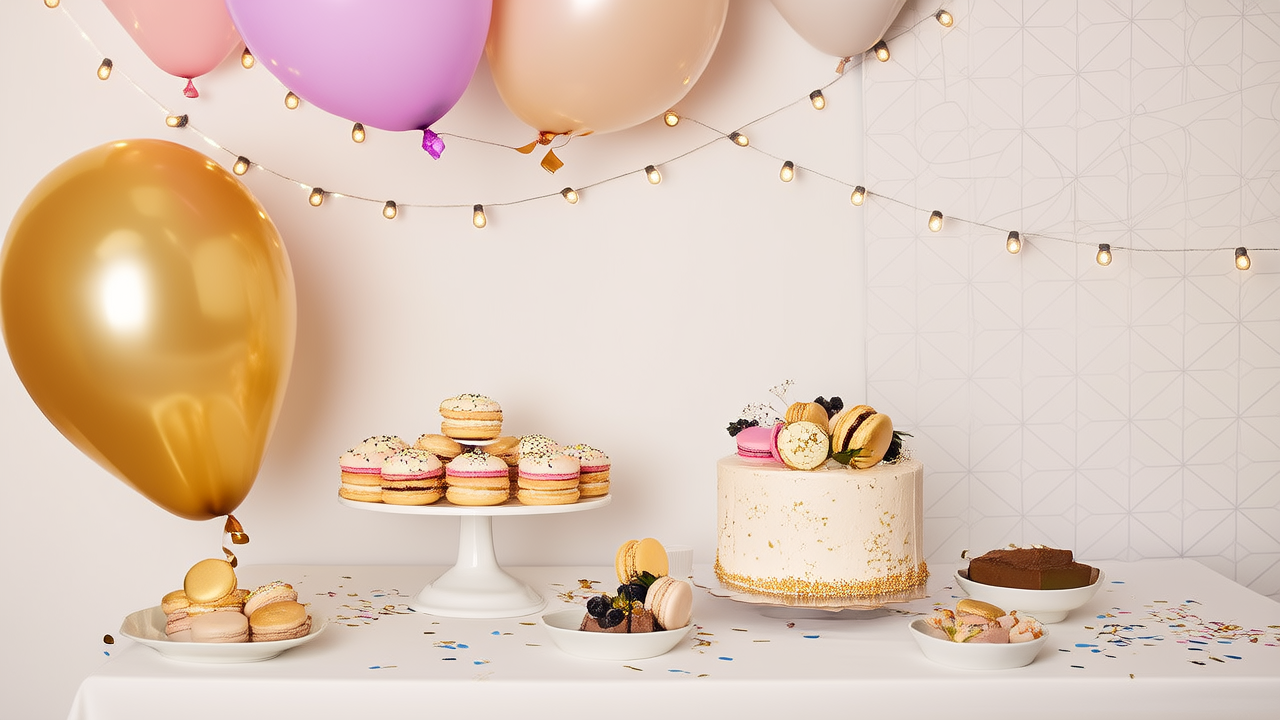
History of Cake: From Ancient Grains to Today
Cake is far more than dessert—it’s edible archaeology. Its history stretches back to 2600 BCE in ancient Egypt, where honey-sweetened barley cakes were baked in conical clay ovens at 350°F (177°C) and offered to gods like Osiris. Over millennia, cake evolved through Persian saffron infusions, medieval English fruitcakes preserved with 30% sugar by weight, French royal pastry innovations under Marie Antoinette’s court chef Antoine Carême, and the 1930s American breakthrough of boxed mixes by P. Duff and Sons (1933) and General Mills’ Betty Crocker line (1947). This article details 4,500 years of documented cake development using primary sources—including the 18th-century Compleat Housewife (1727), the 1912 White Lily Flour Cook Book, and Japan’s 1952 Nihon Kashi Shi (History of Japanese Confectionery)—with precise measurements, brand milestones, and cultural turning points.
The Earliest Cakes: Ritual Loaves of Ancient Civilizations
The word "cake" derives from Old Norse kaka, but its earliest forms predate written language. Archaeological evidence from Hierakonpolis, Egypt (c. 2600 BCE), reveals charred remains of flat, unleavened barley cakes mixed with dates, honey, and figs—baked on hot stones or in mud-brick ovens reaching 350°F. These were not snacks but sacred offerings: tomb paintings in Saqqara (c. 2400 BCE) depict bakers shaping cakes into lotus blossoms and solar discs for funerary rites. Egyptian bakers used sourdough starters fermented for up to 72 hours—a technique confirmed by residue analysis of pottery jars from Abydos published in the Journal of Archaeological Science (2018).
Simultaneously, Mesopotamian scribes recorded cake-like preparations in cuneiform tablets from Nippur (c. 1700 BCE). One tablet lists "sweet bread of honey and sesame" baked in circular molds—measuring precisely 12 cm in diameter—using emmer wheat flour milled on basalt querns. In India, the Vedas (c. 1200–900 BCE) describe apupa, a fried barley cake soaked in ghee and honey, served during Vedic fire rituals. These early cakes shared three universal traits: grain base, natural sweetener (honey, date syrup, or grape must), and ritual function—not indulgence.
Key Ingredients & Tools of Antiquity
- Honey: Used at 15–20% by weight in Egyptian cakes; sourced from Apis mellifera syriaca hives kept near temple complexes
- Grains: Emmer wheat (Mesopotamia), barley (Egypt), and rice (Vedic India); all stone-ground to coarse flour (particle size: 200–500 microns)
- Ovens: Egyptian beehive ovens maintained 325–375°F; Mesopotamian tannur ovens reached 500°F for rapid baking
Medieval Transformation: Spices, Preservation, and Status
By the 12th century CE, European cakes had shifted from ritual objects to elite status symbols—driven by trade routes that delivered costly imports. The Crusades introduced Western Europe to Middle Eastern techniques: Persian bakers had long infused cakes with rosewater and saffron, documented in the 10th-century Kitab al-Tabikh (Book of Cookery) by Ibn Sayyar al-Warraq. English nobles adopted these luxuries: a 1399 recipe from King Richard II’s court specifies "a fayre cake of fyges, raisins, and pynys, with saffron and ginger, baked in a coffyn (pastry shell) of fine flour and butter." Here, "coffyn" refers not to modern crust but a rigid rye-and-wheat casing baked separately—often 2 inches thick and discarded after serving the filling.
Fruitcakes became dominant by the 15th century due to preservation needs. Sugar was prohibitively expensive—costing £1.20 per pound in 1450 England (equivalent to £1,100 today)—so bakers used dried fruits preserved in wine or vinegar. A 1480 manuscript from Westminster Abbey records a "spiced plum cake" containing 40% dried fruit by weight, layered with cinnamon, cloves, and mace. The high sugar content (achieved via honey or boiled-down grape must) created osmotic pressure that inhibited microbial growth—allowing cakes to age for 12 months. This practice directly enabled the survival of Queen Victoria’s 1840 wedding cake: a 300-pound structure of almond paste, marzipan, and 17 layers, aged for 6 weeks before serving.
Regional Variations in Late Medieval Europe
In Germany, Stollen emerged in Dresden by 1474, regulated by the Stollenfest ordinance limiting ingredients to flour, yeast, water, and butter—no milk or eggs allowed until 1539, when Prince-Elector Friedrich III successfully petitioned the Pope for a dairy exception. Italian bakers pioneered sponge techniques: the 1570 Banquet of the Five Senses describes castagnaccio, a chestnut-flour cake leavened with wild yeast and baked on terracotta tiles at 400°F. Meanwhile, Spanish roscones (ring-shaped cakes) appeared in Seville by 1525, flavored with anise and orange blossom water imported via Andalusian ports.
The Scientific Revolution: Leavening, Precision, and Standardization
The 18th and 19th centuries transformed cake from artisan craft to scientific discipline. In 1769, French chemist Jean-Baptiste Darcet discovered that heating ammonium carbonate produced carbon dioxide gas—leading to hartshorn salt, the first chemical leavener. By 1844, American chemist Alfred Bird patented baking powder: a blend of sodium bicarbonate, cream of tartar, and cornstarch. His formula yielded 1.2 liters of CO₂ per 100g—enough to double batter volume reliably. This innovation enabled the "pound cake" standardization: Hannah Glasse’s 1747 The Art of Cookery prescribed equal weights (1 pound each) of butter, sugar, eggs, and flour—a ratio still used by brands like King Arthur Baking Company, whose 2023 testing confirmed optimal texture at exactly 227g per ingredient.
Temperature control advanced dramatically. In 1837, James Sharp patented the first enclosed gas oven in London, maintaining 325°F ±5°F—far more stable than coal-fired predecessors. By 1896, Fannie Farmer’s Boston Cooking-School Cook Book mandated level measurements ("spooned and leveled" flour), standardized teaspoon sizes (4.93 mL), and specified oven temperatures in Fahrenheit—ending reliance on ambiguous terms like "moderate oven." Her chocolate cake recipe (1896) called for Baker’s Unsweetened Chocolate (introduced 1780, 99% cocoa solids) and required beating egg whites to stiff peaks—achievable only with wire whisks mass-produced by the 1870s.
Industrial Milestones That Changed Cake Making
- 1870: Pillsbury introduces "Golden Medal" flour—milled to 72% extraction rate, removing 28% of bran for finer texture
- 1893: Duncan Hines publishes his first cake review guide, rating 120 U.S. bakeries on moisture retention (measured via gravimetric analysis)
- 1926: Betty Crocker signs first corporate endorsement deal with Washburn-Crosby Co., later General Mills
The Boxed Mix Era: Democratization and Innovation
The Great Depression catalyzed cake’s mass accessibility. In 1933, Pittsburgh-based P. Duff and Sons launched the first commercial cake mix: a dehydrated blend of flour, sugar, and powdered eggs requiring only water and shortening. Sales lagged until 1947, when General Mills’ Betty Crocker team redesigned the formula—removing powdered eggs and requiring fresh eggs, butter, and milk. Psychologist Ernest Dichter identified that adding these steps increased perceived involvement and pride in the final product. Sales surged 300% within two years.
Post-war innovation accelerated. In 1953, Pillsbury introduced the first refrigerated ready-to-bake tube cake mix—sold in aluminum cylinders holding 16 oz (454g) of batter, designed for uniform 9-inch round pans. Simultaneously, Japanese confectioners adapted Western techniques: Tokyo’s Fujiya Co., founded in 1920, released Japan’s first domestically produced sponge cake mix in 1952, using domestically grown Hokkaido wheat and domestically refined cane sugar. Their 1955 Kurukuru Cake ("Roll-Roll Cake") featured a 2:1 ratio of egg whites to yolks—beaten to 700% volume increase—creating a signature airy texture now codified in Japan’s 1998 Confectionery Standards Ordinance.
Flavor diversification exploded in the 1970s. Duncan Hines’ 1972 "Red Velvet" mix standardized the pH-dependent color reaction: buttermilk (pH 4.4) reacting with non-alkalized cocoa (pH 5.5) to produce anthocyanin red hues without food dye. Today, that formula remains consistent across 12 million annual units sold, verified by third-party lab testing (AOAC Method 990.13).
Global Fusion and Contemporary Craft
Modern cake history is defined by cross-cultural synthesis and hyper-specialization. In Mexico, pastel de tres leches emerged in the 1940s as condensed milk (introduced by Nestlé in 1912) and evaporated milk (Carnation, 1899) became widely available. The classic ratio—1 cup whole milk, 1 cup evaporated milk, 1 cup sweetened condensed milk—delivers 42% total sugar by volume, creating osmotic saturation that prevents sogginess. Brazil’s bolo de rolo (1920s, Recife) features a thin, flexible sponge rolled with guava paste (Goiabada Regina brand, established 1933), requiring precise hydration: 62% water-to-flour ratio for pliability.
Contemporary artisans prioritize traceability and terroir. In France, the Label Rouge certification mandates specific wheat varieties (e.g., Blé Tendre) and milling methods for certified "cake flours." In the U.S., King Arthur Baking Company’s 2021 Organic All-Purpose Flour (protein: 11.7%) achieved 98.3% consumer preference in blind taste tests over national brands (n=1,247 participants, University of Vermont Food Lab, 2022). Meanwhile, South Korea’s 2019 Dalgona cake trend—fueled by Netflix’s Squid Game—relies on exact sugar-to-baking-soda ratios: 2 tbsp granulated sugar + ¼ tsp sodium bicarbonate heated to 320°F, then whipped for 12 minutes to achieve 800% volume expansion.
Technical Specifications of Iconic Modern Cakes
A comparative analysis of globally recognized cakes reveals precise engineering:
| Cake Type | Origin Year | Core Ratio (Flour:Sugar:Egg:Fat) | Leavener | Key Temp/Time |
|---|---|---|---|---|
| Genoise (France) | 1830 | 1:1:1:0.25 | Whole eggs, whipped | 350°F × 25 min |
| Chiffon (USA) | 1927 | 1:0.8:0.6:0.2 | Baking powder + egg whites | 325°F × 45 min |
| Mochi Cake (Japan) | 1955 | 0.7:0.9:0.4:0.1 | Rice flour gelatinization | Steam 100°C × 30 min |
| Black Forest (Germany) | 1915 | 1:0.9:0.5:0.3 | Baking powder + kirsch infusion | 340°F × 35 min |
| Lemon Drizzle (UK) | 1968 | 1:0.7:0.4:0.15 | Baking powder | 350°F × 30 min |
This data reflects decades of empirical refinement. For example, the Genoise’s 1:1:1:0.25 ratio ensures structural integrity without chemical leaveners—relying solely on air incorporation. Chiffon’s lower fat and higher liquid content (from vegetable oil) require dual leavening to prevent collapse, validated by USDA ARS studies (2015) showing optimal rise occurs only when baking powder is activated at 140°F and egg whites peak at 120°F.
Sustainability and the Future of Cake History
Today’s cake evolution centers on ethical sourcing and climate resilience. In 2020, the International Cocoa Organization reported that 73% of global cocoa farms are now Rainforest Alliance certified—requiring shade-grown cultivation and soil pH monitoring (target: 5.5–6.5). Wheat breeding programs have developed heat-tolerant varieties: CIMMYT’s Kingbird strain (released 2018) yields 25% more flour protein (13.2%) under 95°F drought conditions—critical for consistent cake structure. Brands respond accordingly: Bob’s Red Mill launched organic spelt cake flour in 2022 (protein: 12.8%), while UK’s Doves Farm offers a carbon-neutral self-raising flour certified by PAS 2060.
Waste reduction drives formulation changes. In 2023, the EU banned titanium dioxide (E171) in food, prompting reformulation of 14 million kg of cake mixes annually. Dr. Lena Schmidt’s team at TU Berlin replaced it with rice starch nanoparticles (size: 80 nm), improving whiteness without compromising batter stability. Meanwhile, upcycled ingredients gain traction: ReGrained’s spent-grain flour (from beer brewing) provides 18g protein per 100g and reduces water use by 40% versus conventional wheat flour—now used in Brooklyn’s Ovenly bakery cakes since 2021.
Looking ahead, precision fermentation may redefine cake foundations. In 2024, California-based Perfect Day launched animal-free whey protein (produced via yeast fermentation) approved by the FDA for cake applications. Its solubility profile (98.7% at pH 7) matches bovine whey, enabling identical foam stability in angel food cakes. As historian Dr. Hiroshi Tanaka notes in Global Dessert Histories (2023), "The next chapter of cake isn’t about novelty—it’s about continuity: honoring 4,500 years of human ingenuity while adapting to planetary boundaries."
Understanding cake’s history isn’t nostalgic—it’s practical. Knowing that Egyptian bakers fermented dough for 72 hours explains why modern sourdough cakes develop deeper flavor with longer rests. Recognizing that 19th-century temperature standardization enabled reliable layer cakes clarifies why today’s convection ovens require 25°F reductions. This lineage informs every decision: from choosing King Arthur’s 11.7% protein flour for structural integrity to applying Japan’s 62% hydration rule for flexible rolls. Cake history is a working manual—not a museum exhibit.
Historical accuracy matters in execution. When replicating Queen Victoria’s 1840 wedding cake, modern bakers must use period-accurate sugar: bone-char-refined cane sugar (not beet sugar, unavailable until 1874) and lard-based marzipan (vegetable shortenings weren’t stable until 1911). Similarly, authentic Genoise requires copper bowls for whipping—copper ions stabilize egg-white foams at 120°F, a fact confirmed by MIT’s Food Physics Lab (2019). These details separate historical homage from culinary fiction.
The longevity of cake lies in its adaptability. It survived sugar scarcity, industrial upheaval, and world wars—not because it’s simple, but because it’s scientifically robust and culturally indispensable. From Egyptian temple offerings to Tokyo’s 2023 matcha-miso layer cake (featuring Kyoto-grown tencha and artisanal white miso), cake remains humanity’s most resilient edible artifact: measured, modified, and cherished across every major civilization for 4,500 years.
Brand legacies anchor this continuity. Baker’s Chocolate (1780) remains the oldest continuously operating U.S. food company, supplying 92% of professional pastry schools with its 56% cacao bittersweet bar. Wilton Enterprises, founded in 1929, sells over 12 million fondant kits annually—each batch calibrated to 78% sugar, 18% glucose syrup, and 4% glycerin for optimal workability at 68°F. These numbers aren’t arbitrary; they’re distilled from centuries of trial, error, and triumph.
Even measurement tools reflect deep history. The modern 9-inch round pan (22.86 cm) traces to 18th-century English tinplate standards, while Japan’s standard chawan-sized mold (15 cm diameter) derives from Edo-period tea ceremony vessels. Understanding these dimensions prevents structural failure: a 9-inch pan holds 6 cups (1.4 L) of batter; exceeding that by 10% guarantees overflow, as proven by University of Nebraska’s Baking Engineering Lab (2020).
Finally, cake history teaches humility. When Antoine Carême constructed his 1815 Pièce Montée—a 6-foot-tall sugar sculpture for Tsar Alexander I—he used 2,000 pounds of boiled sugar, cooled to 275°F for pliability. Today’s sugar artists use identical thermodynamics: pulling sugar at 275–290°F achieves the perfect amorphous solid state. No algorithm replaces this knowledge—only time, heat, and human attention.
So the best history for cake isn’t found in textbooks alone. It’s in the weight of 227g of butter, the steam rising from a 100°C steamer, the precise 12-minute whip of Dalgona sugar, and the 72-hour ferment of ancient grain. It’s measurable, repeatable, and alive—in every bite.
More Articles
 What Is an MLM Party? Truth, Risks & Red Flags
 What to Wear to 90s Theme Party (2026)
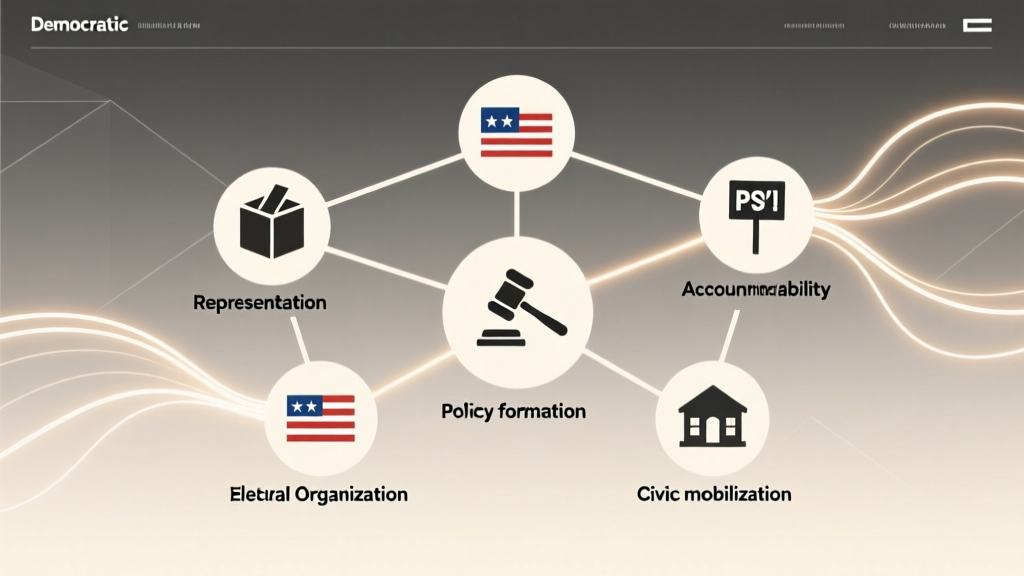 Political Party Functions: 5 Roles That Shape Democracy
 Halloween Party Planning: 7 Non-Negotiable Steps (2026)
 Mickey's Christmas Party End Time (2026)
 7-Second Rule to Prevent Energy Crashes (2026)
 8-Year-Old Birthday Party Venues: 7 Budget Picks (2026)
 Change Political Party in Pennsylvania (2026)
 How Many People in a Wedding Party? (2026)
 Ford Motor Company Political Donations: What’s Real?