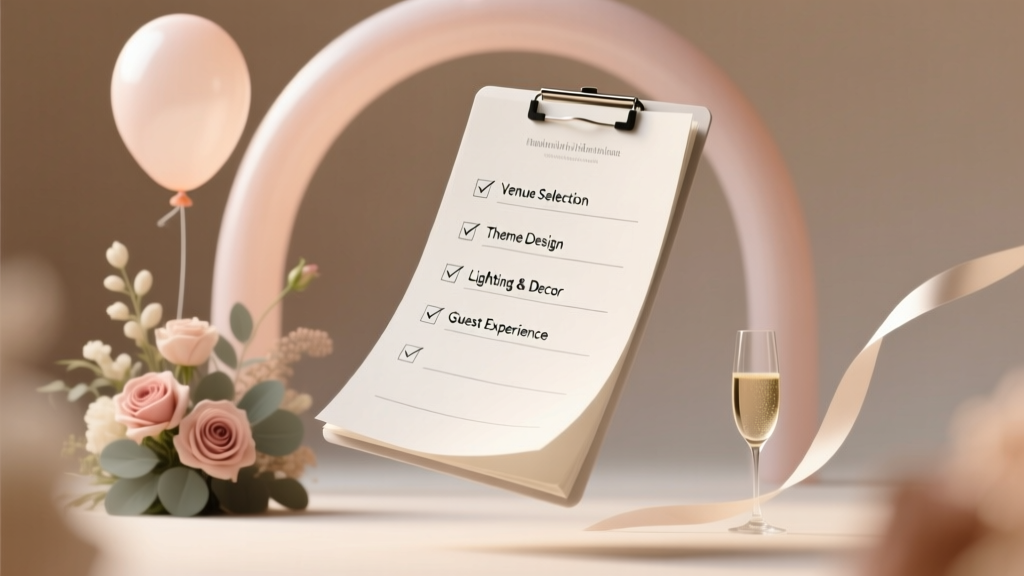
An Art Exhibition Planning Checklist
Art exhibitions look effortless when they’re done well: the lighting flatters every piece, guests move naturally through the space, and the opening reception feels both welcoming and elevated. Behind that smooth experience is a detailed event planning and coordination process—one that balances creative vision with logistics, budgets, vendor management, and guest flow.
Whether you’re curating a community showcase, a gallery opening, a pop-up exhibit in a retail space, or a corporate art night, proper planning protects the art and the experience. It also safeguards your reputation. Missed delivery windows, unclear labeling, or a crowded layout can quickly undermine otherwise strong work.
This checklist gives you a practical, step-by-step system you can reuse for any art event. You’ll find a planning timeline, budget breakdown guidance, vendor selection tips, organizational strategies, and common mistakes to avoid—so you can coordinate a professional exhibition that feels intentional from the first invitation to the final artwork pickup.
Start With the Exhibition Goal and Format
Define your “why” (the planning anchor)
- Purpose: Sales-focused, educational, community-building, fundraising, portfolio exposure, or brand activation.
- Success metrics: Attendance target, number of qualified leads, sales volume, press mentions, email sign-ups, artist satisfaction, donation total.
- Audience: Collectors, general public, internal employees, students, VIP sponsors, media.
Choose the format that matches your goals
- Opening night reception: Highest energy, best for press and sales; requires more staffing and catering.
- Timed ticketing / reserved entry: Helps manage crowd flow and security; aligned with current event planning trends for smoother guest experiences.
- Weekend pop-up: Short, intensive run; fewer long-term venue costs.
- Hybrid exhibition: In-person show plus a digital catalog/virtual tour for broader reach.
Real-world example (goal-driven planning)
A local nonprofit hosts a fundraising exhibition. Their priorities: donor experience, clear donation prompts, and artist storytelling. They allocate more budget to lighting, signage, and a simple-but-polished reception, while keeping décor minimal and using a volunteer docents team.
Venue, Layout, and Guest Flow Checklist
Venue selection criteria
- Wall space and hanging system: Track rails, hooks, weight limits, and rules about nails/adhesives.
- Lighting: Adjustable track lighting is ideal; confirm color temperature options and dimming controls.
- Security: Lockable entry points, camera coverage, and the ability to staff doors.
- Climate control: Stable temperature/humidity for artwork protection (especially works on paper or mixed media).
- Accessibility: ADA considerations, clear pathways, elevator access, accessible restroom, seating options.
- Load-in/load-out: Freight elevator, parking, staging area, time windows, and insurance requirements.
- Permits and restrictions: Alcohol rules, capacity limits, noise ordinances, fire code requirements.
Layout planning tips (practical and proven)
- Map guest flow: Create a natural loop with a clear start point, focal moment, and exit path that leads to the guestbook/sales desk.
- Give art breathing room: Avoid overcrowding; prioritize sight lines and comfortable viewing distance.
- Create zones: Entry/intro, main gallery, interactive/education area, sales/info desk, reception bar/food.
- Plan for bottlenecks: Keep high-interest pieces away from narrow hallways and doorways.
On-site essentials
- Check-in table (guest list, tickets/QR scanning if used, wristbands if needed)
- Coat area or bag policy signage
- Secure storage for packing materials and extra inventory
- Clearly labeled staff/vendor staging area (off-limits to guests)
Artwork Management and Installation Coordination
Artwork intake checklist
- Artist agreements (consignment terms, commission rate, payment timing)
- Artwork list with: title, medium, dimensions, price, insurance value
- Condition reports (photos at drop-off; note existing damage)
- Labeling system (unique ID number matching your catalog and wall labels)
- Shipping/delivery plan (who delivers, when, and where it’s staged)
Installation planning
- Draft a hanging plan (mock layout on paper or a digital floor plan tool)
- Confirm hardware needs: hooks, anchors, wire, hanging rails, pedestal rentals
- Assign roles: lead installer, art handlers, label placer, lighting adjuster
- Schedule a lighting focus session after everything is hung
- Prepare “do not touch” guidelines and stanchions for delicate pieces
Current trend: QR labels and digital catalogs
Many exhibitions now pair clean wall labels with QR codes linking to extended artist statements, audio clips, and purchase inquiries. This keeps the room visually calm while adding depth and supporting sales without pressure.
Step-by-Step Planning Timeline (with Checklist)
8–12 weeks before: Foundation and booking
- Set event goal, theme, and curatorial direction
- Choose date(s) and confirm venue contract
- Create master budget and revenue plan (sales projections, sponsor targets)
- Secure key vendors: catering/bar, AV/lighting support if needed, security
- Confirm insurance (liability and artwork coverage)
- Build your project plan: task list, owners, deadlines (a shared spreadsheet or project board)
6–8 weeks before: Artists, content, and promotion
- Finalize artist lineup and collect bios, headshots, statements
- Confirm artwork specs and delivery requirements
- Design marketing assets: invitation, event page, social media templates
- Set up ticketing/RSVP system (consider timed entry for crowd control)
- Draft signage: title wall, directional signs, pricing policy, photo policy
- Plan reception menu and bar service style (hosted bar, cash bar, or drink tickets)
4–6 weeks before: Logistics and guest experience
- Walkthrough with venue: power access, lighting, check-in placement, emergency exits
- Confirm staffing: greeters, docents, sales desk, runners, security
- Arrange rentals (pedestals, additional lighting, stanchions, cocktail tables)
- Create the artwork catalog and wall label template
- Coordinate press outreach and influencer/community partner invites
2–3 weeks before: Final details and run-of-show
- Collect final artwork list and prices; confirm payment methods accepted
- Order printed materials: labels, programs, signage, business cards
- Confirm vendor arrival times and load-in instructions
- Create a run-of-show for opening night (arrival, remarks, peak moments, last call, closing)
- Prepare emergency kit (see checklist below)
Event week: Installation and confirmations
- Confirm deliveries and schedule staggered load-in to prevent congestion
- Install artwork; complete condition checks
- Place labels and test QR codes
- Adjust lighting and test AV/music levels
- Reconfirm staffing and vendor contacts; print the final contact sheet
Event day: Execution checklist
- Pre-open: Walk the space, clean sight lines, test lighting, check restrooms, set trash/recycling.
- Check-in ready: Guest list loaded, pens/markers, wristbands if used, signage visible.
- Sales desk set: Price list, payment links/reader, receipts, packaging supplies.
- Brief staff: Roles, escalation plan, VIP list, photo policy, timing cues.
- Vendor check: Catering setup, bar compliance, security positioned, music volume checked.
- During event: Crowd flow monitoring, restock, quick touch-ups, guest engagement.
- Close-out: Final sales reconciliation, secure artwork, vendor breakdown, trash sweep.
Post-event (next 1–7 days): Follow-up and wrap
- Send thank-you emails to artists, sponsors, and key guests
- Deliver sold-art processing and pickup/shipping schedule
- Post highlights on social media; tag artists and partners
- Debrief with your team: what worked, what to improve
- Close invoices and update your final budget vs. actuals
Quick emergency kit checklist
- Painter’s tape, double-sided tape (venue-approved), zip ties
- Command strips (only if permitted), scissors, box cutter
- Level, measuring tape, microfiber cloths, lint roller
- Sharpies, pens, label backup sheets, clipboards
- Phone chargers, extension cords, gaffer tape
- First aid kit, stain remover wipes, breath mints
Budget Considerations (with a Practical Breakdown)
Typical art exhibition budget categories
- Venue: rental fees, cleaning, deposit, overtime charges
- Insurance: general liability, fine arts coverage, event cancellation (if applicable)
- Installation: labor, hardware, pedestals, tools, art handling
- Lighting/AV: supplemental fixtures, technician time, microphones for remarks
- Marketing: design, printing, ads, PR support, photographer
- Reception: catering, bar service, glassware, staffing, permits
- Security/staff: guards, ushers, check-in team, docents
- Signage/print: wall labels, programs, directional signage
- Payment processing: card reader fees, platform fees
- Contingency: 10–15% buffer for last-minute needs
Sample budget split (percentage guide)
- Venue: 25–35%
- Reception (food/bar): 15–25%
- Marketing & photo/video: 10–20%
- Installation & rentals: 10–20%
- Staffing & security: 10–15%
- Insurance & permits: 5–10%
- Contingency: 10–15%
Budget-saving strategies that still feel premium
- Limit the bar menu: signature cocktail, wine, beer, and a strong non-alcoholic option (a current trend that improves inclusivity).
- Prioritize lighting over décor: guests remember how the art looked, not extra props.
- Use digital programs: QR code program + minimal printed handouts.
- Partner with local sponsors: a winery, coffee roaster, or print shop can offset costs in exchange for tasteful recognition.
Vendor Selection Tips for Smooth Coordination
How to vet vendors (event planning best practices)
- Ask for relevant experience: gallery openings, museums, brand activations, or events with valuable items on display.
- Confirm insurance and licensing: especially for bar service, security, and rigging/lighting.
- Request a site visit: the best vendors will ask about access, power, staging, and timing.
- Get a clear scope: staffing counts, setup/breakdown, rentals included, overtime rates.
- Insist on a primary day-of contact: one decision-maker reduces confusion.
Catering and bar service tips
- Choose low-mess bites (no drippy sauces near artwork).
- Use cocktail napkins generously; place stations throughout the space to reduce spills.
- Position food and drink away from the most delicate pieces and high-traffic narrow areas.
- Ask caterers to use trays and pass items to reduce crowding at one table.
Common Art Exhibition Planning Mistakes (and How to Avoid Them)
- Skipping the condition report: Always document artwork condition at intake and at pickup to prevent disputes.
- Overcrowding the walls: More pieces can reduce impact and make the show feel like a storage display.
- Underestimating staffing: You need coverage for check-in, sales inquiries, restocking, and security—especially during peak arrival.
- No clear sales process: Guests should easily understand prices, payment options, and how to purchase without awkwardness.
- Poor lighting tests: Lighting should be finalized after installation; glare and shadows can ruin presentation.
- Weak signage and wayfinding: Guests shouldn’t have to ask where to start, where restrooms are, or how to buy.
- Ignoring sound bleed: Music that’s too loud makes conversation and sales conversations harder—set a deliberate volume plan.
FAQ: Art Exhibition Planning and Coordination
How far in advance should I plan an art exhibition?
For a professional opening reception with multiple artists and vendors, plan 8–12 weeks ahead. Smaller pop-ups can be done in 4–6 weeks if the venue and artwork are confirmed early and your event planning checklist is tight.
Do I need insurance for an art exhibition?
Most venues require general liability insurance. If artwork is valuable or consigned, consider fine arts coverage for damage/theft during transit and display. Confirm who is responsible at each stage (artist, organizer, venue).
What’s the best way to price and sell artwork during the event?
Use clear wall labels or a price list that matches a catalog ID. Offer simple payment methods (card reader + digital invoice options). Assign a sales point person so artists can mingle while sales stay organized and documented.
How do I manage crowd flow at an opening night?
Use a defined entry point, a spacious check-in, and consider timed RSVPs if space is limited. Keep bar/food away from the entrance to reduce bottlenecks, and assign staff to gently guide traffic.
What should be included on wall labels?
Common essentials: artist name, title, year, medium, dimensions, and price (or “NFS” for not for sale). If you use QR codes, link to extended details, an audio guide, or a purchase inquiry form.
How do I plan an exhibition on a tight budget without it looking cheap?
Invest in lighting, clean signage, and a simple layout. Keep décor minimal, streamline the menu, and use digital catalogs. A well-coordinated guest experience reads as premium even with modest spending.
Your Next Steps: Turn the Checklist Into a Working Plan
Start by locking your date and venue, then build a simple project plan with deadlines for artwork intake, vendor confirmations, print production, and installation. Use the timeline above as your planning template, and keep all key details in one shared folder: contracts, insurance, run-of-show, vendor contacts, and your master artwork list.
- Create a one-page event brief (goal, audience, budget range, format).
- Draft your floor plan and guest flow map.
- Build your master checklist with owners and due dates.
- Confirm vendors early, then shift focus to installation and guest experience.
For more step-by-step event planning, party organization, and coordination guides—plus practical checklists you can reuse—explore the latest resources on smartpartyprep.com.
More Articles
 Stop Wasting Hours Coordinating 'A and B Party Rentals' — Here’s the Exact 7-Step System Top Planners Use to Lock In Perfectly Matched Vendors (Without Overpaying or Double-Booking)
 What Is a Single Party State? The Truth Behind the Term — Why Most People Get It Wrong, How It Differs From Authoritarianism, and What Real-World Examples Reveal About Power, Stability, and Democratic Erosion
Where to Throw a Party: 7 Unexpected, Budget-Savvy Venues (That Guests Will Rave About—Not Roll Their Eyes At)
How to Change Party Affiliation NJ: The 5-Minute Official Process (No Mail, No Wait, No Mistakes — Here’s Exactly What the NJ Division of Elections Requires in 2024)
What Is a Single Party State? The Truth Behind the Term — Why Most People Get It Wrong, How It Differs From Authoritarianism, and What Real-World Examples Reveal About Power, Stability, and Democratic Erosion
Where to Throw a Party: 7 Unexpected, Budget-Savvy Venues (That Guests Will Rave About—Not Roll Their Eyes At)
How to Change Party Affiliation NJ: The 5-Minute Official Process (No Mail, No Wait, No Mistakes — Here’s Exactly What the NJ Division of Elections Requires in 2024)
 What Is a Draft Party? The Ultimate No-Stress Guide to Hosting One (Even If You’ve Never Watched a Single Pick)
How to Change Your Party Affiliation in NY: The Exact 4-Step Process (With Deadlines, Forms & What Happens If You Miss the Primary Cut-Off)
What to Wear to a Masters Party: The Stress-Free 5-Minute Dress Code Decoder (No More Last-Minute Panic or Overdressing Fails)
What Restaurants Have Party Rooms? 7 Proven Ways to Find & Book the Perfect Private Dining Space (Without Overpaying or Settling)
What Is a Draft Party? The Ultimate No-Stress Guide to Hosting One (Even If You’ve Never Watched a Single Pick)
How to Change Your Party Affiliation in NY: The Exact 4-Step Process (With Deadlines, Forms & What Happens If You Miss the Primary Cut-Off)
What to Wear to a Masters Party: The Stress-Free 5-Minute Dress Code Decoder (No More Last-Minute Panic or Overdressing Fails)
What Restaurants Have Party Rooms? 7 Proven Ways to Find & Book the Perfect Private Dining Space (Without Overpaying or Settling)