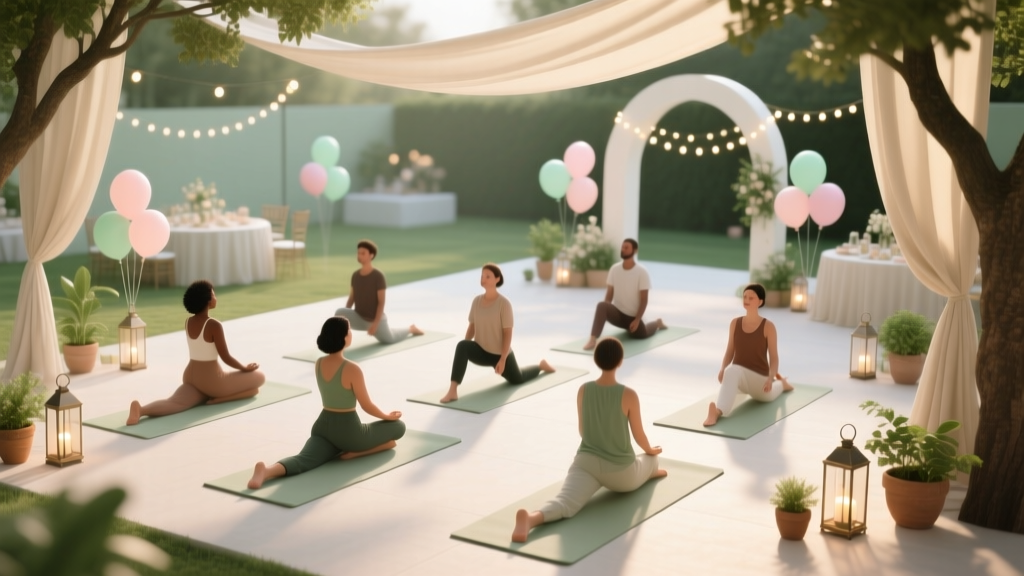
Yoga Session Vendor Selection Tips
A yoga session can be one of the most memorable event experiences you offer—calming, energizing, inclusive, and surprisingly powerful for community building. Whether you’re planning a corporate wellness morning, a bachelorette weekend reset, a birthday “stretch and sip,” or a fundraiser in the park, success hinges on choosing the right vendors and coordinating them with the same care you’d give a wedding or a conference.
Yoga events look simple on the surface: an instructor, mats, and a playlist. In real life, a well-run session depends on vendor reliability, risk management, guest flow, sound, weather planning, and a clear run-of-show. The vendor choices you make (instructor, venue, AV, rentals, wellness add-ons) directly impact safety, guest satisfaction, and the overall vibe.
This guide walks you through step-by-step vendor selection tips, a planning timeline, budget considerations, and common mistakes to avoid—so you can coordinate a yoga session that feels effortless and elevated.
1) Start with the Session Vision (Before You Call Any Vendors)
Professional event planning starts with a clear event brief. Vendors respond faster—and more accurately—when you can explain what you’re building.
Define your event basics
- Purpose: wellness break, team bonding, celebration, fundraiser, brand activation, retreat kickoff
- Audience: beginners, mixed levels, athletes, seniors, prenatal-friendly, desk-bound teams
- Format: vinyasa, gentle flow, chair yoga, restorative, yoga + meditation, yoga + sound bath
- Guest count: expected and maximum capacity
- Location type: indoor studio, hotel ballroom, outdoor park, rooftop, private home, beach
- Duration: typically 45–75 minutes plus arrival and transition time
- Time of day: sunrise/sunset are popular trends; midday works for corporate events
- Accessibility: mobility needs, ADA access, quiet space, restrooms, hydration
Real-world example
Corporate offsite: 60-minute beginner-friendly yoga + 10-minute guided meditation for 45 guests in a hotel ballroom. Needs a microphone, soft playlist, 50 mats, water station, and a liability-insured instructor accustomed to corporate groups.
2) Vendor Categories for a Yoga Session (Who You May Need)
Your vendor list depends on the scale and location. Use this as a menu rather than a mandate.
- Yoga instructor/teacher (core vendor): leads the session, sets the tone, ensures safe sequencing and modifications
- Assistant instructor(s): helpful for large groups (30+), beginners, or mixed mobility
- Venue: studio, event space, park permit, hotel, private property coordination
- Rentals: mats, blocks, straps, bolsters, blankets, towels, water stations
- AV/sound: portable speaker, mixer, microphone/headset for bigger rooms or outdoor settings
- Photography/videography: brand activations, corporate marketing, or milestone celebrations
- Wellness add-ons: sound bath practitioner, breathwork coach, massage chairs, aromatherapy bar
- Catering/refreshments: smoothies, coffee/tea, light bites (consider timing and dietary needs)
- Décor/florals: minimal, calming styling—think greenery, candles (real or LED), branded signage
- Permits/insurance: park permits, COI requirements, waivers, risk management
3) How to Choose the Right Yoga Instructor Vendor
The instructor is your headliner. Prioritize safety, clarity, and the ability to read the room over social media popularity.
What to look for
- Relevant experience: corporate groups, large classes, outdoor sessions, beginners, special populations
- Credentials: at minimum, a recognized training (often 200-hour). For specialized sessions, look for additional certifications (prenatal, trauma-informed, chair yoga).
- Insurance: professional liability insurance; many venues require a Certificate of Insurance (COI)
- Teaching style match: calm and grounding vs. high-energy flow—align with your audience
- Communication: responsive, organized, clear about arrival time, equipment needs, and run-of-show
- Music policy: can they provide music, and is it appropriate/licensed for the setting?
Interview questions that reveal professionalism
- How do you adapt a class for mixed levels and injuries?
- What’s your plan if the group is larger than expected?
- Can you provide proof of insurance and a COI naming our venue as additional insured?
- What equipment do you supply vs. what do we need to rent?
- Do you have a standard waiver, or should we provide one?
- How do you handle late arrivals and disruptions?
Green flags vs. red flags
- Green flags: asks about goals and guest demographics, provides a clear class outline, has backup plans, confirms sound needs, shares a contract promptly
- Red flags: vague pricing, no insurance, won’t discuss modifications, overpromises “one size fits all,” unclear about setup time
4) Venue and Logistics Vendor Selection Tips
Venue essentials checklist
- Space per person: plan ~20–25 sq ft per mat (more for restorative or breathwork)
- Flooring: smooth surface preferred; avoid splinters/uneven ground outdoors
- Noise control: nearby traffic, music, or adjacent events can ruin the experience
- Climate: ventilation, shade, heating/cooling, humidity considerations
- Restrooms and hydration access: non-negotiable for guest comfort
- Parking/arrival flow: signage, check-in table, and a place for shoes/bags
- Permits: parks often require permits and early application
AV and sound: don’t underestimate it
One of the most common coordination issues is guests not hearing cues. For 25+ guests, large rooms, or outdoor sessions, plan for:
- Wireless headset mic or handheld mic
- Speaker with enough wattage for the space
- Backup battery/power source (especially outdoors)
- Sound check 30–45 minutes before guest arrival
Rental partner criteria
- Clean, uniform mats and props (no mismatched, curling mats)
- Delivery and pickup windows that fit your venue schedule
- Clear counts and a 5–10% buffer (extra mats, wipes, towels)
- Sanitation plan (especially relevant for wellness events)
5) Current Trends in Yoga Event Planning (Use Them Strategically)
- Experience layering: yoga + sound bath, yoga + journaling, yoga + cold towels/aromatherapy
- Micro-wellness stations: hydration bar, essential oil sampling, posture check corner
- Outdoor “golden hour” sessions: sunrise/sunset with simple lighting and a strong weather plan
- Inclusive programming: chair yoga options, trauma-informed language, modifications highlighted upfront
- Content-friendly setups: minimal branded signage, a photo moment area, consistent mat layout
Trends work best when they support your audience and logistics. Keep the session itself the priority; add-ons should never complicate check-in or disrupt calm.
6) Step-by-Step Planning Timeline (With Checklist)
6–8 weeks out: Foundation + vendor outreach
- Create your event brief (goals, guest count, budget, location)
- Source 2–4 yoga instructors and request proposals
- Secure venue or submit park permit application
- Draft run-of-show and preliminary layout (mat grid, instructor area, check-in)
- Decide what’s included for guests (mats, water, towels, props)
4–5 weeks out: Contracts + coordination
- Book instructor and sign contract (scope, rate, travel, overtime, cancellation)
- Confirm insurance/COI requirements
- Book rentals and AV if needed
- Plan attendee communications (what to wear, arrival time, health notes)
- Set your registration method (RSVP link, ticketing, internal sign-up)
2–3 weeks out: Details + guest experience
- Finalize guest count estimate and order rentals with buffer
- Confirm playlist approach, microphone needs, and sound check timing
- Design signage (check-in, shoes area, “silence phones” reminder)
- Confirm rain plan (backup indoor space or reschedule policy)
- Prepare waiver language and emergency plan
7–10 days out: Final confirmations
- Send vendor confirmation email with schedule, addresses, contacts
- Review layout and parking/load-in instructions
- Send guest reminder with “what to bring” checklist
- Create day-of kit (first aid basics, wipes, extra hair ties, tape, markers)
Day-of timeline template
- T-120 min: Venue access, mat layout, signage placement
- T-90 min: AV setup, sound check, instructor walkthrough
- T-45 min: Check-in opens, hydration station ready, calm background music
- T-10 min: Welcome remarks, safety notes, modifications encouraged
- Start: Yoga session (45–75 min)
- End + 10 min: Cool-down, brief announcements, transition to refreshments
- End + 30–60 min: Vendor breakdown, rental counts, final venue sweep
7) Budget Considerations + Sample Breakdown
A smart party prep budget is built around your must-haves first: instructor, space, and essential equipment. Then add enhancements if they fit.
Common cost drivers
- Guest count (more mats, larger space, assistants)
- Location (permits, travel fees, load-in complexity)
- AV needs (outdoor audio can add cost quickly)
- Premium timing (sunrise call times, weekend demand)
- Add-ons (sound bath, photography, branded gifts)
Sample budget (mid-size event, 40 guests)
- Yoga instructor: $250–$600
- Assistant instructor (optional): $100–$250
- Venue / permit: $0–$800
- Mat + props rentals: $200–$500
- AV/sound rental: $75–$300
- Refreshments: $150–$600
- Photography (optional): $250–$900
- Signage + incidentals: $50–$150
- Contingency (8–12%): $100–$400
Planning tip: If budget is tight, prioritize (1) a highly competent instructor and (2) clear audio. Guests will forgive minimalist décor; they won’t forgive a class they can’t hear or a session that feels unsafe.
8) Vendor Contract and Coordination Must-Haves
Even for small wellness events, use written agreements. It protects your timeline and prevents last-minute surprises.
Include these terms
- Date, time, location, and arrival/setup requirements
- Deliverables (class length, style, add-ons like meditation)
- Equipment responsibility (who provides mats/props/speaker/mic)
- Payment schedule, deposit, and overtime rates
- Cancellation/reschedule policy (especially for outdoor events)
- Insurance requirements and waiver expectations
- Content permissions (photo/video usage, brand tags)
Coordination email template topics
- Primary day-of contact + phone number
- Parking/load-in instructions
- Run-of-show with time stamps
- Room layout sketch and mat count
- Sound check time
- Emergency plan and nearest restroom location
9) Common Yoga Event Planning Mistakes to Avoid
- Booking an instructor without confirming insurance: can block venue approval or expose you to risk
- Underestimating sound needs: a calm session becomes chaotic if guests can’t hear cues
- Not planning space per mat: overcrowding creates safety issues and reduces relaxation
- Skipping the weather plan: outdoor sessions need a clear go/no-go decision time
- No arrival buffer: guests need time for check-in, shoes, and settling without rushing the start
- Overloading the schedule: too many add-ons can break the calm flow and create bottlenecks
- Unclear guest communication: not telling guests what to wear/bring leads to discomfort and late starts
10) FAQ: Yoga Session Vendor Selection and Planning
How far in advance should I book a yoga instructor for an event?
For weekends or peak seasons, aim for 4–8 weeks. For corporate weekday sessions, 2–4 weeks can work, but earlier gives you better instructor options and time for permits and rentals.
Do I need a contract for a small private yoga session?
Yes. A simple agreement covering date/time, payment, cancellation, and equipment responsibilities prevents misunderstandings and supports professional event coordination.
Should I provide mats, or should guests bring their own?
For a polished guest experience, providing mats is ideal—especially for corporate events or celebrations where guests may not own one. If you ask guests to bring mats, clearly communicate it in the invitation and still have 10–20% extra mats available.
What’s the best vendor setup for outdoor yoga?
Choose an instructor with outdoor experience, secure a permit if required, plan for a portable sound system, provide shade/water, and confirm a weather backup. Outdoor yoga succeeds when logistics are as strong as the scenery.
How do I evaluate whether a wellness add-on (like a sound bath) is worth it?
Check alignment with your audience and schedule. If it enhances relaxation without extending setup time or complicating transitions, it’s usually a win. When in doubt, keep the core yoga session excellent and add one upgrade only.
Next Steps: Build Your Vendor Shortlist and Lock Your Timeline
Start by drafting your one-page event brief and identifying your non-negotiables: instructor quality, safe space, and clear audio. Then request quotes from a short list of vendors, compare them using consistent criteria (experience, insurance, communication, equipment), and secure your bookings with written agreements. Once vendors are confirmed, your planning becomes a straightforward coordination process: finalize layout, send guest communications, and execute a calm, structured day-of timeline.
If you’re ready to plan your next wellness gathering with confidence, explore more event planning guides, party organization checklists, and coordination tips at smartpartyprep.com.
More Articles
 How to Change Party Affiliation in California: The 4-Step Process That Takes Less Than 5 Minutes (and What Happens If You Miss the Primary Deadline)
 When Does Mickey's Christmas Party Start? Your 2024–2025 Exact Dates, Early Entry Tips, & How to Avoid Selling Out Before You Book (Updated Daily)
What Are Four Functions of Political Parties? (Spoiler: They’re Not Just About Winning Elections—Here’s How Each One Actually Shapes Democracy in Real Time)
When Does Mickey's Christmas Party Start? Your 2024–2025 Exact Dates, Early Entry Tips, & How to Avoid Selling Out Before You Book (Updated Daily)
What Are Four Functions of Political Parties? (Spoiler: They’re Not Just About Winning Elections—Here’s How Each One Actually Shapes Democracy in Real Time)
 Where Can I Watch Party of Five in 2024? The Real Answer (No, It’s Not on Netflix — Here’s Exactly Where & Why Streaming Rights Shifted)
Was the Boston Tea Party a boycott? The truth behind America’s most misunderstood act of protest—and why getting it right matters for your next history lesson, living museum day, or civic engagement event.
Where Can I Watch Party of Five in 2024? The Real Answer (No, It’s Not on Netflix — Here’s Exactly Where & Why Streaming Rights Shifted)
Was the Boston Tea Party a boycott? The truth behind America’s most misunderstood act of protest—and why getting it right matters for your next history lesson, living museum day, or civic engagement event.
 How to Dress for a Cocktail Party Without Overthinking It: The 7-Minute Visual Checklist (No More 'Is This Too Much?' Panic)