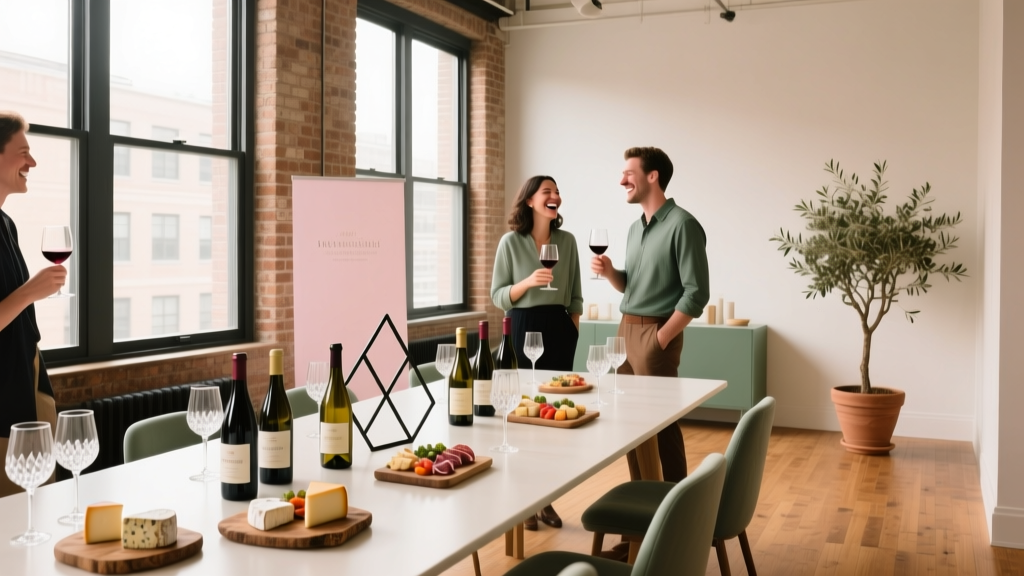
Wine Tasting Entertainment Ideas: How to Plan an Engaging, Well-Organized Event Guests Will Remember
A wine tasting can be effortlessly elegant—or it can feel scattered, confusing, and awkward if the details aren’t planned with intention. Because guests are sampling multiple wines, even small gaps (not enough glassware, unclear tasting order, too few snacks, poor lighting for tasting notes) can throw off the flow and shorten the time people want to stay.
Proper planning turns a simple pour-and-sip into a coordinated experience: guests arrive to a clear welcome moment, move through tastings at the right pace, enjoy entertainment that matches the vibe, and leave with the feeling they learned something new. Whether you’re hosting at home, coordinating a corporate mixer, or planning a fundraiser, a structured plan keeps the event safe, social, and surprisingly easy to run.
This guide covers wine tasting entertainment ideas plus step-by-step event planning timelines, budget considerations, vendor selection tips, common mistakes to avoid, and real-world examples you can adapt for your next event.
Start with the Basics: Define the Wine Tasting Format
Before you choose entertainment or décor, lock in the structure. This is the foundation of strong event coordination.
Choose a tasting style
- Guided tasting (host-led): A sommelier or knowledgeable host leads guests through each wine. Best for corporate events, client appreciation, and groups who enjoy learning.
- Open house tasting stations: Guests circulate at their own pace. Best for larger parties and fundraisers.
- Blind tasting challenge: Guests guess varietals/regions. Best for wine clubs and interactive team-building.
- Paired tasting: Each wine is matched with a bite. Best for elevated experiences and smaller groups.
- Themed tasting: “Tour of Italy,” “Rosé All Day,” “Sparkling & Snacks,” or “Old World vs New World.” Great for cohesive storytelling.
Set your guest count and pace
- Ideal group size for a single host: 10–20 guests for a guided tasting
- For 25–60 guests: use stations, timed pours, or add a co-host/pourer
- Recommended pour size: 1–2 oz per wine to keep guests comfortable and the event balanced
Wine Tasting Entertainment Ideas (Practical, Crowd-Pleasing Options)
Great wine tasting entertainment supports the tasting—not competing with it. Current event planning trends lean toward interactive experiences, personalized touches, and “structured mingling” that helps guests connect naturally.
1) The “Passport” Tasting Game
Give guests a printed passport card with each wine listed and a space for notes. Add a stamp or sticker at each station.
- Entertainment layer: Guests complete the passport to enter a small raffle (wine stopper set, gourmet chocolate, tasting journal).
- Coordination win: Encourages movement and prevents clustering at one table.
2) Blind Tasting Mini-Competition
Serve 3–5 wines in brown bag sleeves or numbered bottles. Guests vote on varietal, region, or price range.
- Use simple categories: “Oaked or unoaked?” “Old World or New World?”
- Offer a small prize for best score or funniest tasting note.
3) Wine & Music Pairing
Create a playlist where each flight has a mood (crisp whites = bright, upbeat; bold reds = deeper, slower). Introduce each flight with a 10-second “why this pairing works.”
- Trend-forward: Experience-based hosting without extra vendors.
- Pro tip: Keep volume low enough for conversation; use a small speaker per zone for larger spaces.
4) “Build-a-Board” Charcuterie Station
Guests assemble mini boards that match the wines. Provide portion guidance and labeled pairings.
- Label foods: “goat cheese (pairs with Sauvignon Blanc),” “aged cheddar (pairs with Cabernet).”
- Offer dietary alternatives: gluten-free crackers, nuts on the side, fruit options.
5) Aroma Bar (Scent Discovery Table)
Set out small jars of common wine aromas: vanilla, coffee beans, dried rose, lemon peel, black pepper, cherries.
- Entertainment meets education: Guests learn to identify aromas without pressure.
- Setup: 8–12 jars, labels, and a quick instruction card.
6) Photo Moment: “Label Your Palate” Backdrop
Create a simple photo area with a chalkboard-style sign where guests write their “wine personality” (e.g., “Bright & Citrusy,” “Bold & Spicy”).
- Offer a small tray of props: cork garland, faux grapevine, tasting paddles.
- Keep it classy and brand-friendly for corporate gatherings.
7) Short, Timed “Micro-Programming”
Instead of one long presentation, build three short moments (3–5 minutes each):
- How to taste in 60 seconds (look, swirl, sniff, sip)
- How to read a wine label
- How to pair wine with salt/fat/acid
This keeps energy high and helps guests who arrive late.
Event Planning Timeline: Step-by-Step Guide (With Checklist)
4–6 Weeks Before
- Choose the format (guided, stations, blind tasting, pairing dinner).
- Set budget and guest count; confirm venue or hosting location.
- Select theme and tasting lineup (typically 5–7 wines).
- Book vendors as needed:
- Sommelier or wine educator
- Catering/charcuterie
- Rentals (glassware, cocktail tables, linens)
- Photographer (optional)
- Plan your event flow (arrival, first pour, activities, closing toast).
- Send invitations and collect RSVPs (ask about dietary restrictions).
2–3 Weeks Before
- Finalize wine order and confirm delivery/pickup dates.
- Draft tasting cards or a passport sheet (include wine names, region, 2–3 tasting notes).
- Order supplies:
- Wine keys, dump buckets, water pitchers, napkins
- Ice tubs for whites/rosé/sparkling
- Spittoons (even casual groups appreciate the option)
- Name tags (great for networking-focused events)
- Plan entertainment: playlist, blind tasting sheets, raffle items, aroma bar materials.
- Confirm staffing: 1 pourer per 20–30 guests for station-style service.
7 Days Before
- Confirm headcount and adjust wine/food quantities.
- Create a simple floor plan:
- Welcome/check-in
- Tasting stations in logical order
- Food area away from bottle necks
- Water station (high visibility)
- Trash/recycling and glass drop zone
- Print signage: wine station labels, allergy notes, schedule, Wi-Fi (if using QR codes).
- Test lighting and music levels; ensure the tasting tables are well-lit.
48–24 Hours Before
- Stage supplies by zone in labeled bins (welcome, stations, food, cleanup).
- Chill whites/rosé/sparkling; set reds at room temp (or slightly cool).
- Prepare dump buckets and water pitchers; pre-fold napkins.
- Make an event-day run sheet (minute-by-minute schedule) and share with helpers.
Event Day Checklist (Quick Run-Through)
- Set up welcome table with name tags, passport cards, pens, and a sample schedule.
- Set stations left-to-right in tasting order (light to bold).
- Place water at every station plus a central hydration table.
- Put food out in waves (start with bread/crackers; add richer items later).
- Brief staff/helpers: pour size, pacing, and how to handle guest questions.
- Do a 10-minute final walk-through: trash points, glass safety, signage visibility.
Budget Considerations (With Sample Breakdown)
Budgeting is easier when you assign a “per guest” target. For many at-home or small venue wine tastings, a practical range is $25–$75 per guest, depending on wine quality, food, and staffing.
Sample budget: 20 guests, mid-range tasting
- Wine (6 bottles): $120–$240 (mix of $20–$40 bottles)
- Food & pairings: $120–$200 (cheese, charcuterie, crackers, fruit, nuts)
- Rentals/supplies: $40–$120 (glassware rental, dump buckets, signage printing)
- Décor: $30–$80 (candles, greenery, simple linens)
- Entertainment & extras: $20–$60 (raffle prize, passport cards, aroma jars)
- Contingency (10%): $35–$70
Total estimated: $365–$770 (about $18–$39 per guest, not including venue cost)
Where to splurge vs. save
- Splurge: 1 “wow” bottle, high-quality glassware, or a pro host for guided tastings.
- Save: Print tasting sheets at home, use seasonal grocery-store pairings, keep décor minimal and intentional.
Vendor Selection Tips (Wine, Catering, Rentals, and Staffing)
Choosing wine: retailer, winery, or distributor?
- Local wine shop: Best balance of price and expertise. Ask for a curated flight and quantity guidance.
- Winery partnership: Great for fundraisers or branded experiences; ask about host support and promotional materials.
- Distributor (larger events): Best for high-volume and consistent availability.
Questions to ask vendors
- Can you recommend a tasting order and talking points for each wine?
- What’s the best serving temperature for these bottles?
- Do you provide staff/pourers or training for volunteers?
- What’s your cancellation policy and delivery window?
Catering tips for wine tastings
- Prioritize “bite-friendly” foods that don’t require forks for every guest.
- Label allergens clearly (nuts, gluten, dairy) to reduce questions and improve guest comfort.
- Plan food pacing: light snacks early, heartier options mid-event, sweets at the end.
Real-World Examples You Can Copy
Example 1: Corporate Client Appreciation (35 guests)
- Format: 5-wine station tasting + 3 micro-program moments
- Entertainment: Passport card + raffle for a premium bottle
- Coordination strategy: Name tags, clear signage, one staff member assigned to water/food restock
- Result: Steady flow, easy networking, short educational moments without slowing conversation
Example 2: Backyard Birthday Wine Night (16 guests)
- Format: Guided tasting of 6 wines (host-led)
- Entertainment: Aroma bar + “guess the price” game
- Coordination strategy: Pre-set glasses per seat, dump bucket per table, one central snack table
- Result: Minimal movement, relaxed pacing, high participation in the games
Common Wine Tasting Planning Mistakes (and How to Avoid Them)
- Serving too much wine: Keep pours to 1–2 oz; offer spittoons and water everywhere.
- No clear tasting order: Go light to bold (sparkling → white → rosé → light red → bold red → dessert).
- Not enough glassware: Ideally 1 glass per wine style, or at minimum 2 per guest (white and red) plus rinse water.
- Food that overpowers wine: Avoid very spicy foods and heavy garlic early in the tasting.
- Forgetting lighting and signage: Guests need to read tasting notes; dim rooms reduce engagement.
- Single bottleneck station: Spread stations out and duplicate popular pours for larger groups.
- Skipping the “non-drinker” experience: Offer sparkling water, mocktails, and a special snack flight so everyone feels included.
FAQ: Wine Tasting Event Planning Questions
How many wines should I serve at a wine tasting party?
For most events, 5–7 wines is the sweet spot. It’s enough variety to feel special without exhausting guests’ palates or your timeline.
How much wine do I need per person?
Plan for 8–12 oz total per guest for a tasting-style event (roughly 4–6 standard 2-oz pours). For a more social party afterward, add extra bottles for casual refills.
Do I need a sommelier to host?
No. A confident host with a simple script and tasting cards can run a great event. For corporate events, fundraisers, or premium experiences, a sommelier adds polish and reduces workload.
What are the best foods for wine tasting pairings?
Reliable options include bread, crackers, mild cheeses, cured meats, olives, nuts (labeled), fresh fruit, dark chocolate. Keep flavors balanced so wines stay the focus.
How long should a wine tasting event last?
Most wine tastings run 90 minutes to 2.5 hours. Guided tastings work well at 90–120 minutes; station-style tastings can extend to 2–3 hours with food and mingling.
How do I keep guests engaged without making it feel like a class?
Use micro-programming (3–5 minute moments), interactive tools like passports, and one optional game (blind tasting or “favorite of the night” voting). Keep the tone light and social.
Your Next Steps: A Simple Action Plan
- Pick a format and theme (guided vs. stations; region, varietal, or pairing focus).
- Set your guest count and budget per person to guide wine and food decisions.
- Build your tasting lineup (5–7 wines) and create tasting cards or a passport.
- Choose 1–2 entertainment ideas that support flow (passport + aroma bar is an easy combo).
- Use the timeline above to book vendors, stage supplies, and run the event smoothly.
For more party organization, event planning checklists, and coordination strategies you can use right away, explore additional hosting guides on smartpartyprep.com.
More Articles
 What Are the Political Parties in America? A Clear, Nonpartisan Breakdown of Major & Minor Parties—Including Their Core Beliefs, Historical Shifts, and How They Actually Influence Your Local Elections (Not Just the Presidency)
Do the Party Animals Ever Win? The Surprising Truth About Charismatic Hosts, Event ROI, and Why Strategic Energy Beats Chaos Every Time
What Are the Political Parties in America? A Clear, Nonpartisan Breakdown of Major & Minor Parties—Including Their Core Beliefs, Historical Shifts, and How They Actually Influence Your Local Elections (Not Just the Presidency)
Do the Party Animals Ever Win? The Surprising Truth About Charismatic Hosts, Event ROI, and Why Strategic Energy Beats Chaos Every Time
 Where to Watch Mad Monster Party in 2024: The Only Up-to-Date Guide (Streaming, Free Trials, Physical Media & Regional Workarounds)
 What Is a Diddy Party Slang? The Real Meaning Behind the Viral Term (and Why Your Next Event Needs This Vibe, Not Just a Name)