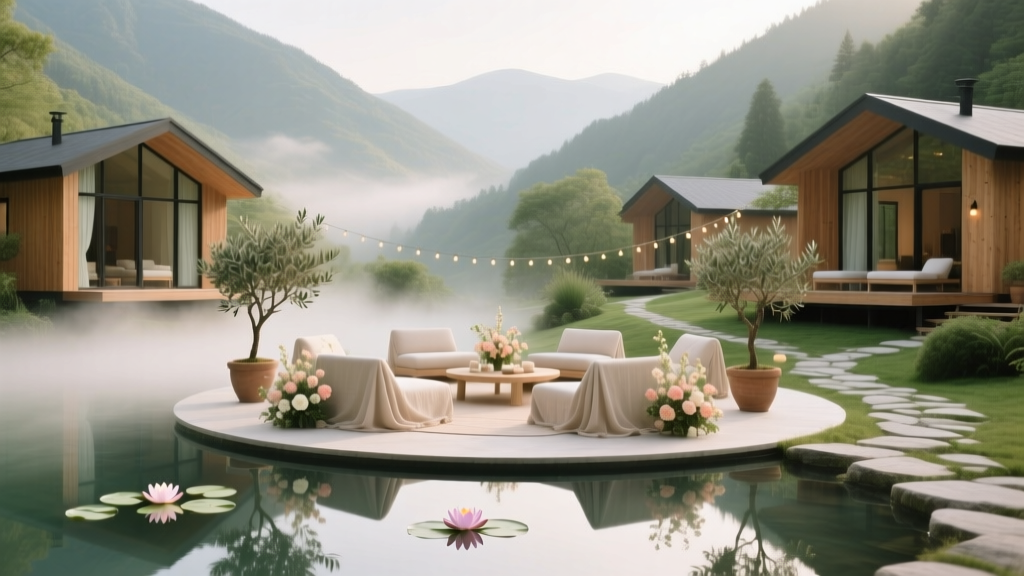
Wellness Retreat Venue Ideas: How to Choose the Perfect Space (and Plan It Step-by-Step)
A wellness retreat is more than a location and a schedule—it’s an experience designed to help people reset. The right venue supports the mood you’re trying to create: calm, safe, restorative, and organized. The wrong venue creates friction: noise, awkward room flow, limited privacy, unreliable Wi‑Fi (if you need it), or logistics that eat into the very “wellness” you’re selling.
Proper planning matters even more for retreats than for many other event types because your attendees notice every detail. Meal timing affects energy. Lighting affects focus. Travel time affects stress. And the venue directly shapes your programming—yoga, breathwork, workshops, nature time, spa services, journaling, and community connection all require different spaces.
This guide shares practical wellness retreat venue ideas, planning timelines, budget breakdowns, vendor selection tips, and real-world examples you can adapt. Whether you’re coordinating a one-day reset or a multi-day destination retreat, you’ll be able to make confident decisions with a clear event planning and coordination process.
Start with Your Retreat Goals (Before You Tour Venues)
Before you fall in love with a gorgeous property, define what “success” looks like. This keeps you from overspending or choosing a venue that can’t support your schedule.
Define your retreat format
- Length: Half-day, full-day, weekend, 4–7 days
- Style: Luxury spa, nature immersion, corporate wellness, mindfulness workshop, fitness + nutrition, creative healing
- Group size: Intimate (8–15), small group (16–30), mid-size (31–60), large (60+)
- Audience needs: Beginner-friendly, trauma-informed, accessible mobility options, dietary restrictions, introvert-friendly quiet spaces
Map your core activities to space requirements
- Movement sessions: Quiet studio, level floor, ventilation, sound system, storage for mats/props
- Workshops: Classroom-style setup, chairs with backs, projector/TV, flip charts
- Meals: Dining area, catering access, hydration stations, dietary labeling setup
- Breakouts: Smaller rooms or outdoor nooks for coaching, journaling, partner exercises
- Rest: Lounge area, nap pods/quiet room, shaded outdoor seating
Wellness Retreat Venue Ideas (With Pros, Cons, and Best Use Cases)
1) Boutique retreat centers
Best for: Multi-day retreats with built-in lodging and meal service.
- Pros: Designed for retreats, often includes yoga studio, meditation hall, on-site catering, lodging, quiet hours
- Cons: Higher base pricing, set vendor lists, limited availability during peak seasons
- Pro tip: Ask for a sample “retreat run-of-show” from past events—centers often have proven schedules and staffing patterns.
2) Resorts and spa hotels
Best for: Premium experiences, corporate wellness offsites, attendees who want comfort and amenities.
- Pros: Professional event teams, strong AV, spa services, reliable food service, weather backup
- Cons: Resort fees, food & beverage minimums, less intimate feel
- Trend watch: Many resorts now offer wellness programming add-ons (sound baths, breathwork, recovery lounges). Negotiate these as inclusions instead of upgrades.
3) Private estates, villas, and large homes
Best for: Intimate retreats (8–20) where community connection is central.
- Pros: Cozy environment, flexible schedule, great for shared meals and group bonding
- Cons: Permits, neighbor noise constraints, parking limitations, liability concerns
- Pro tip: Confirm event insurance requirements and quiet hours in writing. Ask about past events hosted on-site.
4) Eco-lodges, glamping sites, and nature camps
Best for: Nature-based retreats, digital detox weekends, sustainability-forward brands.
- Pros: Immersive environment, outdoor programming, memorable aesthetic, “unplugged” appeal
- Cons: Weather risk, limited power/lighting, bathroom capacity, accessibility constraints
- Trend watch: Attendees increasingly ask about sustainability. Eco-lodges with composting, local sourcing, and low-waste operations can be a strong marketing advantage.
5) Urban studios + partner hotel blocks
Best for: Day retreats, weekend intensives, retreats near airports/major cities.
- Pros: Easy access, lower lodging complexity, great for local attendees
- Cons: Less “escape” feeling, noise, limited outdoor space
- Pro tip: Add “retreat touches” to create separation from daily life: aromatherapy stations, soft lighting, lounge seating, a guided arrival ritual.
6) Farms, vineyards, and botanical gardens
Best for: Seasonal retreats, mindful eating themes, creative wellness programming.
- Pros: Beautiful natural setting, great photo opportunities, can pair with farm-to-table catering
- Cons: Permitting, insects/heat, limited indoor backup options
- Pro tip: Ask about tenting options and power access for music, microphones, and evening lighting.
7) Corporate campuses and conference centers (reimagined)
Best for: Corporate wellness retreats and leadership resets.
- Pros: Smooth logistics, strong AV, breakouts, easy catering coordination
- Cons: Can feel “work-like” without thoughtful styling
- Trend watch: Post-pandemic events often blend productivity and restoration. Consider a “meeting-light” agenda with intentional breaks and guided decompression.
Venue Selection Criteria: Your Tour Checklist
Use this venue checklist to compare options quickly and avoid coordination surprises.
Space + flow
- How many separate zones do you have (movement, workshop, dining, quiet space)?
- Can guests move between activities without bottlenecks?
- Is there storage for props, gifts, signage, and vendor gear?
Sound, light, and comfort
- Noise levels (roads, neighbors, other events on-site)
- Natural light and controllable lighting (dimmers, blackout options)
- HVAC reliability and ventilation (especially for movement sessions)
- Floor type (wood preferred for yoga; carpet may impact stability)
Food and hydration logistics
- On-site kitchen or approved caterers?
- Ability to label allergens and dietary needs clearly
- Water refill stations; tea/coffee service timing
Safety, access, and legal essentials
- ADA/accessibility accommodations (ramps, bathrooms, parking)
- Emergency plan, first-aid access, nearest urgent care
- Insurance requirements (general liability; add-on coverage for movement modalities)
- Permits needed for amplified sound, outdoor tents, fire pits, alcohol (if applicable)
Step-by-Step Planning Timeline (With Checklist Items)
12–16 weeks out: Foundation + venue lock
- Set retreat goals, theme, and attendee outcomes
- Confirm ideal group size and ticket pricing strategy
- Source 3–6 venues and schedule tours (in-person or virtual)
- Request proposals with all fees (venue rental, staffing, cleaning, service charges)
- Choose venue and sign contract; pay deposit
- Draft a preliminary run-of-show (high-level schedule blocks)
8–12 weeks out: Program + vendors
- Finalize programming: sessions, facilitators, and required equipment
- Book key vendors:
- Catering or chef
- AV/sound support (if not venue-provided)
- Photographer (optional but helpful for marketing)
- Massage/spa providers (if offering on-site services)
- Transportation (for destination or off-site activities)
- Create attendee registration flow (waivers, health notes, dietary needs)
- Outline décor plan: calming color palette, signage, lounge areas
4–8 weeks out: Guest experience + logistics
- Confirm rooming list (if lodging) and arrival/departure windows
- Finalize menus, dietary accommodations, and meal timing
- Order branded items or welcome gifts (lead times matter)
- Build your detailed production schedule:
- Load-in/load-out times
- Vendor arrival times
- Room flips (movement → workshop → dining)
- Sound checks and tech rehearsals
- Create staffing plan: check-in, floaters, session support, hydration station refills
2–4 weeks out: Final confirmations
- Walkthrough with venue contact (or detailed virtual walkthrough)
- Confirm floor plans and seating layouts
- Send vendor BEO-style confirmations (what, where, when, who)
- Send attendee email with packing list and arrival instructions
- Prepare signage: schedule boards, wayfinding, dietary labels
Event week: Execute calmly
- Print master contact list + timeline
- Pack an event kit (gaffer tape, extension cords, first aid, stain remover, extra pens)
- Hold a 15-minute staff briefing: roles, emergency plan, guest care standards
- Run a tech check before guest arrival
- Assign someone to manage time so facilitators can focus on delivery
Budget Considerations (Sample Breakdown + Cost Controls)
Wellness retreats can range from minimalist to luxury. Build your budget around attendee experience, safety, and logistics first.
Typical budget categories (percentage ranges)
- Venue + lodging: 30–55%
- Food + beverage: 15–25%
- Facilitators + staffing: 10–20%
- Production (AV, sound, rentals): 5–12%
- Décor + ambience: 3–8%
- Marketing + registration tools: 3–8%
- Insurance + permits: 1–4%
- Contingency: 5–10%
Example: 25-person weekend retreat (mid-range)
- Venue + lodging: $9,000
- Meals + snacks + beverages: $4,500
- Facilitators + assistants: $3,500
- AV/sound + rentals (mats, chairs, tent backup): $1,200
- Décor + signage + printing: $600
- Welcome gifts + materials: $800
- Insurance + permits: $400
- Contingency (7%): $1,400
- Total estimated budget: $21,400
Smart cost controls (without downgrading the experience)
- Choose venues with built-in props: mats, bolsters, blankets, chairs, AV
- Minimize room flips: design the schedule to reduce labor and rental needs
- Elevate with low-cost ambience: lighting, scent (allergy-aware), curated playlists, lounge corners
- Use tiered tickets: early-bird, standard, and VIP (private coaching or massage slot)
- Ask vendors for package pricing: half-day vs full-day staffing can change costs dramatically
Vendor Selection Tips for Wellness Retreats
Vendor quality affects attendee trust. Choose partners who understand calm, timing, and guest care.
Catering/chef
- Request sample menus with clear allergen labeling (gluten, nuts, dairy)
- Confirm serving style (buffet vs plated) based on your schedule flow
- Ask how they handle last-minute dietary updates
- Prioritize hydration support: water, herbal teas, electrolyte options
Facilitators and practitioners
- Confirm certifications, insurance, and scope of practice
- Ask for an outline of session objectives and intensity level
- Align on timing: arrivals, setup needs, music volume preferences
AV/sound
- Do a microphone test in the actual room (or request a recent recording from the space)
- Plan for outdoor wind noise and battery backups if needed
- Keep it simple: a reliable speaker and one handheld mic often beats complex setups for retreats
Real-World Venue Match Examples
- Example 1: One-day urban reset (40 guests)
Venue: yoga studio + nearby café catering
Why it worked: easy transit, controlled sound, no lodging complexity
Key coordination move: scheduled a 20-minute “arrival buffer” with tea service to reduce late-start stress. - Example 2: Weekend nature immersion (18 guests)
Venue: eco-lodge with outdoor deck and indoor hall
Why it worked: quiet setting, built-in hiking trails, intentional digital detox
Key coordination move: rented a backup tent and set firm footwear guidance due to rain risk. - Example 3: Corporate wellness offsite (60 guests)
Venue: resort conference center + spa offerings
Why it worked: professional AV, multiple breakouts, predictable meals
Key coordination move: added “recovery rooms” with soft lighting and no-phone policy to shift the mood away from typical meetings.
Common Planning Mistakes to Avoid
- Choosing aesthetics over functionality: a beautiful space that echoes, overheats, or can’t fit your movement layout will derail the experience.
- Underestimating meal timing: long gaps without snacks can cause fatigue and irritability. Build in hydration breaks.
- Ignoring sound bleed: simultaneous sessions need real separation. Ask who else is on-site during your retreat.
- Skipping waivers and safety planning: protect attendees and your business with appropriate paperwork and emergency readiness.
- No weather backup plan: if any portion is outdoors, you need an indoor alternative or tenting plan.
- Overpacking the agenda: wellness events need spaciousness. Schedule integration time (journaling, silent walks, rest).
FAQ: Wellness Retreat Venue Planning
How far in advance should I book a wellness retreat venue?
For peak seasons and destination properties, aim for 6–12 months. For local day retreats, 8–16 weeks is often workable, especially if you’re flexible with dates.
What venue amenities matter most for a wellness retreat?
Quiet space, clean and comfortable restrooms, good airflow, controllable lighting, easy water access, and a layout that supports smooth transitions between sessions.
Do I need event insurance for a retreat?
In most cases, yes. Venues commonly require general liability coverage. If you’re offering movement or bodywork modalities, confirm what additional coverage is recommended by your insurer and required by the venue.
How do I keep a retreat on budget without feeling “cheap”?
Spend on comfort and flow first (venue functionality, food quality, sound). Use cost-effective upgrades for impact: lighting, thoughtful signage, curated playlists, and one signature “wow” moment like a guided sunset session or welcome ritual.
What’s the best way to handle dietary restrictions?
Collect needs during registration, confirm with catering 2–3 weeks out, and label everything clearly on-site. Keep a few safe staples available (fruit, nuts if allowed, gluten-free options, herbal tea).
Should I offer single rooms or shared lodging?
Shared lodging keeps ticket prices accessible and builds community. Offering a limited number of single-room upgrades can increase revenue and meet the needs of attendees who prioritize privacy.
Next Steps: Turn Venue Ideas into a Booked, Organized Retreat
- Write your retreat “must-have” list (space types, noise level, accessibility, food requirements).
- Choose 3 venue styles from the ideas above that match your audience and budget.
- Schedule tours and use the checklist to compare options side-by-side.
- Draft a simple run-of-show before signing contracts to ensure the venue supports your flow.
- Build your budget with a 5–10% contingency and lock key vendors early.
If you’re ready to keep planning with less stress and stronger results, explore more event planning, party organization, and coordination guides on smartpartyprep.com.
More Articles
 What political party started the KKK? The Truth Behind the Origins, How Misinformation Spreads Today, and Why Historical Accuracy Matters More Than Ever in Our Polarized Era
 What Is 1st Party Data? The Truth No One Tells You: It’s Not Just Cookies, It’s Your Most Valuable Asset — Here’s Exactly How to Collect, Protect, and Profit From It in 2024 Without Breaking Privacy Laws
When Do Bachelor Parties Happen? The Real-World Timing Rules (That 83% of Grooms Ignore Until It’s Too Late)
Who Was at Conan's Christmas Party? The Full Guest List, Behind-the-Scenes Logistics, and What It Reveals About Hosting Iconic Holiday Events in 2024
What Is 1st Party Data? The Truth No One Tells You: It’s Not Just Cookies, It’s Your Most Valuable Asset — Here’s Exactly How to Collect, Protect, and Profit From It in 2024 Without Breaking Privacy Laws
When Do Bachelor Parties Happen? The Real-World Timing Rules (That 83% of Grooms Ignore Until It’s Too Late)
Who Was at Conan's Christmas Party? The Full Guest List, Behind-the-Scenes Logistics, and What It Reveals About Hosting Iconic Holiday Events in 2024
 How to Serve S’mores at a Party Without Melting Marshmallows, Burning Guests, or Turning Your Backyard Into a Fire Hazard (7 Foolproof Methods That Actually Work)
Is Kansas a two party consent state? The truth every event pro, podcaster, and small business owner needs to know before hitting record — avoid fines, lawsuits, and ruined reputations with this clear, lawyer-vetted breakdown.
Who to Invite to Graduation Party: The Stress-Free Guest List Framework That Prevents Awkward Omissions, Budget Blowouts, and Family Feuds (Backed by 127 Real Grad Parties)
How to Serve S’mores at a Party Without Melting Marshmallows, Burning Guests, or Turning Your Backyard Into a Fire Hazard (7 Foolproof Methods That Actually Work)
Is Kansas a two party consent state? The truth every event pro, podcaster, and small business owner needs to know before hitting record — avoid fines, lawsuits, and ruined reputations with this clear, lawyer-vetted breakdown.
Who to Invite to Graduation Party: The Stress-Free Guest List Framework That Prevents Awkward Omissions, Budget Blowouts, and Family Feuds (Backed by 127 Real Grad Parties)
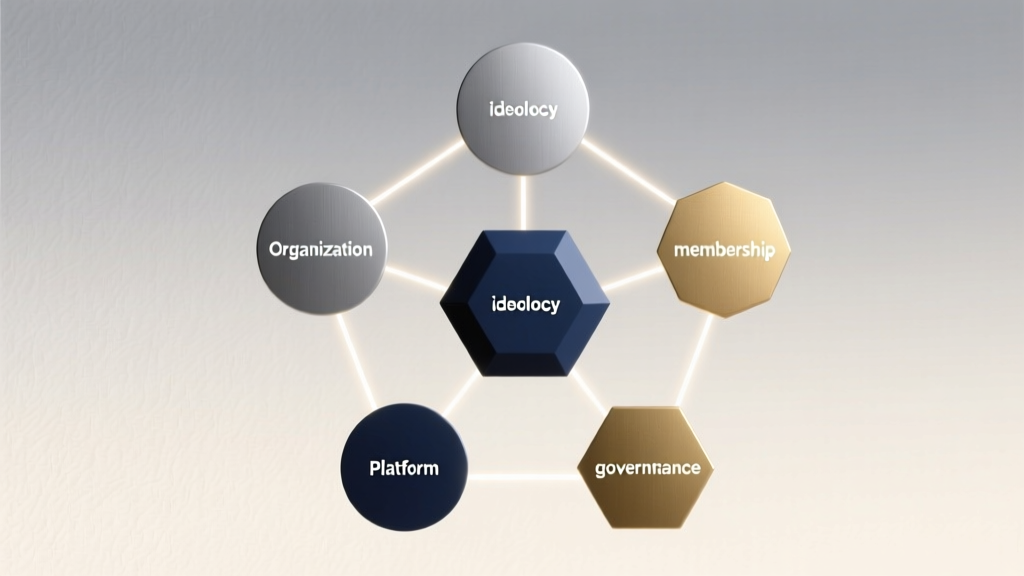 What Is the Definition of Political Party? — 5 Core Elements Every Citizen *Actually* Needs to Understand (Not Just Textbook Jargon)
 What Is a Ditty Party? (And Why Your Next Celebration Needs One in 2024) — The Surprisingly Simple Way to Host a Memorable, Low-Stress, Music-Driven Gathering That Guests Actually Talk About for Weeks
 When Was the Donner Party? The Exact Timeline (1846–1847) You Need for Accurate Historical Programming — Avoid Costly Date Errors in Your School Event, Museum Exhibit, or Living History Festival