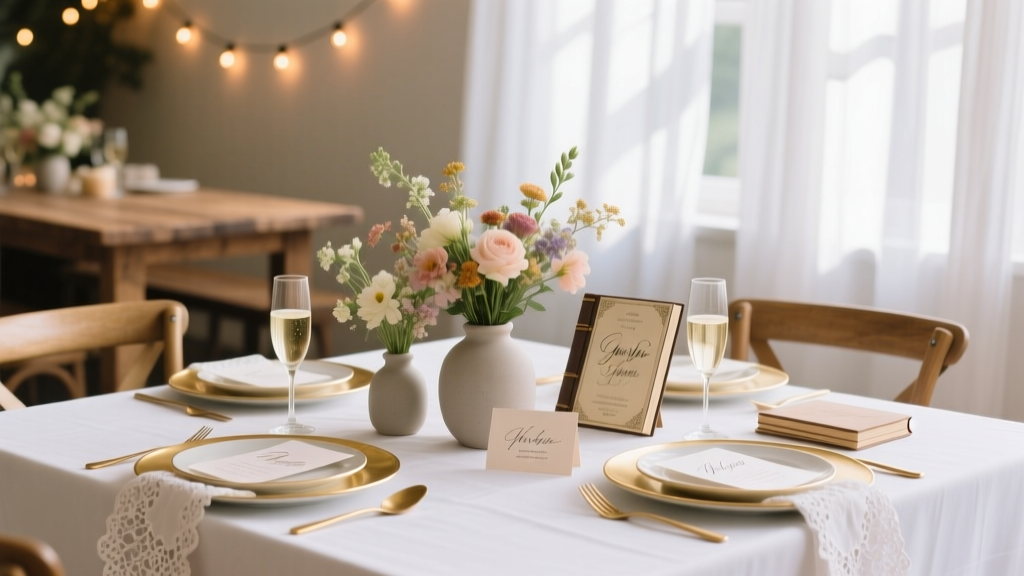
Planning a Wedding Reception on a Budget: A Step-by-Step Guide That Still Feels Luxurious
A beautiful wedding reception doesn’t require a huge price tag—it requires clear priorities, smart coordination, and a plan you can actually follow. When couples overspend, it’s usually not because they wanted “too much,” but because decisions were made late, vendors were booked without comparison, and small extras piled up without a budget guardrail.
Proper planning matters even more when you’re working with a limited budget because every choice has a ripple effect. A venue that includes tables and linens can save thousands. A tight guest list can unlock better food. A well-structured timeline prevents rush fees, last-minute shipping costs, and expensive “quick fixes.”
This guide walks you through how to plan a wedding reception on a budget with practical steps, current event planning trends, and proven organizational strategies. You’ll get a planning timeline, checklists, budget breakdown ideas, vendor selection tips, and real-world examples to help you host a memorable celebration without financial stress.
Start With Priorities: The “Budget Wedding” Mindset That Works
Budget-friendly event planning is less about cutting everything and more about spending intentionally. Before you tour venues or pin decor ideas, align on what “a great reception” means to you.
The 3-Category Priority Method
- Top 3 Must-Haves: The elements that will define your experience (examples: amazing food, great music, photographer, a specific venue style).
- Nice-to-Haves: Items that matter but can be simplified (examples: upgraded florals, specialty cocktails, lounge seating).
- Low-Priority: Items you can skip or DIY without regret (examples: elaborate favors, custom signage on every surface, expensive chair upgrades).
Trend watch: Many couples are shifting budget toward guest experience (food quality, comfortable seating, good sound) and away from “one-night-only” decor. This approach keeps your reception feeling elevated even with a smaller spend.
Set a Realistic Reception Budget (With a Simple Breakdown)
For wedding reception budgeting, clarity beats perfection. Build a budget with categories, target amounts, and a built-in buffer for surprises.
Quick Budget Breakdown Template (Adjust to Fit Your Priorities)
- Venue + rentals: 25–40%
- Food + beverage: 30–45%
- Photography/videography: 8–15%
- Music/entertainment: 5–10%
- Decor + florals: 5–12%
- Attire/beauty: 5–10%
- Stationery/signage: 1–3%
- Coordination (day-of/month-of): 3–8%
- Buffer/contingency: 5–10%
Real-World Example: $10,000 Reception Budget (100 Guests)
- Venue + rentals: $3,000
- Food + beverage: $4,000
- Photography: $1,200
- DJ or curated playlist setup: $700
- Decor + florals: $700
- Stationery/signage: $150
- Coordination help: $500
- Buffer: $750
Budget control tip: Create a shared spreadsheet with columns for “estimated,” “quoted,” “contracted,” and “paid.” This one tool prevents the most common budget drift in event coordination: forgetting tax, service fees, delivery charges, and gratuities.
Biggest Money-Savers (That Don’t Feel Like Sacrifices)
1) Tighten the Guest List With a Clear Rule
Cost per guest adds up fast across catering, rentals, invitations, and bar. Choose a guest list guideline you can stick to:
- Invite only people you’ve seen in the last 18–24 months.
- Limit plus-ones to engaged/married/long-term partners.
- Host an adults-only reception (if appropriate for your circle).
2) Choose a Venue With Built-In Value
Look for a venue that includes essentials:
- Tables and chairs (and setup/tear-down)
- In-house sound system and microphones
- Basic linens
- Day-of venue manager
- On-site kitchen (reduces catering complexity)
Trend watch: Restaurants, breweries, small galleries, and community venues are popular for budget wedding receptions because they often include staffing, furniture, and ambiance—reducing decor needs.
3) Pick a Reception Format That Fits Your Budget
- Brunch or lunch reception: Lower food and bar costs; bright, airy aesthetic.
- Cocktail-style reception: Heavy appetizers and stations can feel upscale; fewer rentals than a full plated meal.
- Shorter reception window: A 4-hour reception can lower staffing and bar minimums.
4) Simplify Decor With “Impact Zones”
Instead of decorating everything, focus on where photos and attention naturally land:
- Entry and welcome moment
- Head table or sweetheart table
- Cake/dessert display
- Dance floor lighting
Pro styling trick: Use more candles, fewer flowers. Candlelight is cost-effective and looks high-end in photos.
Vendor Selection Tips: How to Get Quality Without Overpaying
Build a Vendor Shortlist (Fast)
- Ask your venue for a preferred vendor list (they already know who performs well).
- Search local vendor tags on Instagram for recent work in venues like yours.
- Look for “newer businesses with strong portfolios”—often priced lower to build reviews.
Questions That Protect Your Budget
- “What’s included in your base price?”
- “Do you charge travel, setup, breakdown, or overtime fees?”
- “What is the payment schedule and cancellation policy?”
- “Can you customize a package to match our priorities?”
Where to Splurge vs. Save
- Worth investing in: food quality, photography (for lasting value), sound (so guests can hear everything)
- Easy to reduce: favors, excessive signage, premium linens, large floral installations
Coordination trend: More couples are hiring a month-of or day-of coordinator even on a tight budget. It can save money by preventing timeline chaos, overtime charges, and vendor miscommunication. If hiring isn’t possible, designate a trusted “point person” (not in the wedding party) to handle questions on the day.
Step-by-Step Planning Timeline (With Checklist Items)
This wedding reception planning timeline assumes a 9–12 month runway. If you have less time, use the same steps and combine phases.
12–9 Months Before
- Set reception budget and top 3 priorities
- Draft guest list range (minimum and maximum)
- Choose date and general location
- Research and tour venues
- Book venue and confirm what’s included (rentals, staffing, time window)
- Start a master planning document:
- Vendor contacts
- Payment due dates
- Insurance requirements
- Load-in/load-out rules
8–6 Months Before
- Book catering or confirm venue food and beverage minimums
- Book photographer/videographer
- Book entertainment (DJ/band) or plan playlist + sound setup
- Choose reception format (plated, buffet, cocktail stations)
- Begin decor plan focusing on impact zones
- Send save-the-dates (especially for travel-heavy guest lists)
5–3 Months Before
- Finalize rental needs (only what the venue doesn’t include)
- Confirm bar plan:
- Beer/wine only vs. full bar
- Two signature drinks to reduce liquor variety
- Mocktail option (budget-friendly and inclusive)
- Plan ceremony-to-reception transitions (transportation or on-site flow)
- Create a reception day timeline draft (see template below)
- Order signage and stationery
8–4 Weeks Before
- RSVP follow-ups and guest count tracking
- Finalize menu and dietary needs list
- Confirm floor plan and seating strategy
- Confirm vendor arrival times and load-in details
- Create a “day-of contact sheet” with phone numbers and roles
- Prepare tip envelopes (if applicable)
- Do a final budget review and adjust with your buffer
2 Weeks to Day-Of
- Confirm final headcount with caterer/venue
- Print seating chart and place cards (or set digital method)
- Pack decor and supplies in labeled bins
- Share final timeline with all vendors
- Assign a point person for:
- Gift/card box
- Vendor questions
- Personal items (phones, touch-up kit)
Reception Timeline Template (Copy/Paste)
- 4:00 PM – Vendor load-in begins
- 5:00 PM – Doors open / cocktail hour starts
- 6:00 PM – Grand entrance (optional)
- 6:10 PM – Dinner service begins
- 6:45 PM – Toasts (2–3 max, keep it tight)
- 7:10 PM – First dance + parent dances
- 7:30 PM – Open dance floor
- 8:15 PM – Dessert/cake cutting
- 9:30 PM – Last call / final song
- 10:00 PM – Reception ends, teardown begins
Smart Budget Choices for Food, Bar, and Dessert
Catering Strategies That Save Money
- Buffet or stations: Often lower staffing needs than plated service.
- Choose seasonal menus: Cheaper ingredients, better taste.
- Skip extra courses: A great main meal beats multiple mediocre add-ons.
- Serve family-style sides: Feels abundant and welcoming.
Bar Options That Keep Guests Happy
- Beer + wine + two signature cocktails (reduces inventory and cost)
- Limit premium brands—most guests won’t notice
- Offer one fun zero-proof option (trend-forward and budget-friendly)
Dessert Without the “Wedding Cake” Price
- Small cutting cake + sheet cakes in the kitchen
- Dessert bar with cookies, brownies, donuts, or cupcakes
- Local bakery partnership (often better value than specialty wedding bakeries)
Common Budget Reception Mistakes (and How to Avoid Them)
- Booking before building a full budget: Avoid locking in an expensive venue and “hoping it works out.” Do a full draft budget first.
- Not reading the fine print: Overtime fees, required security, vendor meal requirements, and service charges can derail your plan.
- Underestimating rentals: Chairs, glassware, and linens add up. Choose venues that include them when possible.
- Over-decorating: Guests remember vibe, music, and food more than elaborate details at every table.
- Skipping a coordination plan: If you don’t hire a coordinator, you still need a coordination system: contact sheet, timeline, labeled bins, and a point person.
- Forgetting the buffer: Small changes (extra guests, weather backup, last-minute printing) are normal. Your buffer keeps them from becoming stressful.
Mini Case Studies: Budget Reception Wins
Case Study 1: Restaurant Reception (80 Guests)
- Strategy: Booked a restaurant buyout with included tables, staff, and ambiance.
- Saved on: rentals, decor, and staffing coordination.
- Splurged on: a great photographer and a simple floral statement at the entry.
- Guest experience win: Faster service, excellent food, and a lively atmosphere.
Case Study 2: Community Hall + Impact Zone Decor (120 Guests)
- Strategy: Allocated most decor budget to lighting and a styled sweetheart table.
- Saved on: minimal centerpieces (candles + greenery), DIY signage.
- Guest experience win: Dance floor stayed full because lighting and sound were prioritized.
FAQ: Wedding Reception on a Budget
What’s the best way to cut reception costs quickly?
Reduce the guest count and choose a venue with inclusions (tables, chairs, staffing). Those two decisions impact nearly every other category in your wedding reception budget.
Is a buffet cheaper than plated dinner?
Often, yes—buffets and stations can reduce staffing needs. The difference depends on your caterer’s service model and minimums, so ask for side-by-side quotes.
How do I negotiate with wedding vendors?
Focus on adjusting scope rather than pushing for discounts. Ask if they can customize packages, reduce hours, swap premium add-ons, or shift to off-peak dates.
How can I make a budget reception look elegant?
Use cohesive colors, prioritize lighting (candles or uplighting), keep tables uncluttered, and concentrate decor in key photo areas like the entry and head table.
Do I really need a day-of coordinator?
If your budget allows, a coordinator is one of the best investments for smooth event execution. If not, appoint a capable point person, share a final timeline with vendors, and keep all logistics in one master document.
Actionable Next Steps
- Write your top 3 reception priorities and your non-negotiable budget limit.
- Draft a guest list range (minimum/maximum) before contacting venues.
- Use the budget breakdown template to assign target amounts.
- Shortlist 3 venues that include the most essentials.
- Build your planning timeline and start booking the “big rocks” first: venue, food, photo, music.
If you want more practical event planning tools, checklists, and party organization tips, explore more planning guides on smartpartyprep.com.
More Articles
 Is PA a one party consent state? Yes — but here’s exactly when you’re legally safe, when you’re not, and how to avoid lawsuits even if you think you’re covered (2024 update)
What to Wear for a Bridal Shower Party: The 7-Second Dress Code Decoder (No More Awkward Outfits or Last-Minute Panic)
Is PA a one party consent state? Yes — but here’s exactly when you’re legally safe, when you’re not, and how to avoid lawsuits even if you think you’re covered (2024 update)
What to Wear for a Bridal Shower Party: The 7-Second Dress Code Decoder (No More Awkward Outfits or Last-Minute Panic)
 Is Party Animals on PS5? The Truth About Availability, Performance, and Whether It’s Worth Planning Your Next Game Night Around It (2024 Update)
 Where to Watch Life of the Party in 2024: The Only Up-to-Date Guide That Shows You Exactly Which Streaming Services Have It Right Now (No More Wasting Time Searching)
How Much Is Party Animals on PS5 in 2024? We Checked Every Store (Including Hidden Fees, Bundles & Regional Pricing Surprises You’re Missing)
Do Sororities Have Parties? The Truth About Greek Social Events—What Rush Week Doesn’t Tell You (And How to Navigate Them Safely, Authentically, and Strategically)
Is Nutrafol third party tested? We investigated every lab report, certificate, and independent verification — here’s what we found (and why 3 out of 4 hair supplements skip this step entirely)
Were there measles parties? The shocking truth behind this dangerous 20th-century trend—and why today’s parents are choosing science-backed immunity strategies instead of risky exposure rituals.
Where to Watch Life of the Party in 2024: The Only Up-to-Date Guide That Shows You Exactly Which Streaming Services Have It Right Now (No More Wasting Time Searching)
How Much Is Party Animals on PS5 in 2024? We Checked Every Store (Including Hidden Fees, Bundles & Regional Pricing Surprises You’re Missing)
Do Sororities Have Parties? The Truth About Greek Social Events—What Rush Week Doesn’t Tell You (And How to Navigate Them Safely, Authentically, and Strategically)
Is Nutrafol third party tested? We investigated every lab report, certificate, and independent verification — here’s what we found (and why 3 out of 4 hair supplements skip this step entirely)
Were there measles parties? The shocking truth behind this dangerous 20th-century trend—and why today’s parents are choosing science-backed immunity strategies instead of risky exposure rituals.