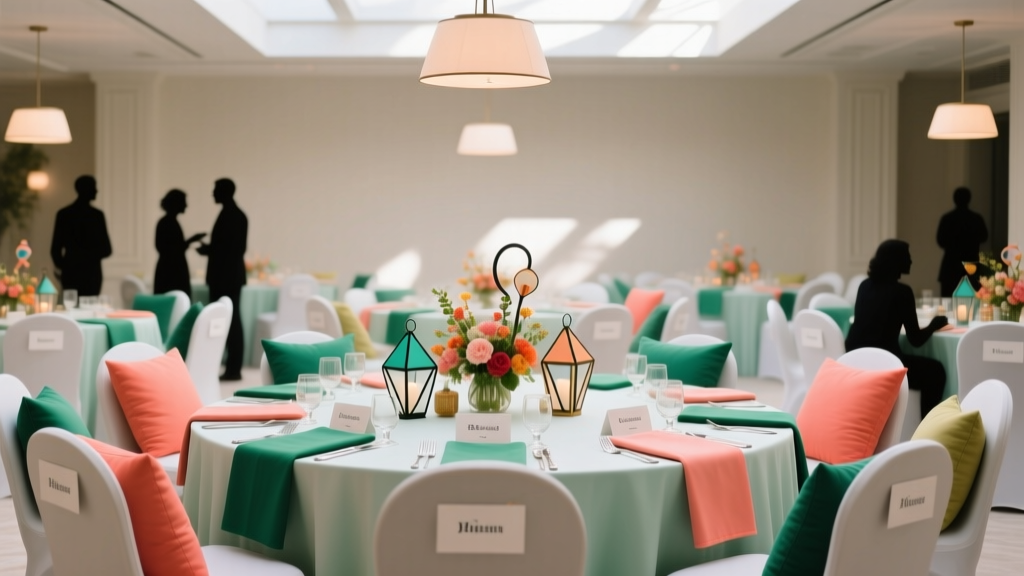
Theme Party Seating Arrangement Ideas
A theme party can look stunning on Pinterest and still fall flat in real life if guests don’t feel comfortable, included, and able to connect. Seating is one of the most overlooked parts of party planning and event coordination, yet it heavily shapes the flow of conversation, the pace of food service, and the energy of the room. A well-planned seating arrangement also reduces confusion, keeps walkways clear, and helps your vendors (catering, photo, and entertainment) do their jobs smoothly.
Whether you’re hosting a birthday, engagement party, holiday gathering, or brand celebration, the best party seating plan balances two goals: it supports your theme visually and it supports your guests socially. With a few proven organizational strategies—plus a clear timeline, budget plan, and a handful of practical templates—you can create a seating layout that feels intentional and effortless.
Start With the Basics: What the Seating Plan Must Accomplish
Define your party format
Your seating arrangement depends on how you want people to interact. Before picking table shapes or printing escort cards, choose the event style:
- Plated meal: Assigned seats are usually best for service speed and fewer mix-ups.
- Buffet or stations: Assign tables (or zones) to avoid long lines and keep traffic moving.
- Cocktail party: Mostly open seating with high-tops, lounge areas, and a few anchored reserved spots.
- Family-style dining: Assigned tables with flexible seats works well for sharing dishes.
Know your guest experience goals
Use seating to create the atmosphere you want:
- High energy: Mix friend groups, add communal tables, place outgoing guests near the center.
- Relaxed and intimate: Smaller rounds, lounge groupings, and familiar pairings.
- Networking-focused: Strategic mixing by interests, industries, or shared connections.
Measure the room like a pro
A theme party layout should look great and function well. When you map your floor plan, keep these spacing guidelines in mind:
- Walkways: Aim for 36–48 inches in main traffic areas.
- Chair pull-out space: Allow 24 inches behind chairs where possible.
- Buffet lines: Leave extra space around stations; place them away from entry bottlenecks.
- Accessibility: Ensure wheelchair-friendly routes and avoid tight pinch points.
Theme-Forward Seating Arrangement Ideas (That Still Work in Real Life)
1) “Neighborhoods” for large theme parties
Instead of one massive seating plan, break your party into smaller zones that match your theme—an event planning trend that makes big gatherings feel curated and easier to navigate.
- Example (Garden Party): Rose Garden zone, Citrus Grove zone, Herb Terrace zone—each with distinct centerpiece styling and color accents.
- Example (Retro 80s): Arcade Corner, Neon Lounge, Mixtape Tables with bold table markers.
Best for: 40+ guests, mixed-age groups, or venues with multiple areas.
2) Long banquet tables for “family reunion” warmth
Banquet tables instantly feel communal and photograph well—especially on trend with modern tablescapes (layered linens, taper candles, and textured place settings).
- Seat talkative guests in the center to keep conversation flowing.
- Place quieter guests near familiar faces toward the ends.
- Use a simple “pick any seat at your table” system to reduce rigidity.
Theme fit examples: Italian trattoria night, harvest dinner, coastal clam bake, cottagecore picnic (with benches and cushions).
3) Mixed seating (rounds + lounge) for cocktail-style themes
Current event planning best practice: provide a variety of seating types so guests can choose how they socialize.
- High-top tables: Great near the bar and appetizer stations.
- Lounge clusters: Sofas, loveseats, or soft chairs in groups of 4–6.
- Standard dining tables: Reserve for older guests, families, or anyone who needs a stable seat for a meal.
Theme fit examples: Hollywood glam, speakeasy night, rooftop white party, art gallery soirée.
4) The “conversation ring” for interactive themes
For parties with a performance element—like a toast, game, or show—build seating around the main focal point.
- Arrange tables in a semicircle facing the stage, DJ, or projection wall.
- Create an open center area for games, dancing, or demonstrations.
- Keep the back row closer than you think; distance lowers engagement.
Theme fit examples: Mystery dinner, casino night, karaoke party, game-show themed birthday.
5) Place-card storytelling for highly themed events
Seating can reinforce your theme through names and table identities—without complicated décor.
- Travel theme: Tables named after cities; escort cards styled like boarding passes.
- Book theme: Tables named by genres or chapters; seats assigned by “page number.”
- Movie theme: Tables labeled as “Scenes”; seats as “Roles.”
Pro tip: Keep table labels large and visible from 10–15 feet away to reduce traffic jams at the seating chart.
How to Build a Seating Chart: A Practical Step-by-Step Method
Step 1: Gather guest data (beyond names)
- Dietary restrictions and allergies
- Accessibility needs
- Family groupings and caregiver needs
- Who knows whom (and who should not be seated together)
- VIPs: hosts, honorees, speakers, elders
Step 2: Decide what you’re assigning
- Assigned seats: Most controlled; best for plated meals and formal themes.
- Assigned tables: Flexible; great for buffet and semi-formal parties.
- Open seating: Easiest; works for casual parties but requires extra seating capacity and clear flow.
Step 3: Create your “anchor groups” first
Start with the people who must sit together, then build around them:
- Immediate family units
- Close friend clusters
- Work teams (if it’s a corporate theme party)
Step 4: Mix with intention
Use these proven party organization principles to keep tables lively:
- Balance conversational energy (pair outgoing guests with quieter ones).
- Place “connectors” (friendly guests) at tables with mixed groups.
- Avoid stacking all the extroverts at one table and leaving others flat.
- For networking: seat people by shared interests, not just job titles.
Step 5: Assign prime real estate thoughtfully
- Near the action: Honoree, close family, major participants in speeches or activities.
- Near exits/restrooms: Guests with mobility needs or young children.
- Farther from speakers/DJ: Guests sensitive to noise or older guests who prefer quieter conversation.
Step 6: Test the layout with a “traffic walk”
On your floor plan, trace how guests will move from:
- Entrance → seating chart → table
- Table → bar → table
- Table → buffet/stations → table
- Tables → restrooms
If paths cross in one tight spot, adjust before you finalize.
Real-World Examples: Seating Plans That Solve Common Problems
Example A: 30-person “Tropical Luau” backyard party (buffet + games)
- Setup: 2 long banquet tables (10 seats each) + 2 round tables (5 seats each)
- Assignment: Assigned tables, open seats
- Flow: Buffet on one side of the yard; drink station opposite to split lines
- Theme touch: Table names: “Sunset,” “Lagoon,” “Palm,” “Volcano” with matching colored runners
Example B: 60-person “Great Gatsby” theme party (cocktail + show moment)
- Setup: Lounge clusters near stage, high-tops near bar, a few reserved dining tables for VIPs
- Assignment: Reserved seating for 20; open seating for 40
- Flow: Wide aisle kept clear to the focal stage area for a toast and photos
- Theme touch: Escort cards styled as vintage telegrams for reserved guests
Example C: 24-person “Murder Mystery” dinner (plated meal)
- Setup: 3 rounds of 8
- Assignment: Assigned seats to manage clues and scripts
- Flow: Host and key characters placed evenly to guide pacing
- Theme touch: Seat cards labeled “Detective File #”
Planning Timeline + Checklist for Seating Arrangements
4–6 weeks before
- Confirm guest count target and maximum capacity
- Choose party format (plated, buffet, cocktail, stations)
- Request venue floor plan or measure your space
- Decide table types and quantities (rounds, long tables, high-tops, lounge)
- Start collecting guest details (dietary, accessibility, plus-ones)
3 weeks before
- Sketch 2–3 layout options (Plan A, B, and rain/backup plan if needed)
- Confirm rentals: tables, chairs, linens, lounge pieces
- Coordinate with catering on service style and traffic flow
- Decide: assigned seats vs assigned tables vs open seating
2 weeks before
- Draft seating chart version 1
- Plan signage: seating chart placement and table markers
- Confirm any VIP/reserved seating needs
- Review lighting needs (seating charts must be readable at night)
7–10 days before
- Finalize guest list and seating chart version 2
- Proof names carefully (spelling, titles if used)
- Print escort cards/place cards and table numbers/names
- Share final layout with vendors (caterer, rental company, coordinator, DJ)
48–72 hours before
- Create a “day-of seating kit” (see checklist below)
- Prepare 2–3 blank place cards for last-minute changes
- Confirm delivery and setup times with rental vendors
Day-of checklist: seating setup kit
- Printed seating chart (plus 1 backup copy)
- Escort cards/place cards + extras
- Table numbers/names + stands
- Tape, sticky tack, binder clips, scissors
- Sharpies/pens, mini stapler
- Vendor contact list and timeline
Budget Considerations (and Where Seating Costs Sneak Up)
Typical seating-related budget categories
Use this simple breakdown to plan your party budget realistically. Percentages vary by region and guest count, but this keeps you aligned with common event planning benchmarks.
- Furniture rentals (tables, chairs, lounge): 35–55% of seating budget
- Linens (tablecloths, runners, napkins): 15–25%
- Signage/printing (seating chart, escort cards, table markers): 10–20%
- Décor tied to tables (centerpieces, candles): 15–30%
Sample mini budget: 40 guests, mixed seating
- 40 chairs @ $3–$8 each: $120–$320
- Tables (mix of banquet/round/high-top): $80–$250
- Linens: $120–$300
- Printing/signage: $40–$150
- Estimated seating total: $360–$1,020
Money-saving tips that still look polished
- Assign tables (not seats) to reduce printing and reprints.
- Use digital RSVPs to capture dietary needs early and avoid last-minute swaps.
- Choose banquet tables with simple runners instead of full linens for every surface.
- Repurpose ceremony chairs or venue chairs when possible.
Vendor Selection Tips for Layout, Rentals, and Setup
- Rental company: Ask for a mock layout and confirm delivery window, pickup time, and damage policy.
- Caterer: Confirm how many buffet lines you need and where bussing stations should go.
- Planner/coordinator: Share your seating priorities (VIPs, accessibility, sensitive relationships) before charting.
- Stationery/signage vendor: Request a proofing process and confirm turnaround time for last-minute changes.
Pro question to ask every vendor: “What layout detail most often causes delays for your team?” Their answer will highlight preventable issues.
Common Theme Party Seating Mistakes to Avoid
- Under-seating: Cocktail parties still need enough seats for at least 60–70% of guests, especially if food is served.
- Placing the seating chart in a bottleneck: Don’t put it directly inside the entry or at the bar line.
- Ignoring acoustics: Speakers/DJs too close to dining tables can derail conversation.
- Overcommitting to “perfect” aesthetics: A beautiful layout fails if servers can’t move or guests can’t reach restrooms.
- Not planning for no-shows and add-ons: Build in flexibility with a few extra chairs and blank place cards.
- Forgetting accessibility needs: Reserve easy-to-reach seating and maintain clear pathways.
FAQ: Theme Party Seating Arrangements
How do I decide between assigned seats and open seating?
If you’re serving a plated meal or running a structured program (toasts, mystery dinner, awards), assigned seats reduce confusion. For buffet, stations, or casual gatherings, assigned tables or open seating works well—just add plenty of seating and clear signage.
What’s the easiest seating system for a semi-formal theme party?
Assigned tables with open seats is the simplest option that still feels organized. It streamlines guest flow, limits awkward “where do I sit?” moments, and keeps printing straightforward.
How can I seat guests who don’t know each other without it feeling forced?
Place a friendly “connector” at each mixed table, and give guests an easy conversation hook through the theme (table names, a short prompt card, or a small interactive element like trivia related to the theme).
How many extra chairs should I plan for?
Plan for 5–10% extra chairs if you have space—especially for open seating or parties with lots of plus-ones and late RSVP changes.
Where should the seating chart go?
Place it after the entry but before guests reach the main crowd—ideally along a wide wall with good lighting. Allow space for a small “viewing area” so guests can step aside without blocking traffic.
Next Steps: Turn These Ideas Into Your Seating Plan This Week
- Choose your party format (plated, buffet, cocktail, stations) and confirm your guest count target.
- Sketch a floor plan with realistic walkways and traffic flow to bar, food, and restrooms.
- Pick one seating strategy (assigned seats, assigned tables, or open seating) that matches your theme party goals.
- Draft your seating chart using anchor groups, then mix intentionally for energy and comfort.
- Lock vendors and rentals with a clear setup timeline—and build in flexibility for last-minute changes.
If you’re ready to keep planning with less stress and better results, explore more event planning, party organization, and coordination guides on smartpartyprep.com.
— The Smart Party Prep Team
More Articles
 How to Choose a Theme for a Community Festival
How Much Does an Engagement Party Cost? The Real Numbers (2024) — From $150 Backyard BBQs to $5,000 Luxury Celebrations (No Guesswork, Just Data-Backed Breakdowns)
How to Choose a Theme for a Community Festival
How Much Does an Engagement Party Cost? The Real Numbers (2024) — From $150 Backyard BBQs to $5,000 Luxury Celebrations (No Guesswork, Just Data-Backed Breakdowns)
 What Did George Washington Say About Political Parties? The Shocking Warning Most Americans Have Never Heard — And Why It Matters More Than Ever in Today’s Divided Climate
How to Keep Sliders Warm at a Party: 7 Field-Tested Tactics That Prevent Cold, Soggy Buns (No Chafing Dish Required)
Stop Wasting Hours Scrolling: The 7-Second A-Line Dress Formula That Guarantees Party-Perfect Style (No Fitting Room Stress, No Last-Minute Panic)
What Did George Washington Say About Political Parties? The Shocking Warning Most Americans Have Never Heard — And Why It Matters More Than Ever in Today’s Divided Climate
How to Keep Sliders Warm at a Party: 7 Field-Tested Tactics That Prevent Cold, Soggy Buns (No Chafing Dish Required)
Stop Wasting Hours Scrolling: The 7-Second A-Line Dress Formula That Guarantees Party-Perfect Style (No Fitting Room Stress, No Last-Minute Panic)
 Is South Dakota a single party consent state? Yes—but here’s exactly when that rule fails you (and how to avoid felony wiretapping charges at your next event)