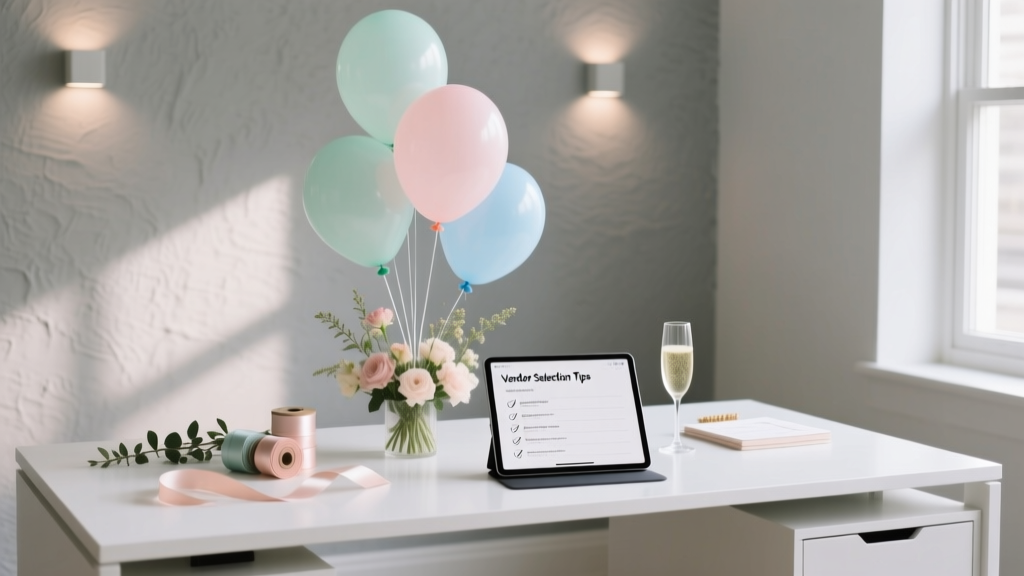
Product Launch Vendor Selection Tips
A product launch is more than a party—it’s a live, high-stakes brand moment where customers, partners, media, and internal teams form opinions quickly. The right vendors help you deliver a seamless experience that supports your story, protects your timeline, and makes your product the center of attention. The wrong vendors can drain budget, create delays, and distract from the launch message.
Vendor selection is where strategy becomes reality. From your venue and A/V team to catering, décor, staffing, and photo/video, every vendor influences guest flow, energy, and the quality of the content you’ll use after the event. With a structured planning timeline, clear selection criteria, and strong coordination, you can launch confidently—even if this is your first major event.
This guide walks you through step-by-step vendor selection tips, a practical planning checklist, budget considerations, and the common mistakes that derail otherwise great product launch events.
Start with a Product Launch Event Plan (Before You Contact Vendors)
Vendors can only quote accurately when your event goals and requirements are clear. Begin with a simple launch brief—one page is enough—to guide every decision and speed up vendor comparisons.
Create a Launch Brief (Your Vendor Selection North Star)
- Event goal: awareness, sales, press coverage, investor confidence, partner education, community building
- Audience: press, influencers, customers, VIPs, internal teams, distributors
- Format: in-person, hybrid, livestream, pop-up experience, demo-driven showcase
- Guest count: expected + a realistic range (ex: 150–200)
- Product moments: reveal, live demo, hands-on stations, keynote, Q&A
- Brand vibe: modern, playful, premium, tech-forward, wellness, eco-conscious
- Success metrics: leads collected, demo sign-ups, press mentions, social impressions, sales, attendee feedback
- Constraints: date, noise limits, union rules, venue load-in windows, power/Wi-Fi requirements
Current Event Planning Trends Worth Using
- Content-first event design: vendors are chosen for how well they support photo/video capture and short-form social clips.
- Hybrid-ready production: even in-person launches often include a livestream or remote media kit capture.
- Interactive experiences: hands-on demos, mini workshops, guided tastings, station-based discovery.
- Sustainability and waste reduction: compostable serviceware, donation plans, reusable builds, local sourcing.
- Data capture with guest experience: QR check-in, badge printing, lead scanning, privacy-friendly opt-ins.
Vendor Categories for a Successful Product Launch
Not every launch needs every vendor, but most events use a mix of the following. Knowing the “core team” helps you prioritize budget and timelines.
Core Vendors
- Venue: sets guest capacity, rules, load-in logistics, and the overall feel
- Catering & bar: food service style impacts flow and schedule
- A/V production: sound, lighting, screens, microphones, staging—non-negotiable for reveals and demos
- Photo/video: captures your product, keynote, and usable marketing assets
- Event staffing: check-in, ushers, brand ambassadors, security, backstage support
High-Impact Add-Ons
- Décor and florals: brand styling, step-and-repeat, experiential installations
- Rentals: lounge seating, bars, linens, pipe-and-drape, specialty display furniture
- Entertainment: DJ, live musicians, MC, interactive performers
- Signage/printing: wayfinding, menus, branded backdrops, product spec cards
- Transportation: VIP car service, shuttles, parking coordination
Step-by-Step Product Launch Planning Timeline (with Checklist)
Use this event planning timeline as a template. Adjust based on your size and complexity—hybrid launches and high-production reveals need more time.
10–12 Weeks Out: Strategy & Shortlist
- Finalize your launch brief (goal, audience, format, guest count)
- Confirm date range and ideal time (weekday evening is common for press + professionals)
- Create a vendor budget range (even rough numbers help vendors quote accurately)
- Research venues and production vendors with product launch experience
- Draft your event run-of-show outline (arrival, reveal, demos, networking, close)
8–10 Weeks Out: Venue + Production Locked
- Tour venues; confirm capacity, sound limits, parking, ADA accessibility
- Request proposals from A/V production teams and compare line items
- Reserve key vendors: venue, A/V, catering (or venue’s exclusive caterer), photo/video
- Start permitting and insurance needs (COI requirements, special licenses)
- Outline power, Wi-Fi, and demo needs (especially for tech and live demos)
6–8 Weeks Out: Design, Guest Experience, and Coordination
- Confirm event theme and brand styling direction (colors, materials, signage tone)
- Book rentals (seating, tables, staging, display pedestals, barricades if needed)
- Hire staffing: check-in leads, brand ambassadors, security
- Build the guest journey: entry → welcome → reveal → demo → CTA (purchase/sign-up)
- Plan lead capture (QR codes, scanning, forms) and privacy language
4–6 Weeks Out: Content & Logistics
- Send invites and launch RSVP tracking (email + calendar link + reminders)
- Create signage plan: wayfinding, agenda, demo station IDs, safety notices
- Confirm catering menu and service style (passed bites vs. stations vs. seated)
- Plan contingency: weather backup, vendor no-show plan, extra cables, spare mic
- Draft a detailed production schedule (load-in, rehearsal, doors, show cues)
2–3 Weeks Out: Finalize and Rehearse
- Finalize run-of-show with minute-by-minute timing
- Confirm vendor arrival times and load-in instructions
- Hold a production call with venue + A/V + catering + planner/coordinator
- Confirm brand assets delivery (logos, slides, video files, fonts)
- Rehearse the product demo and backup plan (especially for Wi-Fi dependent demos)
Event Week: Execute Like a Pro
- Confirm final guest count, dietary needs, and VIP list
- Print check-in lists, staff briefing sheets, and emergency contacts
- Perform A/V tech rehearsal: mics, lighting looks, video playback, cues
- Do a walk-through: guest flow, signage placement, demo station spacing
- Prepare gratuities, vendor payments, and a dedicated “day-of” kit
Post-Event (48 Hours–2 Weeks): Maximize the Launch
- Collect vendor deliverables (photo/video galleries, invoices, reports)
- Send thank-you notes to VIPs, press, partners, and vendors
- Repurpose content: highlight reels, product clips, testimonials
- Review KPIs: attendance rate, leads captured, sales, press hits
- Hold a debrief and document what to repeat and improve
Vendor Selection Tips That Prevent Costly Surprises
1) Choose Experience Over Promises
Ask for examples of similar product launch events, not just “events.” A vendor who understands reveals, demos, and brand storytelling will anticipate needs you didn’t know to ask about.
- Request a portfolio of events with comparable scale and production requirements
- Ask what went wrong at a past launch and how they handled it
- Look for calm, organized communication—fast responses and clear answers
2) Use a Standardized RFP (So You Can Compare Apples to Apples)
Create one request-for-proposal template and send it to all vendors in the same category. Include:
- Date, location, guest count range
- Event format and key moments (reveal time, demo needs, speeches)
- Service expectations (setup/breakdown, staffing, delivery windows)
- Brand requirements (colors, signage, dress code for staff)
- Budget range (even a range filters unrealistic bids)
3) Evaluate Proposals Line-by-Line (Not Just the Total)
- Labor hours: are overtime rates listed?
- Delivery/load-in fees: especially in downtown venues
- Service charges: catering and bar can add 20–30%+ before tax
- Equipment specifics: speaker wattage, mic count, screen size, lighting fixtures
- Strike time: does the venue require teardown by a specific hour?
4) Prioritize A/V and Wi-Fi for Launch Credibility
Guests will forgive simple décor; they won’t forgive inaudible speeches or a demo that fails.
- Confirm dedicated bandwidth if you need livestreaming or app-based demos
- Ask if the A/V company provides a show caller or stage manager
- Build redundancy: extra mic, backup laptop, offline demo mode
5) Ask the Venue What They Restrict (Before You Sign)
- Exclusive vendors (catering, bar, production)
- Noise ordinances and end times
- Rigging limitations, confetti rules, fog/haze rules
- Insurance requirements and security staffing rules
- Loading dock access, elevator size, and storage options
6) Check Vendor Fit with Your Brand
The best event coordination feels aligned. For example, an eco-friendly product launch should favor vendors who can support sustainable event planning.
- Uniform/dress code options for staff
- Presentation style (minimalist, luxury, bold, playful)
- Language and professionalism when interacting with VIPs
Budget Considerations: Sample Product Launch Budget Breakdown
Budgets vary widely by city, venue type, and production level. Use this as a starting point for event budgeting and party organization.
Typical Budget Allocation (Percentage Guide)
- Venue: 15–25%
- Catering & bar: 20–35%
- A/V production (sound/lighting/video/stage): 15–30%
- Photo/video: 8–15%
- Rentals & décor: 8–15%
- Staffing & security: 5–12%
- Marketing, printing, signage: 3–8%
- Contingency: 8–12%
Real-World Example: Mid-Size Launch (150 Guests)
- Venue: $6,000–$12,000
- Catering & bar: $12,000–$22,000
- A/V production: $8,000–$18,000
- Photo/video: $3,500–$9,000
- Rentals/décor/signage: $4,000–$10,000
- Staffing/security: $2,000–$6,000
- Contingency: $3,000–$7,000
Planning tip: If budget is tight, reduce custom décor and prioritize A/V, lighting, and photo/video. Strong production makes the event feel premium and produces better post-event marketing assets.
Proven Organizational Strategies for Vendor Management
Create a Vendor Matrix (Simple, Powerful)
Use a spreadsheet to compare vendors quickly. Include:
- Contact info + response time
- Pricing + deposit + payment schedule
- What’s included vs. add-ons
- Cancellation/reschedule terms
- Notes from calls and site visits
Build a Single Source of Truth for Event Coordination
- Shared folder for proposals, contracts, COIs, floor plans, and brand assets
- One master timeline with load-in/load-out and rehearsal times
- Run-of-show with cue-to-cue A/V notes
- One vendor contact sheet with day-of phone numbers
Schedule One Production Call That Includes Everyone
This is where your event planning becomes cohesive. Include venue, A/V, catering, rentals, photo/video, and your event coordinator. Review:
- Guest flow and doors time
- Load-in path, elevator access, and staging area
- Power distribution and Wi-Fi access
- Demo station placement and safety considerations
- Show cues, lighting looks, and microphone plan
Common Product Launch Planning Mistakes to Avoid
- Booking a venue before confirming A/V realities: gorgeous spaces can have terrible acoustics or strict production limits.
- Underestimating load-in time: urban venues, freight elevators, and limited docks create delays.
- Skipping a tech rehearsal: reveals and demos need cue practice; “we’ll figure it out” is risky.
- Overdecorating and underproducing: guests remember sound, lighting, pacing, and energy more than extra florals.
- No contingency budget: last-minute rentals, weather pivots, and extra labor happen.
- Unclear vendor scope: assumptions lead to gaps (who sets signage, who moves furniture, who manages trash removal?).
- Forgetting post-event needs: without a content plan, your launch momentum ends when the doors close.
FAQ: Product Launch Vendor Selection
How early should I book vendors for a product launch?
For a mid-size launch, start outreach 10–12 weeks out and book the venue and A/V production by 8–10 weeks. For peak seasons, major cities, or hybrid launches, plan 4–6 months ahead.
What vendors matter most for a smooth product reveal?
Venue, A/V production, and an experienced event coordinator (or production manager) drive the reveal. Add photo/video early so they can plan angles, lighting needs, and timing.
How can I tell if a vendor quote is missing key costs?
Look for vague line items like “miscellaneous” and missing details on labor hours, overtime, delivery, setup/breakdown, service charges, and taxes. Ask for an itemized proposal and confirm what is explicitly included.
Should I choose vendors from the venue’s preferred list?
Often, yes—preferred vendors know the space, load-in rules, power access, and staff. Still, compare at least one outside option and make sure pricing and service match your launch needs.
How do I keep vendor communication organized?
Use a shared folder for documents, a master timeline, and one primary point of contact. Send recap emails after key calls with decisions, responsibilities, and deadlines.
What’s a smart contingency plan for demos and livestreams?
Have an offline demo mode, backup devices, extra cables/adapters, printed talking points, and dedicated internet if streaming. Confirm that your A/V team can support switching sources quickly.
Your Next Steps: Vendor Selection Action Plan
- Write a one-page launch brief (goal, audience, format, guest count, key moments).
- Build a vendor shortlist for venue, A/V, catering, and photo/video.
- Send a standardized RFP and compare itemized proposals line-by-line.
- Book the venue and A/V first, then lock catering, staffing, rentals, and décor.
- Create your master timeline, run-of-show, and vendor contact sheet.
- Schedule a production call and run a full tech rehearsal before doors open.
A well-coordinated product launch doesn’t happen by chance—it’s the result of smart vendor selection, clear scopes, and a timeline you can actually execute. For more practical event planning checklists, party organization ideas, and coordination guides, explore the latest resources on smartpartyprep.com.
More Articles
 Who wrote Party in the USA song? The full story behind the hit—including the unsung co-writers, publishing rights you need to know before playing it at your event, and why misattribution could cost you $5,000+ in licensing fines.
Where to Have a Sweet 16 Birthday Party: 7 Unexpected Venues That Save $1,200+ (Without Sacrificing Wow Factor or Guest Comfort)
How to Have a Dance Party in Sneaky Sasquatch: The Only 7-Step Blueprint That Actually Works (No Glitches, No Missed Beats, Just Pure Beaver-Crew Vibes)
Who wrote Party in the USA song? The full story behind the hit—including the unsung co-writers, publishing rights you need to know before playing it at your event, and why misattribution could cost you $5,000+ in licensing fines.
Where to Have a Sweet 16 Birthday Party: 7 Unexpected Venues That Save $1,200+ (Without Sacrificing Wow Factor or Guest Comfort)
How to Have a Dance Party in Sneaky Sasquatch: The Only 7-Step Blueprint That Actually Works (No Glitches, No Missed Beats, Just Pure Beaver-Crew Vibes)
 What Do You Take to a Retirement Party? The 7-Item No-Stress Checklist (Backed by 127 Real Guest Surveys + Etiquette Experts)
Is the Party Switch a Myth? We Analyzed 217 Real Event Rebrands—and Found Exactly When (and Why) Swapping Themes, Venues, or Guest Lists Actually Works (and When It Backfires)
What to Serve with Pizza for a Party: The 7-Item No-Stress Menu Framework That Prevents Awkward Gaps, Satisfies Picky Eaters, and Keeps Guests Eating (Not Just Snacking) for 3+ Hours
Who Carried Out the Boston Tea Party? The Truth Behind the Masked Patriots — Not Just 'Sons of Liberty' (Here’s Exactly Who They Were, Their Roles, and Why It Still Matters for Modern Civic Events)
What Do You Take to a Retirement Party? The 7-Item No-Stress Checklist (Backed by 127 Real Guest Surveys + Etiquette Experts)
Is the Party Switch a Myth? We Analyzed 217 Real Event Rebrands—and Found Exactly When (and Why) Swapping Themes, Venues, or Guest Lists Actually Works (and When It Backfires)
What to Serve with Pizza for a Party: The 7-Item No-Stress Menu Framework That Prevents Awkward Gaps, Satisfies Picky Eaters, and Keeps Guests Eating (Not Just Snacking) for 3+ Hours
Who Carried Out the Boston Tea Party? The Truth Behind the Masked Patriots — Not Just 'Sons of Liberty' (Here’s Exactly Who They Were, Their Roles, and Why It Still Matters for Modern Civic Events)
 How to Choose a Third-Party Forced Labor Compliance Solution: 7 Non-Negotiable Criteria That Prevent Costly Audits, Supply Chain Disruptions, and U.S. CBP Withhold Release Orders—Backed by Real Brand Case Studies
How to Unlock Characters in Mario Party Switch: The Only Step-by-Step Guide You’ll Ever Need (No Glitches, No Paywalls, Just 100% Verified Methods)
How to Choose a Third-Party Forced Labor Compliance Solution: 7 Non-Negotiable Criteria That Prevent Costly Audits, Supply Chain Disruptions, and U.S. CBP Withhold Release Orders—Backed by Real Brand Case Studies
How to Unlock Characters in Mario Party Switch: The Only Step-by-Step Guide You’ll Ever Need (No Glitches, No Paywalls, Just 100% Verified Methods)