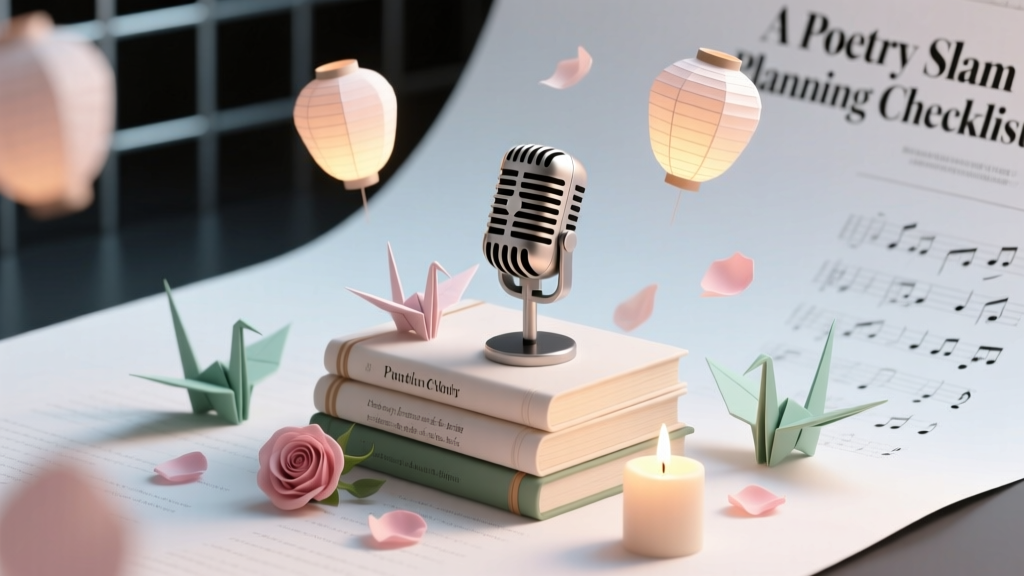
A Poetry Slam Planning Checklist
A poetry slam is one of the most energizing live events you can produce—part performance, part competition, part community gathering. It feels spontaneous from the audience’s perspective, but the best slams are anything but improvised behind the scenes. A clear event planning checklist keeps the night fair, fast-moving, and memorable for performers and guests.
Unlike many parties, a slam relies on timing, sound quality, rules, and audience flow. One late start, a mic issue, or unclear judging guidelines can throw off the entire arc of the night. Solid coordination also protects the culture of slam—respect for artists, accessibility for attendees, and a welcoming atmosphere for first-timers.
This guide gives you a step-by-step planning timeline, practical templates, budget breakdowns, vendor selection tips, and real-world examples you can adapt whether you’re hosting a small café slam or a 200-person community showcase.
Define Your Poetry Slam Vision (Before You Book Anything)
Start with the “why” and “who.” These decisions drive every later choice—from venue size to your run-of-show.
Clarify your event format
- Classic slam: performers compete; audience-selected or panel judges score each piece.
- Showcase: curated lineup; no scoring; stronger for fundraisers and brand events.
- Open mic + featured poet: community-friendly structure; ideal for venues building a regular series.
- Themed slam: love poems, social justice, comedy, youth voices, etc.; helps marketing and submissions.
Decide the scale and audience
- Capacity target: 30–60 (intimate), 80–150 (standard), 200+ (large).
- Audience makeup: students, community arts supporters, corporate team event, fundraiser attendees.
- Accessibility goals: step-free entry, seating options, ASL interpretation, captions for projected text if applicable.
Set success metrics
- Attendance goal and ticket revenue target
- Number of performers and diversity of voices
- Audience satisfaction (quick QR survey)
- Repeatability (can you run this monthly?)
Poetry Slam Planning Timeline (Step-by-Step Checklist)
Use this planning timeline template as your master checklist. Adjust the lead time based on venue availability and whether you’re working with sponsors.
6–8 Weeks Out: Foundation + Booking
- Choose a date and time
- Avoid major local events, finals week, and big sports nights if possible.
- Common sweet spot: doors at 6:30–7:00 PM; show at 7:30 PM.
- Lock the venue
- Confirm capacity, noise limits, stage area, load-in time, and curfew.
- Ask about bar/food service plans and whether you can sell tickets at the door.
- Select the slam rules
- Time limit (often 3 minutes) and grace period (e.g., 10 seconds).
- Original work policy and content notes (as appropriate for your audience).
- Scoring method (0–10, drop high/low, average, etc.).
- Build your core team
- Producer/lead coordinator
- Host/MC
- Stage manager (timing + performer flow)
- Sound/AV lead
- Door/ticketing lead
- Volunteer coordinator (if needed)
- Create your event budget (see budget section below)
- Confirm insurance/permits if required by venue or city
4–6 Weeks Out: Talent + Marketing Launch
- Open performer sign-ups
- Use a simple form (name, contact, pronouns, content warnings, accessibility needs).
- Decide: first-come-first-served, lottery, or curated list.
- Plan a waitlist.
- Book featured artist(s)
- Confirm fee, travel needs, tech needs, and a short bio/photo for promotion.
- Plan your marketing assets
- Event title, theme, date/time, location, ticket link
- One main poster graphic + 3–5 social variations
- Short promo video clip (trend: low-lift vertical video performs well)
- Launch ticketing
- Set tiered tickets: early bird, general admission, student, door price.
- Trend: QR code ticketing + simple check-in app reduces lines.
- Secure sponsors/partners (optional)
- Local bookstores, coffee shops, universities, arts councils.
- Offer: logo placement, booth table, MC shout-out, sponsored prize.
2–4 Weeks Out: Logistics + Vendor Selection
- Confirm AV needs and book vendors
- Minimum: 1–2 microphones, speakers, mixer, monitor, cables, mic stand.
- Nice-to-have: stage wash lighting, recording setup, projector for rules/schedule.
- Finalize staffing + volunteers
- Create a volunteer schedule (door, ushering, runner, merch table).
- Share a one-page role sheet for each position.
- Plan the run-of-show
- Set clear start/end times and transitions.
- Build in a short intermission to reset the room and encourage bar/merch sales.
- Order printed materials
- Signs: check-in, seating, restrooms, “silence phones,” “snap/cheer encouraged.”
- Score cards (if not digital), pens, clipboards.
- Table tent for QR code survey and social handles.
- Coordinate hospitality
- Water for performers and host.
- Green room corner (even a curtained area) for featured artists.
Week Of: Confirmation + Final Details
- Confirm vendor arrival and load-in (sound tech, photographer, security if applicable)
- Send performer info email
- Call time, parking, check-in process, rules, time limit, what to bring.
- Ask for pronunciation notes for introductions.
- Finalize judge selection plan
- Audience-based: pick 5 judges from different areas of the room.
- Panel-based: recruit 3–5 community judges; brief them on scoring consistency.
- Prepare emergency kit
- Gaffer tape, extension cords, batteries, sharpies, first aid, stain wipes, throat lozenges.
- Reconfirm ticketing/check-in
- Wi-Fi access or offline list.
- Cash box/QR payment backup if selling at the door.
Day Of: Execution Checklist
- Load-in and setup (2–3 hours before doors)
- Sound check with host mic and one performer.
- Set stage: mic stand position, water, subtle lighting, clear path on/off stage.
- Brief the team (30 minutes before doors)
- Review timing, safety, conflict escalation plan, and who makes final calls.
- Doors open
- Play low background music; keep stage mic muted to prevent feedback.
- Encourage audience to scan QR for program/rules.
- Showtime
- Host welcomes crowd, explains slam etiquette, rules, and how judging works.
- Run a “calibration poem” (a non-competitor reading) to set scoring expectations.
- Intermission
- Announce merch, upcoming dates, and sponsor thanks.
- Reset stage and confirm next set lineup.
- Awards + wrap
- Announce winner, prizes, and next event signup info.
- End with a clear closing time and thank-you.
- Strike + debrief (15–30 minutes)
- Pack gear, remove signage, settle venue payment, tip staff if applicable.
Run-of-Show Template (Real-World Example: 90-Minute Slam)
- 7:00 PM Doors open + music
- 7:30 PM Welcome, rules, etiquette (5 min)
- 7:35 PM Calibration poem + judge selection (8 min)
- 7:43 PM Round 1 (8 poets x ~4 min including transitions = ~32 min)
- 8:15 PM Intermission (10 min)
- 8:25 PM Featured poet (15 min)
- 8:40 PM Final round (3 poets x ~5 min = 15 min)
- 8:55 PM Scores, awards, announcements (5 min)
- 9:00 PM End
Coordination tip: Transitions are where slams lose time. Assign a stage manager to keep poets queued and the mic area clear.
Budget Considerations (Sample Breakdown + Cost Controls)
Poetry slam budgets vary widely. Plan around your biggest cost drivers: venue, sound, talent, and staffing. Below is a sample budget for a 120-person event.
Sample budget: 120 attendees
- Venue rental: $300–$900 (or revenue split with bar)
- Sound/AV: $250–$800 (tech + gear)
- Host/MC: $100–$300
- Featured poet fee: $200–$800
- Marketing/printing: $50–$200
- Photo/video: $150–$600
- Prizes: $50–$200 (cash, gift cards, books)
- Insurance/permits: $0–$300 (varies)
- Misc. supplies: $30–$100
Estimated total: $1,130–$4,000
Revenue options
- Ticket sales: 120 x $12 average = $1,440
- Sponsorship: $250–$1,000
- Merch/anthology: $100–$600
- Bar/food percentage: negotiated with venue
Smart cost controls (without lowering quality)
- Partner with a venue that already has a PA system.
- Use a volunteer door team, but always pay critical roles (sound tech, MC if possible).
- Trade sponsor value (logo + shout-outs) for printing or prizes.
- Trend: hybrid content capture—record clean audio and a simple wide shot, then post highlight clips for marketing the next event.
Vendor Selection Tips (Venue, Sound, Photo/Video)
Venue checklist
- Stage visibility from most seats
- Noise policy and curfew
- Accessible entrance and restrooms
- Lighting controls (can you dim house lights?)
- Green room option (even small)
- Staffing included (security, bartender, event manager)
Sound/AV vendor checklist
- Experience with spoken word (speech clarity is different from concerts)
- Wireless vs. wired mic preference (wired often more reliable)
- Monitor placement to avoid feedback
- Backup mic and spare cables
Photo/video checklist
- Low-light capability
- Clear release approach (signage or performer agreement)
- Deliverables: 10–20 edited photos + 3–5 short vertical clips
Common Poetry Slam Planning Mistakes to Avoid
- Starting late because sign-ups run long: set a firm cutoff time and communicate it everywhere.
- Unclear rules or inconsistent scoring: do a calibration poem and brief judges in plain language.
- Underestimating transitions: assign a stage manager and pre-build the lineup order.
- Poor sound clarity: prioritize the microphone and EQ for voice; do a real sound check with a poem, not just “check one-two.”
- No plan for sensitive content: provide optional content notes, empower the host with a respectful reset script, and have a quiet support space if feasible.
- Skipping accessibility planning: reserve seating options, ensure clear pathways, and share accessibility info on the event page.
- Forgetting post-event follow-up: capture emails/handles, share photos, and announce the next date while momentum is high.
Quick Reference: Poetry Slam Planning Checklist (Print-Friendly)
- Goals: format, theme, capacity, success metrics
- Venue: contract, load-in, accessibility, curfew, staffing
- Rules: time limit, scoring, eligibility, conduct expectations
- Team: producer, MC, stage manager, door lead, sound tech
- Talent: sign-ups, featured poet contract, call times
- Run-of-show: timed agenda, intermission plan, award plan
- Equipment: mics, stands, speakers, mixer, cables, lighting
- Ticketing: tiers, QR check-in, door sales backup
- Marketing: poster, social schedule, email blasts, partners
- Budget: quotes, deposits, contingency (5–10%)
- Day-of: signage, emergency kit, judge selection, survey QR
- After: vendor payments, thank-you posts, recap email, next date
FAQ: Poetry Slam Event Planning
How long should a poetry slam last?
Most successful slams run 75–120 minutes. For first-time event planning, aim for 90 minutes with one intermission to keep energy high and venue operations smooth.
Do we need official slam rules?
You need clear, written rules even for a casual community slam. Publish the basics on your event page and have the host explain them on stage so scoring feels fair and the audience knows how to participate.
How many poets should we book or accept?
For a 90-minute show, 8–12 open slam slots is usually the maximum if you want strong pacing. If you expect high demand, use a lottery and add a waitlist or plan a second date.
What’s the minimum sound setup for a small venue?
At minimum: one reliable microphone, a speaker/PA appropriate to the room, and someone who can manage levels. Spoken word requires clean vocal clarity—avoid overly loud music settings and test for feedback.
Should we sell tickets or keep it free?
Free events grow community quickly; ticketed events support paying artists and improving production. A common compromise is “pay what you can” or a low ticket price with a limited number of free/community tickets.
How do we handle recording and performer permissions?
Be transparent. Include a note in performer sign-ups and event descriptions. Offer an opt-out option (no close-ups, no posting, or no recording) and brief your photo/video vendor accordingly.
Next Steps: Turn This Checklist Into Your Event Plan
Pick your date and venue first, then work down the timeline with a shared planning document and a firm run-of-show. If you want the fastest coordination win, assign a dedicated stage manager and confirm sound support early—those two choices prevent most day-of issues.
For more party organization tips, event planning templates, and coordination guides, explore the resource library on smartpartyprep.com.
More Articles
 How to Open Madison's Phone House Party: The 7-Step Launch Sequence That Prevents Awkward Silences, Tech Glitches, and Guest Drop-Off (No App Coding Required)
What Is Link Party Monster Hunter Wilds? The Complete Guide to Hosting, Joining & Troubleshooting Co-Op Sessions Before Launch (2024)
How to Open Madison's Phone House Party: The 7-Step Launch Sequence That Prevents Awkward Silences, Tech Glitches, and Guest Drop-Off (No App Coding Required)
What Is Link Party Monster Hunter Wilds? The Complete Guide to Hosting, Joining & Troubleshooting Co-Op Sessions Before Launch (2024)
 Who Plans the Bachelor Party? The Truth Is It’s Not Just the Best Man—Here’s Exactly Who Should Take Charge (and Why 73% of Failed Parties Skip This Step)
When Is the Next Mario Party Coming Out? We’ve Tracked Every Rumor, Leak, and Official Clue So You Don’t Waste Time Waiting (2024–2025 Launch Forecast)
What Should You Wear to a Graduation Party? 7 Real-World Rules (That No One Tells You) — From Venue Type to Guest Role, Weather Swaps & Photo-Ready Styling Tips
Who Plans the Bachelor Party? The Truth Is It’s Not Just the Best Man—Here’s Exactly Who Should Take Charge (and Why 73% of Failed Parties Skip This Step)
When Is the Next Mario Party Coming Out? We’ve Tracked Every Rumor, Leak, and Official Clue So You Don’t Waste Time Waiting (2024–2025 Launch Forecast)
What Should You Wear to a Graduation Party? 7 Real-World Rules (That No One Tells You) — From Venue Type to Guest Role, Weather Swaps & Photo-Ready Styling Tips
 Is Nevada a 2 party consent state? Yes—and here’s exactly what that means for your next meeting, podcast, or client call (plus 5 critical steps to avoid lawsuits)
What Is the Party in the Electorate? Debunking 5 Myths That Confuse Students, Journalists, and Even Political Strategists — Here’s What It *Actually* Measures (and Why It Matters More Than Ever in 2024)
Is Nevada a 2 party consent state? Yes—and here’s exactly what that means for your next meeting, podcast, or client call (plus 5 critical steps to avoid lawsuits)
What Is the Party in the Electorate? Debunking 5 Myths That Confuse Students, Journalists, and Even Political Strategists — Here’s What It *Actually* Measures (and Why It Matters More Than Ever in 2024)
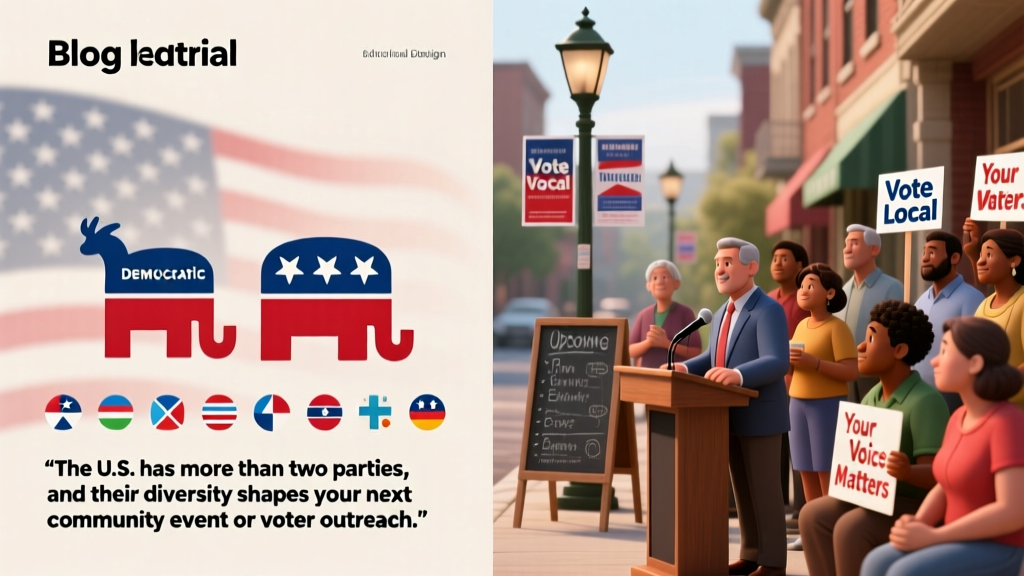 How Many Political Parties Are in the United States? The Real Number Will Surprise You — It’s Not Just Two (And Why That Matters for Your Next Community Event or Voter Outreach Campaign)
How to Design Anniversary Party Invitations That Wow Guests (Without Hiring a Designer): 7 Foolproof Steps + Free Templates & Timing Checklist
What Time Did the Boston Tea Party Happen? The Exact Hour, Date, and Why Timing Was Its Secret Weapon — Plus How to Plan Your Own Historically Accurate Commemoration
How Many Political Parties Are in the United States? The Real Number Will Surprise You — It’s Not Just Two (And Why That Matters for Your Next Community Event or Voter Outreach Campaign)
How to Design Anniversary Party Invitations That Wow Guests (Without Hiring a Designer): 7 Foolproof Steps + Free Templates & Timing Checklist
What Time Did the Boston Tea Party Happen? The Exact Hour, Date, and Why Timing Was Its Secret Weapon — Plus How to Plan Your Own Historically Accurate Commemoration