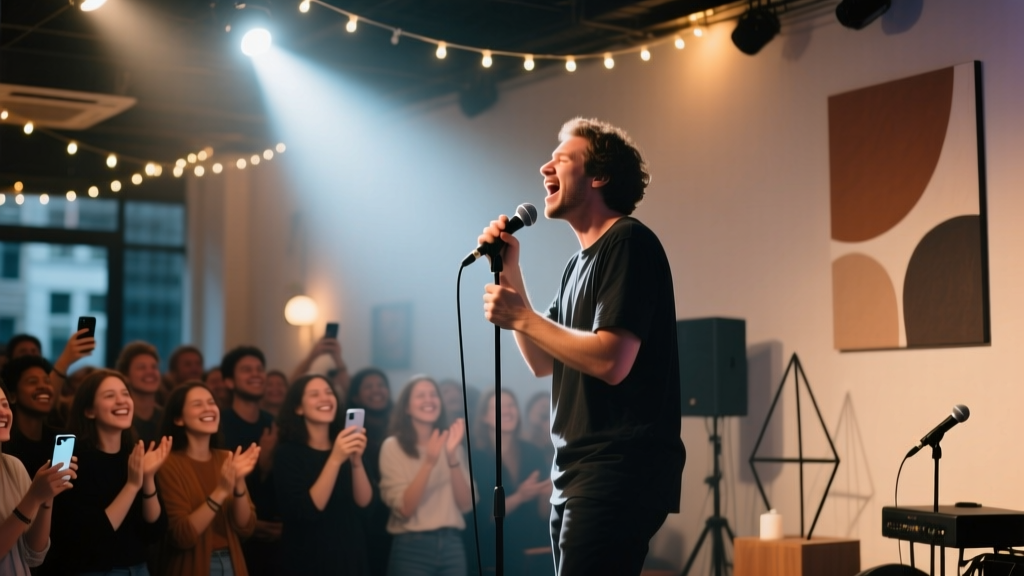
Poetry Slam Photography Tips: Plan, Coordinate, and Capture the Energy
Poetry slams move fast—one performer, one mic, one moment that lands differently every time. That’s what makes them unforgettable, and also what makes them tricky to photograph. A great poetry slam photo isn’t just technically sharp; it captures emotion, crowd reaction, stage atmosphere, and the unique story of your event. That level of coverage rarely happens by accident. It’s the result of smart event planning, clear coordination, and a photo plan that’s built into your run-of-show.
If you’re organizing a slam (at a café, community venue, school auditorium, or arts space), you’re not only managing performers and audience flow—you’re building a brand experience. Quality photos fuel your marketing: ticket sales for the next slam, sponsor decks, press outreach, social proof, and performer recruitment. Proper planning also protects the vibe; the last thing you want is a photographer blocking sightlines, flashing during a quiet piece, or missing the winner announcement because nobody told them where to stand.
This guide combines practical poetry slam photography tips with event coordination strategies so you can plan the night, hire the right team, and walk away with a consistent gallery you’ll be proud to publish.
Define the Photo Goals Before You Book Anyone
Start with the end in mind. Your photography needs will differ based on whether the slam is a recurring series, a fundraiser, a school event, or a one-time showcase.
Choose the primary deliverables
- Marketing highlights: 25–60 best images for social media and promotions
- Full event coverage: 150–400 images documenting all performers, hosts, judges, and audience energy
- Press-ready images: 10–20 editorial-style shots with clean compositions and visible signage
- Sponsor assets: Photos that clearly show sponsor logos, step-and-repeat, or branded backdrops
- Performer gallery: 1–3 strong shots per poet (great for goodwill and future sign-ups)
Create a must-have shot list (real-world example)
For a 90-minute slam with 10 poets, a host, and a DJ, a practical shot list looks like this:
- Venue exterior + signage (arrivals)
- Registration/line check-in moments
- Wide room shot before start (full crowd, stage, lighting)
- Host opening + rules explanation
- Each poet: at least 2 stage angles (tight emotional shot + wider context shot)
- Audience reactions (laughter, snaps, standing ovations)
- Judges scoring and crowd engagement
- Intermission networking / merch table / bar line (if applicable)
- Winner announcement + trophy/award moment
- Group shot of performers/volunteers
Venue and Lighting: Set the Photographer Up for Success
Poetry slams often happen in intimate venues with dramatic lighting—great for atmosphere, challenging for cameras. Build your photography plan into your venue walkthrough.
Lighting tips that work for slams
- Prioritize consistent front light: A simple warm wash on the performer’s face beats colored backlights that create silhouettes.
- Avoid fast color cycling: Rapid LED changes can cause odd skin tones and inconsistent galleries.
- Choose a “photo look” preset: One lighting cue for most performances keeps your images cohesive.
- Keep the mic position consistent: Move the mic stand slightly aside if possible so it doesn’t block faces.
Stage layout that photographs well
- Clear performance zone: Mark a subtle “sweet spot” on stage where the light is best.
- Backdrop strategy: Use a simple curtain, textured wall, or branded banner—avoid cluttered backgrounds.
- Audience sightlines: Create one designated photographer lane (side aisle) so they’re not constantly crossing in front.
Hire the Right Photography Vendor (and Brief Them Like a Pro)
Event planning trends in 2026 continue to favor fast-turn content and authentic storytelling. For a poetry slam, you want someone comfortable in low light and respectful of performance spaces.
What to look for in a slam photographer
- Low-light experience: Ask for samples from dim venues (concerts, theater, live talks).
- Silent shooting ability: Mirrorless cameras or quiet shutter modes reduce distractions.
- Storytelling instincts: Not just stage shots—crowd moments, details, energy.
- Fast delivery options: Same-night 5–10 “hero shots” for social media is a major plus.
Vendor questions to ask before booking
- How do you handle low light without flash?
- What’s your approach to color and consistency in mixed lighting?
- Can you deliver a same-night teaser set? If yes, how many and by when?
- Do you bring backup gear and extra batteries/cards?
- What are your licensing terms for promotional use?
Briefing essentials (copy/paste checklist)
- Event schedule + run-of-show
- Shot list priorities (winner, sponsor signage, performer portraits, audience)
- Do-not-miss moments and exact timing
- House rules: flash policy, where to stand, when movement is restricted
- Brand notes: preferred edits (warm, true-to-life, high contrast, black-and-white options)
- Delivery plan: teaser images + full gallery due date
Day-Of Coordination: Protect the Vibe While Getting the Shots
Your photographer should feel like part of the crew, not a disruption. Strong coordination makes this possible.
Assign a photo point-person
Choose one organizer or stage manager to communicate with the photographer so instructions don’t come from five directions. This person confirms:
- Where the photographer can move during performances
- When they should capture crowd shots vs. stage shots
- Timing for group photos and sponsor photos
Flash and noise policy (recommended for poetry slams)
- No flash during performances (unless the venue is extremely dark and performers consent)
- Allow flash only for: step-and-repeat arrivals, posed group shots, post-show portraits
- Use silent shutter modes when possible
Capture authentic moments without staging everything
Today’s event marketing trends favor candid, documentary-style images. Encourage the photographer to watch for:
- Hands snapping, cheering, laughing, and emotional reactions
- Performers centering themselves backstage or at the side
- Volunteer moments (checking in guests, organizing ballots)
- Detail shots: mic, stage sign, scorecards, merch table, sponsor materials
Step-by-Step Planning Timeline and Photography Checklist
Use this timeline template to integrate photography into your event planning process.
6–8 weeks before: Foundation and booking
- Lock venue, date, and start/end time
- Confirm stage layout, lighting options, and sound setup
- Create a preliminary run-of-show (including breaks and winner announcement)
- Set photography goals (highlights vs. full coverage)
- Request quotes from 2–3 photographers and review low-light portfolios
- Plan sponsor placements (banners, step-and-repeat, table signage)
3–4 weeks before: Logistics and shot planning
- Finalize shot list and priority moments
- Confirm performer count and performance order (if known)
- Coordinate access: load-in time, backstage areas, VIP sections
- Draft photo release language (if required by venue/school policies)
- Align social media plan with deliverables (teasers, next-day carousel, recap post)
1–2 weeks before: Rehearsal-level details
- Do a venue walkthrough (or request photos/video of the stage)
- Confirm lighting “photo look” preset and test mic placement
- Share final run-of-show and contact list with photographer
- Designate photo point-person and review movement rules
- Prepare signage and sponsor placements for visibility in photos
Event day: Execution checklist
- Photographer arrival 60–90 minutes early for setup shots
- Capture empty-room wide shots before doors open
- Confirm “no flash during performances” policy with staff
- Verify key moments timing (welcome, intermission, final, winner)
- Build 5 minutes into the run-of-show for group photos (optional but recommended)
- Send 1–2 “must-post tonight” priorities (winner, packed room, headline performer)
24–72 hours after: Follow-through and marketing
- Receive teaser set and post within 12–24 hours if possible
- Tag performers, venue, sponsors (use agreed handles)
- Organize a shared folder for performers (optional)
- Update your event recap page and email list with best photos
- Save hero images for next event’s ticketing page
Budget Considerations: What to Expect and Where to Spend
Photography pricing varies by market, experience, and deliverables. Build a budget that matches how you’ll use the images (promo-only vs. full archival coverage).
Typical budget ranges (general guidance)
- Newer photographer / simple coverage: 2–3 hours, highlights only
- Experienced event photographer: 3–5 hours, full gallery + basic edits
- Premium coverage: 4–6 hours, same-night teasers, fast turnaround, possible second shooter
Sample budget breakdown for a mid-size poetry slam
- Photography: 12–18% of total event budget
- Lighting upgrades (small fixtures or rental): 5–10%
- Backdrop/signage for brand consistency: 3–8%
- Content management: 0–5% (tools, gallery hosting, or a social media assistant)
Smart ways to save without sacrificing quality
- Shorten coverage to the highest-impact window (e.g., doors to winner announcement).
- Skip overly complex lighting and invest in one flattering front wash.
- Ask for a small teaser set + a curated final gallery instead of every frame.
- Use a volunteer for behind-the-scenes phone clips while the pro handles hero shots.
Real-World Example: A Photo Plan That Works
Scenario: A monthly poetry slam in a 120-person arts café with moody lighting, one host, and 8–12 performers.
- Coverage booked: 3.5 hours (setup + arrivals + full show + winner)
- Movement plan: Photographer stays in side aisle during performances; moves to center only during applause.
- Lighting plan: Warm front wash; minimal color changes; dim audience lights for atmosphere but not blackout.
- Deliverables: 10 teasers same night + 180 edited images in 5 days
- Marketing use: One recap album, 3 performer spotlights, sponsor thank-you post, next month’s ticket banner
Common Poetry Slam Photography Planning Mistakes to Avoid
- No run-of-show shared with the photographer: Leads to missed winner photos and incomplete performer coverage.
- Overly dramatic lighting with no face light: Produces silhouettes and unusable images.
- Unclear flash policy: Creates tension with performers and disrupts quiet moments.
- Cluttered backgrounds: Distracts from the poet and makes sponsor branding disappear.
- Forgetting audience shots: A slam’s energy lives in reactions—plan for it.
- No plan for image usage rights: Always confirm promotional usage, sponsor usage, and submission to press.
FAQ: Poetry Slam Photography Tips for Event Planners
Do I need a professional photographer, or can phones handle it?
Phones can capture fun behind-the-scenes content, but low-light stage photos are where phones struggle. If you want consistent promotional images for future events, booking a pro is worth it. A hybrid approach works well: pro for stage + a volunteer for vertical stories.
Should flash ever be allowed during a poetry slam?
Usually no during performances. Flash can break concentration and distract the audience. If you need flash, reserve it for arrivals, sponsor wall portraits, and post-show group shots with performer consent.
How many photos should I expect from a 2–3 hour slam?
A practical range is 75–200 edited images depending on performer count and whether you want extensive crowd coverage. Ask for a minimum guarantee (for example, “at least 120 edited images”).
What’s the best setup for sponsor visibility in photos?
Use a clean step-and-repeat or a simple branded banner near a well-lit area for posed photos. For on-stage visibility, place a small logo sign on the mic stand base or stage front—subtle but readable.
How fast should photos be delivered for marketing impact?
Same-night teasers (5–10 images) help you post while excitement is high. Aim for the full gallery within 3–7 days so performers and sponsors can share while the event is still fresh.
Do I need photo releases from audience members?
Rules vary by venue and region. Many public events use signage at entry stating that photography/video occurs for promotional purposes. For schools or youth events, get guidance from your venue or district and use formal releases as required.
Next Steps: Turn These Tips Into a Photo-Ready Event Plan
To plan a poetry slam that looks as powerful as it feels, start by setting clear deliverables, building a realistic shot list, and coordinating lighting and movement rules with your venue. Then book a photographer with proven low-light experience, share your run-of-show early, and assign a single point-person to keep day-of communication smooth.
- Draft your shot list and run-of-show today
- Schedule a quick venue walkthrough focused on lighting and backgrounds
- Request 2–3 photography quotes and compare deliverables (not just price)
- Add same-night teasers to your marketing plan for stronger post-event momentum
Want more practical event planning checklists, vendor tips, and coordination templates? Explore more guides on smartpartyprep.com and keep building events that run smoothly and look incredible.
More Articles
 What Is a Brown Paper Bag Party? The Truth Behind This Trendy, Low-Key Gathering That’s Taking Over Backyards and Basements (No, It’s Not What You Think)
What Is Third Party Sales? The Hidden Revenue Leak (and How Smart Event Planners Fix It in Under 48 Hours)
What Is a Brown Paper Bag Party? The Truth Behind This Trendy, Low-Key Gathering That’s Taking Over Backyards and Basements (No, It’s Not What You Think)
What Is Third Party Sales? The Hidden Revenue Leak (and How Smart Event Planners Fix It in Under 48 Hours)
 What Is a Centrist Political Party? The Truth Behind the 'Middle Ground' Label — Why Most People Misunderstand Its Power, Pitfalls, and Real-World Impact in Today’s Polarized Elections
What to Wear to a Gatsby Party: The 7-Step Dress Code Decoder (No More Guesswork, No Costumes, Just Effortless Jazz Age Elegance)
How Long to Grill Party Wings? The Exact Timing Guide That Prevents Dry, Burnt, or Undercooked Disasters (Plus Pro Tips for 50+ Guests)
What Was Alexander Hamilton's Political Party? The Truth Behind the Federalists — Why Most People Confuse His Role With Jefferson’s Democratic-Republicans (and Why It Still Shapes Today’s Political Divides)
What Is a Centrist Political Party? The Truth Behind the 'Middle Ground' Label — Why Most People Misunderstand Its Power, Pitfalls, and Real-World Impact in Today’s Polarized Elections
What to Wear to a Gatsby Party: The 7-Step Dress Code Decoder (No More Guesswork, No Costumes, Just Effortless Jazz Age Elegance)
How Long to Grill Party Wings? The Exact Timing Guide That Prevents Dry, Burnt, or Undercooked Disasters (Plus Pro Tips for 50+ Guests)
What Was Alexander Hamilton's Political Party? The Truth Behind the Federalists — Why Most People Confuse His Role With Jefferson’s Democratic-Republicans (and Why It Still Shapes Today’s Political Divides)