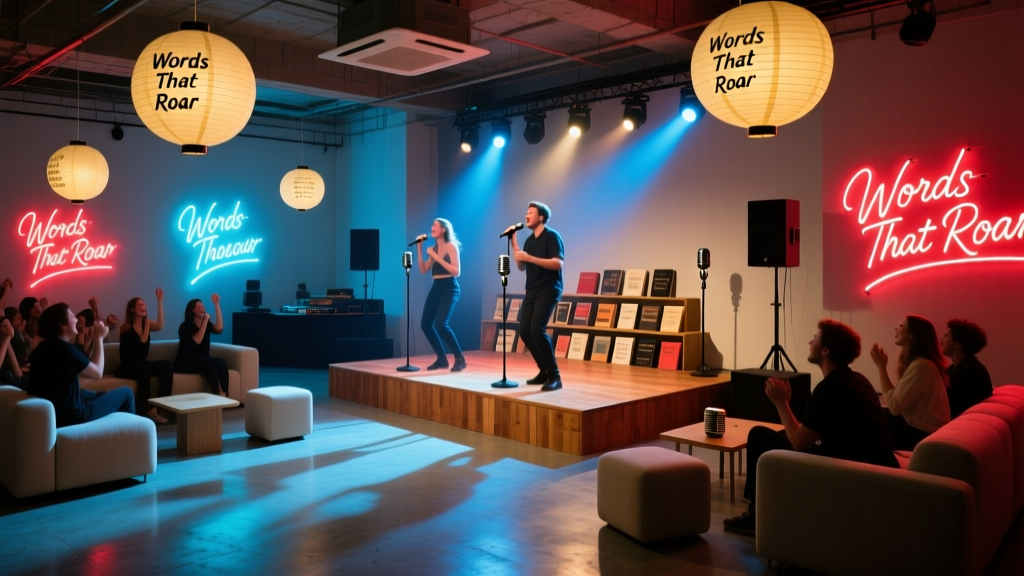
Poetry Slam Entertainment Ideas: Plan a High-Energy, Well-Run Event Guests Will Talk About
A poetry slam can be one of the most memorable forms of live entertainment you can host—equal parts performance, community, and friendly competition. But the same things that make slams exciting (spontaneity, emotion, audience participation) can also make them tricky to coordinate without a solid plan. When logistics are shaky, the night can slide into long pauses, unclear rules, and an audience that loses momentum.
Proper planning keeps the focus where it belongs: on powerful writing and unforgettable performances. With a clear run-of-show, the right sound setup, and a structure that respects both performers and guests, you can create an event that feels electric and effortless. This guide shares practical poetry slam entertainment ideas, a step-by-step planning timeline, budget ranges, vendor tips, and proven organizational strategies so you can plan with confidence.
What Makes a Poetry Slam “Work” as Entertainment?
A poetry slam isn’t just an open mic. The entertainment value comes from pacing, audience engagement, and a consistent format. Build your event around these elements:
- Clear structure: performance order, time limits, scoring method, and transitions.
- High energy hosting: an emcee who can warm up the room, keep time, and reset the tone between pieces.
- Audio clarity: poetry depends on words; a weak sound system breaks the experience.
- Audience participation: judges, call-and-response, themed prompts, or interactive voting.
- Respect for performers: fairness, safety, and an inclusive environment increase participation and quality.
Poetry Slam Formats and Entertainment Concepts
1) Classic Competitive Slam (3-Minute Sets)
This is the traditional slam format and works well for public events, fundraisers, and community nights.
- Time limit: 3 minutes per poem (plus a 10-second grace period if you choose).
- Judging: 5 audience judges scoring 0–10; drop the high and low score.
- Rounds: 2–3 rounds depending on number of poets.
- Entertainment add-on: play a 15–20 second music sting between poets to keep energy up.
2) Team Slam (Great for Corporate Events or Schools)
Teams create built-in camaraderie and make participation less intimidating.
- Teams of 3–5 perform group pieces, alternating voices.
- Assign themes tied to your event: innovation, gratitude, community impact, etc.
- Use a “relay poem” round where each teammate performs a short section.
3) Curated Slam + Featured Headliner
One of the most reliable entertainment structures for weddings, galas, and ticketed events is a curated lineup.
- Start with a featured poet (10–15 minutes) to set the tone.
- Follow with a mini-slam of pre-selected performers.
- Close with a community open mic (shorter slots) if time allows.
Real-world example: A nonprofit fundraiser books a local spoken-word artist as the headliner, then runs an 8-poet mini-slam. During tallying, a sponsor message and a short jazz interlude keep the room engaged.
4) Themed Poetry Slam (Most Popular Trend for 2025)
Themed events are a major event planning trend because they simplify marketing, décor, and participation. Strong themes also help shy guests contribute.
- Theme ideas: “Love & Loss,” “Firsts,” “City Stories,” “Future Letters,” “Joy as Resistance,” “Workplace Wins,” “Myth & Memory.”
- Interactive twist: set out prompt cards on tables and invite guests to submit themes for a wildcard round.
5) Silent Poetry Slam (Headphones + Intimate Performance)
Borrowing from silent disco trends, silent slams are ideal for venues with noise constraints or multiple event zones.
- Guests wear headphones; performer mic feeds directly to transmitters.
- Creates a focused listening experience even in busy spaces.
- Best for: museums, conference receptions, shared venues, outdoor events with sound limits.
6) Poetry + Live Music Pairings
Pair poets with musicians for a textured, professional feel. This concept works especially well for upscale parties.
- Use a house band (keys/bass/percussion) or a single instrumentalist (cello, guitar, sax).
- Rehearse 1–2 cues: intro swell, soft underscore, and a clean ending.
- Keep the music supportive—lyrics can compete with spoken word.
Audience Engagement Ideas That Elevate the Night
Audience engagement is a cornerstone of successful event coordination for a poetry slam. Choose 2–3 engagement tactics so the night feels interactive without getting chaotic.
- Audience judge “paddles”: printed 0–10 cards at each judge seat.
- QR code voting: quick crowd choice award (separate from judge scoring to avoid delays).
- “Snap” practice: teach guests snapping instead of heckling; it sets respectful culture.
- Compliment wall: a poster or digital form where guests leave notes for poets.
- Prompt jar: wildcard round where poets draw a surprise theme (optional, only if performers agree).
- Community moment: a 60-second “write break” with a simple prompt; guests can share one line.
Step-by-Step Planning Timeline (With Checklist)
Use this planning timeline template for smooth party organization and a strong guest experience. Adjust based on event size and whether it’s ticketed.
6–8 Weeks Out: Foundation and Booking
- Define goals: fundraiser, community building, celebration, employee engagement, or ticketed entertainment.
- Choose format: classic slam, team slam, curated + headliner, themed, silent slam.
- Set budget and pricing (if ticketed).
- Book venue and confirm capacity, sound rules, and load-in times.
- Recruit or book:
- Emcee/host
- DJ or music support (optional)
- Sound tech (recommended)
- Photographer/videographer (optional)
- Create the rule sheet (time limits, scoring, content guidelines, eligibility).
- Open performer sign-ups (online form) and publish deadlines.
3–5 Weeks Out: Program Design and Promotion
- Finalize run-of-show and rough performer count per round.
- Design promotional assets: flyer, event page, QR code for tickets/RSVP.
- Confirm AV needs:
- 2 microphones (primary + backup)
- Speaker setup sized for the room
- Simple stage lighting or spotlights
- Timer visible to host (phone + stand or a small digital timer)
- Plan seating layout:
- Cabaret rounds for intimate engagement
- Clear center aisle for performer access
- Judge seats with good sightlines
- Decide awards/prizes (gift cards, trophies, sponsor items).
1–2 Weeks Out: Confirmations and Detail Coordination
- Confirm all vendor arrival times and contacts.
- Send performer info packet:
- Check-in time and location
- Rules and scoring explanation
- Content boundaries (if any) and trigger warnings policy
- Parking/load-in instructions
- Print materials:
- Run-of-show for staff
- Judge score sheets
- Table signs and QR codes
- Simple program (optional)
- Build a staffing plan: host, stage manager/timekeeper, scorekeeper, check-in lead, floor support.
48 Hours Out: Final Prep
- Finalize performer list and create the lineup order (plus 2 alternates).
- Prepare a “filler toolkit” for transitions:
- Short playlist
- Two 30-second sponsor shoutouts
- One audience prompt activity
- Confirm venue walk-through or arrival window.
Day-Of Checklist (Operational)
- Sound check: mic levels, feedback control, monitor speaker if needed.
- Set stage: mic stand, water, timer, small side table, safe cable taping.
- Check-in station: performer list, pens, wristbands (optional), judge paddles/cards.
- Brief the team:
- How scoring works
- Who announces poets
- Where poets queue
- How to handle a no-show
- Host pre-show welcome: explain snapping, respectful listening, filming rules, and schedule.
Sample Run-of-Show (90 Minutes)
- 0:00–0:05 Welcome + rules + judge selection
- 0:05–0:10 Host warm-up + calibration poem (non-competing poet)
- 0:10–0:40 Round 1 (8 poets x ~3 minutes + transitions)
- 0:40–0:50 Break / music / sponsor message
- 0:50–1:15 Round 2 (top 4 poets)
- 1:15–1:25 Featured performer or open mic mini-set
- 1:25–1:30 Awards + closing + photos
Budget Considerations (With Practical Ranges)
Costs vary widely based on city, venue, and whether you book professionals. Use this sample budget breakdown to plan your event budget with fewer surprises.
Budget Breakdown Examples
- Low-budget community slam (50–80 guests): $300–$900
- Venue: $0–$300 (library/community space)
- Basic sound: $0–$150 (borrowed) or $150–$300 (rental)
- Host stipend: $75–$200
- Prizes: $50–$150
- Printing/signage: $25–$75
- Mid-range ticketed slam (100–150 guests): $1,200–$3,500
- Venue: $400–$1,200
- Sound tech + equipment: $300–$900
- Featured poet: $250–$800
- Photography: $200–$600
- Décor/lighting accents: $50–$300
- Marketing: $50–$250
- Premium corporate or gala-style slam: $4,000–$12,000+
- Production (pro AV + lighting): $1,500–$6,000
- Talent (headliner + host): $1,000–$5,000
- Staging/backdrop: $300–$2,000
- Video capture/streaming: $500–$3,000
Where to Spend for Maximum Impact
- Sound first: clear audio is the difference between “okay” and “goosebumps.”
- Host/emcee: a skilled emcee keeps the pacing tight and the audience engaged.
- Lighting accents: even two LED uplights and a spotlight elevate perceived quality.
Vendor Selection Tips (AV, Host, Venue)
AV and Sound Technician
- Ask if they’ve mixed spoken word, panels, or comedy (similar needs: clarity, feedback control).
- Confirm they will provide:
- Backup microphone
- Extra cables/batteries
- Quick sound check on arrival
- Vendor red flag: they treat it like a loud concert mix instead of voice-forward audio.
Choosing the Right Host (Emcee)
- Look for someone comfortable with crowd work and clear rule explanations.
- Ask for a short script sample or past event clip.
- Make sure they can handle sensitive moments with professionalism.
Venue Fit Checklist
- Low ambient noise and controllable lighting
- Simple stage area with sightlines
- Easy load-in and parking for performers/vendors
- Clear policies on content, filming, and alcohol (if applicable)
Common Poetry Slam Planning Mistakes (And How to Avoid Them)
- Unclear rules: Publish the rule sheet ahead of time and have the host repeat it briefly on stage.
- Too many performers for the time: Cap sign-ups or switch to a curated lineup. A common planning sweet spot is 8–12 poets for a 90-minute event.
- No timekeeper: Assign a dedicated timekeeper with a visible timer and a simple cue system.
- Slow scoring transitions: Use a scorekeeper table and a consistent method (paper tally or spreadsheet).
- Ignoring accessibility: Provide step-free stage access when possible, reserved seating, and clear mic height adjustments.
- Not setting a respectful culture: Share audience expectations (snapping encouraged; heckling not) and define how you’ll handle disruptions.
Real-World Setup Ideas You Can Copy
Coffeehouse Slam (Cozy + High Margin)
- Layout: cabaret tables, warm lighting, small stage corner
- Entertainment flow: featured poet → 6-person slam → open mic
- Revenue: ticket + beverage sales
Conference Reception Slam (Fast + Structured)
- Layout: theater seating, strong center aisle, branded backdrop
- Format: team slam by departments with a “company values” theme
- Tip: keep it to 60 minutes and use QR voting for a “People’s Choice” award
FAQ: Poetry Slam Event Planning
How long should a poetry slam last?
Most successful events run 60–120 minutes. For first-time planners, 90 minutes is a reliable target that keeps energy high without draining the room.
Do we need judges, or can it be non-competitive?
You can absolutely run a non-competitive spoken word night. If you want slam energy without pressure, offer both: a friendly scored portion plus an open mic segment.
What equipment is essential for spoken word?
At minimum: one quality microphone, a backup mic, a speaker system sized for the venue, and a timer. If your room is large, add a monitor speaker so poets can hear themselves.
How do we handle sensitive content or trigger warnings?
Set expectations in your performer packet and host script. Offer an optional content note before poems, and designate a staff lead to support guests if someone needs a break.
How many performers should we schedule?
For a 90-minute event, plan for 8–12 poets total (including rounds). More than that typically causes long waits and rushed transitions unless you extend the program.
What’s the best way to keep the audience engaged between poets?
Use a tight host script, short music stings, and a scorekeeper who can collect totals quickly. A sponsor shoutout or a 30-second writing prompt also works well as “transition entertainment.”
Next Steps: Turn Your Poetry Slam Idea Into a Smooth, Sellout Night
Start by choosing your format (classic slam, team slam, curated + headliner, themed night), then lock in your venue and sound plan early. Build your run-of-show around pacing, assign a dedicated timekeeper and scorekeeper, and keep your performer count realistic for the time you have. With the right structure, your event will feel both organized and alive—exactly what great spoken word deserves.
For more step-by-step event planning, party organization checklists, and coordination tips, explore additional guides on smartpartyprep.com.
More Articles
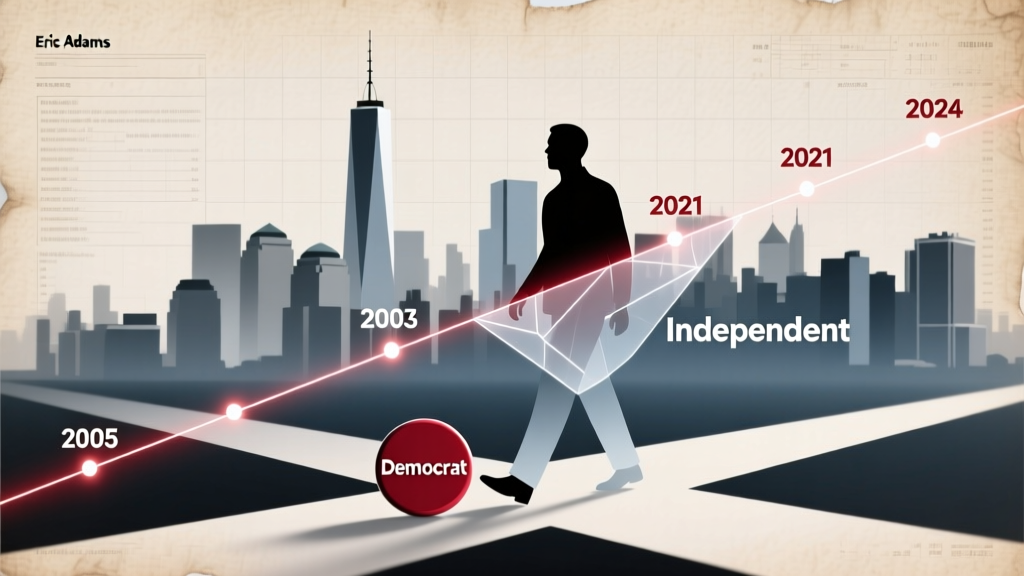 Did Eric Adams Change Parties? The Truth Behind His Political Affiliation Timeline — Debunking Viral Claims, Official Records, and What It Means for NYC Voters in 2025
 Stop Wasting Hours Scrolling: The 7 Best Verified Party Places in Campbell, CA (2024 Local Guide with Real Reviews, Pricing & Availability Tips)
What Is Third Party Sale? The Hidden Risk Every Event Planner & Venue Owner Overlooks (And How to Protect Your Revenue, Reputation, and Contracts)
How to Plan a Sweet 16 Birthday Party Without Losing Your Mind (or Your Budget): A Stress-Tested 7-Step Blueprint That Cuts Planning Time by 60% and Prevents 92% of Last-Minute Disasters
Stop Wasting Hours Scrolling: The 7 Best Verified Party Places in Campbell, CA (2024 Local Guide with Real Reviews, Pricing & Availability Tips)
What Is Third Party Sale? The Hidden Risk Every Event Planner & Venue Owner Overlooks (And How to Protect Your Revenue, Reputation, and Contracts)
How to Plan a Sweet 16 Birthday Party Without Losing Your Mind (or Your Budget): A Stress-Tested 7-Step Blueprint That Cuts Planning Time by 60% and Prevents 92% of Last-Minute Disasters
 What Party Is Senator John Kennedy? The Truth Behind the Confusion — And Why So Many People Mix Up His Affiliation With Louisiana Politics, National Trends, and Historical Namesakes