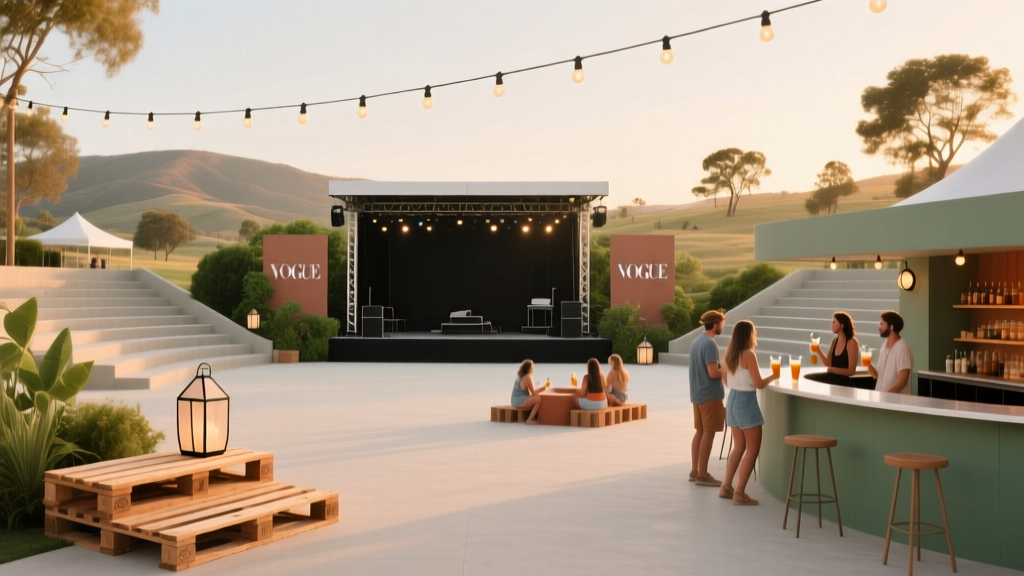
Music Festival Venue Ideas: Practical Options, Planning Timeline, and Pro Tips
Picking the right venue is the foundation of a successful music festival. It influences everything: sound quality, crowd flow, safety, vendor logistics, permit requirements, and ultimately the experience guests talk about afterward. A great lineup can’t save a venue that bottlenecks at entrances, overwhelms parking, or can’t support production power needs.
Music festivals also carry more moving parts than most event planning projects—multiple performance areas, coordinated load-ins, back-of-house operations, food and beverage service, and risk management. With proper event coordination, you can turn a blank space into a memorable festival environment that feels intentional, safe, and easy to navigate.
This guide shares venue ideas (from classic outdoor fields to unconventional urban spaces), step-by-step planning timelines, budget considerations, vendor selection tips, common mistakes to avoid, and real-world examples to help you plan with confidence.
Start With a Venue Brief: Your Non-Negotiables
Before touring spaces, create a simple venue brief. This keeps your event organization tight and helps you compare venues apples-to-apples.
Key questions to answer first
- Attendance target: 300? 3,000? 20,000? Define ticket capacity plus staff/vendors.
- Festival format: One-day vs. multi-day, single stage vs. multi-stage, indoor/outdoor mix.
- Music profile: Bass-heavy EDM needs different sound containment than acoustic or jazz.
- Schedule: Daytime-only, late-night, curfew restrictions, load-in/load-out windows.
- Audience experience: All-ages vs. 21+, VIP areas, camping, accessibility standards.
- Operational requirements: Power, water, staging, restrooms, waste management, Wi-Fi/cellular.
- Permits and compliance: Noise ordinances, fire marshal requirements, alcohol licensing, health permits.
Site evaluation checklist (quick tour tool)
- Entrance capacity and queue space (multiple gates possible?)
- Emergency access roads (clear width, turning radius)
- Terrain and drainage (mud risk; slope impacts sightlines and ADA access)
- Noise impact (neighbors, reflective buildings, curfew)
- Power availability (on-site power vs. generator plan and fuel logistics)
- Backstage compound space (trailers, green rooms, secure storage)
- Parking and transportation (rideshare zones, public transit, shuttle routes)
- Restroom placement and service routes for pump trucks
- Vendor load-in paths (separate from attendee routes)
Music Festival Venue Ideas (With Pros, Cons, and Best-Use Scenarios)
1) City Park or Municipal Green Space
Why it works: Central, familiar, usually has existing pathways and public transit access—ideal for community-friendly festivals.
- Pros: Built-in foot traffic, recognizable location, possible city support, existing lighting and utilities in some parks.
- Cons: Strict permit rules, noise curfews, turf protection requirements, limited load-in access.
- Best for: 500–10,000 attendees, daytime events, multi-genre lineups, family-friendly programming.
Practical tip: Ask about “turf recovery” deposits and irrigation schedules—these can affect your budget and teardown timeline.
2) Fairgrounds or Expo Centers (Outdoor + Indoor Options)
Why it works: Designed for crowds. Fairgrounds often have existing fencing, bathrooms, parking lots, and vendor infrastructure.
- Pros: Strong logistics, ample parking, easier load-in, flexible stage placement.
- Cons: Rental fees can be higher; may feel less “unique” without strong creative production.
- Best for: Multi-stage festivals, food/vendor-heavy concepts, mixed indoor/outdoor programming.
Trend to use: Create “micro-zones” (local maker row, silent disco, wellness lounge) to add personality and improve crowd distribution.
3) Rural Field, Farm, or Private Estate
Why it works: Maximum flexibility for layout, camping, and immersive experiences—if you plan infrastructure well.
- Pros: Fewer neighbor noise issues, space for camping, custom build-outs.
- Cons: You must bring everything (power, water, restrooms, fencing), and weather risk is higher.
- Best for: Boutique festivals, weekend camping festivals, genre-specific gatherings.
Practical tip: Require a drainage and ground compaction assessment if heavy trucks will enter. Wet ground can shut down production fast.
4) Amphitheater or Outdoor Concert Venue
Why it works: Purpose-built for sound and sightlines, with professional backstage facilities.
- Pros: Strong acoustics, existing rigging and lighting, experienced venue staff.
- Cons: Less flexibility with vendor mix and branding; higher staffing and union requirements may apply.
- Best for: Ticketed concerts that need festival-style add-ons (food village, sponsor activations).
5) Warehouse District or Industrial Venue (Outdoor Courtyards + Indoor Halls)
Why it works: Urban edge, weather backup options, and strong late-night potential depending on local ordinances.
- Pros: Built-in power, easier lighting control, unique aesthetic for branding and content.
- Cons: Noise and neighbor considerations, egress requirements, limited parking.
- Best for: 500–5,000 capacity festivals, electronic music, art-forward concepts.
Trend to use: Content-first layouts (photo moments, interactive installations) that support organic social sharing without disrupting flow.
6) Waterfront Promenade, Marina, or Beachfront Lot
Why it works: Natural scenery elevates the guest experience and sponsor appeal.
- Pros: High “wow factor,” strong day-to-night atmosphere, great for VIP hospitality.
- Cons: Wind impacts sound and staging, salt air affects equipment, extra safety planning near water.
- Best for: Summer festivals, lifestyle festivals with wellness/food components.
Practical tip: Build wind thresholds into your production plan (e.g., when to lower banners, pause overhead elements, or adjust speaker arrays).
7) College Campus or Stadium Adjacent Lots
Why it works: Built for large crowds and logistics; may offer multiple venues for stages and aftershows.
- Pros: Strong security infrastructure, parking, restrooms, potential student audience.
- Cons: More stakeholders, stricter policies on alcohol and sponsorships.
- Best for: Large-capacity festivals, brand partnerships, daylong programs.
8) Downtown Street Closure or Plaza Takeover
Why it works: Creates a citywide “moment” and supports local businesses.
- Pros: High visibility, walk-up attendance, strong community engagement.
- Cons: Complex permitting, traffic control costs, stricter sound windows.
- Best for: Local music festivals, cultural events, multi-stage mini-fest concepts.
Practical tip: Plan “sound zones” by genre and speaker direction to avoid stage bleed in a compact urban grid.
Real-World Venue Match Examples
- Boutique indie festival (1,200 guests): A farm with camping + two small stages. Add a shaded lounge area, curated food trucks, and a simple sponsor row. Prioritize restroom servicing and shuttle operations.
- City summer festival (6,000 guests): Municipal park + street closure for vendor village. Use timed entry waves and multiple gate scanners to reduce lines. Add family zone and quiet space for accessibility.
- Electronic warehouse fest (2,500 guests): Industrial complex with indoor main room + outdoor courtyard stage. Emphasize ventilation, noise containment, and clear egress routes. Build a rideshare lot plan to avoid neighborhood congestion.
Step-by-Step Planning Timeline (12 Weeks to Festival Day)
12–10 weeks out: Foundation + feasibility
- Define festival concept, capacity, and target ticket price.
- Shortlist 3–6 venues; confirm availability and curfew.
- Request venue rules, required vendors, insurance minimums, and load-in schedules.
- Start permit conversations (city, parks department, fire marshal, health department).
- Draft site map v1: stages, gates, vendor area, medical, restrooms, backstage.
9–7 weeks out: Lock venue + core vendors
- Sign venue contract; confirm deposit schedule and cancellation terms.
- Book staging, sound, lighting, and power (generator) partners.
- Secure security provider and medical/EMS plan.
- Plan ticketing and access control (RFID or barcode scanning).
- Develop sponsor inventory (stage naming, VIP, lounges, branded water stations).
6–4 weeks out: Operations + guest experience
- Finalize site map v2 with emergency access and egress routes.
- Order rentals: barricade, fencing, tents, tables, chairs, radios.
- Confirm restroom counts and service schedule.
- Coordinate food and beverage vendors; confirm permits and load-in rules.
- Publish attendee info: parking, prohibited items, set times, accessibility details.
3–2 weeks out: Final confirmations
- Run a full production meeting: venue + production + security + medical + vendors.
- Confirm staffing plan and volunteer training schedule.
- Create weather and emergency action plans (EAP).
- Print signage: wayfinding, schedules, sponsor boards, policies.
- Confirm neighborhood communication plan if applicable (noise, traffic notices).
Festival week: Execution
- Load-in schedule by zone (stage, vendors, bars, signage, backstage).
- Radio check and communication tree (who calls whom for what).
- Safety walk-through with fire marshal/inspector if required.
- Final site sweep: trip hazards, cable ramps, lighting after dark, exit signage.
- Daily debriefs (multi-day): what to fix by morning.
Festival Planning Checklist (Copy/Paste Template)
- Venue: contract, site rules, curfew, capacity, load-in/out access
- Permits: assembly/event permit, sound permit, alcohol license, food permits, street closure
- Insurance: general liability, liquor liability (if needed), workers’ comp, COIs for vendors
- Production: stage, PA, lighting, backline, generators, fuel plan, cable ramps
- Site infrastructure: fencing, barricade, tents, flooring (if needed), signage, trash/recycling
- Staffing: security, medical, box office, stage managers, runners, volunteers
- Guest services: ADA routes, accessible viewing, info booth, lost & found, water stations
- Vendor management: load-in schedule, vendor agreements, menu approvals, fire safety compliance
- Ticketing: scanning devices, wristbands, VIP access control, re-entry policy
- Transportation: parking plan, rideshare zone, shuttle plan, traffic control
- Risk planning: weather plan, EAP, incident logs, evacuation routes
- Post-event: cleanup, deposit recovery, settlement reports, vendor feedback
Budget Considerations: Sample Breakdown (Mid-Size Festival)
Every market differs, but this percentage model helps you build a realistic event budget and protect your profit margin.
- Venue + permits: 10–20%
- Production (stage/sound/lighting/video): 20–35%
- Talent + hospitality: 15–30%
- Security + medical + safety: 8–15%
- Infrastructure rentals (fencing, tents, restrooms): 10–18%
- Staffing + ops (radios, golf carts, supplies): 5–10%
- Marketing + ticketing fees: 5–12%
- Waste management + cleanup: 2–6%
- Contingency reserve: 8–12%
Budget-saver moves that don’t hurt guest experience
- Use smart zoning: One strong main stage + one smaller community stage instead of two equal-cost stages.
- Share infrastructure: Centralized power distribution, shared lighting towers, consolidated back-of-house.
- Right-size restrooms: Meet guidelines without over-ordering; add handwash stations strategically to reduce bottlenecks.
- Sponsor practical amenities: Water refill station, shade lounge, phone charging—high-value, guest-friendly.
Vendor Selection Tips (Production, Security, F&B, Rentals)
How to choose the right production partner
- Ask for festivals they’ve supported at your scale (not just concerts).
- Confirm power draw estimates and generator sizing assumptions.
- Request a patch plan and stage plot review early to avoid last-minute costs.
- Ensure they can provide redundant critical gear (spare mics, backup playback, extra cables).
Security and medical: prioritize experience and communication
- Look for teams that provide a written staffing plan by zone (gates, pit, perimeter, VIP).
- Confirm radio compatibility and incident reporting process.
- Ask how they handle queue management and de-escalation—key for guest satisfaction.
Food and beverage vendor coordination
- Require certificates of insurance, health permits, and fire extinguisher compliance.
- Curate variety (vegetarian/vegan, gluten-free, non-alcoholic options).
- Plan vendor placement based on foot traffic and lines—avoid blocking main pathways.
Current Trends That Improve Festival Operations
- Cashless payments: Faster transactions; reduced theft risk. Provide a top-up/assistance booth for accessibility.
- Timed entry waves: Reduces gate surges and improves first impressions.
- Experience design zones: Quiet areas, wellness corners, local art installations—boost dwell time and comfort.
- Sustainability planning: Water refill stations, clear recycling/landfill signage, vendor compostables where feasible.
- Real-time communication: QR-code info boards, SMS alerts for schedule updates, weather, or gate changes.
Common Music Festival Planning Mistakes to Avoid
- Underestimating ingress/egress: Not enough gates, scanners, or queue space creates immediate frustration and safety risk.
- Ignoring sound bleed: Two stages too close can ruin both sets. Build in distance, speaker direction, and scheduling strategy.
- Skipping a weather plan: Heat, wind, lightning, and rain need specific triggers and action steps—not vague intentions.
- Forgetting service routes: Restroom pump trucks, trash removal, vendor resupply must move without crossing crowds.
- Overcomplicating the layout: Guests want intuitive navigation. Over-zoning without wayfinding signage increases confusion.
- No contingency budget: Last-minute barricade needs, extra staffing, or weather mitigation costs happen often.
FAQ: Music Festival Venue Planning
How do I estimate the right venue size for my festival?
Start with your ticket cap, then add staff, vendors, artists, and sponsors. Confirm the venue’s legal capacity and usable space (not total acreage). A site map that accounts for stages, back-of-house, restrooms, and emergency lanes gives the most accurate capacity.
What permits do music festivals usually need?
Common permits include special event/assembly permits, sound/noise permits, alcohol licensing (if applicable), temporary food permits for vendors, fire department approvals (tents, cooking), and street closure permits for urban events. Requirements vary by jurisdiction, so begin the process early.
How many restrooms should a festival provide?
Counts depend on attendance, event duration, alcohol service, and gender distribution. Many restroom vendors provide planning calculators—use those plus local requirements. Plan for servicing schedules and place units near high-traffic areas without creating choke points.
What’s the smartest way to manage lines at entrances and bars?
Use multiple scanning lanes, clear signage, timed entry waves, and pre-event communication about prohibited items. For bars, add point-of-sale stations, simplify menus, and use cashless payments where possible.
Should I choose an all-inclusive venue or build from a blank site?
All-inclusive venues reduce risk and complexity (existing power, restrooms, staffing), often ideal for first-time producers. Blank sites offer creative freedom but require stronger logistics, higher infrastructure costs, and a bigger contingency reserve.
Actionable Next Steps
- Create a one-page venue brief with capacity, curfew, production needs, and must-have amenities.
- Tour 3–6 venues using the site evaluation checklist and request itemized quotes.
- Draft a simple site map and confirm feasibility with production, security, and restroom vendors.
- Build a budget using the percentage model and lock a contingency reserve before spending on upgrades.
- Set your 12-week timeline and schedule a recurring weekly planning call to keep coordination on track.
For more event planning, party organization, and coordination guides—plus practical checklists you can reuse—explore the latest resources on smartpartyprep.com.
More Articles
 Is Syracuse a party school? We analyzed 7 years of campus data, student surveys, and alumni interviews to separate hype from reality—and reveal what *actually* defines its social culture beyond stereotypes.
What Is the Labor Party in Australia? — A Clear, Nonpartisan Breakdown of Its History, Values, Structure, and Real-World Impact (No Jargon, No Spin)
Is Syracuse a party school? We analyzed 7 years of campus data, student surveys, and alumni interviews to separate hype from reality—and reveal what *actually* defines its social culture beyond stereotypes.
What Is the Labor Party in Australia? — A Clear, Nonpartisan Breakdown of Its History, Values, Structure, and Real-World Impact (No Jargon, No Spin)
 What Was the Boston Tea Party? The Real Story Behind the Tea Dumping — Not a Riot, Not a Party, and Absolutely Not About Taxation Alone (Here’s What Textbooks Get Wrong)
What to Wear to a House Warming Party: The 7-Second Dress Code Decoder (No More Awkward Outfits or Last-Minute Panic)
How to Plan a Pool Party Without the Panic: A Stress-Free 7-Step Blueprint That Cuts Prep Time by 60% (Even for First-Timers)
Where to Have an Adult Birthday Party: 7 Unexpected Venues That Spark Joy (Not Stress) — No More Last-Minute Hotel Ballrooms or Awkward Backyards
What Was the Boston Tea Party? The Real Story Behind the Tea Dumping — Not a Riot, Not a Party, and Absolutely Not About Taxation Alone (Here’s What Textbooks Get Wrong)
What to Wear to a House Warming Party: The 7-Second Dress Code Decoder (No More Awkward Outfits or Last-Minute Panic)
How to Plan a Pool Party Without the Panic: A Stress-Free 7-Step Blueprint That Cuts Prep Time by 60% (Even for First-Timers)
Where to Have an Adult Birthday Party: 7 Unexpected Venues That Spark Joy (Not Stress) — No More Last-Minute Hotel Ballrooms or Awkward Backyards
 Who Is the Boston Tea Party? (Spoiler: It’s Not a Person—Here’s Exactly What It Was, Why It Still Matters for Modern Event Planners, and How to Host an Authentic, Engaging Historical Themed Event in 2024)
 What Is the Meaning of Political Party? 7 Clear Truths You Were Never Taught (and Why Misunderstanding It Sabotages Civic Engagement)
 What to Wear to 80s Party Female: 7 Non-Negotiable Outfit Rules (That Prevent Awkward Costumes & Maximize Authentic Vibes)
How Long Are Graduation Parties *Really*? The Truth About Timing That No One Tells You (And Why 90 Minutes Is Often the Sweet Spot)
What to Wear to 80s Party Female: 7 Non-Negotiable Outfit Rules (That Prevent Awkward Costumes & Maximize Authentic Vibes)
How Long Are Graduation Parties *Really*? The Truth About Timing That No One Tells You (And Why 90 Minutes Is Often the Sweet Spot)