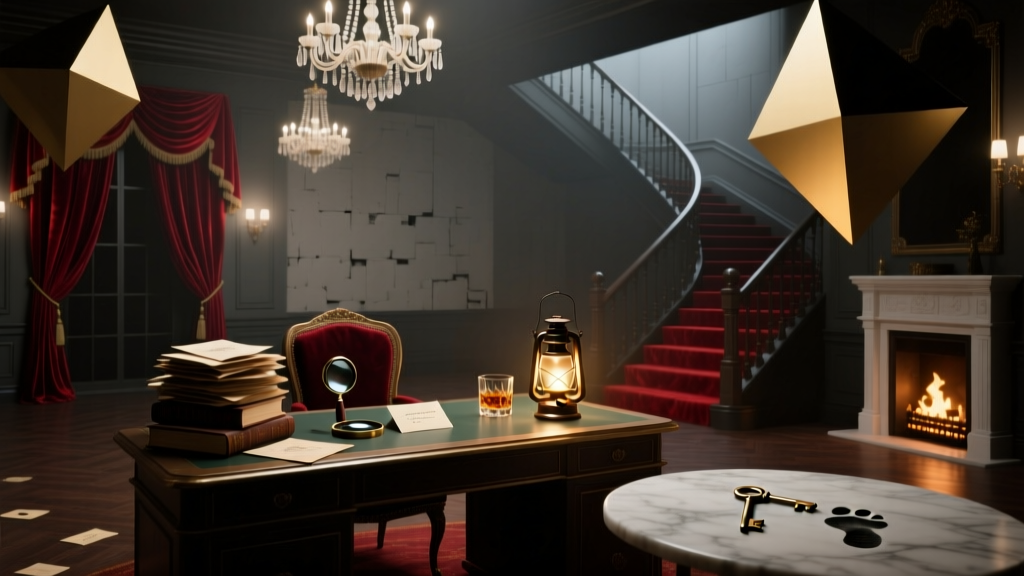
Murder Mystery Venue Ideas: How to Choose (and Transform) the Perfect Setting
A murder mystery party succeeds or fails on one core ingredient: the venue experience. The right setting makes guests feel like they’ve stepped into a story—one where every corner could hide a clue, every conversation could be a motive, and the atmosphere encourages people to stay “in character.” Without a thoughtful venue plan, even a well-written mystery can fall flat: sound travels poorly, lighting doesn’t support the mood, guests can’t mingle comfortably, or your “big reveal” gets lost in chaos.
Proper planning matters even more for murder mystery events because you’re coordinating two experiences at once: a social gathering and a live, interactive game. That means your venue must support flow (clue drops, scene changes, interviews), comfort (food, seating, restrooms), and immersion (decor, music, props). The good news: you don’t need a castle or a theater. With smart party organization and a few proven event coordination strategies, you can create an unforgettable whodunit almost anywhere.
Below are practical murder mystery venue ideas, a step-by-step planning timeline, budget guidance, vendor selection tips, common mistakes to avoid, and a FAQ to help you plan confidently from first invite to final accusation.
Start With the Basics: Venue Requirements for a Murder Mystery Party
Space and Flow (The #1 Planning Priority)
Murder mystery events work best when guests can move naturally between “zones.” Before you fall in love with a venue, confirm it can support:
- One main gathering area for the intro, mid-game announcements, and the final reveal
- 2–4 smaller areas for private conversations, clue discovery, or character scenes
- A staging/storage spot for props, extra clue envelopes, prizes, and personal items
- Clear pathways so guests aren’t bottlenecked (especially near food or bar areas)
Lighting, Sound, and “Mood Control”
- Lighting: Dimmable lighting is ideal. If not available, plan for uplights, LED candles, lamps, or string lights.
- Sound: You need background music that won’t overpower conversation. Confirm you can use a speaker and microphone if your group is 20+.
- Noise restrictions: Ask about quiet hours and whether you can do a dramatic reveal without complaints.
Practicalities Guests Remember
- Parking or rideshare access
- ADA accessibility if needed
- Restrooms and coat storage
- Food service rules (in-house catering vs. outside food allowed)
- Cleanup expectations and end time
Top Murder Mystery Venue Ideas (With Real-World Setups)
1) Your Home (Best for Budget-Friendly Immersion)
A home murder mystery party is the most flexible option and can feel surprisingly high-end with the right staging.
Best for: 8–24 guests, intimate roleplay, themed dinner parties
How to set it up:
- Create “rooms” even in an open plan: use signage like “Study,” “Library,” “Parlor,” “Servants’ Hall.”
- Designate one “clue table” where guests can review evidence without crowding the dining area.
- Use battery candles, low lamps, and a curated playlist (jazz noir, classical, speakeasy swing).
Real-world example: A 1920s speakeasy mystery in a living/dining room: buffet in the kitchen, clue drops in the “Back Office” (guest bedroom), final reveal in the dining area after dessert.
2) Restaurant Private Room (Simplifies Food and Service)
A private dining room gives you built-in staffing and a polished ambiance.
Best for: 12–40 guests, corporate team events, birthday dinners
Planning tips:
- Ask for a floor plan and confirm you can stand to deliver announcements.
- Choose family-style or pre-set menus to reduce service interruptions during clue rounds.
- Coordinate with the manager on timing (e.g., reveal happens after entrées are cleared).
3) Boutique Hotel Suite or Small Event Room (Great for “Luxury Mystery”)
Hotels are trending for small-scale events because they offer convenience, a premium feel, and easy out-of-town guest logistics.
Best for: 10–35 guests, milestone celebrations
Make it work:
- Use the lobby bar for “pre-game cocktails,” then move upstairs for the mystery.
- Confirm A/V needs (speaker, mic, small spotlight).
- Plan a “hotel-safe” prop kit (no glitter, no confetti, use painter’s tape for signage).
4) Community Center or Clubhouse (Maximum Space, Lower Cost)
These venues are practical, affordable, and often available on weekends.
Best for: 20–80 guests, fundraisers, neighborhood events
Upgrade the vibe:
- Use pipe-and-drape or folding screens to create secretive areas.
- Add themed linens and lighting to “erase” fluorescent overheads.
- Build an “evidence wall” with foam boards, string, and labeled photos.
5) Historic Inn, Mansion, or Museum After Hours (Instant Atmosphere)
Historic venues are ideal because the building becomes part of the story.
Best for: 25–120 guests, premium ticketed experiences
Vendor/contract tips:
- Ask about restrictions for candles, fog machines, and taped signage.
- Clarify security requirements and whether staff must be present.
- Build the storyline around real architectural features (grand staircase, hidden hallways).
6) Theater, Studio, or Rehearsal Space (Best for Performance-Style Mysteries)
If your mystery includes scripted scenes or hired actors, a studio space makes staging easy.
Best for: 20–150 guests, dramatic reveals, interactive shows
Modern trend: “Immersive theater lite”—short scenes in different corners while guests follow clues.
7) Outdoor Venue: Garden, Patio, or Tent (Unique, Seasonal)
Outdoor murder mystery parties are memorable, but weather planning is non-negotiable.
Best for: 15–80 guests, spring/summer events
Must-haves:
- A tent or indoor backup plan
- Lighting for pathways and clue stations
- Sound plan (wind can swallow announcements)
- Bug control (citronella, fans, or professional treatment)
How to Match Venue to Theme (Fast Decision Guide)
- Noir detective / 1940s: cocktail lounge, hotel suite, dim restaurant room
- Gatsby / 1920s: home with bar setup, historic inn, private club
- Modern corporate scandal: conference room, coworking event space
- Country manor: mansion, museum, large home, garden with tent
- Ski lodge mystery: cabin rental, lodge-style restaurant, chalet venue
Step-by-Step Planning Timeline (With Checklist)
6–8 Weeks Before: Foundation and Booking
- Choose your mystery format: scripted kit, host-led game, or actor-led immersive event
- Set guest count range and preferred date
- Create a venue shortlist (3–5 options)
- Confirm venue rules: outside food, alcohol policy, music, cleanup, décor restrictions
- Book venue and pay deposit
- Draft a preliminary event budget
4–6 Weeks Before: Story, Layout, and Vendors
- Assign characters (or confirm the kit supports your guest count)
- Design a basic floor plan with zones: Check-in, Bar/Food, Clue Stations, Reveal Area
- Book key vendors if needed:
- Catering or restaurant menu agreement
- Photographer (optional but popular for themed events)
- DJ/speaker rental or A/V support
- Actors/host (if using professionals)
- Send invitations with theme, dress code, timing, and mobility/access notes
2–3 Weeks Before: Details and Guest Experience
- Finalize run of show (timed agenda)
- Prepare clue packets/envelopes labeled by round
- Build your prop and décor list (prioritize lighting, signage, and “evidence”)
- Confirm menu and dietary needs
- Plan a check-in system:
- Character cards
- Name tags (themed, readable)
- Quick rules sheet
1 Week Before: Final Confirmations
- Confirm headcount and seating plan
- Confirm vendor arrival times and load-in instructions
- Print extras: 10–15% additional clue sheets, rules, and scorecards
- Create a host kit:
- Tape, scissors, markers, pens
- Zip bags for evidence
- Phone chargers and backup speaker cable
- First-aid basics and stain remover wipes
Day-Of Timeline Template (Copy/Paste)
- T-3 hours: Venue access, furniture placement, lighting setup
- T-2 hours: Décor, clue station setup, sound check
- T-90 minutes: Food/beverage setup, signage placed, check-in table ready
- T-30 minutes: Host briefing, run through key announcements, set background music
- Guest arrival: Check-in, character assignment, mingling prompt cards
- Round 1: Inciting incident + first clues
- Round 2: Interviews, evidence review, mid-game twist
- Round 3: Final clues + accusation submissions
- Reveal: Solution, awards, photos
- Wrap: Cleanup, vendor payments/tips, lost-and-found sweep
Budget Considerations (With Practical Breakdown)
Your murder mystery party budget depends on venue type, food service, and whether you hire performers. Use this sample framework for event planning and coordination:
Sample Budget Breakdown (20–30 Guests)
- Venue: 20–40%
- Food & beverage: 30–50%
- Game kit / actors / host: 10–25%
- Décor & props (lighting, signage, evidence): 5–15%
- Printing (character cards, clues, menus): 2–5%
- Contingency: 8–10% (extra supplies, last-minute guest adds)
Cost-Saving Moves That Still Feel Premium
- Use a restaurant private room with a minimum spend instead of a venue rental fee
- Focus décor spending on lighting + one statement piece (evidence wall, photo backdrop)
- Choose beer/wine/signature cocktail rather than a full bar
- Print in black and white on heavier paper; use wax seals or ribbon for a luxe touch
Vendor Selection Tips (Food, A/V, Actors, Rentals)
- Catering: Ask if they can serve in “rounds” to align with clue drops. Avoid overly messy foods that distract from props and papers.
- A/V: Confirm speaker volume is adequate for the room. If you need a mic, test it where guests will sit and mingle.
- Actors/hosts: Request a sample run-of-show and clarify how they manage shy guests. The best hosts are skilled at gentle participation prompts.
- Rentals: Prioritize cocktail tables (for mingling), linens (instant upgrade), and a few themed props over excessive décor.
Common Murder Mystery Planning Mistakes to Avoid
- Choosing a venue with no “zones”: One big room can work, but you’ll need partitions, signage, and intentional stations to prevent chaos.
- Overcomplicating the storyline: If guests need a flowchart to play, engagement drops. Keep rules simple and repeat key instructions.
- Not controlling the sound level: If music is too loud, guests can’t interview each other. If it’s too quiet, the room feels awkward. Plan a playlist with adjustable volume.
- Timing dinner poorly: Serving during the reveal or clue reading disrupts momentum. Align courses with natural breaks between rounds.
- Too few printed materials: Expect lost clue cards and last-minute changes. Always print extras and keep a master copy set for the host.
- No contingency plan: Weather, late arrivals, and tech issues happen. Build buffer time and bring backups (charger, speaker, extra pens).
FAQ: Murder Mystery Venue and Planning Questions
How much space do I need for a murder mystery party?
Plan for a main gathering area plus at least two additional conversation zones. For seated dinners, aim for standard dining comfort plus extra standing room for mingling. If guests can’t move without bumping chairs, the game will feel cramped.
Do I need separate rooms, or can I host in one large space?
One large space can work if you create zones using furniture groupings, signage, and clue stations. Use partitions, folding screens, or pipe-and-drape if you need privacy for “secret” conversations.
What’s the best venue for a first-time host?
A home, clubhouse, or restaurant private room is usually easiest. You’ll have predictable logistics, straightforward setup, and fewer restrictions than historic sites or outdoor venues.
Should I serve a full dinner or keep it cocktail-style?
Either works. A seated dinner feels classic and structured, while cocktail-style encourages mingling and faster clue sharing. Choose based on your guest group: chatty groups often thrive with cocktail stations and small bites.
How do I keep guests engaged if they’re shy about roleplaying?
Pick a venue layout that supports small-group conversation (not one intimidating “center stage” area). Provide simple prompts at check-in (questions to ask, secrets to reveal) and offer optional accessories (hats, pearls, detective badges) rather than mandatory acting.
What’s a realistic planning timeline?
For most groups, 4–8 weeks is comfortable. If you’re booking a popular venue or hiring actors, aim for 8+ weeks to secure your preferred date and vendors.
Next Steps: Turn Your Venue Into a Story
Choose a venue that supports flow, mood, and guest comfort, then build your floor plan around the game: check-in, clue stations, mingling zones, and a clear reveal area. Use the timeline above to stay organized, set a practical budget with a contingency buffer, and confirm vendor details early so the day-of feels smooth and fun.
If you’re ready to keep planning, explore more party organization tips, event coordination checklists, and themed event guides on smartpartyprep.com.
More Articles
 What Are the Four Functions of a Political Party? (Spoiler: Most Civics Textbooks Get #3 Wrong—and It’s Costing Voters Real Influence)
What to Wear for Grad Party: The Stress-Free Style Blueprint (No More Last-Minute Panic, Awkward Outfits, or Overdressing Mistakes)
How to Plan a Halloween Party in 7 Days (Without Losing Your Mind): A Stress-Tested, Step-by-Step Blueprint That Cuts Planning Time by 60% and Boosts Guest RSVPs by 3x
Are Dancing Bear Parties Real? The Truth Behind This Viral Trend — What You *Actually* Need to Know Before Booking (Spoiler: It’s Not What You Think)
What Are the Four Functions of a Political Party? (Spoiler: Most Civics Textbooks Get #3 Wrong—and It’s Costing Voters Real Influence)
What to Wear for Grad Party: The Stress-Free Style Blueprint (No More Last-Minute Panic, Awkward Outfits, or Overdressing Mistakes)
How to Plan a Halloween Party in 7 Days (Without Losing Your Mind): A Stress-Tested, Step-by-Step Blueprint That Cuts Planning Time by 60% and Boosts Guest RSVPs by 3x
Are Dancing Bear Parties Real? The Truth Behind This Viral Trend — What You *Actually* Need to Know Before Booking (Spoiler: It’s Not What You Think)
 Is Party Animals on Switch? The Truth About Nintendo Switch Availability (Spoiler: It’s NOT Launching in 2024 — Here’s What You *Can* Do Instead)
 How to Keep Food Warm for a Party Without Drying It Out, Burning It, or Turning Your Kitchen Into a Stress Zone (7 Proven, Low-Fuss Methods That Actually Work)
What Is a Major Party? 7 Non-Negotiable Elements That Separate Legendary Celebrations from Forgettable Gatherings (Backed by 2024 Industry Data)
What Is a Third Party Logistics Company? (And Why Your Next Product Launch Fails Without One — Even If You Think You’re ‘Too Small’)
How Much Does a DJ Cost for a Birthday Party? (Spoiler: It’s Not Just $200–Here’s Exactly What Drives the Price & How to Get 30% More Value Without Paying More)
How to Keep Food Warm for a Party Without Drying It Out, Burning It, or Turning Your Kitchen Into a Stress Zone (7 Proven, Low-Fuss Methods That Actually Work)
What Is a Major Party? 7 Non-Negotiable Elements That Separate Legendary Celebrations from Forgettable Gatherings (Backed by 2024 Industry Data)
What Is a Third Party Logistics Company? (And Why Your Next Product Launch Fails Without One — Even If You Think You’re ‘Too Small’)
How Much Does a DJ Cost for a Birthday Party? (Spoiler: It’s Not Just $200–Here’s Exactly What Drives the Price & How to Get 30% More Value Without Paying More)