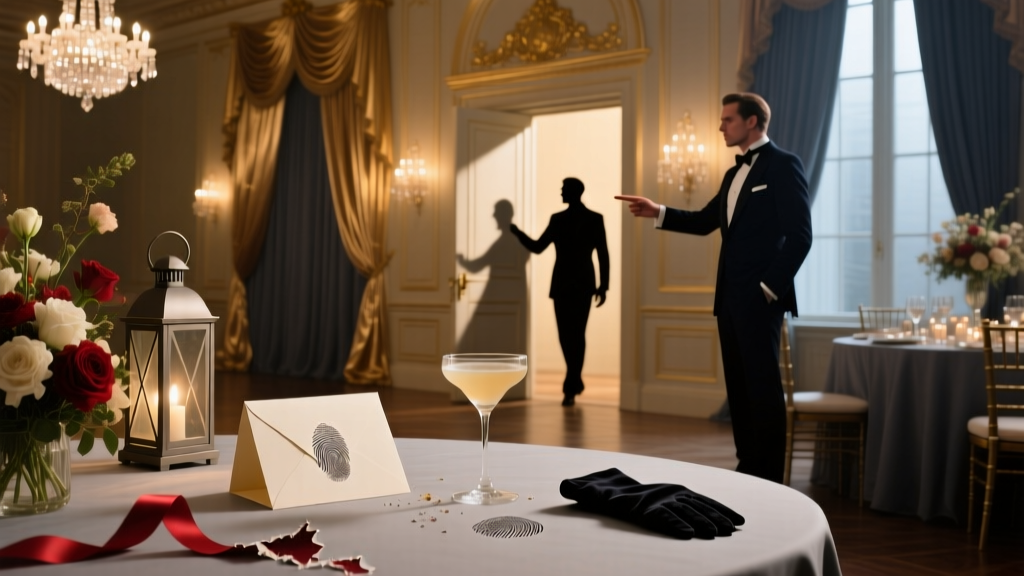
Murder Mystery Photography Tips: Capture the Clues, Characters, and Chaos (Beautifully)
A murder mystery party is part theater, part game night, part immersive event—and that makes it one of the most rewarding (and challenging) events to photograph. Guests are moving, acting, whispering, accusing, laughing, and reacting in real time. Without a plan, photos can turn out dark, blurry, unflattering, or missing key moments that make the story memorable.
Proper planning matters because murder mystery events have a built-in narrative arc. Your photography should follow that arc: introductions and character reveals, the “crime,” clue discoveries, interrogations, alliances, plot twists, and the final accusation. With a few smart party organization strategies—lighting, shot lists, signage, and a timeline—you can capture the best moments without disrupting gameplay.
This guide gives step-by-step photography tips and event coordination tactics to help you document the entire experience: guest portraits, candid reactions, evidence photos, group shots, and final reveal moments. Whether you’re using a phone, a DSLR, or hiring a photographer, these tips will help you get magazine-worthy images that feel like scenes from a movie.
Start With a Photography Plan That Matches Your Murder Mystery Theme
Choose a “photo style” that fits the story
Before you finalize decor or costumes, decide how you want your photos to look. Coordinating photo style with theme is a current event planning trend—guests love cohesive visuals for sharing and keepsakes.
- 1920s Speakeasy: warm tones, vintage props, dramatic shadows, close-ups of accessories (pearls, pocket watches)
- Film Noir / Detective: high contrast, angled light, black-and-white edits, silhouettes
- Modern True Crime: clean, bright images, “evidence board” background, documentary-style candids
- Masquerade: emphasis on masks, eye-level portraits, low light with controlled highlights
Decide who is responsible for photos
One of the most overlooked party planning steps is assigning ownership. Pick one option and coordinate around it.
- Host-led photos: best for small groups (8–12). Requires a shot list and a few planned pauses.
- Designated “party paparazzi”: assign 1–2 organized friends. Give them a timeline and must-get shots.
- Hire a photographer: best for large gatherings (15–40+) or high-effort themes. Provide the game timeline and a “do not interrupt” guideline.
- Hybrid approach: photographer for 60–90 minutes (arrivals + key scenes), then a DIY photo station for the rest.
Set Up Lighting That Flatters Guests and Keeps the Mood
Use “practical lighting” to stay immersive
Murder mystery parties often run in dim, moody spaces. You can keep the atmosphere without sacrificing photo quality by building light into the scene.
- Cluster warm LED candles on tables (safer than real flames, consistent brightness)
- Add floor lamps in corners aimed at walls for soft bounce light
- Use string lights behind sheer fabric to create a “glow” background
- Place one brighter “key light” near the main interrogation area (disguised as a lamp or lantern)
Quick phone camera settings that make a big difference
- Clean the lens before guests arrive (it’s the #1 fix for hazy photos)
- Tap to focus on faces; slide exposure slightly up in low light
- Use Portrait Mode for character portraits near a window or lamp
- Avoid heavy zoom—move closer to reduce grain
- If available, turn on “Night Mode” for posed shots (ask guests to hold still)
DSLR / mirrorless tips for party environments
- Use a fast lens if possible (f/1.8–f/2.8) for sharper low-light shots
- Set ISO higher rather than using harsh direct flash (try ISO 1600–3200 depending on your camera)
- Shutter speed: aim for 1/125 for candids; 1/60 for posed groups (with steady hands)
- If using flash, bounce it off a ceiling/wall for a softer look
Create a Must-Get Shot List (So You Don’t Miss the Story)
Strong event coordination means you’re not improvising the entire night. Build a shot list that follows the narrative and assign it to whoever is taking photos.
Core murder mystery photo checklist
- Before guests arrive: room wide shots, table settings, clue props, evidence board, themed signage
- Arrival: each guest entering, greeting, first reactions
- Character portraits: 1–2 minutes per guest (simple backdrop + prop)
- Group photo: full cast lineup early (before costumes get messy)
- The “crime scene” moment: staged body outline, dramatic reactions, key prop close-ups
- Interrogations: pairs or small groups mid-conversation, note-taking, pointing, whispering
- Clue discoveries: hands holding evidence, guests reading clue cards, “aha” expressions
- Food & drinks: one clean shot of the spread + candid sipping/snacking moments
- Final accusation: the reveal, shocked faces, winner celebration
- After: candid “wrap party” photos, best costume winners, cleanup-free final room shot
Real-world example: 12-person house party shot list
- 6:00–6:20: decor + evidence board + table shots
- 6:30–7:00: arrivals + quick portraits (2 minutes per guest)
- 7:10: full group photo
- 7:30–8:30: candids during first clue round + food photos
- 8:45: staged “crime scene” moment + reactions
- 9:15: interrogation candids
- 9:45: final accusation + winner photos
Set Up a Photo Station Guests Actually Use
Interactive photo stations are trending because they capture content without pulling the host away from managing the flow. A good photo station also keeps guests engaged between rounds.
Photo booth setup essentials
- Backdrop: black curtain, patterned wallpaper roll, or “evidence board” wall
- Lighting: a ring light or two soft lamps aimed at faces (not overhead)
- Tripod: phone tripod with remote shutter or timer
- Props: detective badge, magnifying glass, feather pen, faux knife, “Suspect #___” placards
- Signage: simple instructions + hashtag (if you want guests to share)
Pro tip: build a “mugshot corner”
Create a small “police lineup” zone with height markers on the wall and a prop clipboard. Guests love taking character photos here, and it reinforces the theme without needing a photographer.
Step-by-Step Planning Timeline (Photography + Event Coordination)
4–6 weeks before
- Select theme and decide your photo style (vintage, noir, modern)
- Confirm guest count and venue layout
- Decide: DIY photos, designated photographer friend, or hired pro
- Start a shared planning doc with a master checklist and timeline
2–3 weeks before
- Purchase or gather photo station items (backdrop, tripod, props)
- Create a shot list aligned with the murder mystery storyline
- Plan lighting placements (lamps, candles, string lights, key scene area)
- If hiring a photographer, share:
- game schedule and key moments
- must-have shots
- any “surprise reveal” timing
1 week before
- Do a quick walk-through: where will portraits happen? where is the reveal?
- Print or write signage for the photo booth instructions
- Create a “clue-friendly” photo plan (no flash during secret reading if it ruins mood)
- Test lighting in the evening at the actual start time
1–2 days before
- Charge everything: phone, spare battery pack, camera batteries, flash
- Clear storage space on devices
- Prep a small “photo kit”:
- microfiber cloth
- extra AA/AAA batteries (if needed)
- gaffer tape
- clip-on phone light (optional)
- Finalize your event timeline with “photo pauses” (2–3 quick moments only)
Day-of timeline template (adjust to your schedule)
- T-90 minutes: set lighting, test a portrait spot, set up photo booth
- T-45 minutes: photograph decor and “clean” food display
- Guest arrival: welcome + 2-minute portrait per guest (or photo booth prompt)
- After opening rules: group shot (fast, upbeat, everyone still looks fresh)
- Mid-game: candids + close-ups of clue handling
- Finale: accusation + reveal + winner photos
- Wrap: one final full-room shot and a fun end-of-night group photo
Budget Considerations: What to Spend (and What to Skip)
Photography costs can range from nearly free to a significant line item. Plan your party budget based on guest count, venue lighting, and how “polished” you want the memories to be.
Sample budget breakdowns
Option A: DIY phone photography (approx. $30–$120)
- Tripod + phone mount: $20–$45
- Remote shutter: $8–$15
- Ring light or small LED panel: $25–$60
- Backdrop materials: $0–$30
Option B: Hybrid (approx. $150–$500)
- Photographer for 60–90 minutes (varies by region): $150–$400+
- DIY photo station supplies: $30–$120
Option C: Full coverage photographer (approx. $500–$1,500+)
- 2–4 hours event coverage: $500–$1,200+
- Add-ons (rush edits, extra retouching): $50–$300
Where spending usually pays off
- Lighting: even one good light can transform photos
- Backdrop + tripod: guarantees usable group shots and character portraits
- Short professional coverage: a sweet spot for host-led events
Vendor Selection Tips (Photographers, Rentals, and Print Services)
How to choose a photographer for a murder mystery party
- Look for low-light event experience (ask to see indoor party galleries)
- Ask how they handle candid storytelling vs. posed portraits
- Confirm they can capture “key moment” timing without interrupting gameplay
- Request a clear deliverables list:
- number of edited images
- turnaround time
- usage rights (personal sharing)
Rental and print add-ons
- Photo booth rental: great for larger events; confirm it fits your theme (templates/overlays)
- Instant prints: consider a small printer for “mugshot” takeaways (fun favor)
- Backdrop rentals: helpful if you want a premium look without storage afterward
Common Murder Mystery Photography Mistakes (and How to Avoid Them)
- Waiting too long for portraits: do character photos at arrival when outfits are crisp and guests are energized.
- Relying on overhead lighting: it creates harsh shadows. Add lamps or bounce light for flattering faces.
- No shot list: the story moves fast. A simple checklist prevents missed moments.
- Using direct flash all night: it can flatten costumes and break immersion. If you must use flash, bounce it or diffuse it.
- Not capturing details: clue props, place cards, evidence boards, and themed cocktails help tell the story in a photo album.
- Forgetting group photos: schedule two: one early (everyone present) and one at the end (fun, candid energy).
Best Practices for Coordinating Photos Without Disrupting the Game
- Build in “photo pauses”: 2–3 planned stops (group photo, crime scene moment, final reveal) keep photos organized.
- Use zones: a portrait spot, a photo booth spot, and a gameplay zone reduces traffic and confusion.
- Keep prompts simple: post one sign: “Take a mugshot, then enter the investigation.”
- Delegate: assign one person to manage the photo station and keep props tidy.
- Create a shared album: send a QR code to guests so everyone can upload their favorite candids.
FAQ: Murder Mystery Party Photography
How do I take good murder mystery photos in low light?
Add soft light with lamps, LED candles, or a ring light near your portrait area. For phones, use Night Mode for posed shots and avoid zooming. For cameras, use a fast lens and increase ISO rather than relying on harsh flash.
When is the best time to take character portraits?
During arrivals, before the game fully starts. It keeps the flow smooth and ensures everyone is photographed before people spread out into conversations and clue hunting.
Should I hire a photographer for a murder mystery party?
If you’re hosting and managing the storyline, hiring a photographer (even for 60–90 minutes) can be worth it. A hybrid approach—pro coverage early plus a DIY photo station later—often fits the budget and captures everything.
What photos should I prioritize if I’m short on time?
Get: one decor wide shot, each guest’s character portrait, one early group photo, the “crime scene” moment, and the final reveal/winner photo. Those images tell the full story even if you miss smaller candids.
How do I set up a photo booth that guests will actually use?
Place it where guests naturally pass (near entry or bar), add flattering light, keep props minimal but themed, and post a one-step instruction sign. A “mugshot corner” with height markers is an easy crowd-pleaser.
What’s the easiest way to collect photos from guests afterward?
Create a shared album (Google Photos, iCloud, or similar) and display a QR code at the party. Add it to your event planning checklist so it’s ready before guests arrive.
Actionable Next Steps
- Pick your photo style (noir, vintage, modern true crime) and match your lighting and edits to it.
- Create a one-page shot list and add three “photo pauses” to your event timeline.
- Set up a simple photo station with a tripod, flattering light, and 5–7 themed props.
- If your budget allows, consider hiring a photographer for the first 60–90 minutes to capture portraits and key scenes.
- Prepare a QR code for a shared album so your guests’ candid photos become part of the story.
For more party organization tips, coordination checklists, and theme-planning guides, explore the latest resources on smartpartyprep.com.
More Articles
 What to Wear to 80s Party Female: 7 Non-Negotiable Outfit Rules (That Prevent Awkward Costumes & Maximize Authentic Vibes)
How to Form a Political Party: A Step-by-Step Legal & Strategic Roadmap (No Law Degree Required — Just Clarity, Compliance, and Courage)
What Is Minecraft Movie Block Party? 7 Real-World Steps to Host a Safe, Legal, & Viral Neighborhood Event (Without Getting Shut Down)
How Do I Change My Political Party in NY? Here’s the Exact Step-by-Step Process (No Waiting, No Guesswork — Just Verified NY Board of Elections Rules for 2024)
What Is Third Party Fire and Theft Insurance? The Truth No Broker Tells You (And Why It’s Almost Never Worth Paying Extra for in 2024)
What to Wear to 80s Party Female: 7 Non-Negotiable Outfit Rules (That Prevent Awkward Costumes & Maximize Authentic Vibes)
How to Form a Political Party: A Step-by-Step Legal & Strategic Roadmap (No Law Degree Required — Just Clarity, Compliance, and Courage)
What Is Minecraft Movie Block Party? 7 Real-World Steps to Host a Safe, Legal, & Viral Neighborhood Event (Without Getting Shut Down)
How Do I Change My Political Party in NY? Here’s the Exact Step-by-Step Process (No Waiting, No Guesswork — Just Verified NY Board of Elections Rules for 2024)
What Is Third Party Fire and Theft Insurance? The Truth No Broker Tells You (And Why It’s Almost Never Worth Paying Extra for in 2024)
 What Is a Third Party Data Breach? (And Why Your Next Event Could Be Ground Zero — Even If You Didn’t Hack Yourself)
How to Display Utensils at a Party Without Looking Cluttered, Wasting Space, or Making Guests Hesitate — A Stress-Free 7-Step Visual Guide That Works for Buffets, Cocktail Hours, and Seated Dinners
What Is a Third Party Data Breach? (And Why Your Next Event Could Be Ground Zero — Even If You Didn’t Hack Yourself)
How to Display Utensils at a Party Without Looking Cluttered, Wasting Space, or Making Guests Hesitate — A Stress-Free 7-Step Visual Guide That Works for Buffets, Cocktail Hours, and Seated Dinners
 Why the Boston Tea Party Is Important: 7 Unspoken Reasons Every Educator, Event Planner, and History Communicator Needs to Understand — Not Just the 'Tea' Story
 What to Do on a Slumber Party: 27 Proven, Age-Tested Activities (No Boredom, No Chaos, No Last-Minute Panic)
 How Much for Birthday Party at Chuck E Cheese in 2024? We Called 47 Locations, Compared Packages, and Found Hidden Fees You’re Paying (Spoiler: It’s $299–$649 — But You Can Cut $150+)