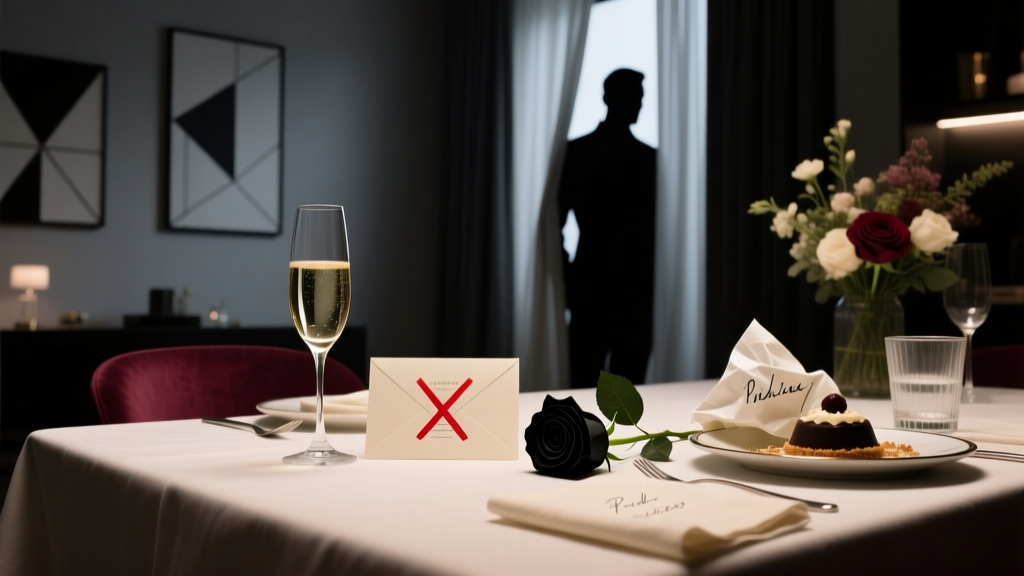
A Murder Mystery on a Budget
A murder mystery party feels luxurious because it delivers what most events struggle to pull off: an immersive experience, built-in entertainment, and a room full of guests who actually talk to each other. The good news is you don’t need a high-end venue, professional actors, or custom décor to create that “I can’t believe you pulled this off” reaction. What you do need is a clear plan, a tight timeline, and a few smart decisions that stretch your budget without looking “budget.”
Unlike a typical dinner party, a murder mystery has moving parts—roles, clues, pacing, food timing, and guest guidance. Proper event planning and coordination matters because confusion kills the mood faster than any fictional villain. When you map the experience from invitations to the final reveal, you’ll reduce day-of stress, keep guests engaged, and make the whole party feel polished—even if you’re working with a modest spend.
This guide breaks down step-by-step party organization strategies, budget-friendly options, and real-world examples so you can host a memorable murder mystery on a budget with confidence.
Start With the Right Concept (It’s the Biggest Budget Lever)
Pick a Format That Matches Your Budget and Guest Count
- Boxed/Downloadable kits: Low cost, fast setup, good for first-time hosts. Look for kits that include character sheets, clues, and a host guide.
- DIY story (light customization): Best for creative hosts; can be extremely budget-friendly but requires more prep time.
- Hybrid approach (recommended): Use a kit as the backbone, then personalize with a few custom props and a tailored playlist.
Choose a Theme That Uses What You Already Have
Current event planning trends favor “intentional minimalism”—fewer decorations, better cohesion. Themes that naturally fit household items reduce costs:
- 1920s speakeasy: Dim lighting, jazz playlist, thrifted pearls, simple “bar” station.
- Hollywood awards night: Gold/black accents, printed “press badges,” smartphone photo backdrop.
- Cozy cabin mystery: Flannel, candles (real or LED), hot cocoa bar, board-game vibe.
- Office drama: Easiest wardrobe (business casual), minimal décor, “meeting agenda” clue format.
Decide: Competitive vs. Collaborative Play
- Competitive: Guests earn points for correct accusations. Great for energetic groups.
- Collaborative: Guests solve together. Better for mixed ages or guests new to roleplay.
Budget tip: Collaborative play reduces the need for elaborate clue props and allows simpler pacing.
Budget Breakdown: What to Spend (and Where to Save)
Use this sample budget breakdown as a starting point for your event budgeting. Adjust percentages based on your priorities (food-forward vs. décor-forward, etc.).
Sample Budget (10–12 Guests): $150–$300
- Food & beverages: $70–$160 (45–55%)
- Game/mystery materials: $15–$50 (10–20%)
- Decor & ambiance: $20–$60 (10–20%)
- Prizes & printing: $10–$30 (5–10%)
- Contingency (ice, extra snacks, tape, batteries): $10–$20 (5–10%)
High-Impact, Low-Cost Upgrades
- Lighting: Swap overhead lights for lamps, string lights, and candles/LED tea lights.
- Sound: A themed playlist with a few “stings” (dramatic music cues) for clue reveals.
- Signage: 3–5 printed signs (welcome, “evidence table,” “interrogation room”) instantly sets the scene.
- Signature mocktail/cocktail: One themed drink looks curated and controls beverage spend.
Vendor Selection Tips (When to DIY vs. Outsource)
Most budget murder mysteries work best as a home event, but you may still use vendors strategically.
Food: Catered Trays vs. DIY Menu
- DIY if you have time and enjoy cooking; choose make-ahead dishes.
- Grocery store catering (sandwich platters, salads, dessert tray) if you want predictable costs and less prep.
- Restaurant pickup (family-style pasta, taco bar) if you want maximum ease per dollar.
Selection tip: Choose vendors that offer easy pickup windows and clear allergen labeling. Your event coordination will run smoother when food is “set it and forget it.”
Printing: Home Printer vs. Local Print Shop
- Home printing works for small groups; use heavier paper for “evidence” items.
- Print shop is worth it if you want consistent color and fast turnaround (especially for themed posters or large clue cards).
Rentals (Only If They Solve a Real Problem)
- Extra chairs and a folding table can be a better spend than more decorations.
- Skip specialty linens unless they’re central to your theme.
Step-by-Step Planning Timeline (With Checklist Items)
This timeline template uses proven organizational strategies: batching tasks, building buffer time, and locking key decisions early.
3–4 Weeks Before: Lock the Plan
- Choose theme, story/kit, and format (competitive vs. collaborative).
- Set guest count (ideal: 8–14 for easy pacing).
- Create a simple event budget (max spend + contingency).
- Pick the venue (home, clubhouse, community room) and confirm any rules.
- Draft your guest list and match roles (balance talkers and quieter guests).
2–3 Weeks Before: Guest Communication & Supplies
- Send invitations with:
- Date/time and end time
- Theme + suggested attire (“thrift-store friendly” helps)
- Food plan (potluck or hosted) and allergy request
- Role assignment date (or immediate role delivery)
- Order/download your mystery kit and skim the host guide.
- Start a supply list:
- Printing paper, envelopes, pens
- Index cards (great for clue cards)
- Painter’s tape (for signs and quick fixes)
- Serving trays, napkins, trash bags
10–14 Days Before: Build the Experience
- Assign characters and send role packets (digitally or printed).
- Create your “evidence table” plan:
- What props will sit there
- When clues will be released
- Where guests can write notes
- Plan your menu and shopping list.
- Build a simple run-of-show (see template below).
7 Days Before: Confirm & Print
- Collect RSVPs and confirm attendance.
- Print clue cards, character sheets, and signage.
- Do a quick “walkthrough” of your space:
- Where guests arrive and stash coats
- Where food is served
- Where the “big reveal” happens
- Finalize playlist and test your speaker.
48 Hours Before: Prep Like a Pro
- Grocery shop and prep make-ahead foods.
- Assemble prop kits in envelopes (labeled by round or character).
- Set up a staging bin:
- Scissors, tape, extra pens
- Stain remover wipes
- Phone charger
- Extra tealights/batteries
Day-Of Checklist (Host Timeline)
- 3–4 hours before: Light décor, set tables, set up food/beverage stations.
- 2 hours before: Place evidence table items (keep later clues hidden).
- 1 hour before: Background music on, lighting adjusted, bathroom stocked.
- Arrival window (15–30 minutes): Welcome guests, quick costume compliments, hand out name tags/role reminders.
- Game start: Explain rules in 2–3 minutes, share the objective, begin Round 1.
- Midpoint: Serve main food when guests naturally pause (after a clue drop).
- Finale: Collect accusations, reveal solution, award prizes, take photos.
- Wrap-up: Send leftovers with guests, quick reset (trash, dishes soak), enjoy the afterglow.
Run-of-Show Template (Simple and Effective)
Keep pacing tight. Guests should always know what to do next.
- 0:00–0:20 Arrival, mingle, character warm-up questions (on table cards)
- 0:20–0:30 Host welcome + rules + story setup
- 0:30–1:00 Round 1: First clue release + guided mingling
- 1:00–1:15 Food break / refresh drinks
- 1:15–1:45 Round 2: New evidence + mini-interrogations (2–3 minutes each)
- 1:45–2:05 Dessert + final clue drop
- 2:05–2:20 Accusations submitted
- 2:20–2:30 Reveal + prizes + photos
Decor, Props, and Ambiance: Budget-Friendly and High Return
Use “Zones” Instead of Filling the Whole Room
One of the most effective party organization techniques is creating 3–4 focal areas:
- Welcome zone: A sign + name tags + a bowl for phones/keys if desired
- Evidence table: Clues, notepads, pens, a “Case File” folder
- Food & drink station: One themed sign, consistent cups/napkins
- Interrogation corner: Two chairs facing each other, a lamp, and a “Detective” sign
Thrift Store and Dollar-Store Wins
- Frames for “victim photo” or “suspect board”
- Old books, scarves, costume jewelry
- Battery candles, black tablecloths, simple serving trays
Real-World Example: $180 Speakeasy Mystery for 10 Guests
- Mystery kit download: $25
- Food: $95 (pasta bake, salad, garlic bread, cookies)
- Beverages: $25 (sparkling water, juice, one batch cocktail)
- Decor: $20 (black tablecloth, LED candles)
- Printing: $5
- Prizes: $10 (mini notebooks labeled “Top Detective”)
Why it worked: tight lighting, one signature drink, and a clear run-of-show. Guests felt immersed without expensive props.
Food and Beverage Planning That Won’t Hijack the Party
Pick a Low-Maintenance Menu
- Buffet-style: Best for pacing; guests eat between clue rounds.
- Heavy appetizers: Great for smaller spaces; fewer plates and seating pressure.
- Potluck with assignments: Very budget-friendly; provide a sign-up list (“1 salad, 2 desserts, 2 savory apps”).
Smart Menu Ideas
- Taco bar (prep-friendly, affordable, flexible for dietary needs)
- Pasta + salad + bread (classic and crowd-pleasing)
Common Planning Mistakes to Avoid
- Overcomplicating the plot: If guests need a spreadsheet, the fun drops. Keep clues clear and consistent.
- Not matching roles to personalities: Give shy guests structured roles (detective, journalist) with prompts.
- Too much downtime: Every 15–20 minutes, something should happen (clue drop, announcement, prompt).
- Ignoring sound and lighting: Harsh overhead lights and silence make it feel like a meeting. Ambiance is a cheap upgrade.
- Late food service: Hungry guests rush the mystery. Feed them before energy dips.
- Unclear instructions: Provide a one-page “How to Play” sheet or a 2-minute verbal briefing.
FAQ: Murder Mystery Party Planning
How many people do I need for a murder mystery party?
Most mysteries work best with 8–14 guests. Smaller groups are easier to manage; larger groups need stronger facilitation and clearer clue distribution.
Do guests need to memorize scripts or act?
No. Choose a kit with prompt-based roleplay. Provide simple goals and conversation starters so guests can participate comfortably without performance pressure.
What’s the most budget-friendly way to handle food?
A taco bar, pasta buffet, or potluck with assignments keeps costs low and service easy. The best budget move is choosing food that doesn’t require last-minute cooking.
How long should a murder mystery party last?
Plan for 2.5 to 3 hours of structured play, plus a 15–30 minute arrival window. This fits most home events and keeps energy high through the finale.
What if someone cancels and I’m missing a character?
Have a backup plan:
- Use a kit that allows flexible character counts, or
- Assign the missing character’s key clue to the “detective,” or
- Turn the absent character into an “off-screen suspect” with a written statement.
Do I need prizes?
Not required, but small prizes add momentum. Keep it simple: “Top Detective,” “Best Costume,” or “Most Convincing Alibi.” Even $1–$5 items or printable certificates work.
Next Steps: Your Budget Mystery Game Plan
- Pick a theme you can support with what you already own (lighting and music do the heavy lifting).
- Choose a kit or outline a simple DIY plot and commit to a run-of-show.
- Build your budget using the percentage breakdown, then decide your one “splurge” (often food or ambiance).
- Send clear invitations with attire guidance, timing, and role details.
- Batch your prep (printing, props, and food) so day-of hosting is calm and confident.
If you’re ready to keep planning, explore more practical event planning guides, party organization checklists, and coordination tips on smartpartyprep.com.
More Articles
 What Is a Party Poodle? The Unexpected Secret Weapon That’s Transforming Modern Events (And Why Your Next Celebration Needs One)
How to Party in Bloodlines Roblox: 7 Real-World Tested Strategies (No Glitches, No Bans, Just Legendary Vibes)
How Much Does It Cost to Rent a Party Tent? (Spoiler: It’s Not Just $200–$2,500—Here’s Exactly What Drives Your Final Quote)
Who Do You Invite to the Engagement Party? The Real-World Guest List Framework That Prevents Awkwardness, Saves $1,200+ in Venue Costs, and Keeps Your Relationship Strong (No 'Just Add Family' Advice)
How to Throw an Engagement Party Without Stress, Overspending, or Awkward Moments: A Realistic 7-Step Guide (With Timeline, Budget Tracker & Guest List Hacks)
What Is a Party Poodle? The Unexpected Secret Weapon That’s Transforming Modern Events (And Why Your Next Celebration Needs One)
How to Party in Bloodlines Roblox: 7 Real-World Tested Strategies (No Glitches, No Bans, Just Legendary Vibes)
How Much Does It Cost to Rent a Party Tent? (Spoiler: It’s Not Just $200–$2,500—Here’s Exactly What Drives Your Final Quote)
Who Do You Invite to the Engagement Party? The Real-World Guest List Framework That Prevents Awkwardness, Saves $1,200+ in Venue Costs, and Keeps Your Relationship Strong (No 'Just Add Family' Advice)
How to Throw an Engagement Party Without Stress, Overspending, or Awkward Moments: A Realistic 7-Step Guide (With Timeline, Budget Tracker & Guest List Hacks)
 What Is Grad Party? The Truth No One Tells You (It’s Not Just Cake & Caps — Here’s How to Plan One That Actually Feels Meaningful, Saves $327 on Average, and Avoids 5 Common Pitfalls That Derail 68% of Celebrations)