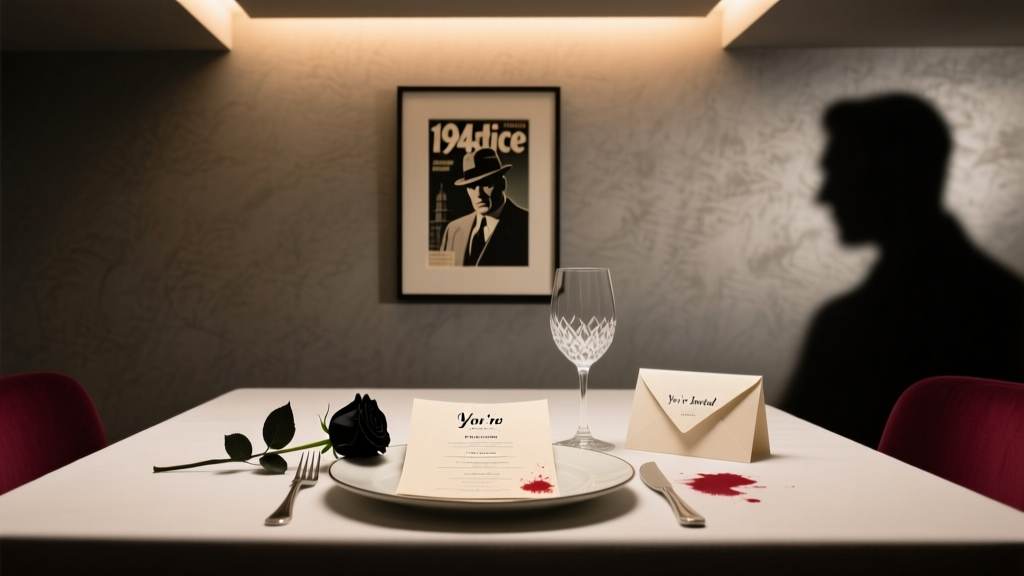
A Murder Mystery Menu Planning Guide
Food can make or break a murder mystery party. The menu isn’t just “something to eat”—it’s a pacing tool, a set design element, and a coordination anchor that keeps your event running smoothly. When the timing of courses matches clue reveals and character interactions, guests stay immersed and the evening feels effortless (even though you’re orchestrating dozens of moving parts behind the scenes).
Proper menu planning also reduces the most common host stress points: running out of food, serving items that are messy in costume, and getting stuck in the kitchen while guests miss critical story beats. With a smart timeline, a realistic budget, and a few vendor-savvy choices, you can deliver a cohesive experience that feels theatrical, polished, and guest-friendly—whether you’re hosting a 10-person parlor mystery or a 40-guest corporate whodunit.
This guide walks you step-by-step through building a murder mystery menu that supports the theme, fits dietary needs, stays within budget, and coordinates cleanly with your event schedule.
Start With the “Story of the Meal”: Theme, Setting, and Service Style
Before you choose recipes, decide what the meal needs to do for your murder mystery party. Your menu should reflect the setting (1920s speakeasy, Victorian manor, Hollywood premiere, cruise ship, etc.) and support the gameplay format.
Pick a service style that matches your mystery format
- Cocktail-style (passed apps + stations): Best for mingling, clue trading, and larger groups. Keeps energy high and reduces sit-down bottlenecks.
- Buffet: Budget-friendly and flexible, but requires traffic flow planning so guests don’t miss scripted moments.
- Plated dinner: Most immersive and elegant, ideal for structured rounds and seated clue reveals. Requires tight timing and either staff help or very simple plating.
- Family-style: Warm and interactive, but can get messy with costumes and props. Choose sturdy dishes that pass easily.
- Dessert-only or “late-night mystery”: Great for shorter events or when you want a lower budget—think coffee, dessert bar, and one savory bite.
Align the menu with pacing
A proven coordination strategy is to anchor each game segment to a food moment:
- Arrival: One signature drink + a tidy appetizer (guests can hold it while meeting characters).
- Act 1: Light bites to keep attention on introductions and early clues.
- Midpoint reveal: Main course or buffet opens right after a major clue drop.
- Final accusations: Dessert + coffee/tea keeps guests seated and focused for the wrap-up.
Build Your Murder Mystery Menu: A Practical Framework
Step 1: Lock the guest count and dietary requirements
For smooth party organization, collect dietary needs with RSVPs (or a quick follow-up text/email). Aim to accommodate the most common restrictions without building a separate menu for every guest.
- Plan at least one substantial vegetarian entrée option (not just salad).
- Include gluten-free friendly items that are naturally GF (rice, potatoes, corn tortillas) rather than relying solely on specialty bread.
- Label nuts, dairy, and shellfish clearly—especially for buffet/stations.
- Keep sauces on the side when possible for flexibility.
Step 2: Choose “costume-friendly” foods
Murder mystery guests often wear gloves, faux fur, sequins, or period costumes. Choose foods that are easy to eat standing up and won’t stain.
Best choices:
- Skewers, crostini, mini tartlets, tea sandwiches
- Stuffed mushrooms, meatballs, spring rolls
- Small cups (gazpacho shooters, mac and cheese cups, mousse cups)
Avoid (or modify):
- Messy sauces that drip (swap to thicker dips, serve on the side)
- Powdered sugar, beet-heavy items, or bright turmeric stains
- Anything requiring two hands plus a knife (unless seated/plated)
Step 3: Plan a balanced menu using the 1-2-1 rule
For most murder mystery parties, a simple formula works:
- 1 signature drink (with a non-alcoholic twin)
- 2 appetizer types (one vegetarian)
- 1 main (buffet/plated/station) with 2 sides
- 1 dessert (plus coffee/tea)
Step 4: Tie food names to the plot (without making it cheesy)
A subtle themed naming approach feels elevated and modern—an event planning trend that boosts immersion without turning the menu into a pun contest.
- “The Alibi Aperitif” (sparkling cocktail + citrus)
- “Evidence Board Bites” (charcuterie cups)
- “The Suspect’s Supper” (main course)
- “Final Verdict Dessert” (mini cheesecakes)
Sample Murder Mystery Menus (Real-World Examples)
Example A: 1920s Speakeasy (Cocktail-Style for 20 Guests)
- Signature drink: French 75 + zero-proof “Gilded 75” (sparkling lemonade + herbs)
- Apps: Deviled eggs with smoked paprika; mushroom tartlets (vegetarian)
- Stations: Mini slider bar (beef + veggie patties) with pickles and sauces
- Dessert: Mini chocolate pots de crème
Coordination tip: Open the slider station right after the first big clue reveal to keep guests nearby while you reset the next scene.
Example B: Victorian Manor (Plated-ish Dinner for 12 Guests)
- Starter: Butternut squash soup in cups (easy service)
- Main: Herb-roasted chicken (or cauliflower “steak” for vegetarians)
- Sides: Roasted potatoes; green beans almondine (nuts on side)
- Dessert: Berry trifles in glasses
Coordination tip: Use place cards with character names to seat suspects strategically and encourage scripted interactions.
Example C: Corporate Mystery (Buffet for 40 Guests)
- Welcome: Coffee/iced tea + assorted pastries (quick start)
- Buffet: Taco bar (chicken, beef, beans, toppings, GF corn tortillas)
- Dessert: Assorted cookies + fruit platter
Coordination tip: Split buffet into two identical lines to reduce wait time and keep the agenda on track.
Step-by-Step Planning Timeline + Checklist
4–6 Weeks Before: Menu Strategy and Guest Intelligence
- Confirm event date/time, theme, and format (cocktail/buffet/plated)
- Estimate guest count and send RSVPs with dietary question
- Set a per-person budget range
- Decide: DIY, hybrid (DIY + catering), or full-service catering
- Draft menu v1 with at least one vegetarian and one GF-friendly path
- Identify serving equipment needs (chafers, platters, label cards)
3 Weeks Before: Vendor Quotes and Rentals
- Request catering quotes (include guest count range, service style, delivery window)
- If serving alcohol: confirm bartender needs, venue rules, and liability requirements
- Reserve rentals: chafing dishes, extra cocktail tables, linens, glassware
- Plan kitchen workflow: oven space, fridge space, warming strategy
2 Weeks Before: Finalize Menu + Run of Show
- Finalize guest count (or set a guaranteed minimum for catering)
- Lock menu and create a shopping list by category
- Write a run-of-show schedule that includes food service windows
- Create signage: menu cards, allergen labels, bar sign
- Assign roles (host, clue wrangler, bar lead, runner)
1 Week Before: Shopping, Prep Plan, and Tabletop Logistics
- Confirm vendor delivery times and contact numbers
- Do shelf-stable shopping (drinks, napkins, skewers, spices)
- Plan make-ahead prep: sauces, chopped veg, dessert components
- Stage serving ware by course and label bins (Apps / Dinner / Dessert)
- Confirm trash/recycling plan (high-impact coordination detail)
48–24 Hours Before: Production and Setup
- Buy perishables and ice (or schedule ice delivery)
- Prep make-ahead items, pre-portion where possible
- Set up beverage station and pre-batch mocktail base
- Set buffet/station layout with clear flow and label cards
- Charge speakers/tablets if using timed clue audio or playlists
Event Day: Execution Checklist
- Set food safety plan: cold foods on ice, hot foods above safe temps, clean utensils
- Stage a “host-free” first 30 minutes: pre-plated apps or grab-and-go bites
- Start the signature drink and keep non-alcoholic options equally visible
- Announce food service timing briefly (reduces guest confusion)
- Refresh apps mid-way and reset messy zones (trash, napkins, spills)
- Transition to dessert right before final accusations to regroup attention
- Pack leftovers safely and send vendor closeout messages if applicable
Budget Planning: What to Spend and Where It Shows
A murder mystery party can be hosted at many budget levels. The key is to spend where it supports the guest experience: steady food flow, minimal wait times, and high immersion through presentation.
Per-person budget ranges (typical)
- Budget-friendly DIY: $12–$20 per person (apps + simple buffet + dessert)
- Hybrid (store-bought + a few homemade): $20–$35 per person
- Catering drop-off: $30–$60 per person (varies by market and menu)
- Full-service catering: $60–$120+ per person (staffing, rentals, bar)
Sample budget breakdown (for 20 guests, hybrid approach: $600 total)
- Food: $360 (60%)
- Beverages (incl. NA options + ice): $120 (20%)
- Disposables/rentals (napkins, plates, chafers): $60 (10%)
- Contingency buffer: $60 (10%)
Smart ways to save without looking “cheap”
- Limit proteins: choose one main protein and make sides feel special
- Use elevated presentation: mini cups, garnish, labeled signage
- Offer one signature cocktail plus beer/wine instead of a full bar
- Serve one standout dessert in minis rather than multiple full cakes
Vendor Selection Tips (Catering, Bakery, Bar, Rentals)
How to choose the right caterer for a murder mystery party
- Ask about timing flexibility: Can they deliver within a narrow window so food is fresh for clue rounds?
- Confirm packaging: Individually packed items or labeled trays reduce onsite confusion.
- Discuss “mingling-friendly” options: Request bite-sized items and sauce-on-the-side packaging.
- Clarify staffing: Drop-off catering is cheaper, but one server/helper can dramatically improve flow.
Rental and layout considerations
- Two small buffet lines beat one long line for keeping your run-of-show on schedule
- High-top cocktail tables help guests eat while standing and staying in character
- Choose linens and serving pieces that match the era/theme for instant immersion
Current Event Planning Trends That Work Especially Well for Murder Mysteries
- Zero-proof cocktails: Elevated mocktails ensure everyone can participate in the “signature drink” moment.
- Mini portions and grazing layouts: Keeps guests mobile for clue hunting and interaction.
- Dietary-inclusive menus: Clear labeling and naturally gluten-free options reduce friction and increase guest comfort.
- Experience-first planning: Menu timing is built around the run-of-show, not the other way around.
Common Murder Mystery Menu Planning Mistakes to Avoid
- Overcomplicated cooking that traps the host: Choose make-ahead dishes and simplify hot holding.
- Not enough “grab and go” food early: Guests arrive hungry and excited—have apps ready before the first scene starts.
- Ignoring costume logistics: Drippy foods, hard-to-cut meats, and messy finger foods break immersion fast.
- Single-point buffet bottlenecks: Long lines cause guests to miss clues and throw off pacing.
- No beverage plan: You need water, non-alcoholic options, and ice from the start—not as an afterthought.
- Skipping labels: Allergen labeling is a professionalism marker and a guest-safety essential.
- Underestimating quantities: For cocktail-style parties, plan enough substantial bites so guests don’t feel “snacked at.”
FAQ: Murder Mystery Menu Planning
How much food do I need for a murder mystery party?
Plan based on duration and service style. For a 2.5–3 hour evening event with cocktails, aim for 8–12 bites per person plus a dessert. If it replaces dinner, build in a substantial station or main course so guests feel properly fed.
What’s the easiest menu for a first-time host?
A hybrid cocktail-style menu: two store-bought apps, one easy warm item (like meatballs or sliders), and a dessert tray. Add a signature drink and labeled signage to make it feel curated.
Should I do a seated dinner or a buffet?
If your script relies on structured rounds and announcements, plated or semi-plated works well. If you want maximum mingling and flexible gameplay, cocktail-style or stations are typically smoother. Buffets can work, but manage flow with two lines and clear timing.
How do I handle allergies without creating a complicated menu?
Choose naturally accommodating dishes (rice, potatoes, roasted vegetables, proteins with simple seasoning) and keep sauces and toppings separate. Label everything clearly and ensure one hearty vegetarian option.
What are the best drinks for a murder mystery theme?
One signature cocktail plus a matching zero-proof version keeps planning streamlined. Add water and a simple beer/wine option. For themed flair, use a garnish bar (citrus, herbs, cherries) and a printed drink sign tied to the story.
Can I host a murder mystery party with dessert only?
Yes—especially for a shorter event. Offer a dessert bar, coffee/tea, and one savory bite per person (like a cheese cup or mini quiche) so guests don’t feel hungry halfway through the game.
Next Steps: Turn Your Menu Into a Smooth, Immersive Event
Choose your service style first, then build a menu that supports the pace of your mystery: a strong arrival bite, a well-timed main food moment, and a dessert that gathers everyone for the final reveal. Use the timeline to lock vendors early, simplify prep, and stage your serving equipment so you can stay present with your guests instead of stuck in the kitchen.
Ready to plan the rest of your night like a pro? Explore more event planning, party organization, and coordination guides on smartpartyprep.com to build your run-of-show, theme styling, and hosting toolkit.
More Articles
 Birthday Party Decor Ideas That Wow
 Is Texas a 2 Party Consent State? The Truth That Could Save Your Business From $10,000 Fines (and Why 92% of Event Planners Get It Wrong)
How Long to Cook Party Wings in Oven? The Exact Timing Guide That Prevents Dry, Burnt, or Undercooked Disasters (Plus Crispy-Every-Time Pro Tips)
Is Texas a 2 Party Consent State? The Truth That Could Save Your Business From $10,000 Fines (and Why 92% of Event Planners Get It Wrong)
How Long to Cook Party Wings in Oven? The Exact Timing Guide That Prevents Dry, Burnt, or Undercooked Disasters (Plus Crispy-Every-Time Pro Tips)
 How to Make Punch for a Party: 7 Foolproof Steps (No Fancy Tools, No Bitter Surprises, and Zero Last-Minute Panic)
 What Party Was Herbert Hoover? The Surprising Truth Behind His Political Identity — And Why Millions Still Confuse Him With Progressive Reformers (Spoiler: He Wasn’t One)
How to Keep Churros Warm for a Party: 7 Field-Tested Tactics (That Actually Work — Not Just 'Put Them in a Box')
What Party Was Herbert Hoover? The Surprising Truth Behind His Political Identity — And Why Millions Still Confuse Him With Progressive Reformers (Spoiler: He Wasn’t One)
How to Keep Churros Warm for a Party: 7 Field-Tested Tactics (That Actually Work — Not Just 'Put Them in a Box')