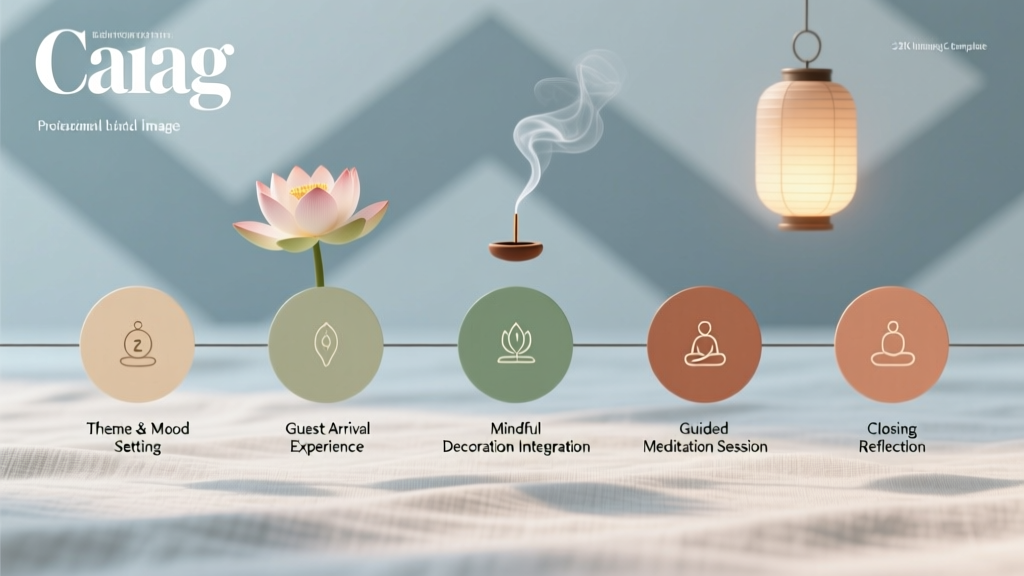
A Meditation Event Timeline Template
A meditation event can look simple on the surface: a calm space, a skilled facilitator, and quiet participants. Yet the experience participants remember—feeling safe, grounded, and supported—comes from behind-the-scenes event planning and coordination that is anything but accidental.
Whether you’re organizing a community meditation circle, a corporate mindfulness session, or a half-day retreat, thoughtful planning protects the mood you’re trying to create. One late vendor, a confusing check-in process, or a room that’s too cold can pull people out of the moment. A clear meditation event timeline template helps you manage logistics while keeping the experience serene.
This guide gives you a practical, step-by-step event planning timeline, checklists, budgeting tips, vendor selection guidance, common mistakes to avoid, and real-world examples you can adapt. Use it as your go-to party organization and event coordination plan—just with quieter vibes.
What Makes a Meditation Event Different (and Why Planning Matters)
Meditation events have unique requirements compared to typical social gatherings:
- Environment is the “entertainment.” Lighting, sound, scent sensitivity, temperature, and seating comfort matter more than decor.
- Participants need psychological safety. Clear expectations, consent-based practices, and accessibility planning are essential.
- Transitions must be smooth. A chaotic start, abrupt announcements, or loud setup breaks the atmosphere.
- Timekeeping is sacred. Starting late or running over can disrupt participants’ schedules and nervous systems.
Current event planning trends reflect this: more hosts are offering wellness-forward events, focusing on sensory-friendly setups, inclusive accessibility, and hybrid options (in-person plus livestream). These trends only work when coordination is tight.
Before You Start: Define Your Meditation Event Format
Pick the Purpose and Outcome
Start by naming the transformation you want attendees to experience. Examples:
- Stress relief and nervous system regulation
- Community connection and shared intention
- Workplace focus and resilience
- Intro to meditation for beginners
Choose the Type of Event
- Drop-in group sit: 45–75 minutes, low budget, recurring potential
- Workshop + guided meditation: 90–120 minutes, includes teaching and Q&A
- Half-day retreat: 3–5 hours, includes breaks, light refreshments
- Full-day retreat: 6–8 hours, meals, more staff, stronger vendor coordination
- Corporate mindfulness session: 45–60 minutes, privacy and professionalism are key
Set Capacity and Accessibility Standards
Use these planning defaults unless your venue dictates otherwise:
- Space per person: 20–30 sq ft (more if lying down is offered)
- Accessible seating: Provide chairs for anyone who can’t sit on the floor
- Quiet needs: Consider a “no scent” request and a low-noise check-in
Meditation Event Timeline Template (Step-by-Step)
Use this event planning timeline as a template. Adjust based on event size and whether you’re hiring vendors.
6–8 Weeks Before (Foundation & Booking)
- Lock the event concept: theme, format, and session outline.
- Set the date and time: evenings on weekdays work well for community sits; mornings for corporate; weekends for retreats.
- Choose venue or platform:
- In-person: studio, community center, hotel meeting room, yoga space, library room
- Virtual: Zoom, Google Meet, dedicated webinar platform
- Create a working budget (see budget section below).
- Confirm facilitator(s): define scope, fee, arrival time, and equipment needs.
- Outline your event run-of-show: welcome, grounding, guided practice, closing, optional sharing.
- Draft attendee policies: late arrival policy, phone/silence expectations, photography rules, refund policy.
Checklist:
- Venue contract signed (or virtual platform chosen)
- Insurance requirements verified (if needed)
- Event description written
- Registration method selected (Eventbrite, website form, email RSVP)
4–5 Weeks Before (Marketing & Vendor Coordination)
- Open registration: cap attendance to protect the experience.
- Create promotional assets: simple flyer, social posts, email invite.
- Line up key vendors (if applicable):
- AV support (mic, speaker, projector for workshop)
- Photographer (optional, only with consent)
- Catering/refreshments for retreats
- Rental company for cushions/chairs if venue doesn’t provide
- Plan the room layout: cushion grid, chair rows, or a circle; define pathways for late entry if allowed.
- Accessibility check: parking, ramps/elevators, restroom access, clear signage.
Real-world example: For a 40-person community meditation in a rented studio, you might choose a simple layout: 25 cushions in the center, 15 chairs along the perimeter, one silent check-in table near the entrance, and a small “support corner” with tissues and water.
2–3 Weeks Before (Attendee Experience & Final Details)
- Send a “What to Expect” email: arrival time, what to bring, parking details, scent-free request, accessibility options.
- Finalize supplies: cushions, yoga mats, chairs, blankets, eye pillows, water station.
- Confirm vendor arrival times and setup needs.
- Create event signage: check-in, shoes-off reminder, restrooms, quiet zone.
- Build a staffing plan: at minimum, one host for check-in and one point person for the facilitator.
Checklist:
- Run-of-show drafted with timestamps
- Emergency plan written (first aid kit location, emergency exits)
- Music/ambient sound playlist curated (optional)
1 Week Before (Confirmation & Contingency Planning)
- Confirm headcount: close registration or waitlist as needed.
- Send reminder email: timing, address, dress comfort tips, “please arrive 10–15 minutes early.”
- Do a venue walkthrough: test sound, lighting, thermostat, and entry flow.
- Prepare printed materials: check-in list, waivers (if used), feedback cards.
- Create a day-of kit: tape, extension cords, pens, snacks for staff, extra socks, small flashlight, cleaning wipes.
24–48 Hours Before (Set Yourself Up for Calm)
- Charge all devices; print backup copies
- Pack signage, tablecloth, name tags (if used), and any branded materials
- Confirm facilitator’s final outline and any sensitive content considerations
- Double-check attendance emails and door instructions (especially for after-hours venues)
Day-Of Meditation Event Run-of-Show (Sample Timeline)
This sample is for a 90-minute meditation event with light teaching.
- T-90 min: Access venue; set temperature; begin room setup (cushions/chairs, check-in table).
- T-60 min: Sound check; lighting adjustment; water station set; signage placed.
- T-45 min: Facilitator arrives; review run-of-show; confirm any consent language.
- T-30 min: Doors open; quiet check-in begins; soft ambient music optional.
- T-10 min: Gentle “settle in” reminder; phones off; late entry policy reiterated.
- Start: Welcome, safety notes (restrooms, opt-out options), short intention.
- +10 min: Brief teaching (posture, breath, expectations).
- +25 min: Guided meditation.
- +55 min: Silent sit or gentle body scan.
- +70 min: Closing words; optional reflection prompt.
- +85 min: Community announcements; invite feedback; soft exit.
- +90 to +120 min: Cleanup, vendor wrap, lost-and-found check.
Post-Event (Within 24–72 Hours)
- Send a thank-you email: include a short recap, resources, and next event date.
- Collect feedback: 3–5 questions max (comfort, pacing, venue, future topics).
- Reconcile budget: update actuals vs. estimates for future planning.
- Vendor follow-up: pay invoices, leave reviews, note lessons learned.
Budget Considerations (With Sample Breakdowns)
A meditation event budget depends on venue costs, facilitator fees, and how “retreat-like” the experience is. Plan for both fixed and per-attendee expenses.
Typical Budget Categories
- Venue rental: hourly or half-day rate
- Facilitator fee: flat rate or per attendee
- Insurance/permits: varies by location
- Rentals: cushions, chairs, blankets, AV
- Refreshments: tea, water, light snacks
- Marketing: printing, social ads (optional)
- Staffing: check-in helper, AV tech (as needed)
- Contingency: 8–12% buffer for last-minute needs
Sample Budget: 30-Person Community Meditation (90 Minutes)
- Venue (2.5 hours including setup/cleanup): $250
- Facilitator: $200
- Supplies (tea, cups, water, tissues): $35
- Marketing/printing: $25
- Contingency (10%): $51
- Estimated total: $561
Pricing example: 30 tickets x $25 = $750 gross. After $561 costs, estimated net $189 (before taxes/processing fees). If your goal is community access, consider tiered pricing (standard + sliding scale seats).
Sample Budget: Half-Day Mini Retreat (25 People, 4 Hours)
- Venue (6 hours including setup/cleanup): $600
- Lead facilitator: $400
- Assistant/space holder: $150
- Catering/refreshments: $250
- Rentals (extra cushions/blankets): $150
- Marketing: $75
- Contingency (10%): $162
- Estimated total: $1,787
Pricing example: 25 tickets x $95 = $2,375 gross. This gives you room to pay fairly, cover fees, and upgrade comfort items.
Vendor Selection Tips (Facilitators, Venues, and Rentals)
Choosing the Right Facilitator
- Ask about audience fit: beginners vs. advanced practitioners, trauma-informed approach, corporate experience.
- Request a session outline: time blocks, teaching style, participation level.
- Confirm boundaries and consent practices: no hands-on adjustments unless explicitly requested and consented to.
- Review testimonials: consistency matters more than hype.
Evaluating a Venue for Meditation Events
- Noise control: check street noise, adjacent rooms, HVAC hum.
- Lighting options: dimmable lights or lamps are ideal.
- Temperature control: meditation stillness can feel cold—verify thermostat access.
- Cleanliness and scent: avoid strong cleaning fragrances right before the event.
- Parking and arrival flow: stress-free entry is part of the experience.
Rentals and Comfort Add-Ons
Comfort is a strategic investment. Prioritize:
- Chairs with back support
- Extra blankets (people cool down quickly)
- Floor pads or yoga mats under cushions
- Simple sound system for larger rooms
Common Meditation Event Planning Mistakes to Avoid
- Overcrowding the room: tight spacing increases distraction and discomfort. Protect capacity limits.
- Skipping clear attendee guidance: participants need to know what to bring, what to expect, and how to arrive.
- Ignoring accessibility needs: provide chairs, ensure restroom access, and communicate accommodations.
- Underestimating setup/cleanup time: schedule at least 30–60 minutes on each end.
- Not planning for late arrivals: decide in advance whether late entry is allowed and how you’ll manage it quietly.
- Overcomplicating decor: a calm, uncluttered space is more effective than elaborate styling.
- No contingency buffer: plan a 10% budget cushion and a few extra supplies (blankets, tissues, water).
Printable-Style Checklists You Can Copy
Pre-Event Logistics Checklist
- Date/time confirmed
- Venue contract and access times confirmed
- Facilitator agreement (fee, arrival time, run-of-show)
- Registration page live + auto-confirmation email
- Insurance/permit needs handled
- Supplies list complete (chairs/cushions/blankets/water)
- Signage prepared (check-in, shoes, restrooms, silence)
- Staffing plan and roles assigned
- Emergency plan and first aid kit confirmed
Day-Of Setup Checklist
- Room layout set (walkways clear)
- Temperature adjusted
- Lighting set (no harsh overheads if possible)
- Sound check complete
- Check-in table ready (list, pens, waivers if used)
- Water/tea station ready
- Restroom signs posted
- Phones on silent reminder signage visible
FAQ: Meditation Event Planning
How long should a meditation event be?
For beginners, 60–90 minutes is ideal (including welcome and closing). Workshops can run 90–120 minutes. Retreats typically start at 3–4 hours for a mini format.
Do I need a microphone for a guided meditation?
If your group is over 20 people, outdoors, or in a room with echo, a small speaker and mic often improves clarity and reduces facilitator strain. Test for hum and feedback during setup.
What should I include in the attendee “What to Expect” message?
Include start time, arrival recommendation (10–15 minutes early), parking/entry instructions, what to bring (water, layers), seating options (chairs available), scent-free request, and a brief description of the flow.
How do I price tickets for a meditation event?
Start with your total budget, add a contingency buffer, then divide by realistic attendance (not your max capacity). Consider tiered pricing: standard rate, a few sliding-scale seats, and a supporter rate to offset community access.
Should I offer food or refreshments?
For events under 90 minutes, water and tea are enough. For anything over 3 hours, plan at least light snacks and be mindful of allergies. Keep foods quiet to eat and low-odor to protect the environment.
What’s the best way to handle late arrivals without disruption?
Decide ahead of time. Options include: a 5-minute grace period, then doors closed; or a designated late-entry path with a volunteer guiding participants to seats near the back.
Next Steps: Turn This Template Into Your Event Plan
Choose your date, confirm your facilitator and venue, then plug your details into the timeline above. Start with the essentials—comfort, clarity, and a smooth arrival experience—then add enhancements like tea service or rentals once your core logistics are solid.
If you want your event to feel calm, your planning has to be calm first. Save this meditation event timeline template, copy the checklists into your event planning document, and schedule your tasks on a calendar so nothing lands on your plate at the last minute.
Explore more practical event planning, party organization, and coordination guides at smartpartyprep.com to keep your next gathering stress-free, polished, and memorable.
More Articles
 Which Political Party Has Had the Most Scandals? We Analyzed 40 Years of Federal Ethics Records, Media Investigations, and DOJ Data to Reveal What the Headlines Hide—and Why 'Most Scandals' Is the Wrong Question to Ask
Which Group Founded the People's Party? The Truth Behind America’s Populist Movement — Debunking 5 Myths That Still Confuse Students, Teachers, and History Enthusiasts Today
Is IU a party school? The truth behind the reputation: what freshmen *actually* experience, how Greek life really works, and why 'party school' labels hide IU’s academic rigor and intentional community-building efforts.
Which Political Party Has Had the Most Scandals? We Analyzed 40 Years of Federal Ethics Records, Media Investigations, and DOJ Data to Reveal What the Headlines Hide—and Why 'Most Scandals' Is the Wrong Question to Ask
Which Group Founded the People's Party? The Truth Behind America’s Populist Movement — Debunking 5 Myths That Still Confuse Students, Teachers, and History Enthusiasts Today
Is IU a party school? The truth behind the reputation: what freshmen *actually* experience, how Greek life really works, and why 'party school' labels hide IU’s academic rigor and intentional community-building efforts.
 What Happens at the Bachelorette Party: A Realistic, Stress-Free Blueprint (No Awkward Surprises, No Last-Minute Panic, Just Joyful Memories)
 Team Building Event Vendor Selection Tips
 How to Sell a Car to a Private Party Without Getting Scammed, Overpaying for Ads, or Wasting 3+ Weeks: The 7-Step Checklist That Got Sarah $2,100 More Than Her Dealer Offer (and Closed in 9 Days)
 What It *Really* Takes to Be a Party Animal in 2024: 7 Surprising Truths (That No One Tells You About Hosting With Energy, Authenticity, and Zero Burnout)
12 Unexpectedly Easy May Themed Parties That Actually Work (No Over-Planning, No Last-Minute Panic—Just Joyful, Weather-Ready Celebrations You’ll Remember)
Stop Wasting Hours Scrolling: The 7-Step Checklist to Book the *Right* Party Center in NJ (Without Hidden Fees, Capacity Surprises, or Last-Minute Cancellations)
What It *Really* Takes to Be a Party Animal in 2024: 7 Surprising Truths (That No One Tells You About Hosting With Energy, Authenticity, and Zero Burnout)
12 Unexpectedly Easy May Themed Parties That Actually Work (No Over-Planning, No Last-Minute Panic—Just Joyful, Weather-Ready Celebrations You’ll Remember)
Stop Wasting Hours Scrolling: The 7-Step Checklist to Book the *Right* Party Center in NJ (Without Hidden Fees, Capacity Surprises, or Last-Minute Cancellations)