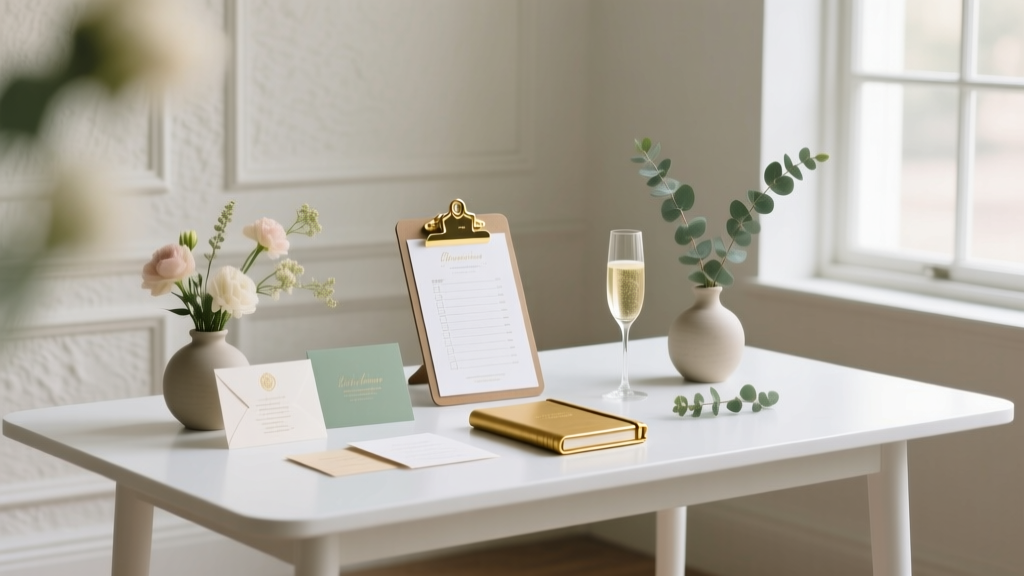
A Grand Opening Planning Checklist
A grand opening is more than a ribbon-cutting—it’s a brand-defining moment that can set the tone for customer loyalty, press coverage, and local buzz for months (or years) to come. When the planning is intentional, guests don’t just “stop by.” They remember how your business made them feel, what they experienced, and why they should return.
The difference between a crowded, energetic launch and a quiet, forgettable one usually comes down to organization. A strong grand opening planning checklist keeps you focused on the essentials: clear goals, a realistic event budget, the right vendors, smart promotion, and a guest experience that feels seamless from arrival to follow-up.
This guide walks you through a practical event planning timeline, step-by-step checklist items, vendor selection tips, budget considerations, and common mistakes to avoid—plus templates and real-world examples you can adapt for your own launch.
Start With the Big Picture: Goals, Audience, and Event Format
Define your primary event goal (pick one main, then support it)
- Drive immediate sales (limited-time promotions, packages, preorder deposits)
- Build awareness (press, influencers, community partners, social sharing)
- Generate leads (email/SMS signups, consultations, free trials)
- Establish credibility (testimonials, demonstrations, brand story, awards)
Know your audience and design the experience around them
- Local neighbors: casual open house, family-friendly snacks, community partner booths
- Decision-makers (B2B): short presentations, demos, scheduled tours, networking
- Lifestyle shoppers: photo-worthy moments, interactive stations, limited drops
- VIPs and press: early-access hour, spokesperson ready, press kit, reserved parking
Choose a format that matches your space, staff, and budget
- Open house (2–4 hours): steady flow, simpler operations, ideal for retail/service spaces
- Ribbon-cutting + reception: timed “moment” for photos and media, great for community ties
- All-day soft launch + evening celebration: captures multiple audiences, higher staffing needs
- Ticketed preview night: controls capacity, builds exclusivity, can offset costs
Grand Opening Planning Timeline (With Checklist)
Use this event planning timeline as your master checklist. Adjust the weeks based on how complex your grand opening is and whether you’re coordinating permits, entertainment, or a large guest list.
6–8 Weeks Before: Foundations + Booking
- Set your event date and backup plan (weather, construction delays, staffing coverage).
- Confirm event goals and 2–3 measurable KPIs:
- Number of attendees
- Sales target / promo redemptions
- Leads collected (email/SMS)
- Social posts/mentions
- Create a high-level budget (see budget section below).
- Draft your guest list categories:
- VIPs (partners, investors, local leaders)
- Media (local newspaper, radio, community blogs)
- Influencers (micro-creators with local audiences)
- Community (neighbors, existing customers, families)
- Decide on your event theme or guiding concept (keep it brand-aligned).
- Book key vendors:
- Catering/refreshments
- Photographer/videographer
- DJ or sound system rental
- Rentals (tables, linens, stanchions, tents)
- Check local requirements: permits, noise ordinances, alcohol permits, occupancy limits, sidewalk use, signage rules.
4–5 Weeks Before: Marketing + Experience Design
- Build your grand opening event plan:
- Run of show (minute-by-minute schedule)
- Staffing plan (roles, breaks, coverage)
- Guest flow (entry, check-in, key stations, exit)
- Launch your promotion plan:
- Create an event page (website + Google Business Profile update)
- Set up RSVP (even for “open house” formats)
- Schedule social posts (countdown + behind-the-scenes)
- Print flyers and in-store signage (if applicable)
- Plan your offers and guest incentives:
- Limited-time grand opening discount
- Gift-with-purchase or door prize
- First 50 guests receive a branded item
- Referral bonus if they bring a friend
- Design your brand moments (current trends):
- Photo backdrop or “Instagram wall” with good lighting
- Interactive demo station (try-before-you-buy)
- Short-form video-friendly moments (quick reveal, product unboxing, tasting flight)
- QR codes for signups, menus, and promotions (paperless guest journey)
- Confirm accessibility plan: clear paths, signage, seating options, and inclusive food choices.
2–3 Weeks Before: Logistics + Confirmation
- Finalize your floor plan and traffic flow:
- Check-in table positioned to prevent bottlenecks
- Promo/lead capture station near check-in or exit
- Food/drink away from entrances and high-value displays
- Quiet corner for VIP conversations
- Confirm vendor details in writing:
- Arrival times, load-in instructions, point of contact
- Power needs, setup footprint, cleanup responsibilities
- Payment schedule and cancellation terms
- Order printed materials:
- Directional signage and parking signs
- Menus or service lists
- Business cards, brochures, promo cards
- “Grand Opening” banner
- Create your staff briefing sheet:
- Event goals + key talking points
- Promo details and FAQs
- Escalation plan for issues
- Check-in process and lead capture method
- Build your event-day toolkit (see “Day-Of” section).
1 Week Before: Final Push + Rehearsal
- Send reminders:
- RSVP confirmation email/text with parking instructions
- Press pitch reminder and spokesperson availability
- Partner reminders (community groups, co-hosts)
- Do a walkthrough with your team:
- Simulate guest arrival and check-in
- Test music volume and microphone clarity
- Confirm where lines will form (and how to redirect)
- Confirm inventory and restocking plan:
- Best-selling items positioned and replenishment staged
- Promo items counted and secured
- POS/payment systems tested (tap-to-pay, Wi-Fi backup)
Event Day: Execution Checklist
Set-up (3–5 hours before doors open, depending on scale)
- Put up signage: parking, entrance, check-in, restrooms, promos.
- Confirm vendor setup and timing; ensure power access and cable safety.
- Test:
- Sound system/mic
- Lighting (especially photo area)
- Wi-Fi and payment processing
- QR codes and landing pages
- Prepare check-in:
- RSVP list or QR scan
- Name tags (if used)
- Lead capture: tablet form or printed cards
- Staff huddle: review roles, schedule, VIP list, and escalation plan.
During the event
- Assign a greeter to welcome guests and direct them.
- Keep the energy up with timed “moments” every 30–45 minutes:
- Demo starts
- Door prize drawing
- Mini tour
- Ribbon-cutting photo
- Capture content:
- Short video testimonials
- Crowd shots + branded details
- Before/after reveal moments
- Track KPIs in real time: attendance estimate, leads collected, promo redemptions.
Breakdown + close
- Secure cash/valuables; reconcile POS if needed.
- Collect vendor invoices and confirm pickup times.
- Clean-up checklist: trash, surfaces, restroom check, returns to storage.
- Save signage and leftover promo materials for future events.
Post-Event (Next 48 Hours): Follow-Up That Converts
- Send thank-you messages:
- Attendees (include promo extension deadline if appropriate)
- VIPs and partners
- Vendors (and request photos/content if applicable)
- Publish a recap:
- Photo carousel + short highlight video
- Tag partners and community organizations
- Include clear next step: book, shop, schedule a consult
- Review metrics and notes:
- What created lines? What boosted sales?
- Which marketing channels drove attendance?
- Top FAQs guests asked (use for future content)
Budget Considerations: Practical Breakdown + Where to Spend
A smart event budget supports your goal. A brand awareness grand opening may prioritize content and atmosphere, while a sales-driven launch may prioritize promotions, demos, and staffing coverage.
Sample grand opening budget breakdown (percent-based)
- Food & beverage (20–35%): light bites, beverages, tastings
- Marketing & signage (10–20%): flyers, banners, paid social, local sponsorships
- Entertainment & experience (10–20%): DJ, live music, photo booth, demo materials
- Rentals & decor (10–25%): tenting, seating, linens, lighting, branded backdrop
- Staffing & security (10–20%): event staff, off-duty officer (if needed), cleanup
- Photo/video (5–15%): content capture for ongoing marketing
- Contingency (8–12%): weather backup, last-minute print reorders, extra ice
Real-world example budgets
- Small retail boutique (50–120 guests, open house): $1,500–$4,000
- Focus: refreshments, branded photo corner, influencer invites, simple signage
- Fitness studio (150–250 guests, demos + classes): $3,000–$8,000
- Focus: instructors, demo schedule, lead capture, strong promo offers, content team
- Restaurant launch (200+ guests, tastings + media): $6,000–$20,000+
- Focus: staffing, sampling stations, permits, PR, queue management
Vendor Selection Tips (Proven Event Coordination Strategies)
How to choose vendors who make your event easier
- Look for event-specific experience, not just general service (ask for grand opening references).
- Confirm operational details early: load-in, power needs, weather plan, cleanup expectations.
- Prioritize responsiveness: fast communication usually predicts smooth event day coordination.
- Ask for packages that reduce complexity (DJ + mic, photo + short-form video, rentals bundle).
Quick vendor interview questions
- What do you need from the venue to be successful (power, space, access)?
- What is your setup and breakdown timeline?
- How do you handle last-minute changes or weather?
- Who is the day-of point of contact, and how will we communicate?
- Can you share proof of insurance if required?
Practical Templates You Can Copy
Mini run-of-show template (2-hour ribbon-cutting + open house)
- T-60 minutes: Vendor check, staff huddle, music on, check-in ready
- Start: Doors open, greeter on, photo area active
- +30 minutes: First demo/tour; remind guests about promo and QR signup
- +60 minutes: Ribbon-cutting + group photo + brief thank-you speech (2–4 minutes)
- +75 minutes: Door prize drawing; encourage social posts and tags
- +110 minutes: “Last call” for promos and signups
- End: Thank guests, begin breakdown, secure leads and receipts
Event-day toolkit checklist
- Printed run of show + vendor contacts
- Tape, scissors, zip ties, Velcro dots
- Extension cords, power strips, gaffer tape
- Extra pens, clipboards, backup printed lead forms
- First-aid kit, stain remover, lint roller
- Trash bags, paper towels, disinfecting wipes
- Cash box (if needed), receipt book
- Water and snacks for staff
Common Grand Opening Planning Mistakes to Avoid
- No clear “why”: Without a primary goal, the event becomes a mix of ideas with no payoff.
- Understaffing check-in and sales floor: Lines kill energy. Assign greeters, floaters, and a dedicated lead-capture person.
- Relying on “we’ll post on social” marketing: Use a coordinated promo plan: email, local partners, Google Business updates, printed signage, and targeted ads.
- Forgetting sound logistics: A ribbon-cutting without a mic (or with poor audio) loses the moment and the media photo opportunity.
- Too many discounts, not enough structure: Keep offers simple and clearly posted; train staff to explain them fast.
- No follow-up plan: The money is in the next step—appointments, return visits, and nurture emails.
FAQ: Grand Opening Event Planning
How long should a grand opening event last?
Most grand openings perform best at 2–4 hours for an open house format. If you’re doing timed demos or a ribbon-cutting, build in a clear “moment” about 45–75 minutes after doors open so early and on-time guests both catch it.
Do I need RSVPs for a grand opening?
RSVPs aren’t required, but they help with staffing, catering counts, lead generation, and follow-up. If you want a casual vibe, use “RSVP appreciated” and allow walk-ins.
What should I serve at a grand opening?
Choose items that are easy to eat while standing and won’t create mess near merchandise. Popular options include bite-size appetizers, tasting cups, a signature mocktail, and clearly labeled dietary choices.
How do I get local press to show up?
Create a simple press pitch with a strong reason to cover you: community impact, unique offering, partnership, or milestone. Offer a short media window (15–30 minutes) with your spokesperson available, a clean photo moment, and a one-page press sheet.
What’s the best way to collect leads during the event?
Use a QR code to a short form (name, email/phone, interest) and offer an incentive (door prize entry, bonus discount, free consultation). Have a staff member actively invite guests to sign up rather than relying on a passive sign.
How can I make my grand opening feel modern without overspending?
Focus on high-impact, low-cost trends: a well-lit photo backdrop, QR code signage, short demo “drops” every hour, and a content plan for vertical video. One great branded moment beats a room full of generic decor.
Next Steps: Turn This Checklist Into Your Event Plan
- Pick your event format and set one primary goal (sales, leads, awareness, credibility).
- Copy the timeline above into a shared document and assign owners to each checklist item.
- Draft your budget using the percentage breakdown, then request 2–3 vendor quotes per category.
- Create a simple run of show and a guest flow plan that prevents bottlenecks.
- Build your follow-up sequence before the event so leads don’t go cold.
For more step-by-step event planning, party organization, and day-of coordination guides, explore the resource library at smartpartyprep.com and keep building events that feel polished, welcoming, and unforgettable.
More Articles
 Is North Carolina a one-party recording state? Yes — but that doesn’t mean you’re legally safe to record without consent in meetings, calls, or events. Here’s exactly when it applies, when it doesn’t, and how to avoid lawsuits.
Where to Buy Mac and Cheese for a Party: 7 Reliable Sources Ranked by Portion Size, Heat-and-Serve Speed, Crowd Appeal, and Hidden Costs (No More Last-Minute Panics or Dry, Gummy Batches!)
How to Join a PS5 Party on PC (2024 Guide): 4 Working Methods That Actually Sync Voice & Game Activity — No Emulators, No Hacks, Just Verified Cross-Platform Steps
Is NutriCost Creatine Third Party Tested? We Investigated Lab Reports, Certifications, and Customer Complaints So You Don’t Have to Waste Money on Unverified Supplements
When Did Political Parties Begin? The Surprising Truth Behind America’s First Two-Party System—and Why Most History Textbooks Get the Timeline Wrong by Over 20 Years
What Happens After the Last Guest Leaves? How the 'When the Party’s Over' Music Video Redefined Emotional Event Design — And Why Your Next Gathering Needs Its Quiet Power
What Is a Good Appetizer to Take to a Party? 7 Crowd-Pleasing, Stress-Free Options That Always Get Compliments (No Last-Minute Panic, No Awkward Leftovers)
How to Unlock Minigames in Super Mario Party: The 7-Step No-Grind Guide That Reveals Every Hidden Mini-Game (Including the 3 You’re Missing Right Now)
What Gift Do You Give for Engagement Party? The 7-Step Etiquette Guide That Prevents Awkwardness, Saves Money, and Makes Your Gift Memorable (No 'Just Show Up' Excuses)
Is North Carolina a one-party recording state? Yes — but that doesn’t mean you’re legally safe to record without consent in meetings, calls, or events. Here’s exactly when it applies, when it doesn’t, and how to avoid lawsuits.
Where to Buy Mac and Cheese for a Party: 7 Reliable Sources Ranked by Portion Size, Heat-and-Serve Speed, Crowd Appeal, and Hidden Costs (No More Last-Minute Panics or Dry, Gummy Batches!)
How to Join a PS5 Party on PC (2024 Guide): 4 Working Methods That Actually Sync Voice & Game Activity — No Emulators, No Hacks, Just Verified Cross-Platform Steps
Is NutriCost Creatine Third Party Tested? We Investigated Lab Reports, Certifications, and Customer Complaints So You Don’t Have to Waste Money on Unverified Supplements
When Did Political Parties Begin? The Surprising Truth Behind America’s First Two-Party System—and Why Most History Textbooks Get the Timeline Wrong by Over 20 Years
What Happens After the Last Guest Leaves? How the 'When the Party’s Over' Music Video Redefined Emotional Event Design — And Why Your Next Gathering Needs Its Quiet Power
What Is a Good Appetizer to Take to a Party? 7 Crowd-Pleasing, Stress-Free Options That Always Get Compliments (No Last-Minute Panic, No Awkward Leftovers)
How to Unlock Minigames in Super Mario Party: The 7-Step No-Grind Guide That Reveals Every Hidden Mini-Game (Including the 3 You’re Missing Right Now)
What Gift Do You Give for Engagement Party? The 7-Step Etiquette Guide That Prevents Awkwardness, Saves Money, and Makes Your Gift Memorable (No 'Just Show Up' Excuses)