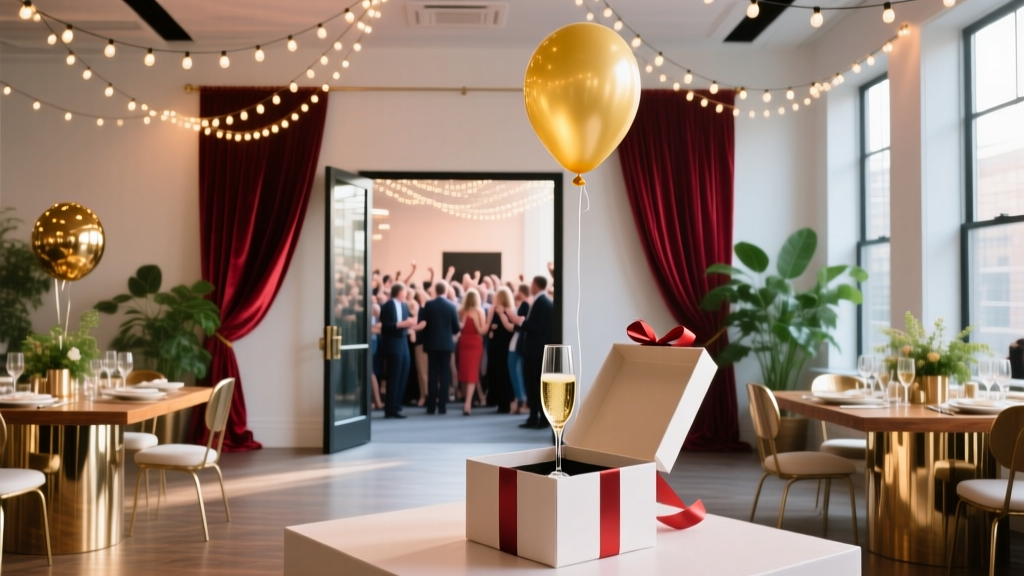
Grand Opening Entertainment Ideas: Plan a Memorable Launch That Draws Crowds and Converts
A grand opening is more than a ribbon cutting—it’s your first big impression, your first wave of reviews, and often your first chance to turn curious visitors into loyal customers. The right entertainment creates energy, builds a crowd, and gives people a reason to stay longer, share on social media, and talk about your business afterward.
Entertainment also needs to be planned strategically. Great grand opening event planning balances brand goals (awareness, foot traffic, sales, sign-ups) with guest experience (comfort, flow, excitement) and operations (permits, safety, vendor timing). When the show matches your audience and your space, it feels effortless. When it doesn’t, it can overwhelm your team, disrupt service, or fall flat.
This guide provides practical grand opening entertainment ideas, a step-by-step timeline, budget planning tips, vendor selection guidance, and common mistakes to avoid—so you can coordinate a launch event that feels professional, organized, and buzz-worthy.
Start With Strategy: Define Your Grand Opening Goals and Audience
Before choosing entertainment, get clear on what success looks like. Entertainment should support your business objectives, not compete with them.
Set 3 measurable goals
- Foot traffic goal: “300 visitors between 11 a.m.–3 p.m.”
- Conversion goal: “50 purchases” or “80 new memberships/newsletter sign-ups.”
- Marketing goal: “100 tagged posts” or “50 Google reviews within two weeks.”
Know your audience and peak times
- Family-heavy audience: Daytime kid-friendly entertainment, interactive stations, early afternoon peak.
- Young professionals: After-work DJ set, photo moments, short branded experiences.
- Community-focused: Local performers, charity tie-in, ribbon cutting with city officials.
Match entertainment to your venue reality
- Small retail footprint: Avoid anything that blocks aisles; use micro-performances and exterior activation.
- Outdoor space: Expand with a stage area, food partners, and crowd flow barriers.
- Noise restrictions: Prioritize acoustic sets, silent disco, or scheduled “sound windows.”
Grand Opening Entertainment Ideas That Actually Work
Use the categories below to build a lineup that fits your space, brand, and crowd size. The best grand opening party organization approach is to mix one “anchor” entertainment with several quick-hit activations.
1) High-Energy Crowd Builders
- DJ + MC: Keeps momentum, makes announcements, promotes giveaways, and guides guests through the event.
- Live band or acoustic duo: Great for breweries, restaurants, lifestyle brands, and outdoor plazas.
- Dance crew pop-up performances: Short sets (5–10 minutes) draw a crowd without taking over the event.
- Drumline: Attention-grabbing for storefront openings—excellent for ribbon cutting moments.
Pro tip: If you have limited space, book entertainment in short “sets” rather than one continuous performance. It helps manage crowd density and keeps energy in waves.
2) Interactive Entertainment (Best for Longer Dwell Time)
- Photo booth or roaming photographer: Add branded overlays, instant sharing, and a printed take-home.
- Caricature artist: Creates a line (in a good way) and sends guests home with a branded memory.
- Make-and-take station: Mini bouquet bar, keychain customization, candle scent blending, product sampling flights.
- Mini workshops or demos: 15-minute rotating classes (styling tips, cooking demos, fitness micro-sessions).
Trend to use: “Experience-first” marketing—guests are more likely to post when they can do something, not just watch something.
3) Family-Friendly Options (Community Crowd Magnets)
- Face painting or glitter tattoos: Fast, affordable, and high participation.
- Balloon twister: Great line entertainment and easy to brand with color themes.
- Character meet-and-greet: Works well for family businesses (verify licensing/costuming rules).
- Kids’ craft corner: Keep it simple: coloring sheets with your logo, sticker station, mini “scavenger hunt.”
Operational tip: Place kid-focused stations near the entrance or a designated corner so families don’t clog checkout lines.
4) Brand-Forward “Only Here” Experiences
- Ribbon cutting + countdown moment: Pair with confetti poppers (check cleanup rules) and a photographer.
- Influencer/creator live hosting: A local micro-influencer can drive traffic and create on-site content.
- Product reveals and timed drops: “First 50 guests” bundles, limited merch, or a signature item debut.
- Storytelling stations: A wall showing your origin story, local sourcing map, or “meet the team” photo display.
Trend to use: Short-form content capture. Build 3–5 “camera-ready” moments (step-and-repeat, branded mural, product tasting, ribbon cutting, interactive demo).
5) Giveaways, Games, and Light Competition
- Prize wheel: Simple, fast, and draws a line. Offer small wins (samples, coupons) and a few big prizes.
- Raffle with QR code entry: Collect emails/SMS (with opt-in) and announce winners at set times to keep people around.
- Scavenger hunt: Encourage guests to explore the space. Example: “Find 5 clues, get a free add-on.”
- Trivia or mini contests: Brand trivia, local trivia, or “best photo” contest with a hashtag.
Compliance note: Check local regulations for raffles/lotteries and include clear rules and eligibility signage.
Build a Simple Entertainment Run-of-Show
A professional grand opening needs a clear schedule to coordinate performers, announcements, and peak business moments.
Sample 3-hour grand opening schedule
- T-0:00 (Start): Doors open, DJ background set, greeters start check-in/QR sign-ups
- T+0:15: First giveaway announcement (drive attention early)
- T+0:30: Demo/workshop #1 (15 minutes)
- T+0:45: Roaming photo moments + prize wheel open
- T+1:00: Ribbon cutting + group photo + short welcome speech (keep under 5 minutes)
- T+1:15: Live performance set (10–20 minutes)
- T+1:45: Demo/workshop #2 + second giveaway
- T+2:15: Social push: “Post and tag to enter the final prize”
- T+2:45: Final raffle winner + thank you announcement
- T+3:00 (End): Soft close, vendor breakdown begins
Real-world example: A new boutique gym used micro-classes every 30 minutes (stretch, strength, mobility), a local DJ for energy, and a QR raffle for a free month membership. The result: consistent traffic flow, minimal congestion, and high sign-up conversion because guests could “try before they buy.”
Step-by-Step Planning Timeline and Checklist (Grand Opening Event Planning)
Use this timeline template to keep party organization tasks on track and avoid last-minute vendor scrambling.
6–8 Weeks Out: Foundations
- Define goals, audience, and capacity limits
- Choose date/time based on local traffic patterns and competitor schedules
- Confirm permits, noise rules, insurance needs, and landlord restrictions
- Lock entertainment direction (DJ vs. band vs. interactive stations)
- Build an event budget with a 10–15% contingency
- Create a simple floor plan: check-in, retail/service zone, entertainment zones, restrooms, staff-only areas
4–6 Weeks Out: Book Vendors + Start Marketing
- Book entertainment vendors and sign contracts (including setup/breakdown timing)
- Reserve rentals: speakers, mic, small stage, stanchions, tents, fans/heaters as needed
- Plan your “anchor moments”: ribbon cutting time, giveaway times, demo schedule
- Confirm staffing levels and assign event roles (host, check-in, runner, vendor liaison)
- Launch promotional plan: social posts, local partnerships, press release, flyers, community calendars
2–3 Weeks Out: Details + Coordination
- Finalize run-of-show and vendor arrival schedule
- Order signage: directional, parking, check-in QR, rules for giveaways, restroom signs
- Prep branded experiences: photo backdrop, hashtag signage, branded stickers or wristbands
- Confirm power access and load-in instructions for each vendor
- Create a bad-weather plan if outdoors (tenting, indoor pivot, reschedule policy)
1 Week Out: Final Confirmations
- Send vendor confirmation email: address, contact numbers, load-in map, start times, parking
- Prepare an event binder (or shared digital doc) with contracts, timeline, vendor contacts, floor plan
- Staff briefing: customer flow, safety, who answers questions, how to handle complaints
- Assemble supplies: tape, zip ties, extension cords, first aid kit, pens, clipboard, cash/change (if needed)
Event Day: Execution Checklist
- Arrive early for walk-through (at least 2–3 hours)
- Set signage first (parking and entry are priority)
- Sound check and mic test before doors open
- Confirm photo moments are ready and well-lit
- Hold a 10-minute staff huddle: timeline, roles, escalation plan
- Assign one person as “timekeeper” to keep entertainment and announcements on schedule
Post-Event (Next 48 Hours): Follow-Up
- Thank vendors and partners; request photos and tag them
- Email/text attendees with a “thanks for coming” offer
- Prompt reviews with a direct link (Google, Yelp, etc.)
- Debrief: what worked, what to change, actual spend vs. budget
Budget Considerations: Practical Breakdown and Cost-Smart Choices
Grand opening budgets vary widely, but a clear breakdown keeps entertainment from consuming funds you need for staffing, signage, and guest comfort.
Sample budget breakdown (percentage-based)
- Entertainment (20–35%): DJ/band/performers, photo booth, artists, games
- Production (15–25%): sound system, mic, lighting, stage, power needs
- Marketing + signage (10–20%): banners, flyers, social ads, branded backdrops
- Food + beverage (10–20%): samples, water stations, vendor partnerships
- Staffing + security (10–20%): extra staff, greeters, crowd control
- Contingency (10–15%): weather, last-minute rentals, overtime
Cost-saving ideas that still feel premium
- Partner with neighboring businesses: Split the cost of a DJ or photo booth and cross-promote.
- Book local talent: Community performers often cost less and draw their own supporters.
- Use timed entertainment bursts: A 2-hour DJ plus two 15-minute performances can feel bigger than one expensive headliner.
- Trade value for exposure (carefully): Offer a vendor booth and promotional posts instead of full cash payment—only when quality is proven.
Vendor Selection Tips: How to Hire Entertainment Pros
Your vendor choices affect the guest experience and how smoothly the day runs. Use these coordination strategies when booking entertainment.
Questions to ask entertainment vendors
- What is included (setup time, equipment, assistants, travel, overtime fees)?
- Can you provide proof of insurance (if required) and references?
- How do you handle outdoor events, weather, and power needs?
- What’s your plan for audience engagement (MC skills, announcements, crowd interaction)?
- Can you align music/content with brand guidelines (family-friendly, explicit content policy)?
Contract and logistics must-haves
- Clear start/end times and arrival window
- Cancellation/reschedule policy
- Equipment list (mics, speakers, lighting, backup gear)
- Space requirements and load-in plan
- Payment schedule and overtime rates
Common Grand Opening Planning Mistakes (and How to Avoid Them)
- Overbooking entertainment in a small space: Choose fewer, higher-impact activations and keep aisles open.
- No run-of-show: Without a timeline, vendors drift, announcements get missed, and the “big moment” loses impact.
- Ignoring sound control: Too loud drives guests away; too quiet kills energy. Plan speaker placement and do a real sound check.
- Forgetting guest comfort: Not enough water, shade, seating, or restroom signage shortens dwell time.
- Weak call-to-action: Entertainment draws people in, but you still need a clear next step—buy, book, sign up, follow, review.
- No content capture plan: Assign someone to capture photos/video and get consent signage where needed.
FAQ: Grand Opening Entertainment and Event Coordination
How long should grand opening entertainment last?
For most businesses, 2–4 hours is ideal. Plan entertainment in timed sets so energy stays high without exhausting staff or overwhelming the space.
Should I hire a DJ or a live band for a grand opening?
A DJ is often more flexible for announcements, quick vibe changes, and budget control. A live band can feel more premium and create a strong “event” atmosphere—best for outdoor venues or hospitality brands.
What entertainment works best for a small storefront?
Use exterior activation and compact experiences: a sidewalk musician, a roaming photographer, a prize wheel near the entrance, and short demos inside to prevent congestion.
How do I drive attendance with entertainment?
Promote one anchor hook (giveaway, limited-time drop, live performance time) and publish a simple schedule. Partner with local creators and nearby businesses to reach established audiences.
Do I need permits for entertainment at a grand opening?
Sometimes. Outdoor sound amplification, sidewalk use, tents, and alcohol service commonly require permits. Check with your city, landlord, and insurance provider early in your planning timeline.
How can I measure whether the entertainment was worth it?
Track foot traffic by hour, sales or sign-ups during the event, QR entries, email/SMS opt-ins, tagged posts, and review count in the following two weeks. Compare results to your goals.
Next Steps: Turn These Ideas Into a Clear Plan
- Pick one anchor entertainment option that fits your brand and space (DJ, band, or interactive experience).
- Add 2–4 supporting activations (photo moment, giveaway, demo, kid station) to extend dwell time.
- Build a run-of-show with scheduled announcements and one standout “moment” (ribbon cutting + photo).
- Lock vendors with clear contracts, logistics, and a sound/power plan.
- Create a simple follow-up system: review requests, thank-you offer, and social recap posts.
If you want more step-by-step event planning, party organization checklists, vendor coordination tips, and budget templates, explore more guides on smartpartyprep.com.
—Smart Party Prep Team
More Articles
 What to Give at an Engagement Party: The Real-World Gifting Guide That Saves You From Awkwardness, Overspending, and Last-Minute Panic (No More Guesswork)
How Much Are Parti Yorkies *Really*? The Shocking Truth Behind $1,200–$5,000 Price Tags (and How to Avoid Paying $3,000 for a Puppy That Isn’t Even Show-Ready)
Are Sororities Allowed to Throw Parties? The Truth About Campus Party Rules, Risk Management, and How Chapters Actually Host Safe, Sanctioned Events in 2024
What to Give at an Engagement Party: The Real-World Gifting Guide That Saves You From Awkwardness, Overspending, and Last-Minute Panic (No More Guesswork)
How Much Are Parti Yorkies *Really*? The Shocking Truth Behind $1,200–$5,000 Price Tags (and How to Avoid Paying $3,000 for a Puppy That Isn’t Even Show-Ready)
Are Sororities Allowed to Throw Parties? The Truth About Campus Party Rules, Risk Management, and How Chapters Actually Host Safe, Sanctioned Events in 2024
 How to Choose a Theme for a Community Festival
How Do You Throw a Party in Space? The Real-World Blueprint NASA Engineers & Private Spaceflight Companies Use to Host Zero-G Celebrations (No Sci-Fi Required)
What Party Is in Power in Austria Right Now? The 2024 Coalition Breakdown You Can’t Afford to Miss—Especially If You’re Planning Cross-Border Events, Policy Advocacy, or Government Relations Work
What Is PJ Party? The Ultimate No-Stress Guide to Planning a Cozy, Memorable Pajama-Themed Event That Guests Actually Love (Not Just Tolerate)
How to Choose a Theme for a Community Festival
How Do You Throw a Party in Space? The Real-World Blueprint NASA Engineers & Private Spaceflight Companies Use to Host Zero-G Celebrations (No Sci-Fi Required)
What Party Is in Power in Austria Right Now? The 2024 Coalition Breakdown You Can’t Afford to Miss—Especially If You’re Planning Cross-Border Events, Policy Advocacy, or Government Relations Work
What Is PJ Party? The Ultimate No-Stress Guide to Planning a Cozy, Memorable Pajama-Themed Event That Guests Actually Love (Not Just Tolerate)
 How to Change My Political Party Online in 2024: A Step-by-Step Guide That Actually Works (No Mail, No Wait, No Mistakes)
Is CA a two party consent state? Yes — and here’s exactly what that means for your calls, meetings, podcasts, and recordings in 2024 (with real-world examples and step-by-step compliance checks)
How to Change My Political Party Online in 2024: A Step-by-Step Guide That Actually Works (No Mail, No Wait, No Mistakes)
Is CA a two party consent state? Yes — and here’s exactly what that means for your calls, meetings, podcasts, and recordings in 2024 (with real-world examples and step-by-step compliance checks)
 How to Set a Table for Dinner Party: The 7-Minute Minimalist Guide That Eliminates Host Anxiety (No Silverware Panic, No 'Is This Formal Enough?' Overthinking)