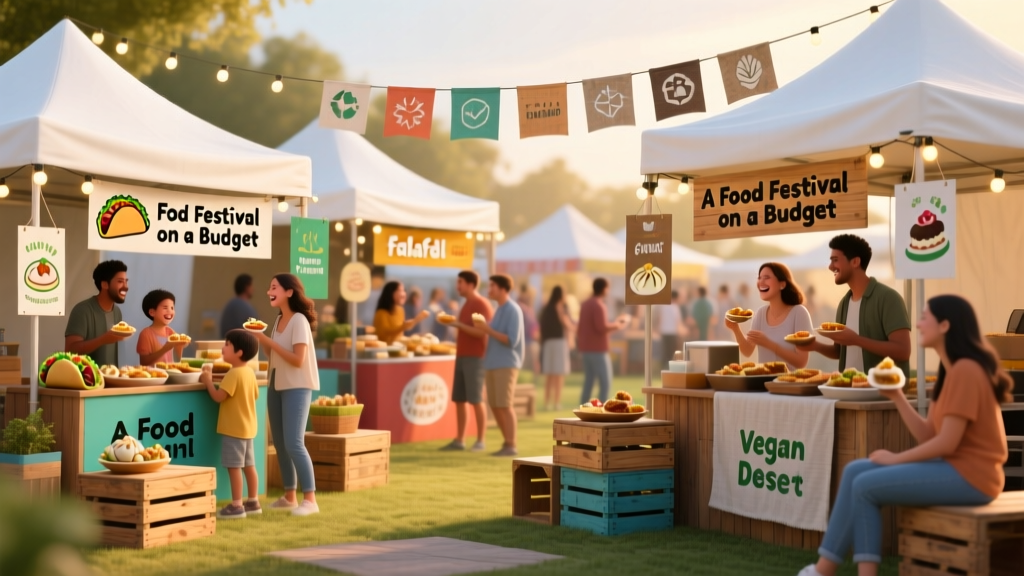
A Food Festival on a Budget
Food festivals feel big by nature: lots of moving parts, multiple vendors, crowds, and a sensory experience that people remember (or complain about) for months. The difference between a vibrant, profitable event and a chaotic one almost always comes down to planning—especially when you’re working with limited funds.
Budget-friendly doesn’t mean “small” or “cheap.” It means intentional: choosing the right footprint, securing the right partners, designing a simple site flow, and building a realistic event budget that protects the guest experience. With proven event coordination strategies—clear timelines, vendor standards, and strong communication—you can host a polished food festival that looks and feels premium without overspending.
This guide breaks down the process step-by-step with a practical planning timeline, budget breakdown ideas, vendor selection tips, and real-world examples you can adapt to your venue, audience, and local regulations.
Start With a Clear Festival Concept (So You Don’t Waste Money)
The fastest way to blow your event budget is to add “just one more” attraction with no strategic reason. Define a concept that’s easy to communicate, sponsor, and execute. Strong concepts also help with vendor curation, marketing, signage, and guest expectations.
Pick a Simple, Marketable Theme
- Single-focus festivals: Tacos, dumplings, BBQ, vegan street food, coffee & pastries.
- Neighborhood showcase: “Taste of Downtown” featuring local restaurants within a specific area.
- Experience-based themes: “Global Bites + Live DJ” or “Family Food Fest + Kids Zone.”
Define the “Non-Negotiables” (3–5 Items)
These are the elements guests will judge you on. Keep them realistic and fund them first:
- Cleanliness (trash, restrooms, handwashing)
- Fast lines (layout + vendor readiness)
- Great vendor mix (not 10 of the same thing)
- Safety and compliance (permits, insurance, crowd control)
- Clear communication (signage, menus, pricing transparency)
Set a Right-Sized Goal
- Attendance target: 300, 800, 2,000? Pick a range and plan for the midpoint.
- Success metric: Profit, fundraising, community engagement, vendor exposure, or lead generation.
- Format: 1-day pop-up festival is usually best for first-timers on a budget.
Choose a Budget-Friendly Format That Still Feels Premium
Ticketing Models (and When Each Works)
- Free entry + vendors sell directly: Easiest, lowest admin, great for public spaces. Earn revenue via sponsorships and vendor fees.
- Paid entry (flat fee): Predictable revenue; guests expect entertainment, seating, restrooms, and smooth operations.
- Token or tasting-card model: Guests buy tokens to redeem at booths. Adds complexity but helps standardize pricing and reduces vendor cash-handling.
Smart Ways to Add “Festival Energy” Without Big Costs
- Local talent: Partner with music schools, community groups, or small bands for lower fees.
- Micro-programming: 10-minute chef demos, hot sauce challenge, or “people’s choice” tasting vote.
- Photo moment: A branded backdrop + good lighting can outperform expensive decor.
Step-by-Step Planning Timeline (With Checklist Items)
This timeline works for most small-to-mid-sized food festivals. Adjust based on local permit lead times and venue requirements.
8–12 Weeks Out: Foundations
- Confirm festival concept, date, and rain plan
- Draft an event budget (see sample breakdown below)
- Secure venue or public space hold; request site map and capacity
- Contact city/county for permits, health department requirements, and fire code needs
- Identify your revenue plan: vendor fees, sponsorships, ticketing, bar revenue share
- Create a simple event planning binder (digital folder) with:
- Master timeline
- Vendor list + contracts
- Permit checklist
- Site map versions
- Run of show
- Staff/volunteer roster
6–8 Weeks Out: Vendor and Operations Build
- Open vendor applications; prioritize variety (sweet/savory, dietary options, beverages)
- Send vendor packet requirements:
- COI (certificate of insurance) deadline
- Business license/food handler proof
- Health department permit process
- Booth size, power rules, load-in times
- Approved items list (avoid duplicates)
- Lock core rentals: tents, tables, barricades, dumpsters, restrooms, handwash stations
- Confirm security plan and first aid coverage
- Draft site layout: vendor row spacing, queue lanes, seating, stage, entrance/exit
4–6 Weeks Out: Marketing + Sponsor Push
- Launch event page (with parking info, ADA access, and FAQs)
- Finalize key artwork for:
- Social posts
- Vendor promo kit
- Directional signage
- Menu/pricing signage templates
- Recruit volunteers; assign roles (check-in, trash team, vendor runner, info desk)
- Secure sponsors and in-kind partners (printing, water, ice, sound system)
- Confirm entertainment schedule; build a simple run of show
2–3 Weeks Out: Compliance + Final Logistics
- Collect final vendor documents (permits, COIs)
- Finalize site map and send to vendors and staff
- Confirm electrical plan (generator placement, cable ramps, outlets, wattage limits)
- Order signage and wristbands/tickets
- Create your “day-of” contact sheet:
- All vendor phone numbers
- City contacts
- Rental dispatch
- Security lead
- Medical/first aid contact
7 Days Out: Lock the Details
- Confirm delivery windows with all rental vendors
- Finalize staffing schedule; send call times and parking instructions
- Create emergency protocols:
- Severe weather
- Lost child
- Medical incident
- Fire/hazard
- Prepare cashless payment plan for entry (QR code, card reader, mobile tap)
- Assemble supplies: zip ties, duct tape, signage stakes, sanitizer, gloves, extension cords
Event Day: Execution Checklist
- Walk the site: entrances, exits, ADA pathways, trip hazards
- Set up vendor check-in with printed maps and rules
- Do a pre-open briefing with staff/volunteers
- Monitor:
- Lines and bottlenecks
- Trash levels and restroom restock
- Sound levels and neighbor concerns
- Vendor compliance (fire extinguishers, handwashing)
- Track attendance and peak times for future planning
48 Hours After: Wrap-Up
- Pay remaining invoices; reconcile revenue
- Send vendor and sponsor thank-you notes + feedback form
- Post event photos; tag vendors for extended reach
- Document lessons learned: what sold well, what ran out, where lines formed
Budget Breakdown: Where the Money Really Goes
A realistic event budget keeps your festival from getting “value engineered” at the last minute. Use ranges based on your city and scale, then refine with actual quotes.
Sample Budget (Small Festival: 500–1,000 Attendees)
- Permits & insurance: 8–15%
- Rentals (tents, tables, chairs, barricades): 20–35%
- Sanitation (restrooms, handwash, dumpsters, cleaning crew): 10–20%
- Security & medical: 10–15%
- Power & lighting (generators, cables, fuel, technicians): 8–15%
- Marketing & signage: 5–10%
- Entertainment/programming: 3–10%
- Staffing/volunteer support (meals, shirts, radios): 3–8%
- Contingency: 8–12%
Budget-Saving Tactics That Don’t Hurt the Guest Experience
- Scale the footprint: A tighter layout reduces fencing, lighting, and staffing needs.
- Ask for in-kind sponsorships: Printing, water, ice, trash service, radio ads.
- Use shared infrastructure: Central seating zone instead of scattered furniture everywhere.
- Prioritize sanitation: Skimping here costs more later in complaints and cleanup fees.
- Go cashless where possible: Faster entry, fewer cash-handling risks.
Real-World Example: “Taste of the Block” on a Lean Budget
A neighborhood association hosts a 1-day festival in a closed-off parking lot.
- Cost control: 10 vendors max, no stage, one DJ, central seating, limited lighting (daytime event).
- Revenue: Vendor booth fees + local sponsor covering restrooms and printing.
- Guest experience wins: Clear signage, shaded seating, short lines via staggered vendor load-in and smart layout.
Vendor Selection Tips: Build Variety, Speed, and Reliability
Your vendors are your product. A well-curated lineup reduces crowd frustration and increases return attendance.
How to Choose Vendors (Beyond “They’re Popular”)
- Service speed: Ask their average ticket time and peak-hour strategy.
- Menu simplicity: Festivals favor 3–6 core items over full restaurant menus.
- Power needs: Vendors with high electrical demand can increase generator costs.
- Compliance readiness: Vendors who understand health department requirements save you time.
- Price range balance: Ensure there are affordable options alongside premium items.
Vendor Fee Structures That Help You Stay on Budget
- Flat booth fee: Predictable revenue; keep fees fair based on attendance estimates.
- Tiered booth fee: Food trucks vs. tents vs. premium corner spots.
- Revenue share: Useful if you can provide strong attendance and vendor support—requires solid reporting.
Vendor Packet Must-Haves (Reduce Day-Of Problems)
- Load-in/out plan with times and maps
- Booth dimensions and fire lane rules
- Required fire extinguisher type (if applicable)
- Wastewater and grease disposal rules
- Noise policy and generator placement rules
- Branding rules and signage guidelines
Site Layout and Guest Flow: The Hidden Budget Multiplier
A thoughtful layout reduces staffing needs, prevents crowding, and keeps lines from blocking other vendors. This is one of the biggest “free” upgrades you can make through good event planning.
Layout Best Practices
- Create obvious entry points: One main entrance + one secondary exit if possible.
- Plan for lines: Mark queue lanes so lines don’t cut through walkways.
- Cluster seating: One central seating area near multiple vendors increases turnover.
- Put trash everywhere: Place bins near exits, seating, and high-traffic corners.
- Keep it accessible: ADA routes, viewing space, and restroom access matter.
Current Event Planning Trends to Use on a Budget
- Experience-first programming: Short demos, tastings, and audience voting cost little and boost engagement.
- QR-code signage: Digital menus, schedules, and maps reduce printing and last-minute edits.
- Local-first partnerships: Cross-promo with nearby shops and community groups expands reach cheaply.
- Sustainability basics: Clear waste stations with labeled bins and vendor guidelines reduce cleanup costs.
Common Food Festival Planning Mistakes (and How to Avoid Them)
- Underestimating sanitation: Too few trash cans and restrooms creates immediate negative feedback. Price this early.
- No contingency line item: Weather changes, last-minute rentals, or permit requirements happen. Hold 8–12%.
- Too many vendors selling the same thing: Reduces vendor satisfaction and makes the event feel repetitive.
- Ignoring power math: Overloaded circuits cause downtime. Require vendors to list wattage and test plans.
- Weak load-in management: Without staggered arrival times and a traffic plan, you’ll lose hours before opening.
- Not staffing the “unsexy” roles: Trash team, info desk, and vendor support runners keep the event functional.
Practical Templates You Can Copy
Mini Planning Checklist (Print-Friendly)
- Date/venue confirmed + rain plan
- Permits submitted + insurance secured
- Vendor roster finalized + documents collected
- Site map approved + vendor packet sent
- Rentals booked (restrooms, dumpsters, tents, barricades)
- Power plan confirmed (generators/cables/cable ramps)
- Security/first aid arranged
- Marketing live (event page, vendor promo kit, signage)
- Staff/volunteers scheduled + contact sheet shared
- Day-of run of show finalized
- Supplies packed + tools on-site
- Post-event survey drafted
Simple Run of Show Example (Daytime Festival)
- 7:00 AM Rentals arrive, site marking begins
- 8:00 AM Vendor load-in (wave 1)
- 9:00 AM Vendor load-in (wave 2), health/fire walkthroughs
- 10:30 AM Staff briefing, gates ready
- 11:00 AM Doors open
- 1:00 PM Short demo + sponsor mention
- 3:00 PM People’s choice voting closes
- 4:30 PM Last call / final entry
- 5:00 PM Festival ends, vendor load-out begins
- 6:30 PM Cleanup sweep + final site check
FAQ: Food Festival Planning on a Budget
How many vendors do I need for a small food festival?
For 500–1,000 attendees, aim for 8–15 food vendors depending on service speed and menu complexity. Add 1–2 beverage vendors to reduce bottlenecks and increase guest satisfaction.
What’s the best way to keep lines short without spending more?
Use a layout that supports queuing, require simplified menus, stagger vendor load-in for readiness, and assign a vendor support runner to handle ice, trash, and quick fixes so vendors stay focused on service.
Should I charge entry or keep it free?
Free entry works well when vendor booth fees and sponsors cover fixed costs. Paid entry fits when you’re offering entertainment, seating, and a more curated experience. If you’re unsure, start with low-cost entry or VIP add-ons rather than a high general admission price.
How do I get sponsors for a first-time festival?
Offer clear deliverables (logo placement, booth space, stage mentions, social posts) and pitch local businesses that benefit from foot traffic—banks, realtors, gyms, clinics, car dealerships, and neighborhood shops. In-kind sponsorships (printing, water, trash service) are often easier to close than cash.
What permits do I usually need?
Common requirements include a special event permit, health department approvals for food service, fire safety compliance for cooking setups, and proof of insurance. Requirements vary by city and venue, so confirm early and build deadlines into your planning timeline.
How can I make the festival feel “high-end” on a tight budget?
Invest in the basics guests feel immediately: clean restrooms, clear signage, shaded seating, smooth entry, and a strong vendor lineup. Add one visually impactful element (a branded photo wall or arch) and keep everything consistent across your event signage and vendor communication.
Next Steps: Turn Your Plan Into a Confident Launch
Start by setting your concept and attendance goal, then build a lean event budget that protects sanitation, safety, and guest flow. Secure vendors with clear standards, create a site map that prevents bottlenecks, and follow a timeline that locks permits and rentals early. A well-coordinated food festival doesn’t require a massive spend—it requires disciplined organization.
- Draft your one-page festival overview (theme, date, venue, target attendance)
- Build a first-pass budget with contingency
- Contact your permitting offices and request written requirements
- Open vendor applications and curate for variety + speed
- Create your site map and run of show, then refine as vendors confirm
Planning your next event? Explore more step-by-step event planning, party organization, and coordination guides at smartpartyprep.com.
More Articles
 How Many People Does a Big Y Party Pizza Feed? The Exact Serving Guide (No Guesswork, No Leftovers, No Awkward 'Who’s Still Hungry?')
How Much Money to Give for an Engagement Party: The Real-World Etiquette Guide That Saves You Awkwardness, Overspending, and Social Regret — No More Guesswork or Guilt
How Many People Does a Big Y Party Pizza Feed? The Exact Serving Guide (No Guesswork, No Leftovers, No Awkward 'Who’s Still Hungry?')
How Much Money to Give for an Engagement Party: The Real-World Etiquette Guide That Saves You Awkwardness, Overspending, and Social Regret — No More Guesswork or Guilt
 Where to Watch Corpse Party in 2024: The Only Up-to-Date, Legally Verified Guide (No More Dead Ends or Sketchy Sites)
What to Wear to a Casual Party: The 7-Second Outfit Formula (No Guesswork, No Overthinking, Just Confidence)
What to Wear at Garden Party: The 7-Second Dress Code Decoder (No More Awkward Outfit Regrets or Last-Minute Panic)
Where to Watch Corpse Party in 2024: The Only Up-to-Date, Legally Verified Guide (No More Dead Ends or Sketchy Sites)
What to Wear to a Casual Party: The 7-Second Outfit Formula (No Guesswork, No Overthinking, Just Confidence)
What to Wear at Garden Party: The 7-Second Dress Code Decoder (No More Awkward Outfit Regrets or Last-Minute Panic)
 Do You Give a Gift for Gender Reveal Party? The Unspoken Etiquette Guide (No Awkwardness, No Overthinking — Just Clear, Modern Answers)