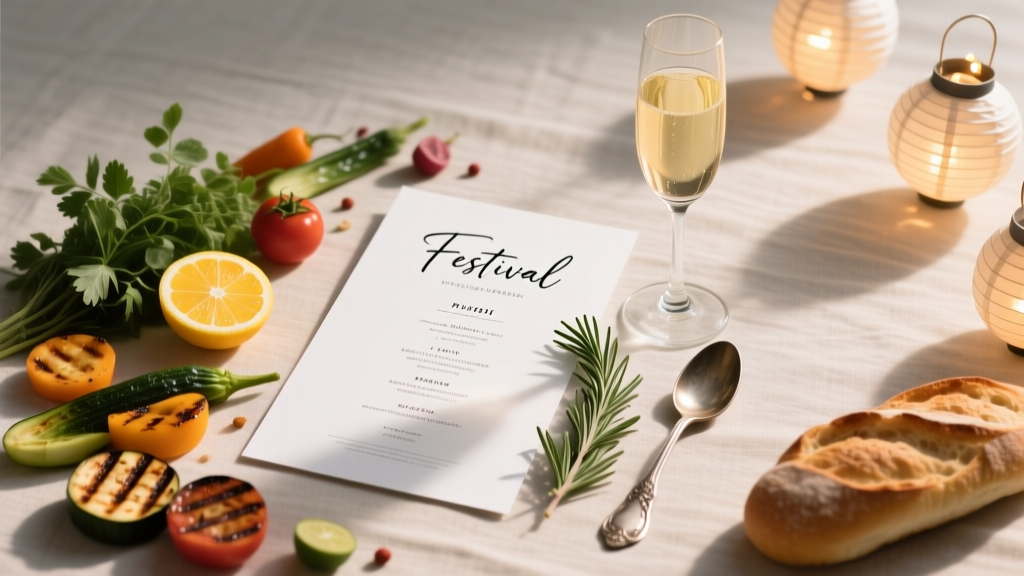
A Food Festival Menu Planning Guide
A food festival can feel like a moving puzzle: dozens of menu items, multiple vendors, varied dietary needs, food safety requirements, and guest expectations—all happening on a tight schedule. The menu is the heartbeat of the event. When it’s planned strategically, everything else gets easier: vendor coordination, staffing, signage, procurement, waste reduction, and the overall guest experience.
Proper menu planning also protects your budget and your reputation. Running out of popular items, creating bottlenecks at service lines, or overlooking allergens can turn a fun day into a stressful one. The goal is to design a food festival menu that’s exciting and cohesive, while staying realistic about preparation, holding times, equipment, and service speed.
This guide walks you through food festival menu planning step-by-step, with practical timelines, checklists, budget frameworks, vendor selection tips, and common mistakes to avoid—so you can deliver a smooth, memorable event with professional event coordination.
Start With the Festival Concept (Theme, Audience, and Format)
Before you choose a single dish, clarify the “why” behind your event. This drives menu decisions and keeps your planning team aligned.
Define the festival identity
- Theme: Street food, regional cuisine, BBQ showdown, dessert crawl, cultural celebration, farm-to-table, seafood fest, plant-based expo.
- Audience profile: Families, young professionals, culinary enthusiasts, tourists, corporate attendees, community members.
- Format: Ticketed tastings, pay-per-item, tasting tokens, VIP lounge, vendor booths, chef demos, competition-style sampling.
Real-world example: matching menu to format
- Token-based tasting festival: Focus on smaller portions (2–4 oz) and items that serve quickly.
- Pay-per-item street food festival: Allow larger portions and vendor signature dishes, but ensure enough checkout capacity.
- VIP tasting hour: Include premium bites (oysters, steak skewers, craft desserts), faster replenishment, and clearly labeled allergens.
Set Your Menu Goals: Variety, Speed, Safety, and Wow-Factor
Professional event planning starts with measurable goals. For food festival menu planning, use the four S’s: Selection, Speed, Safety, and Story.
- Selection: Balanced mix of proteins, vegetarian options, gluten-free choices, kid-friendly items, and desserts.
- Speed: Favor items that can be assembled fast and held safely (tacos, sliders, bowls, skewers).
- Safety: Clear allergen labeling, proper hot/cold holding, handwashing, and cross-contamination controls.
- Story: A cohesive narrative that makes your festival feel curated (local farms, heritage recipes, global street food tour).
Build the Menu Structure (Categories and Balance)
A strong menu is designed like a map: it guides guests through choices without overwhelming them. Even with many vendors, you can curate categories and targets.
Recommended menu category mix
- Signature savory items (40–50%): tacos, dumplings, wings, BBQ, noodles, bowls
- Light/balancing options (15–20%): salads, grilled vegetables, soups, seafood cups
- Vegetarian/vegan anchors (15–25%): plant-based mains, falafel, jackfruit, tofu, mushroom options
- Desserts (10–15%): handheld sweets, churros, mini pies, ice cream sandwiches
- Beverages (separate plan): water strategy first, then soda, coffee, mocktails, craft beer/wine (as permitted)
Portion strategy (keep it festival-friendly)
- Taste/sample: 2–4 oz or 2–4 bites; ideal for token systems.
- Half portion: Smaller plate for guests who want variety without waste.
- Full portion: Reserved for a subset of vendors to avoid “one-and-done” eating that reduces exploration.
Account for Dietary Needs and Allergen Management
Modern event coordination requires proactive dietary planning. Guests expect inclusive options and clear labeling—especially at public events.
Minimum dietary coverage targets
- Vegetarian: At least 20% of total offerings across the festival
- Vegan: At least 10% (or more depending on audience)
- Gluten-free: Several naturally GF items plus clearly labeled options
- Nut-free friendly zones: If possible, designate vendors with strict controls
Allergen labeling checklist
- Standard allergen icons: dairy, eggs, gluten, peanuts, tree nuts, soy, fish, shellfish, sesame
- Ingredient lists available via QR code (current trend: digital menus and signage)
- Vendor training: what “gluten-free” means (no cross-contact, dedicated utensils where required)
- Clear escalation plan: who handles an allergy question when the booth is busy
Food Festival Planning Timeline (8 Weeks to Event Day)
Use this planning timeline as a template and adjust based on your permit deadlines, vendor availability, and marketing schedule.
8–6 weeks out: concept, permits, vendor recruitment
- Finalize theme, format (tokens vs pay-per-item), and attendance target
- Confirm venue rules: power access, water access, waste requirements, cooking restrictions
- Start permits: health department, fire, alcohol (if applicable), temporary food service permits
- Vendor outreach and applications
- Draft menu mix targets (categories + dietary goals)
6–4 weeks out: menu curation and layout planning
- Select vendors and collect preliminary menus
- Identify overlaps (too many tacos, too many burgers) and rebalance
- Confirm each vendor’s equipment needs (generators, propane, refrigeration)
- Design site layout to reduce lines and distribute popular items
- Lock in beverage plan and hydration stations
4–2 weeks out: production details and guest experience
- Collect final menu items with allergen tags and pricing/token values
- Standardize signage (fonts, icons, vendor booth numbers)
- Plan queue management: stanchions, line signage, volunteer positioning
- Finalize staffing: load-in crew, vendor check-in, runners, trash team, floater problem-solvers
- Confirm rentals: tents, tables, handwash stations, lighting, trash/recycling bins
2 weeks–event week: confirmations and contingency planning
- Vendor confirmation packet: arrival time, maps, parking, rules, contacts
- Run a menu risk review: “What happens if our top 2 vendors cancel?”
- Create day-of schedules: setup windows, opening, peak hours, breakdown
- Stock back-up supplies: disposable gloves, sanitizer, signage tape, extension cords (if allowed)
Event day: execution rhythm
- Vendor check-in + compliance walk (handwash, temp logs, fire safety)
- Opening huddle: schedule reminders, emergency plan, radio/phone channels
- Monitor lines and pivot: move volunteers, adjust signage, open extra POS points
- Replenish shared stations: water, napkins, compost bins
- Close-out: vendor breakdown order, site sweep, waste hauling, lost and found
Menu Planning Checklist (Copy/Paste for Your Planning Doc)
- Concept + goals: theme, audience size, service format, dietary coverage targets
- Vendor menus collected: item names, portion size, prep method, ingredients/allergens
- Balanced categories: savory, vegetarian/vegan, gluten-free, desserts, beverages
- Operational feasibility: holding time, cook-to-order limits, equipment and power needs
- Price/tokens: standardized token values or pricing guardrails
- Signage: booth numbers, menu boards, allergen icons, QR code menu page
- Waste plan: compost/recycling/trash placement and vendor responsibilities
- Food safety: permits, handwash stations, temp logs, sanitizer buckets, glove policy
- Guest flow: layout, line management, seating areas, ADA access
- Contingencies: backup vendors, rain plan, supply backup kit
Budget Considerations (Sample Breakdown + Cost Controls)
A clear budget keeps menu decisions realistic. Food festivals commonly overspend on last-minute rentals, power solutions, and waste hauling—so build these into your plan early.
Sample budget breakdown (percent ranges)
- Permits, insurance, compliance: 5–12%
- Rentals (tents, tables, handwash, lighting): 15–30%
- Power/water solutions (generators, distribution): 8–20%
- Staffing/contract labor/security: 15–25%
- Marketing, signage, printing, website/QR: 8–15%
- Waste management and cleaning: 5–12%
- Entertainment/programming (optional): 5–15%
- Contingency: 8–12%
Cost-control tips tied to menu planning
- Standardize serving vessels: Fewer cup/plate sizes reduces confusion and waste.
- Favor quick-serve items: Faster service reduces staffing pressure and improves guest satisfaction.
- Use sponsor-supported hydration: Water stations are essential; sponsorship can offset costs.
- Set vendor “included” utilities: Define what power/water is provided vs vendor-supplied to avoid surprise expenses.
Vendor Selection Tips (Curate for Quality and Operations)
Vendor coordination is central to event planning success. Choose vendors for reliability and operational fit—not just popularity.
Vendor application must-haves
- Proposed menu items with portion size and price/token value
- Proof of insurance and licensing requirements (as applicable)
- Equipment list: propane, grills, fryers, refrigeration, generator needs
- Service speed estimate (orders/minute during peak)
- Allergen and dietary claims with process details
Vendor mix strategy (proven approach)
- Anchor vendors (20%): known crowd-pleasers that move lines fast
- Discovery vendors (60%): unique concepts that add variety and press-worthy items
- Sweet finishers (20%): desserts + beverage specialists to spread demand across the site
Current trends to consider
- Global street food: region-specific menus with authentic storytelling
- Plant-forward menus: vegetable-centered mains, not just “salads”
- Mocktails and zero-proof bars: inclusive beverage programs
- QR code menus: reduces print costs and supports real-time updates
- Compostable serviceware + waste sorting: sustainability expectations are rising
Operational Menu Design: Prevent Lines and Sell-Outs
The best festival menus are designed for throughput. A brilliant dish that takes five minutes to assemble will cause a bottleneck at peak time.
Throughput guidelines for vendors
- Limit cook-to-order complexity during peak hours (pre-prep components)
- Offer 2–4 core items max per vendor at the event (add-ons optional)
- Use batch-friendly items with safe holding capability
- Encourage contactless payment and multiple POS devices where possible
Real-world example: fixing a line problem
If a dumpling vendor has a 25-minute line, switch to a “three-item only” menu (classic pork, vegan, gluten-free) and pre-portion sauces. Add a clear “order here” sign, and position a volunteer to guide guests and keep the walkway open. This simple coordination shift can cut service time dramatically without changing food quality.
Common Food Festival Menu Planning Mistakes to Avoid
- Too many similar vendors: Ten taco stands sounds fun until guests feel like they have no real choices.
- Ignoring service speed: Long lines reduce sales, increase complaints, and create crowding issues.
- Underplanning dietary needs: One vegan option in a corner booth isn’t enough for modern audiences.
- Weak signage: Guests should see menu highlights, pricing/tokens, and allergen icons without stepping into the line.
- No backup plan: Vendor cancellations, weather changes, and power issues happen—plan for them.
- Forgetting hydration: Water availability is a guest comfort and safety issue, not an afterthought.
- Unclear vendor rules: When vendors interpret logistics differently, day-of coordination becomes reactive and stressful.
FAQ: Food Festival Menu Planning
How many menu items should a food festival have?
It depends on attendance and vendor count, but a practical target is 2–4 items per vendor plus a balanced mix across the festival (savory, vegetarian/vegan, gluten-free, desserts, beverages). More items often slows service and complicates signage and allergen control.
What’s the best pricing method: tokens or pay-per-item?
Tokens streamline the guest experience and speed up ordering, especially for tastings. Pay-per-item can work well for street-fair style events but requires strong POS capacity and queue management. Many festivals use a hybrid: tokens for tastings plus separate beverage sales.
How do I estimate how much food vendors should prep?
Use attendance forecasts and serving size. For a token-based event, estimate 3–6 tastings per guest over the event window. Then adjust for daypart (lunch vs dinner), weather, and whether alcohol is served. Ask vendors for historical sales data and build a shared “prep range” rather than one fixed number.
How can I reduce long lines?
Choose fast-serve menu items, limit vendor menus, distribute popular concepts across the site, add clear signage before guests enter lines, and encourage multiple payment points. Operational planning and coordination often improves line times more than adding extra vendors.
What do I need for allergen and food safety compliance?
Requirements vary by location, but common needs include temporary food permits, handwash stations, temperature control logs, sanitizer setup, and clear allergen labeling. Build compliance into vendor onboarding, and schedule a day-of check-in walk before gates open.
Actionable Next Steps: Your Menu Planning Game Plan
- Draft your menu goals: theme, audience size, dietary coverage targets, and service format.
- Create a vendor menu intake form: items, portion sizes, allergens, equipment needs, throughput estimate.
- Curate for balance: avoid duplicates, ensure vegetarian/vegan and gluten-free options are visible and appealing.
- Lock signage and labeling: booth numbers, pricing/tokens, allergen icons, QR menu page.
- Run a day-of operations review: layout, lines, hydration, waste plan, contingency coverage.
A well-planned food festival menu is equal parts creativity and coordination. When you build your menu around guest flow, dietary inclusivity, vendor operations, and smart budgeting, you create the kind of event people talk about—and return to next year.
Want more practical event planning checklists, party organization tips, and coordination guides? Explore more resources on smartpartyprep.com.
More Articles
 When Hosting a Party with Alcohol You Should Follow These 7 Non-Negotiable Safety & Legal Steps (Most Hosts Skip #3 — It’s Costing Them Liability)
 What Are Two Major Political Parties in the US? The Truth Behind the Binary—and Why Understanding Their Real-World Impact Matters More Than Ever in 2024’s High-Stakes Elections
What Is a Panda Party? The Ultimate No-Stress Guide to Planning a Memorable, Budget-Friendly Panda-Themed Birthday That Kids (and Parents) Actually Love — From Concept to Clean-Up in 7 Simple Steps
How to Throw a Garden Party Without Stress: The 7-Step Real-World Framework That Cut Planning Time by 63% (Backed by 127 Hosts’ Data)
What to Wear to an All Black Party: 7 Styling Mistakes That Make You Blend Into the Wallpaper (and How to Stand Out Without Breaking the Dress Code)
Do You Give Gifts at a Bachelorette Party? The Truth No One Tells You (Spoiler: It’s Not About the Present—It’s About the Person)
How to Display Pictures at a Graduation Party: 7 Stress-Free, Photo-Forward Strategies That Guests Actually Stop and Smile At (No Framing Skills Required)
What Are Two Major Political Parties in the US? The Truth Behind the Binary—and Why Understanding Their Real-World Impact Matters More Than Ever in 2024’s High-Stakes Elections
What Is a Panda Party? The Ultimate No-Stress Guide to Planning a Memorable, Budget-Friendly Panda-Themed Birthday That Kids (and Parents) Actually Love — From Concept to Clean-Up in 7 Simple Steps
How to Throw a Garden Party Without Stress: The 7-Step Real-World Framework That Cut Planning Time by 63% (Backed by 127 Hosts’ Data)
What to Wear to an All Black Party: 7 Styling Mistakes That Make You Blend Into the Wallpaper (and How to Stand Out Without Breaking the Dress Code)
Do You Give Gifts at a Bachelorette Party? The Truth No One Tells You (Spoiler: It’s Not About the Present—It’s About the Person)
How to Display Pictures at a Graduation Party: 7 Stress-Free, Photo-Forward Strategies That Guests Actually Stop and Smile At (No Framing Skills Required)
 How Much Tea Was Dumped at the Boston Tea Party? The Exact Tonnage, Ship-by-Ship Breakdown, and Why This Number Changed History (Not Just Tea)
How to Make Party Private Fortnite in 2024: The Only 5-Step Guide That Actually Stops Strangers From Crashing Your Squad (No Console Tricks Needed)
How Can You Transfer Sensitive Business Data to 3rd Parties Safely? 7 Non-Negotiable Steps That Prevent Breaches, Fines, and Reputational Collapse (Backed by GDPR, HIPAA & NIST)
How Much Tea Was Dumped at the Boston Tea Party? The Exact Tonnage, Ship-by-Ship Breakdown, and Why This Number Changed History (Not Just Tea)
How to Make Party Private Fortnite in 2024: The Only 5-Step Guide That Actually Stops Strangers From Crashing Your Squad (No Console Tricks Needed)
How Can You Transfer Sensitive Business Data to 3rd Parties Safely? 7 Non-Negotiable Steps That Prevent Breaches, Fines, and Reputational Collapse (Backed by GDPR, HIPAA & NIST)