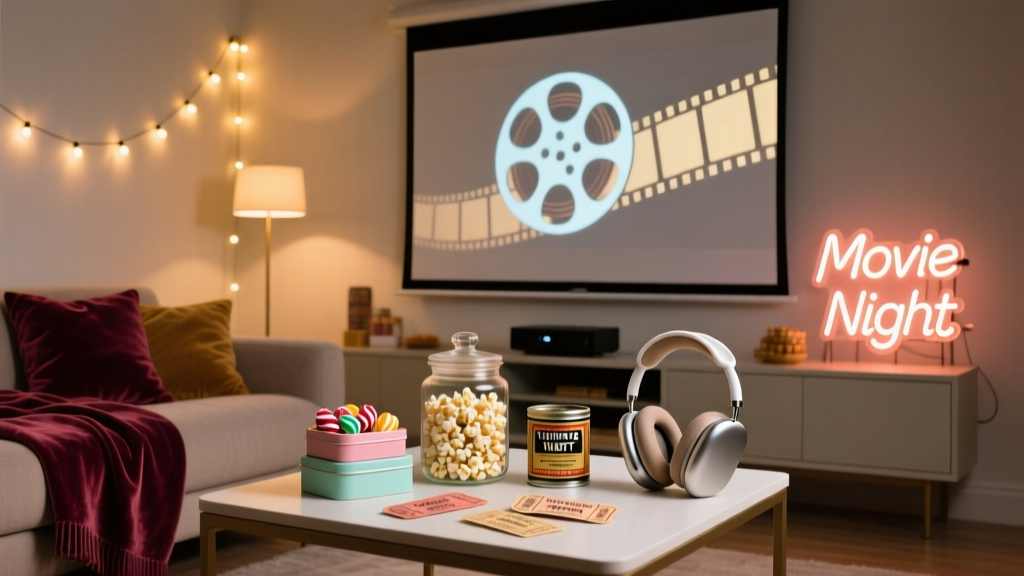
Film Screening Entertainment Ideas: How to Plan an Unforgettable Movie Night Event
A film screening can be one of the most memorable event formats you can host—whether it’s a backyard movie night, a corporate appreciation screening, a fundraiser, a community pop-up cinema, or a private premiere for friends and family. The difference between “we watched a movie” and “that was an experience” comes down to event planning, party organization, and tight day-of coordination.
Great screenings feel effortless to guests, but they’re built on clear goals, a realistic timeline, smart vendor choices, and thoughtful entertainment ideas that support (not distract from) the film. When you plan ahead, you’ll avoid common pitfalls like sound issues, long lines at concessions, awkward seating, or a venue that looks amazing… until the sun sets and no one can see the screen.
This guide breaks down practical film screening entertainment ideas plus step-by-step planning tools—checklists, a planning timeline, budget breakdowns, and real-world examples—so you can host a polished, crowd-pleasing screening with confidence.
Choose the Type of Film Screening (and Match the Entertainment to It)
Start with the “why.” Your event purpose drives everything else: venue, permits, programming, food, and the right entertainment ideas.
Common film screening formats
- Backyard or neighborhood movie night: Casual, community-forward, family-friendly.
- Corporate screening: Employee appreciation, client event, brand activation.
- Fundraiser screening: Nonprofit benefit with donation moments and sponsor visibility.
- Private premiere: Birthdays, anniversaries, graduation parties, watch parties.
- Community/campus screening: Student organizations, parks, libraries, arts councils.
Quick decision prompts
- Who is your audience (families, teens, adults, mixed)?
- Do you want a pre-show vibe (social) or a sit-down cinema vibe (quiet, focused)?
- Is this a ticketed event or RSVP-only?
- Will you need film licensing or public performance rights?
Film Screening Entertainment Ideas (Before, During, and After the Movie)
The best movie night entertainment supports guest flow: arrival, mingling, seating, and a smooth transition into the feature. Use entertainment as “soft scheduling” so guests naturally move where you need them.
Pre-show entertainment ideas (30–60 minutes)
- Red carpet entry + photo backdrop: A simple step-and-repeat banner or themed backdrop with good lighting. Add a volunteer/photographer for quick keepsakes.
- Trivia station: Print trivia cards or run a live mini-quiz. Offer small prizes (candy bags, popcorn vouchers, sponsor coupons).
- Theme costume moment: Encourage guests to dress to the movie theme (’80s night, superhero, studio glam). Award “best dressed” before the film starts.
- Music playlist with timed cues: Set a pre-show playlist that fades 5 minutes before start time. This helps create a professional event cadence.
- Interactive lobby tables: “Vote for the next movie,” “Write your favorite quote,” or “Sign the poster.” Great for community and corporate culture building.
- Kids’ activity corner: Coloring sheets, glow sticks, simple crafts. Keep it quiet and easy to clean.
Entertainment ideas during the screening (keep it minimal and respectful)
- Curated concessions experience: A themed snack bar is entertainment on its own. Pre-bag items to reduce lines.
- Intermission (optional): Best for long films or family audiences. Use it for a quick raffle draw or sponsor shoutout.
- Live captions/subtitles: Accessibility is a growing event planning trend. Choose screened content with subtitles or provide captioning solutions where possible.
Post-show entertainment ideas (10–30 minutes)
- Mini discussion or Q&A: Perfect for documentaries, student films, or corporate values content. Keep it time-boxed.
- Photo moment finale: Encourage guests to take final photos at the backdrop as they exit (great for branded events).
- After-party lounge: Light music, dessert table, and a casual mingling area if your venue allows extended time.
Creative Theme Concepts Guests Love
A theme makes planning easier: décor choices, menu, signage, and playlists become obvious. It also boosts RSVPs because the event feels curated.
- Drive-In Revival: Parking-lot or open field screening with car-friendly audio options and classic concession signage.
- Studio Premiere Night: Red carpet runner, gold/black décor, “VIP” lanyards, mocktails, photo ops.
- Family Pajama Party: Blanket seating zones, cocoa bar, kid-friendly snack packs, early start time.
- Outdoor Adventure: Lantern-style lighting, camp chairs, s’mores kit station, nature-inspired signage.
- Local Film Spotlight: Partner with local filmmakers, include a short-film block, and host a brief Q&A.
Step-by-Step Planning Timeline (With Checklist)
Use this event coordination timeline as a practical template. Adjust based on event size and whether you need permits or licensing.
6–8 weeks out: Foundation & approvals
- Define goal, audience size, and success metrics (attendance, fundraising target, brand impressions).
- Choose date/time (check local events, sports finals, holidays).
- Confirm venue (backyard, park, rooftop, auditorium, office, community center).
- Secure film licensing/public performance rights if screening publicly.
- Draft a preliminary budget and decide ticketing/RSVP plan.
- Identify key vendors: AV/projection, seating rentals, catering/concessions, restroom rentals (if outdoors), security (if needed).
4–6 weeks out: Program & guest experience
- Finalize theme, décor plan, and signage needs.
- Design guest flow: entry, check-in, seating zones, concessions, exits.
- Create a run-of-show schedule (pre-show, start time, intermission, credits, exit).
- Set menu/concessions plan; decide cashless options (QR code pay is a current trend for faster lines).
- Book entertainment add-ons (photo booth, trivia host, DJ for pre-show).
- Start marketing: event page, community partners, email invites, social posts.
2–3 weeks out: Logistics lock
- Confirm AV specs: screen size, projector brightness (lumens), sound system power, microphone needs.
- Schedule a venue walk-through (note power access, ambient light, wind exposure, noise restrictions).
- Finalize vendor contracts, deposits, delivery/pickup times.
- Order printed materials: directional signs, menus, sponsor banners, programs.
- Plan weather contingencies (rain date, tenting, indoor backup, communication plan).
1 week out: Build the day-of plan
- Confirm final headcount and seating layout.
- Create staff/volunteer assignments:
- Check-in lead
- Concessions lead
- AV liaison
- Floaters for guest support
- Safety/first-aid point person
- Print or share run-of-show, vendor contact list, and site map.
- Prep emergency kit: gaffer tape, extension cords, batteries, wipes, flashlights, ponchos, basic first aid.
Day-of timeline template (example)
- T-4 hours: Vendor load-in; mark zones; test power.
- T-3 hours: Screen and projector set; sound check; mic check.
- T-2 hours: Seating setup; décor; signage; concessions staging.
- T-60 minutes: Final AV test with film content; doors/check-in ready.
- T-45 minutes: Pre-show music + trivia/photo ops open.
- T-10 minutes: “Find your seats” announcement; dim lights.
- Start: Brief welcome + housekeeping (restrooms, exits, photo policy).
- During: Monitor sound, crowd, and concessions line; manage intermission if applicable.
- End: Thank-you message + next event promo; guided exit flow.
- T+30 minutes: Breakdown begins; lost-and-found sweep.
Budget Considerations (Sample Breakdown + Cost-Saving Tips)
A film screening budget usually falls into two categories: screening essentials (AV, licensing, venue logistics) and guest experience (food, décor, entertainment). Plan both to avoid last-minute add-ons.
Sample budget breakdown (mid-size outdoor screening, 75–120 guests)
- Film licensing/public performance rights: 10–25%
- AV rental (screen, projector, sound, technician): 30–45%
- Venue fees/permits/insurance: 5–15%
- Seating + rentals (chairs, blankets, tents, heaters/fans): 10–20%
- Food & beverages (concessions, catering, water station): 10–20%
- Décor, signage, lighting: 5–10%
- Staffing/security/cleanup: 5–15%
- Contingency: 8–12%
Cost-saving strategies that still look premium
- Prioritize sound quality: Guests will forgive minimal décor; they won’t forgive muddy audio.
- Use sponsorships: Offer sponsor logo placement on screen pre-roll, banners, and snack bar signage.
- Pre-bag concessions: Reduces staffing needs and speeds service.
- Lean into “cozy seating”: Blanket zones and BYO lawn chairs can reduce rental costs (with clear guidance in invitations).
- Digital signage: QR codes for menus, schedules, and donations reduce print spend.
Vendor Selection Tips (AV, Rentals, Food, and Staffing)
Vendor management is a core event planning skill for screenings because technical performance directly affects the guest experience.
AV/projection vendor questions to ask
- What projector brightness (lumens) do you recommend for my start time and ambient light?
- Do you provide an on-site technician for the full event (not just setup)?
- How do you handle wind, uneven ground, and screen stability outdoors?
- What audio setup is best for my crowd size (speakers, mixer, wireless mic)?
- What are your backup plans for equipment failure (spare cables, second laptop/media player)?
Food and concessions tips
- Keep lines short: Two small service points beat one large table.
- Offer dietary options: At minimum: one gluten-free snack and one non-sugary option.
- Hydration matters: Water station + cups or bottled water is essential for outdoor events.
- Trend watch: “Curated snack bars” (gourmet popcorn flavors, mocktail stations, local dessert vendors) are popular because they feel special without adding a full catering complexity.
Real-World Examples (How the Entertainment Comes Together)
Example 1: Backyard family movie night (30 guests)
- Entertainment: Pajama dress code, glow-stick bracelets, “guess the movie quote” cards.
- Food: Pre-bag popcorn + candy; cocoa bar in insulated dispensers.
- Coordination win: Start at dusk minus 15 minutes, with a short cartoon “buffer” while guests settle.
Example 2: Corporate outdoor screening (150 guests)
- Entertainment: Branded photo backdrop, raffle, quick welcome remarks, post-show dessert lounge.
- Food: Food trucks with staggered ordering windows; QR code menu signage.
- Coordination win: Clear seating zones (VIP blankets, standard chairs, ADA space) with directional signage.
Example 3: Fundraiser screening (200 guests)
- Entertainment: Sponsor shoutout reel pre-show, donation moment at intermission, silent auction QR codes.
- Food: Simple concessions plus a sponsored “signature popcorn flavor.”
- Coordination win: A dedicated emcee keeps messaging short and energizing without delaying the film.
Common Film Screening Planning Mistakes to Avoid
- Starting too early outdoors: If it’s not dark enough, the screen looks washed out. Plan your start time around sunset and ambient light.
- Underestimating sound needs: Outdoor events require stronger audio than expected. Test sound from the back row.
- No clear run-of-show: Guests need cues. Without them, start time drifts and energy drops.
- Forgetting power logistics: Not all outlets are created equal. Confirm amperage, distance, and safe cable runs (use cable covers/gaffer tape).
- Long concession lines: Pre-bag items, add a second station, and use cashless payment options.
- No weather plan: A simple rain plan and communication template prevents day-of panic.
- Ignoring accessibility: Plan ADA-friendly seating, clear paths, restroom access, and consider subtitles where possible.
FAQ: Film Screening Event Planning
Do I need a license to show a movie at my event?
If it’s a public screening (open to the public, ticketed, or hosted by an organization), you typically need public performance rights. Private, small gatherings at home are different. When in doubt, confirm licensing requirements early in your planning timeline.
What’s the best time to start an outdoor movie screening?
Plan the feature to start after dusk, when ambient light is low enough for a bright image. In warmer months, that may mean a later start—use pre-show entertainment to keep guests engaged.
How do I keep guests comfortable for a longer film?
Offer a mix of seating (chairs + blanket lounge zone), provide bug control options, make water easily available, and consider a brief intermission for families and older guests.
What’s the most important place to spend money?
Audio and projection quality deliver the core experience. A great screen with weak sound still feels disappointing, so prioritize AV reliability and an on-site technician if your budget allows.
How do I manage crowd flow and avoid chaos at check-in?
Use a simple check-in system (printed list or QR code), clear signage, and a “holding area” with pre-show entertainment. Add stanchions or tape lines if you expect a rush.
What are easy entertainment upgrades that don’t add much complexity?
A themed photo backdrop, a trivia card station, and a curated snack bar are high-impact upgrades that are easy to execute with minimal staffing.
Actionable Next Steps for Planning Your Screening
- Pick your screening format and define your audience size.
- Lock the date, venue, and film licensing early.
- Book AV support and build a run-of-show schedule.
- Choose 2–3 entertainment ideas that support guest flow (photo moment + trivia + snack bar is a solid combo).
- Finalize your budget with a 10% contingency and confirm vendor load-in times.
- Prepare a weather and communication plan so you can pivot calmly if conditions change.
If you’re ready to plan your next event with less stress and better results, explore more event planning checklists, party organization tips, and coordination guides on smartpartyprep.com.
More Articles
 Do I Take a Gift to a Gender Reveal Party? The Uncomfortable Truth No One Tells You (Spoiler: It’s Not About the Baby — It’s About the Host’s Stress Level)
Is Poker Party Legit? We Investigated 12 Red Flags, Verified User Payouts, Checked BBB & FTC Records, and Tested Their Platform for 90 Days—Here’s What Actually Happens When You Book
Do I Take a Gift to a Gender Reveal Party? The Uncomfortable Truth No One Tells You (Spoiler: It’s Not About the Baby — It’s About the Host’s Stress Level)
Is Poker Party Legit? We Investigated 12 Red Flags, Verified User Payouts, Checked BBB & FTC Records, and Tested Their Platform for 90 Days—Here’s What Actually Happens When You Book
 Why Is the Sausage Party Rated R? The Real Reasons Behind the MPAA Rating (and What It Means for Your Next Adult-Themed Event)
Where to Stay in Charleston for Bachelorette Party: The 7-Neighborhood Breakdown That Saves You From Last-Minute Panic, Overpriced Bookings, and Missed Vibes (2024 Verified)
How Much Are Birthday Parties at Sky Zone? We Called 27 Locations, Compared Packages, and Found Hidden Fees Most Parents Miss — Here’s the Real Total Cost (2024 Updated)
Why Is the Sausage Party Rated R? The Real Reasons Behind the MPAA Rating (and What It Means for Your Next Adult-Themed Event)
Where to Stay in Charleston for Bachelorette Party: The 7-Neighborhood Breakdown That Saves You From Last-Minute Panic, Overpriced Bookings, and Missed Vibes (2024 Verified)
How Much Are Birthday Parties at Sky Zone? We Called 27 Locations, Compared Packages, and Found Hidden Fees Most Parents Miss — Here’s the Real Total Cost (2024 Updated)
 Is PS5 Fortnite Party Lock Icon Real? What That Padlock Actually Means (And Why Your Friends Can’t Join — Even When It’s Not Locked)
Does Kia Finance Allow 3rd Party Lease Buyout? Yes — But Only If You Follow These 7 Non-Negotiable Steps (Most People Miss #4)
Is Oregon a 2 Party Consent State? Yes — Here’s Exactly What That Means for Your Next Meeting, Interview, or Remote Event (and How to Stay Fully Compliant in 2024)
Who Formed the Bull Moose Party? The Surprising Truth Behind Teddy Roosevelt’s 1912 Third-Party Revolt — And Why Historians Still Debate Its Legacy Today
Did The Hunting Party Get Renewed For Season 2? Here’s the Official Status, Why It Matters for Your 2024 Luxury Outdoor Event Planning, and Exactly What to Watch Instead If It’s Canceled
Is PS5 Fortnite Party Lock Icon Real? What That Padlock Actually Means (And Why Your Friends Can’t Join — Even When It’s Not Locked)
Does Kia Finance Allow 3rd Party Lease Buyout? Yes — But Only If You Follow These 7 Non-Negotiable Steps (Most People Miss #4)
Is Oregon a 2 Party Consent State? Yes — Here’s Exactly What That Means for Your Next Meeting, Interview, or Remote Event (and How to Stay Fully Compliant in 2024)
Who Formed the Bull Moose Party? The Surprising Truth Behind Teddy Roosevelt’s 1912 Third-Party Revolt — And Why Historians Still Debate Its Legacy Today
Did The Hunting Party Get Renewed For Season 2? Here’s the Official Status, Why It Matters for Your 2024 Luxury Outdoor Event Planning, and Exactly What to Watch Instead If It’s Canceled