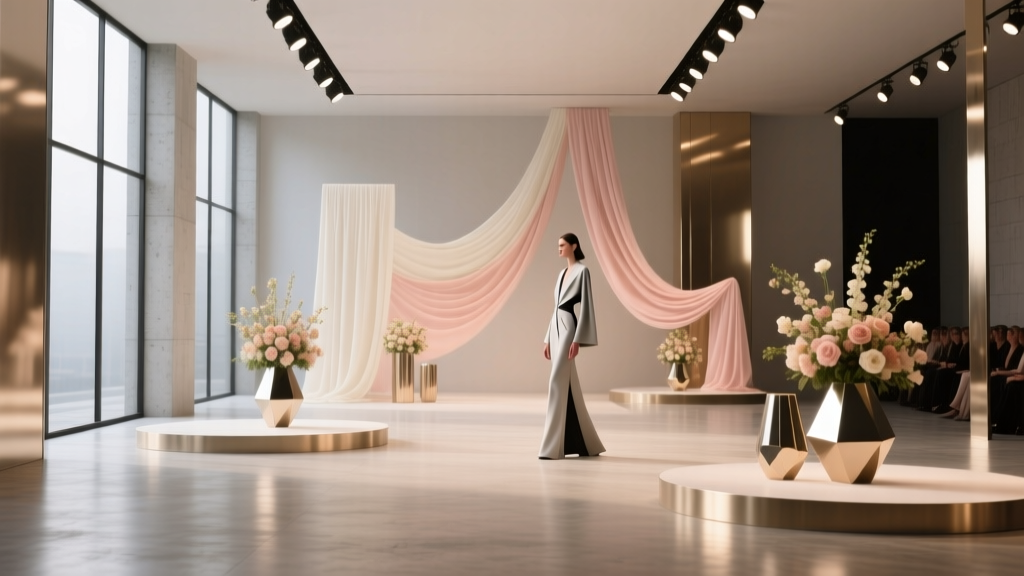
Fashion Show Venue Ideas: How to Choose the Perfect Space (and Plan It Step by Step)
A fashion show is more than a runway and a playlist—it’s a tightly coordinated live production. The venue you choose affects everything: the guest experience, lighting and sound quality, backstage flow, sponsor visibility, ticketing logistics, and even how your photos and videos look afterward. A beautiful collection can fall flat in a space with poor sightlines, bad acoustics, or nowhere to stage quick outfit changes.
The good news: with a clear event planning process and a venue that matches your concept, fashion shows are one of the most impactful events to produce. From retail launches and charity galas to student showcases and influencer-forward pop-ups, the right space can elevate your brand story and keep your event planning timeline on track.
This guide shares practical fashion show venue ideas, step-by-step planning timelines, budget considerations, vendor selection tips, and common mistakes to avoid—so you can coordinate confidently from site tour to final curtain call.
Start With the Format: What Kind of Fashion Show Are You Producing?
Before you tour venues, define the show structure. Your format determines runway length, seating layout, backstage needs, and tech requirements.
Common fashion show formats
- Traditional runway show: Straight or T-runway, seated audience, timed walk cues.
- Presentation-style showcase: Models staged in vignettes; guests circulate; more flexible timing.
- Pop-up or retail runway: Short runway inside a store; strong sales tie-in.
- Charity gala + fashion segment: Dinner first, show in the middle, auction or speeches after.
- Hybrid/streamed show: In-person audience plus live stream, requiring additional AV and internet.
Venue requirements you should define upfront
- Expected guest count and seating style (theater, cabaret, cocktail standing)
- Runway type (straight, U, T, circular, or scattered “moments”)
- Backstage footprint (changing areas, hair/makeup, wardrobe racks)
- Load-in access (dock, elevator size, stairs, timing restrictions)
- Tech needs (lighting grid, power, sound system, projection, Wi-Fi)
- Brand vibe (luxury, streetwear, sustainable, editorial, avant-garde)
Fashion Show Venue Ideas (With Practical Pros, Cons, and Best Uses)
Use these venue ideas to match your creative concept with real-world logistics. For each option, ask: “Will this space help the audience see the garments clearly and will it support smooth event coordination?”
1) Hotel ballrooms
Best for: Gala-style fashion shows, charity fundraisers, corporate or sponsor-heavy events.
- Pros: Built-in staffing, strong ADA accessibility, predictable power, restrooms, catering options.
- Cons: Can feel generic without strong décor/lighting; union rules may affect setup.
- Pro tip: Request a ballroom with adjacent breakout rooms for backstage and hair/makeup.
2) Art galleries and museums
Best for: Editorial, luxury, and “experience-first” showcases; strong photo/video results.
- Pros: Instant aesthetic, cultural credibility, great for sponsor visibility and press photos.
- Cons: Strict restrictions (tape, fog, food/drink, load-in), limited rigging points.
- Pro tip: Use freestanding truss lighting and clarify protection requirements for floors/walls.
3) Industrial warehouses and lofts
Best for: Streetwear, emerging designers, after-party energy, and large guest counts.
- Pros: Flexible layout, high ceilings, dramatic “blank canvas,” easier to build custom runway.
- Cons: Often require rentals (restrooms, HVAC, drape, lighting, staging), permits, additional security.
- Pro tip: Budget for comfort: heating/cooling, additional restrooms, and clear signage.
4) Theaters and performing arts centers
Best for: Formal productions with complex lighting cues and timed music.
- Pros: Excellent sightlines, professional lighting/sound, experienced house technicians.
- Cons: Backstage may prioritize stage productions; limited runway flexibility unless you build down the aisle.
- Pro tip: Confirm if you can extend a runway off the stage and what’s allowed on stage flooring.
5) Retail stores and showrooms
Best for: Brand launches, capsule drops, influencer events, “see-now-buy-now” experiences.
- Pros: Built-in merchandising, sales tie-in, brand immersion, smaller staffing footprint.
- Cons: Tight space for backstage; may need crowd management and timed entry.
- Pro tip: Plan a short show (8–15 minutes) and repeat it twice for staggered guest arrival.
6) Rooftops and outdoor courtyards
Best for: Spring/summer collections, lifestyle brands, sunset shows, social-forward content.
- Pros: Visual impact, natural light options, strong guest excitement factor.
- Cons: Weather risk, sound ordinances, power limitations, wind (hair, garments, décor).
- Pro tip: Always have a weather backup plan and clear call time for any “rain move.”
7) Botanical gardens and conservatories
Best for: Sustainable fashion, bridal, resort wear, romantic themes.
- Pros: Built-in décor, dreamy visuals, strong ticket appeal.
- Cons: Humidity/heat, restrictions on equipment, limited load-in routes.
- Pro tip: Schedule a tech walkthrough at the same time of day as your event to gauge temperature and light.
8) Universities, community centers, and civic halls
Best for: Student showcases, community fundraisers, budget-conscious productions.
- Pros: Affordable rates, large rooms, often includes basic staging/AV.
- Cons: Limited ambiance; may require extra décor, draping, and lighting upgrades.
- Pro tip: Ask about in-house labor requirements and whether outside vendors are allowed.
How to Evaluate a Venue: The Fashion Show Site Tour Checklist
Bring this checklist to every venue walkthrough. It supports better event planning decisions and prevents costly last-minute rentals.
Runway + audience flow
- Can every seat see the runway without heads blocking?
- Is there space for a runway at least 24–36 inches high if needed for visibility?
- Where will guests enter, check in, and wait before seating?
- Is there room for VIP seating, sponsor tables, or press risers?
Backstage essentials
- Dedicated space for changing (separate by gender when needed)
- Hair/makeup area with bright, even lighting and enough outlets
- Wardrobe area for racks, steamers, mirrors, and quick-change stations
- Private green room for designers, VIPs, and speakers
Tech + power
- Power capacity and outlet locations (ask for a power map)
- Lighting: existing grid? rigging points? ceiling height?
- Sound: house PA quality; mic options; DJ booth placement
- Internet: dedicated bandwidth if livestreaming or using digital ticket scanning
Operations + compliance
- Load-in/load-out time windows and elevator/dock access
- Permits, insurance requirements (COI), and fire code occupancy
- ADA accessibility for seating and restrooms
- Security requirements and bag policies
Step-by-Step Fashion Show Planning Timeline (Template)
Use this timeline as your event planning framework. Adjust based on your event size and lead time.
8–12 weeks out: Foundation + venue booking
- Confirm show goals: sales, press, fundraising, brand awareness
- Set target guest count and ticketing strategy
- Choose venue and lock date with contract + deposit
- Build your core team: show producer/coordinator, backstage manager, AV lead
- Draft floor plan: runway, seating, check-in, VIP, backstage
6–8 weeks out: Vendors + creative direction
- Book key vendors: staging/runway, lighting designer, DJ/sound, photographer/videographer
- Confirm hair/makeup lead and staffing counts
- Secure models and fit schedule
- Plan décor direction (drape, floral, signage, step-and-repeat)
- Begin sponsor outreach (if applicable) with tiered packages
4–6 weeks out: Production details + guest experience
- Finalize run-of-show (timing, walk order, music cues, speeches)
- Order rentals: chairs, risers, pipe and drape, stanchions, mirrors, garment racks
- Launch invitations or ticket sales page
- Plan check-in process: QR codes, will-call, staffing positions
- Confirm catering/bar needs (or mocktail stations for daytime events)
2–3 weeks out: Logistics + rehearsals
- Conduct a production meeting with all leads (venue, AV, backstage, security)
- Schedule rehearsal and tech run (or at minimum, a walkthrough)
- Create a backstage map: quick-change zones, model lineup, holding areas
- Confirm transportation/parking for VIPs and talent
- Print signage: directional, sponsor logos, seating sections
Event week: Final confirmations
- Confirm final guest count and seating chart
- Distribute call sheet with arrival times and contacts
- Prepare emergency kit (fashion tape, lint rollers, safety pins, stain remover)
- Confirm COIs and permits; share venue rules with all vendors
Event day: Execution checklist
- Load-in and mark floor with removable tape (runway edges, seating rows, camera zones).
- Set check-in: QR scanners, alphabetized will-call, wristbands or hand stamps.
- Run tech: sound check, mic check, lighting focus, cue-to-cue review.
- Backstage setup: racks by look order, shoes/accessories labeled, steamer station ready.
- Rehearsal: model spacing, walk pace, entrance/exit paths, finale lineup.
- Doors open: manage line, start on time, keep VIP seating controlled.
- Showtime: execute run-of-show; keep backstage calm with clear cues.
- Strike: pack wardrobe carefully, confirm lost-and-found, reconcile rentals.
Budget Considerations: Sample Breakdown for a Fashion Show
Budgets vary widely, but most fashion shows succeed when you prioritize visibility, sound, and backstage flow. Here’s a realistic starting breakdown you can adapt.
Sample budget categories (percentage ranges)
- Venue rental + insurance: 15–30%
- Runway/staging + seating rentals: 15–25%
- Lighting + sound + AV labor: 15–25%
- Staffing (security, check-in, stagehands): 8–15%
- Hair/makeup + model fees: 10–20%
- Photo/video + content team: 8–15%
- Décor + branding (signage, step-and-repeat): 5–12%
- Catering/bar (if included): 5–20%
- Contingency: 8–12%
Cost-saving moves that don’t cheapen the show
- Choose a venue with built-in chairs, basic staging, and in-house AV.
- Use dramatic lighting and pipe-and-drape to transform a plain room.
- Limit show length to 10–20 minutes; produce two showings if needed.
- Book emerging talent and offer portfolio content or press exposure (with clear agreements).
- Use sponsors for beauty stations, photo walls, or gifting lounges.
Vendor Selection Tips: Who You Need and How to Choose
Strong vendor coordination is what keeps a fashion show on schedule. Hire for live-event experience, not just general event services.
Key vendors (and what to ask)
- Staging/runway provider: Ask about weight limits, skirt/drape options, stairs, and safety rails.
- Lighting designer: Ask for a cue-based approach and runway-appropriate color temperature (clean whites help garments read true).
- Sound/DJ: Ask about backup audio, mic handling for host remarks, and show cue timing.
- Photo/video team: Ask for fashion show samples, low-light performance, and delivery timeline for highlight reels.
- Security/crowd management: Ask about VIP control, line management, and emergency procedures.
Current event planning trends worth using
- Hybrid coverage: Livestream plus vertical short-form clips for social sharing.
- Immersive branding: Step-and-repeat alternatives like “content corners” with styled lighting.
- Experience stations: Mini styling consults, fragrance bars, or customization tables.
- Sustainability: Digital programs via QR codes, reusable signage, local vendor sourcing.
Real-World Venue Match Examples
- Example A: Streetwear capsule drop (120 guests)
Venue: warehouse loft with concrete floors. Layout: U-runway with standing room in back. Focus spend: lighting + sound + security. Add-on: merch table at exit for “buy now” moment. - Example B: Charity luncheon + runway (200 guests)
Venue: hotel ballroom. Layout: cabaret seating with a center runway. Focus spend: staging + AV cues + sponsor signage. Add-on: silent auction area outside ballroom. - Example C: Bridal mini-showcase (60 guests)
Venue: botanical conservatory. Layout: presentation-style “moments” rather than long runway. Focus spend: photo/video + simple audio. Add-on: booking lounge for appointments.
Common Fashion Show Planning Mistakes to Avoid
- Choosing a venue based on photos only: Always assess sightlines, backstage space, power, and noise restrictions in person.
- Underestimating backstage square footage: Quick changes require space, mirrors, racks, and clear traffic lanes.
- Not building a run-of-show with buffer time: Add minutes for seating, late arrivals, and cue resets.
- Skipping a tech rehearsal: Lighting, music cues, and mic handoffs need at least one full run-through.
- Ignoring guest flow: Bottlenecks at check-in, bar, or restrooms can derail the schedule and the mood.
- Forgetting content planning: If you want press and social reach, plan camera positions, a photo moment, and a post-show media workflow.
FAQ: Fashion Show Venue Planning
How far in advance should I book a fashion show venue?
For prime dates and larger venues, aim for 8–16 weeks. For theaters, museums, and popular rooftops, 3–6 months is safer. Shorter lead times are possible if your layout is simple and vendors are flexible.
What’s the minimum space needed for a runway?
It depends on the format, but a practical starting point is 40–60 feet of runway length, 6–8 feet of runway width, and enough clearance for model turns and exits. Always test sightlines from the back row.
Do I need special insurance for a fashion show?
Most venues require general liability insurance and a certificate of insurance (COI). If you’re building staging or using rigging, you may need additional coverage. Ask the venue for exact limits and endorsements.
How do I keep the show on time?
Use a timed run-of-show with cues for music, lights, and model entrances. Assign a backstage manager and a front-of-house lead, and start doors earlier than you think you need to avoid delayed seating.
What should I prioritize if my budget is tight?
Prioritize visibility and clarity: staging/sightlines, clean lighting, reliable sound, and a functional backstage setup. Décor can be minimal if lighting and branding moments are strong.
Is a warehouse venue worth it for a first-time producer?
It can be, but only if you have a coordinator who can manage rentals, permits, power planning, and staffing. For first-time planners, a hotel ballroom or theater often reduces risk because more infrastructure is included.
Actionable Next Steps
- Choose your format (runway vs. presentation) and set a realistic guest count.
- Create a must-have list: backstage rooms, load-in access, power/AV, and seating sightlines.
- Tour 2–4 venues and score each one using the site tour checklist above.
- Build a simple budget with percentage ranges and a 10% contingency.
- Lock your venue, then book staging/lighting/sound next—those vendors shape your entire floor plan.
- Draft your run-of-show and schedule at least one rehearsal or cue-to-cue tech run.
If you’re ready to keep planning, explore more event planning, party organization, and coordination guides on smartpartyprep.com to turn your concept into a smooth, show-stopping production.
More Articles
 Is Oklahoma a one party consent state? Yes—but here’s exactly when that rule fails, what exceptions could land you in court, and how to record legally at weddings, meetings, and interviews without risking civil liability or criminal charges.
 How to Change Party Affiliation in Texas: The 4-Step Official Process (No Registration Form? You’re Not Alone — Here’s What Actually Works in 2024)
What Year Was Party in the USA Released? The Surprising 2009–2010 Timeline That Changed Pop Music — And Why Your Next Themed Party Needs This Exact Release Context
What Is Party Drugs? The Truth Every Event Planner Needs to Know Before the Next Big Bash — Because Ignorance Isn’t Just Risky, It’s Legally Dangerous
How to Change Party Affiliation in Texas: The 4-Step Official Process (No Registration Form? You’re Not Alone — Here’s What Actually Works in 2024)
What Year Was Party in the USA Released? The Surprising 2009–2010 Timeline That Changed Pop Music — And Why Your Next Themed Party Needs This Exact Release Context
What Is Party Drugs? The Truth Every Event Planner Needs to Know Before the Next Big Bash — Because Ignorance Isn’t Just Risky, It’s Legally Dangerous
 What Is 3rd Party Logistics? (And Why 73% of Fast-Growing Brands Outsource It Before Scaling Inventory—Not After)
What Is the Independent Political Party? The Truth Behind Third-Party Power—Why Most Voters Still Don’t Understand Its Real Role, Legal Limits, and How It’s Actually Changing Elections in 2024
What to Wear to a Company Xmas Party: The 7-Second Dress Code Decoder (No More Awkward Outfits, Last-Minute Panic, or Looking Like You Forgot It Was Work-Adjacent)
What Is 3rd Party Logistics? (And Why 73% of Fast-Growing Brands Outsource It Before Scaling Inventory—Not After)
What Is the Independent Political Party? The Truth Behind Third-Party Power—Why Most Voters Still Don’t Understand Its Real Role, Legal Limits, and How It’s Actually Changing Elections in 2024
What to Wear to a Company Xmas Party: The 7-Second Dress Code Decoder (No More Awkward Outfits, Last-Minute Panic, or Looking Like You Forgot It Was Work-Adjacent)