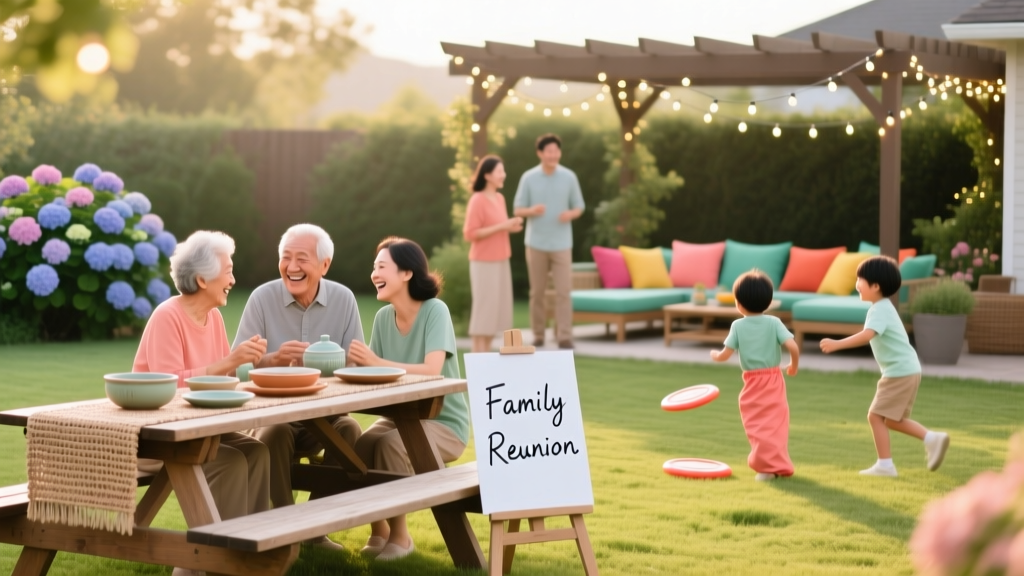
Family Reunion Entertainment Ideas: A Practical Planning Guide for Memorable Fun
Family reunions are one of the few events that bring multiple generations together in the same place—toddlers to grandparents, introverts to social butterflies, and relatives who haven’t seen each other in years. That mix is exactly what makes reunions special, and also what makes entertainment planning tricky. A solid plan keeps the day flowing, reduces awkward downtime, and helps everyone feel included.
Entertainment isn’t just “something to do.” It’s how you create connection: shared laughter during a game, storytelling at a memory table, and group photos that become next year’s invitation. With the right event coordination approach—timelines, roles, budget planning, and a few proven crowd-pleasers—you can host a reunion that feels organized but still relaxed.
This guide lays out family reunion entertainment ideas plus step-by-step planning, budget tips, vendor selection strategies, and common mistakes to avoid so your event runs smoothly from start to finish.
Start with the Basics: Know Your Crowd and Your Goals
Quick “Entertainment Audit” (10 minutes that saves hours)
- Headcount by age group: Kids (0–7), tweens (8–12), teens (13–17), adults, seniors
- Mobility and accessibility needs: Seating availability, shade, restroom proximity, quiet zones
- Energy preferences: Competitive games vs. casual hangouts
- Space type: Park, backyard, community hall, beach, hotel banquet room
- Weather plan: Indoor backup or tent rental
Set 2–3 clear goals
Choose goals that guide every entertainment decision. Examples:
- Help relatives meet new family members
- Capture meaningful photos and stories
- Create kid-friendly fun so parents can relax
- Honor elders and family history
High-Impact Family Reunion Entertainment Ideas (Organized by Style)
1) Icebreakers and “Get Reacquainted” Activities
These reduce awkwardness early and work especially well for large reunions or blended families.
- Name tag upgrades: Add hometown, “branch” (grandparent name), and fun fact (“famous for my pie”). Use color-coding per family branch for easy recognition.
- Family Bingo: Squares like “Has lived in 3+ states,” “Plays an instrument,” “Born in the same month as you.” Offer a simple prize.
- Speed-meet rounds: 2-minute rotations with prompts (“Best family vacation,” “Most surprising hobby”). Keep it optional for introverts.
2) All-Ages Games That Actually Work
Pick games with flexible participation so people can join or watch without pressure.
- Minute-to-win-it stations: Quick challenges (stack cups, cookie face, ping pong bounce). Run them as come-and-go stations.
- Field day classics: Sack races (kids), three-legged race (adults/teens), tug-of-war (team by family branch).
- Giant lawn games: Jenga, Connect Four, cornhole. These are low-effort, high-engagement.
- Scavenger hunt: Tailor to the venue: “Find something that represents our family values,” “Take a selfie with a cousin you just met.”
3) Kid Zone Ideas (So Adults Can Enjoy the Reunion Too)
A dedicated kid area is one of the best event planning decisions you can make—safer, calmer, and more fun.
- Craft table: “Decorate your own reunion tote,” family tree coloring pages, bracelet-making, sticker stations.
- Activity leader or sitter team: Two responsible adults/teens per 10–12 kids (rotate shifts).
- Bubble station and sidewalk chalk: Works almost anywhere and costs very little.
- Movie corner (indoor): Family-friendly film, pillows, low lighting, quiet snacks.
4) Teen-Friendly Options (Beyond “Go Hang Out”)
- Photo challenge: Give prompts like “funniest family resemblance,” “best throwback pose.” Share to a private album.
- Pick-up sports: Basketball, volleyball, soccer with a quick sign-up sheet.
- DIY mocktail bar: Fun, trendy, and inclusive; label ingredients and keep it supervised.
- Gaming corner: If indoors, set up a console station with time slots to avoid crowding.
5) Memory-Making and Family History (Meaningful Without Feeling Formal)
Current event planning trends lean into personalization and storytelling. These ideas create emotional highlights.
- Memory table: Display old photos, family recipes, memorabilia. Add note cards: “Write what you remember about this photo.”
- Story booth: A quiet corner with a phone tripod and prompt cards (“Tell us about your first job,” “How did Grandma meet Grandpa?”).
- Family awards: Lighthearted certificates: “Best Laugh,” “Most Likely to Host Next Year,” “Family Chef.” Keep it kind.
- Recipe swap station: Print cards or use a QR code form; compile and email afterward.
6) Evening Entertainment: Music, Talent, and Low-Stress Fun
- Curated playlist + simple speakers: Rotate genres by decade so all ages hear “their” music.
- Family talent showcase: 2–3 minutes per act; schedule it after dinner when attention is higher.
- Karaoke (optional): Best indoors or in a rented hall; keep a sign-up list.
- Outdoor movie night: Projector + screen + blankets. Great for multi-day reunions.
Sample Entertainment Schedule (Real-World Example)
Example: 65 guests at a park pavilion, 12 kids under 10, potluck lunch, 11:00 a.m.–6:00 p.m.
- 11:00–11:30: Arrival + name tags + family bingo begins
- 11:30–12:00: Group welcome + quick announcements + group photo #1
- 12:00–1:00: Lunch (background playlist)
- 1:00–2:30: Game stations (cornhole, minute-to-win-it, kids craft table)
- 2:30–3:00: Family trivia (teams by family branch)
- 3:00–4:00: Free mingle + story booth + memory table
- 4:00–5:00: Tug-of-war + group photo #2
- 5:00–6:00: Desserts + awards + closing remarks
Step-by-Step Planning Timeline and Checklist
8–12 Weeks Before: Foundation and Logistics
- Confirm date and venue (and backup rain plan)
- Choose reunion “style”: picnic, banquet, weekend retreat, destination
- Assign roles (event coordination team):
- Entertainment lead
- Food lead
- Budget/treasurer
- Communications + RSVP tracker
- Setup/cleanup captain
- Create a shared planning doc (Google Sheets) for budget, vendor quotes, and schedules
- Send save-the-date + request key info (headcount, ages, dietary needs, talent show interest)
6–8 Weeks Before: Build the Entertainment Plan
- Decide your top 4–6 activities (avoid overpacking the schedule)
- Order supplies: name tags, signage, game materials, prizes, craft items
- If needed, book vendors (DJ, bounce house, photographer, tent rental)
- Create a simple run-of-show (start time, transitions, who leads each segment)
- Plan accessibility: seating zones, shade, water stations, quiet area
3–4 Weeks Before: Confirm Details and Communication
- Send the schedule preview to family + parking instructions
- Create a playlist and test speaker setup
- Finalize game rules and station instructions (printable sign sheets)
- Confirm volunteers for kid zone and activity stations (with shift times)
- Purchase or order prizes (keep them simple and fun)
1–2 Weeks Before: Final Checks
- Confirm final headcount and update supplies list
- Prepare signage: welcome sign, schedule board, station labels
- Print group photo checklist:
- Entire family
- Each family branch
- All cousins
- All grandparents + grandkids
- Pack an event kit: tape, scissors, markers, chargers, extension cords, first-aid kit, sunscreen
Day-Of Checklist: Smooth Execution
- Arrive early for layout and signage
- Set stations with clear instructions and labeled supplies
- Test sound system and mic (if using)
- Brief volunteers: timing, safety rules, where to find supplies
- Assign a “floater” to troubleshoot and keep things on schedule
- Do at least two planned group photo moments
- End with a clear closing: lost & found, leftover food, next reunion interest form
Budget Considerations (With Practical Breakdowns)
Typical entertainment budget ranges
- Low budget ($50–$200): DIY games, printed bingo, playlist, simple prizes, craft table basics
- Mid-range ($200–$800): Lawn game rentals, better sound system, small photo backdrop, paid activity leader
- Premium ($800–$2,500+): DJ/emcee, bounce house, professional photographer, tent + lighting, projector setup
Sample budget breakdown (for 60–80 guests)
- Games and station supplies: $120
- Prizes (10–15 items): $60
- Kids crafts: $80
- Sound (speaker rental or upgrade): $150
- Photo area (backdrop + props): $70
- Contingency (10–15%): $60–$90
Smart ways to save without looking “cheap”
- Ask family members to “sponsor” a station (cornhole sponsor, craft sponsor)
- Borrow equipment (speakers, pop-up tents, tables) and label everything
- Use QR codes for schedules, photo sharing, and recipe swaps to reduce printing
- Buy multi-use items (reusable signage frames, storage bins for future reunions)
Vendor Selection Tips (When You Want Professional Support)
Best vendors for reunion entertainment
- DJ/Emcee: Keeps announcements clear, helps run games, manages music flow
- Photographer: Great for multi-generation group shots and candid moments
- Party rental company: Tents, chairs, lighting, lawn games, projectors
- Children’s entertainer: Face painter, balloon artist, magician (short sets work best)
How to vet vendors quickly
- Ask for 2–3 recent references for similar-sized family events
- Confirm what’s included (setup time, travel fees, power needs, insurance)
- Get the cancellation/weather policy in writing
- Choose vendors who communicate clearly and provide a simple contract
Common Family Reunion Planning Mistakes to Avoid
- Trying to schedule every minute: Leave breathing room for catching up; aim for 2–3 “anchor” activities and flexible stations.
- Not assigning leaders: Games stall without a point person. Assign one leader per activity station.
- One-size-fits-all entertainment: Balance high-energy games with seated options and conversation-friendly spaces.
- Skipping sound and signage: If people can’t hear announcements or find activities, participation drops fast.
- No weather plan: Even a simple backup (tents, indoor room, alternate date policy) reduces stress.
- Forgetting accessibility: Provide seating, shade, and clear paths—especially for older relatives.
FAQ: Family Reunion Entertainment Planning
How do I entertain a reunion with a wide age range?
Use a mix of station-style games (cornhole, giant Jenga, crafts) plus one or two group moments (trivia, tug-of-war, group photos). Stations allow different energy levels without excluding anyone.
What are the best icebreakers for relatives who don’t know each other?
Family bingo, color-coded name tags by family branch, and a casual “speed-meet” round with conversation prompts work well and don’t feel forced.
How long should reunion activities last?
For a single-day reunion, plan 4–6 hours total with 2–3 structured segments and the rest flexible. For multi-day reunions, keep daytime programming light and add one special evening activity.
Do we need a DJ for a family reunion?
Not always. A well-made playlist and a reliable speaker are enough for many reunions. A DJ/emcee becomes valuable when you have 75+ guests, multiple announcements, or a more formal schedule.
How can we make sure kids are safe and engaged?
Create a defined kid zone, set simple rules, and schedule volunteer shifts. Include low-mess crafts and active play options, and keep the kid area within sight of the main gathering space when possible.
What’s a simple way to capture memories without hiring a photographer?
Set up a tripod phone station with a shared album QR code, plan two group photo times, and use a “story booth” with prompt cards for short video recordings.
Your Next Steps: Turn Ideas into an Organized Plan
- Pick your venue and estimate headcount by age group
- Choose 4–6 entertainment elements: 1 icebreaker, 2 station activities, 1 memory-maker, 1 group moment
- Draft a run-of-show and assign an owner to each activity
- Build a simple budget with a 10–15% contingency
- Confirm weather and accessibility plans, then communicate clearly to guests
If you want more step-by-step event planning checklists, party organization templates, and coordination tips, explore the latest guides on smartpartyprep.com.
More Articles
 How to Keep Bread Warm for a Party Without Drying It Out, Steaming It, or Looking Like You’re Running a Subway Sandwich Counter (7 Proven Methods That Actually Work)
 How to Choose a Theme for a Spa Day
What Is a Döner Party? The Truth Behind the Trendy German Street Food Gathering — No Confusion, No Overcomplication, Just Delicious Hosting Made Simple
What Is the Most Important Function of a Political Party? Spoiler: It’s Not Winning Elections—It’s Bridging the Gap Between Citizens and Government (Here’s How That Actually Works in Real Democracies)
How Do Political Parties and Interest Groups Differ? The 5 Key Distinctions You’re Probably Confusing — Clear, Real-World Examples Included (No Textbook Jargon)
Do People Have Engagement Parties? Yes — But Here’s What 87% of Couples Get Wrong (And How to Plan One That Feels Meaningful, Not Mandatory)
Does the Black Panther Party exist today? The truth about its dissolution, modern successors, and why activists still invoke its name in 2024 — no myths, just verified history and current movement mapping.
How to Choose a Theme for a Spa Day
What Is a Döner Party? The Truth Behind the Trendy German Street Food Gathering — No Confusion, No Overcomplication, Just Delicious Hosting Made Simple
What Is the Most Important Function of a Political Party? Spoiler: It’s Not Winning Elections—It’s Bridging the Gap Between Citizens and Government (Here’s How That Actually Works in Real Democracies)
How Do Political Parties and Interest Groups Differ? The 5 Key Distinctions You’re Probably Confusing — Clear, Real-World Examples Included (No Textbook Jargon)
Do People Have Engagement Parties? Yes — But Here’s What 87% of Couples Get Wrong (And How to Plan One That Feels Meaningful, Not Mandatory)
Does the Black Panther Party exist today? The truth about its dissolution, modern successors, and why activists still invoke its name in 2024 — no myths, just verified history and current movement mapping.
 What Party Is the Tea Party? The Truth Behind This Elegant Gathering — Plus 7 Simple Steps to Host One That Guests Rave About (No Fancy China Required!)