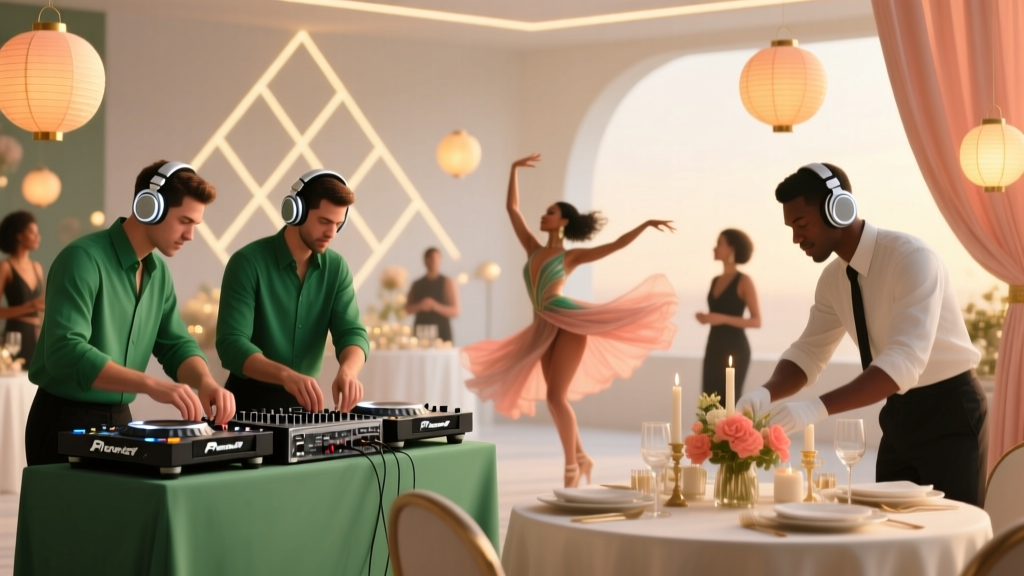
Dance Party Vendor Selection Tips: How to Build the Right Team for an Unforgettable Night
A dance party can feel effortless when it’s done well: the music hits, the lighting flatters, the floor stays full, and guests talk about the vibe for weeks. Behind that “easy” experience is a carefully selected vendor team—DJ or band, venue, lighting, photo setup, catering, rentals, and sometimes security. The right vendors elevate energy and keep the event running on time. The wrong fit can create delays, sound issues, long lines, or awkward dead air.
Vendor selection isn’t just a checklist item in event planning—it’s the core of event coordination. When you choose vendors who communicate clearly, understand your guest experience goals, and can execute under pressure, your dance party becomes predictable in the best way: predictable flow, predictable safety, predictable fun.
This guide breaks down practical vendor selection tips, a step-by-step planning timeline, real-world examples, budget considerations, and common planning mistakes to avoid—so you can organize a dance party that feels polished, modern, and unforgettable.
Start With the Experience: Your Dance Party “Success Criteria”
Before you request quotes or compare packages, define what “success” looks like. Great vendor decisions come from clarity, not guesswork.
Key questions to answer before contacting vendors
- Guest count and demographics: Teens, adults, mixed ages, corporate team, wedding after-party?
- Music style and energy level: Top 40, EDM, throwbacks, Latin, hip-hop, disco, niche genres.
- Venue type: Backyard tent, banquet hall, club, rooftop, warehouse, community center.
- Party length: 3 hours vs. 6 hours changes staffing, sound needs, and refreshment planning.
- Non-negotiables: Full dance floor, low wait times at bar, photo moment, high-end lighting, clean transitions.
- Constraints: Noise ordinances, load-in limits, union rules, elevator access, power limitations.
Current event planning trends worth considering
- Curated “micro-moments”: A signature entrance song, a 15-minute glow-stick drop, or a surprise dance set.
- Hybrid DJ + live elements: DJ with a saxophonist, percussionist, or vocalist for high-impact energy.
- Immersive lighting: LED uplighting, moving heads, haze (where allowed), and color-programmed scenes.
- Phone-friendly content: Photo booth, step-and-repeat, or a well-lit backdrop designed for short videos.
- Sustainability choices: Reusable drinkware, digital signage, and rental-based décor to reduce waste.
Dance Party Vendors: Who You Need (and When You Don’t)
Not every dance party needs every vendor. Build a vendor list based on your venue, guest count, and goals.
Core vendors
- Venue (or home setup + permits if applicable)
- DJ or band (plus MC capabilities if you need announcements)
- Sound system (may be included with DJ/band; confirm specs)
- Lighting (often separate from DJ packages for premium results)
Common add-ons that improve guest experience
- Photo booth or roaming photographer
- Catering (passed bites, buffet, food truck, late-night snacks)
- Bar service (licensed bartender, mobile bar, mocktail station)
- Rentals (dance floor, lounge seating, cocktail tables, stanchions)
- Security (venues may require it; essential for larger events)
- Event coordinator (day-of management to keep timeline and vendors aligned)
Real-world example: Lean vendor team vs. full production
- Lean (40 guests, home patio): DJ with compact sound + basic uplights, small rental order (tables, 1–2 cocktail tables), drop-off catering.
- Full production (200 guests, warehouse): Venue + production lighting vendor + DJ + rentals (dance floor, lounge, bars) + catering + security + event coordinator.
How to Vet Dance Party Vendors Like a Pro
Step 1: Use targeted shortlists (not endless browsing)
Create a shortlist of 3–5 vendors per category. Pull from venue preferred lists, referrals, local event planning communities, and verified reviews. Avoid wasting time on vendors whose style doesn’t match your party vibe.
Step 2: Review work samples that match your event type
- DJs: Ask for recent set clips, not just promo videos. Look for crowd reading and smooth transitions.
- Lighting: Request photos from events in similar venues (ballrooms vs. outdoor tents look very different).
- Catering: Ask for sample menus designed for dancing events (bite-sized, low-mess, late-night friendly).
- Photo booths: Confirm print speed, digital sharing, and lighting quality.
Step 3: Ask the questions that reveal reliability
Use these practical questions during calls or site visits:
- What is your load-in/load-out time requirement?
- Do you bring backup gear (laptop, controller, speakers, microphones)?
- How do you handle song requests and do-not-play lists?
- Who is my day-of contact? Is there a team or a solo operator?
- What do you need for power (amps, dedicated circuits, generators)?
- Do you carry liability insurance and can you add the venue as additional insured?
- What is your cancellation/postponement policy?
Step 4: Spot red flags early
- Slow replies or vague answers during booking (communication rarely improves later).
- Quotes that don’t list deliverables, hours, setup details, and staffing.
- No contract, or a contract missing overtime rates and contingency plans.
- Pressure tactics (“today-only pricing”) without time to review details.
Budget Planning for Dance Party Vendors (With Sample Breakdown)
Your dance party budget should reflect what guests will remember most: music, atmosphere, and flow. A basic event planning strategy is to allocate budget toward “experience drivers” first, then build outward.
Typical dance party budget categories
- Entertainment: DJ/band, MC, add-on performers
- Production: sound, lighting, stage, dance floor, power
- Venue: rental fees, staffing, cleaning, permits
- Food & beverage: catering, bar, late-night snacks, service fees
- Rentals & décor: furniture, linens, signage, photo backdrop
- Staffing: event coordinator, security, attendants
- Admin: insurance, gratuities, contingency
Sample budget breakdown (100 guests, mid-range vibe)
Adjust numbers for your market and event style, but use percentages as a planning anchor.
- Venue: 20%–30%
- DJ + sound: 15%–25%
- Lighting/production: 10%–20%
- Food & beverage: 25%–40%
- Photo/entertainment extras: 5%–15%
- Coordinator/security/insurance: 5%–12%
- Contingency buffer: 5%–10%
Smart ways to control costs without sacrificing the vibe
- Shorten vendor hours strategically: Add a high-energy “peak set” rather than paying for extended low-energy time.
- Choose lighting that does more: Uplighting + a few moving fixtures can outperform lots of small add-ons.
- Plan a late-night snack drop: A single timed moment often feels more premium than continuous service.
- Bundle vendors thoughtfully: Some DJs offer solid lighting packages—just verify quality and fixture count.
- Prioritize comfort: Spend on climate control, bathrooms, and queue flow before extra décor.
Vendor Selection Tips by Category
DJ or Band: The heartbeat of the dance floor
- Confirm they can “read the room”: Ask how they recover if the floor empties.
- Ask about transitions and pacing: Great dance parties avoid awkward gaps.
- Request a planning worksheet: Pros will have a structured process for must-plays, genres, and announcements.
- Clarify MC role: If you need welcome remarks, schedule cues, or birthday moments, make sure they’re comfortable speaking.
Lighting/Production: Your vibe multiplier
- Insist on a venue-aware plan: Ceiling height, wall color, and ambient light change everything.
- Ask for a “scene list”: Arrival, dinner/social, peak dancing, last song, clean exit lighting.
- Check rules on haze/fog: Many venues restrict it; don’t assume it’s allowed.
- Prioritize safety: Properly taped cables, clean power distribution, and protected walkways.
Catering/Bar: Keep guests fueled and lines short
- Design dance-friendly food: Handheld, minimal mess, quick service.
- Plan service timing: Avoid heavy service during peak dancing unless it’s quick grab-and-go.
- Bar math matters: For 100 guests, one bartender often creates long lines; two speeds everything up (venue rules vary).
- Add a water station: Hydration is part of guest safety and comfort.
Photo Booth/Photographer: Make it easy to share
- Confirm lighting quality: A bright, flattering setup beats fancy props.
- Prioritize fast sharing: QR galleries and text/email delivery increase guest engagement.
- Plan placement: Near the action but not blocking traffic or the dance floor entrances.
Security and Staffing: Smooth flow is part of fun
- Match staffing to venue layout: Multiple entrances, outdoor areas, and parking lots increase needs.
- Define responsibilities: Who handles guest list, wristbands, vendor load-in, and incident escalation?
- Use a day-of coordinator when possible: This role protects your timeline and reduces vendor confusion.
Step-by-Step Planning Timeline (With Checklist)
8–12 weeks out: Foundation and vendor sourcing
- Set event goals (theme, music style, dress code, audience)
- Confirm date, start/end time, and guest count range
- Book venue or finalize home logistics (permits, neighbors, noise rules)
- Create a vendor shortlist (DJ/band, lighting, catering/bar, rentals)
- Request itemized quotes and confirm insurance requirements
6–8 weeks out: Lock vendors and design the flow
- Sign contracts and pay deposits
- Draft a preliminary event timeline (arrival, peak dance block, last song)
- Plan floor layout: dance floor, bar, food, lounge, photo moment
- Order rentals (tables, cocktail rounds, lounge seating, stanchions)
- Choose lighting scenes and color palette
3–5 weeks out: Details and coordination
- Finalize playlists guidance: must-plays, do-not-play, key moments
- Confirm catering menu and service style
- Plan signage (entry, bar menu, photo booth instructions)
- Confirm load-in schedule with venue and every vendor
- Build a vendor contact sheet (names, phone numbers, arrival times)
1–2 weeks out: Final confirmations
- Finalize headcount and floor plan
- Confirm power needs and backup plans
- Share final timeline with all vendors
- Prepare payment/gratuity plan (who gets paid when)
- Create an emergency kit (tape, scissors, chargers, stain remover, first aid)
Event day: Execution checklist
- Do a quick venue walk-through: entrances, exits, restrooms, trash plan
- Confirm DJ sound check and microphone test
- Check lighting cues and ensure cables are secured
- Verify food and bar setup for low congestion
- Assign a single point of contact for vendor questions
Common Dance Party Planning Mistakes to Avoid
- Booking entertainment without confirming sound/space needs: A DJ setup is different from a band setup. Always verify dimensions, power, and load-in.
- Overlooking room acoustics: Echo-heavy venues need thoughtful speaker placement and sound checks.
- Ignoring traffic flow: Placing the bar at the dance floor entrance kills momentum and creates bottlenecks.
- Not building a timeline with “buffers”: Add 15–30 minutes of cushion for arrivals, speeches, and vendor setup.
- Skipping contingency planning: Weather, power, vendor delays—have a plan and a point person.
- Underestimating lighting: Great music in flat lighting can still feel underwhelming. Lighting is a major experience driver.
Real-World Vendor Coordination Example: Fixing a Potential Dance Floor Problem
Scenario: A client planned a 150-guest dance party in a venue with bright overhead lights and limited outlets. The DJ quote included basic lighting, but the room still felt like a conference space.
Solution:
- Added a lighting vendor to program three scenes: arrival (warm), dancing (dynamic), last song (soft spotlight feel).
- Rented a dedicated power distribution solution to avoid tripped breakers.
- Moved the bar away from the dance floor entrance and added two cocktail tables to reduce crowding.
Result: The dance floor stayed active because the lighting and layout supported the energy, not just the music.
FAQ: Dance Party Vendor Selection
How many DJ quotes should I compare?
Three is a strong target. It’s enough to compare pricing and style without getting overwhelmed. Make sure each quote includes hours, setup, equipment, overtime rates, and contingency policies.
Should I hire separate vendors for DJ and lighting?
If you want a high-impact club-style atmosphere, separate lighting specialists often deliver better results. For smaller parties, a DJ with a solid lighting package can be perfectly effective—ask for recent photos from similar venues.
What should be in a vendor contract for a dance party?
Scope of work, hours, setup/breakdown times, equipment list, staffing, payment schedule, overtime rates, cancellation/reschedule terms, insurance requirements, and a clear rain/power contingency plan when applicable.
How do I keep vendor communication organized?
Use one shared timeline, one vendor contact sheet, and one designated point of contact (you or a day-of coordinator). Send a final “run of show” 7–10 days out and reconfirm arrival times 48 hours before.
How much should I reserve for last-minute changes?
Plan a 5%–10% contingency line in your event budget. It covers overtime, added staffing, weather adjustments, extra rentals, or upgraded power needs.
Next Steps: Build Your Vendor Team With Confidence
- Write your success criteria: guest experience goals, must-haves, constraints.
- Create a shortlist: 3–5 vendors per category, aligned with your vibe and venue.
- Request itemized quotes: compare deliverables, not just price.
- Finalize a timeline: include buffers and share it with every vendor.
- Protect the dance floor: prioritize sound, lighting, and layout flow.
If you’re ready to keep planning with less stress and better results, explore more event planning, party organization, and coordination guides at smartpartyprep.com.
More Articles
 Can I Wear White to an Engagement Party? The Truth (Spoiler: Yes — But Only If You Follow These 5 Non-Negotiable Etiquette Rules)
 How Much Is a Party at Chuck E Cheese in 2024? We Spent 37 Hours Calling 42 Locations, Analyzing 18 Package Tiers, and Comparing Hidden Fees So You Don’t Overpay (Spoiler: $199–$499 Is the Real Range)
How to Get on UGA Party List: The Real, Step-by-Step Process (No 'Secret Lists,' No Paywalls, Just Verified Access Routes for 2024–2025)
How Much Is a Party at Chuck E Cheese in 2024? We Spent 37 Hours Calling 42 Locations, Analyzing 18 Package Tiers, and Comparing Hidden Fees So You Don’t Overpay (Spoiler: $199–$499 Is the Real Range)
How to Get on UGA Party List: The Real, Step-by-Step Process (No 'Secret Lists,' No Paywalls, Just Verified Access Routes for 2024–2025)
 Who Are the Major Leaders of the Democratic Party in 2024? A Real-Time Breakdown of Power Players — From Congressional Chairs to Grassroots Influencers Shaping Policy, Messaging, and the Presidential Ticket
 How to Serve Meatballs at a Party Without Stress, Spills, or Sad Leftovers: 7 Field-Tested Strategies (Including the 3-Minute Hot-Holding Hack Chefs Swear By)
Where Is The Full Moon Party In Thailand? (Spoiler: It’s Not Just Koh Phangan — Here’s Exactly Where to Go, When to Book, and What to Avoid in 2024)
What to Wear for a 60th Birthday Party: The 7-Step Dress Code Decoder (No More Guesswork, No Awkward Outfits, Just Confident Style That Fits the Moment)
How to Serve Meatballs at a Party Without Stress, Spills, or Sad Leftovers: 7 Field-Tested Strategies (Including the 3-Minute Hot-Holding Hack Chefs Swear By)
Where Is The Full Moon Party In Thailand? (Spoiler: It’s Not Just Koh Phangan — Here’s Exactly Where to Go, When to Book, and What to Avoid in 2024)
What to Wear for a 60th Birthday Party: The 7-Step Dress Code Decoder (No More Guesswork, No Awkward Outfits, Just Confident Style That Fits the Moment)